A bipartisan group of lawmakers introduced a bill that would give visual artists legal protection against commercial AI-generated imitations of their work without permission.
Why it matters: There currently isn't a legal framework that protects a creator's style. Copyright laws protect registered works, but not someone's likeness.
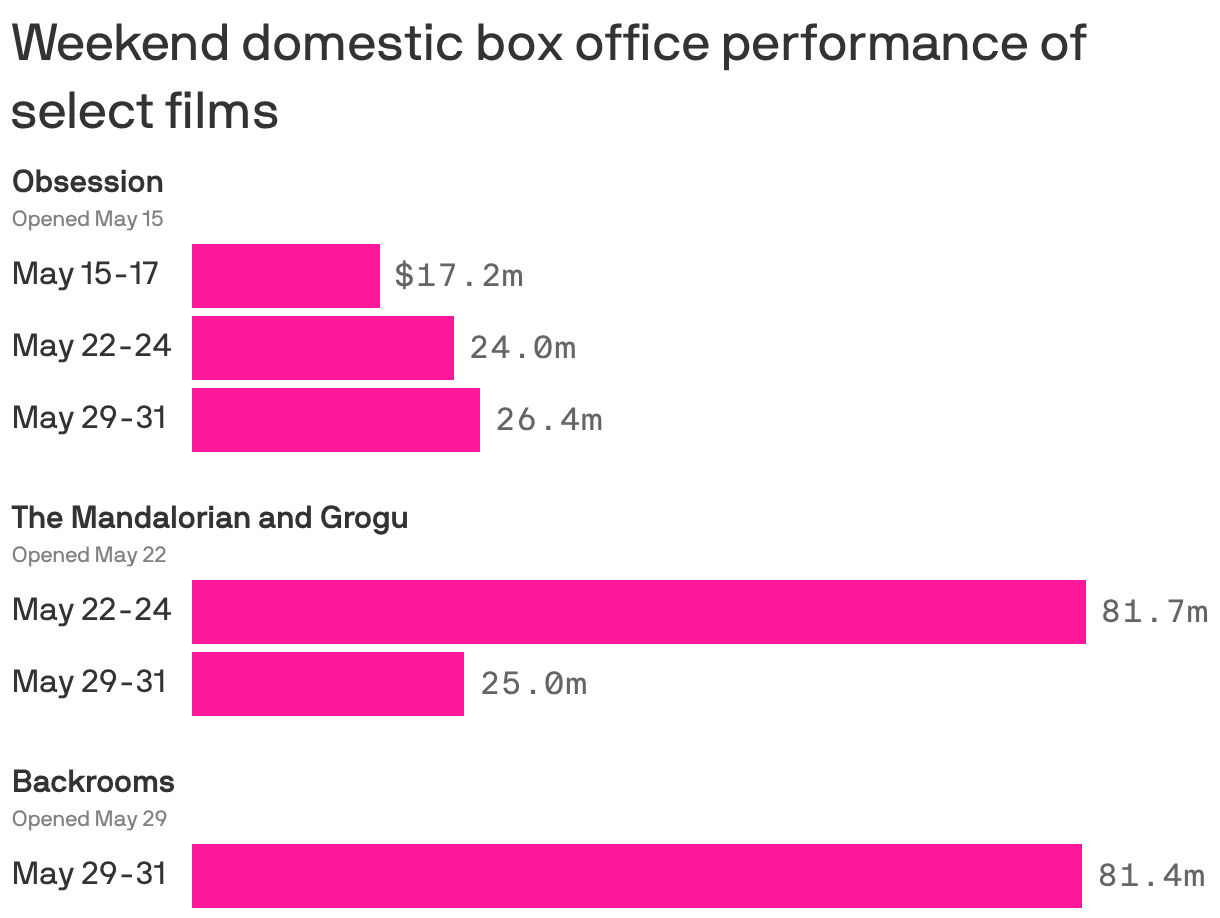
The unprecedented success of "Obsession" and "Backrooms" — both produced by YouTubers in their 20s — represents Gen Z's power in driving what could be a historic shift for Hollywood.
Why it matters: Major movie studios have spent years trying to crack the code on organic social media marketing.
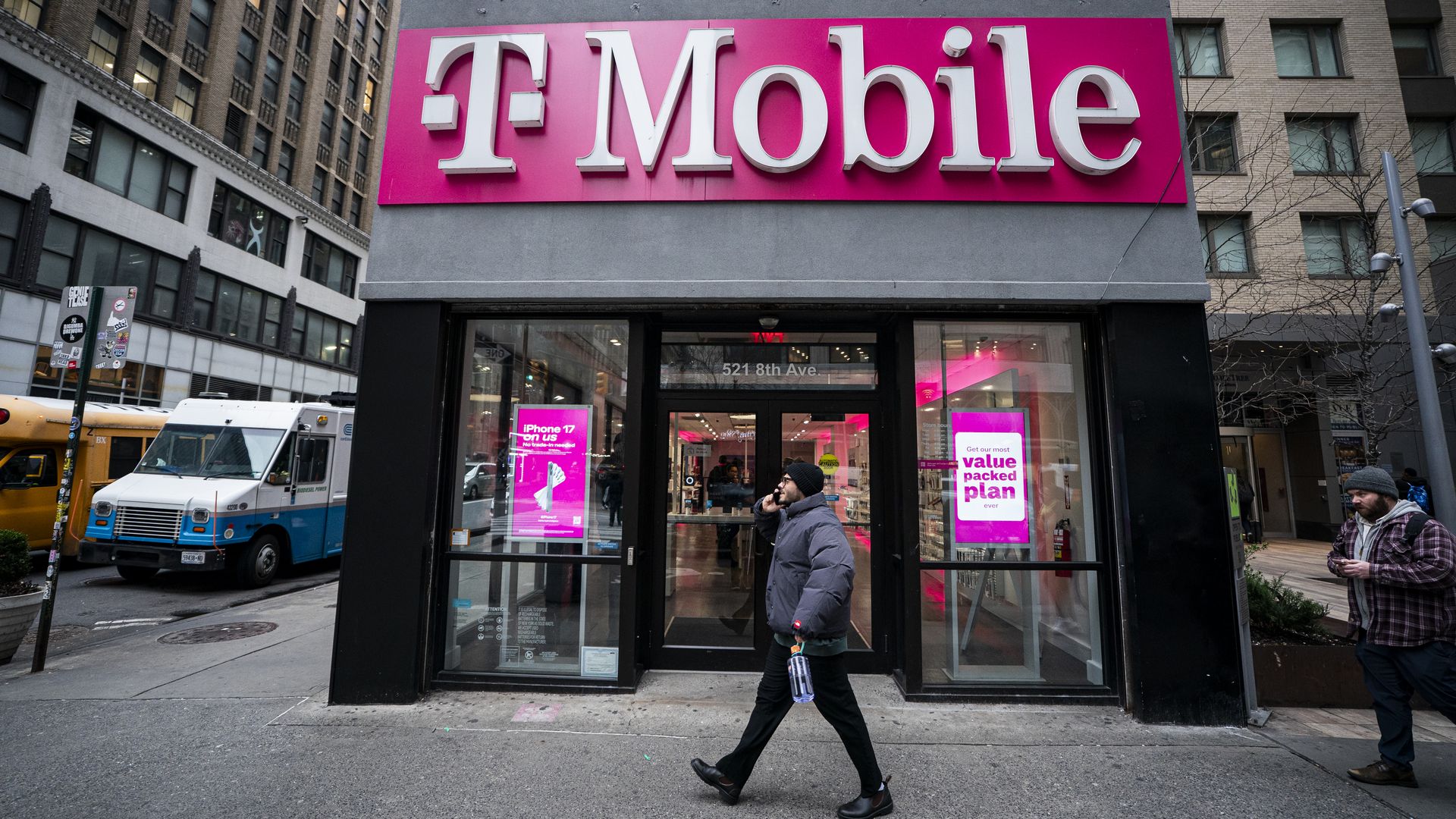
T-Mobile is marking the 10th anniversary of T-Mobile Tuesdays by expanding one of the wireless industry's best-known perks programs into a broader lifestyle and loyalty platform.
Why it matters:Loyalty programs are becoming a bigger battleground for companies looking to retain customers and deepen engagement beyond their core products and services.
Amazon is putting a spotlight on groceries this Prime Day, reflecting its broader push to become a bigger destination for shoppers' everyday spending, not just occasional big-ticket purchases.
Why it matters: The retail giant is using its marquee summer sales event to highlight grocery savings, faster delivery and AI-powered shopping tools as it looks to make Prime a deeper part of consumers' daily lives.
President Trump on Tuesday picked Federal Housing Finance Agency Director Bill Pulte to lead the U.S. intelligence community, elevating a MAGA loyalist to one of the government's most powerful national security posts.
Why it matters: President Trump's decision to install Pulte atop the nation's intelligence network gives the MAGA enforcer wide-ranging access to vast amounts of data the government collects.
OpenAI CEO Sam Altman said the company's top token user is going through 100 billion tokens per month.
Why it matters: As people inside and out of AI labs are spending more and more on tokens, Altman acknowledges that cost concerns have become a "huge issue."
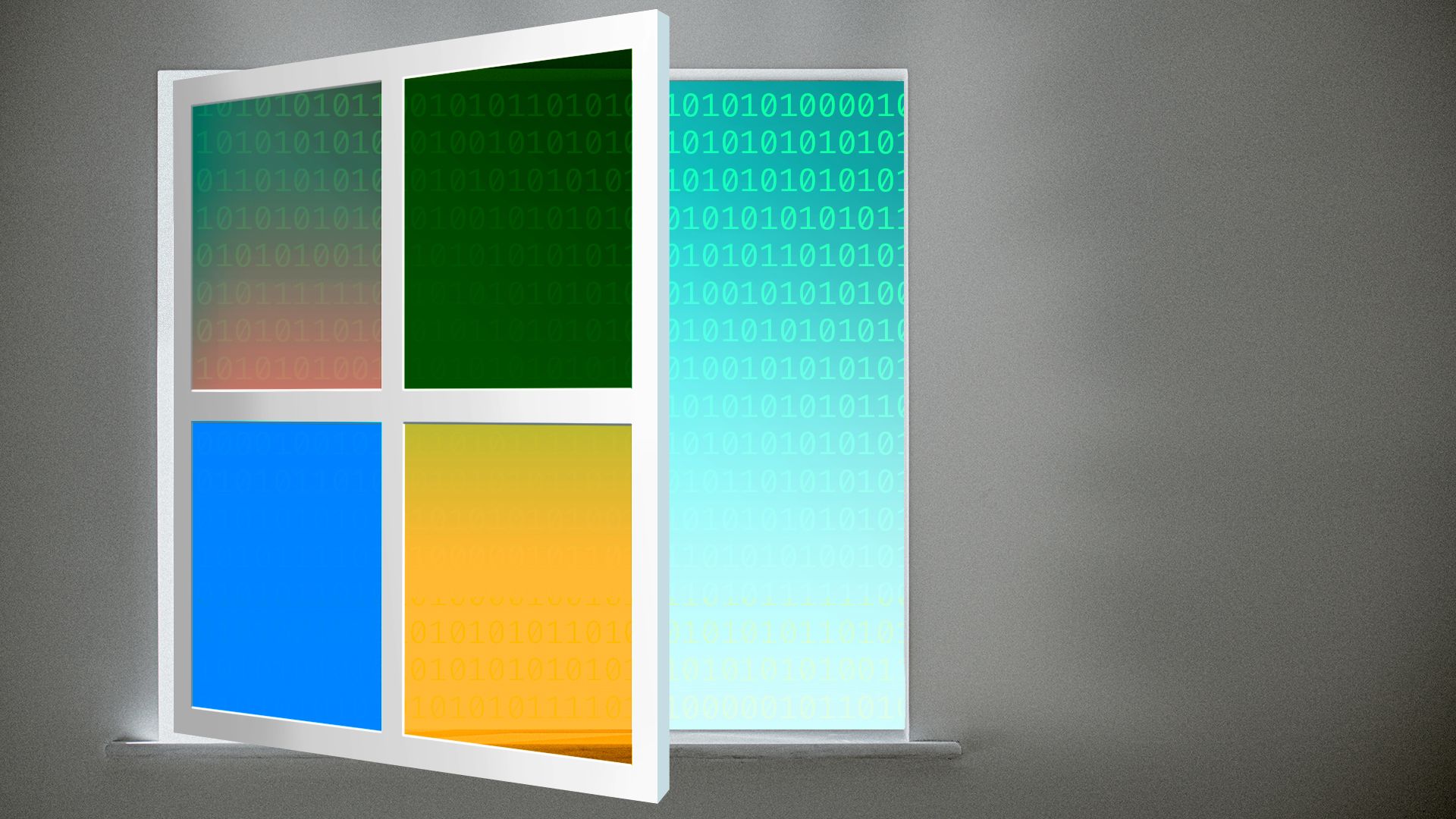
Microsoft used its Build developer conference on Tuesday to debut the company's first internally developed reasoning model, along with a personal AI agent dubbed Scout that is built on top of OpenClaw.
Why it matters: Microsoft is seeking to show it is a serious player in AI beyond its relationship with OpenAI.
President Trump signed a narrowed executive order on artificial intelligence and cybersecurity Tuesday.
Why it matters: The new order lets the White House kick the can down the road while it considers new rules for cutting-edge AI models and what to do about AI's advanced cybersecurity capabilities.
Anthropic officially started its IPO clock yesterday, filing a confidential registration statement with the SEC.
It could be one of three American companies to go public this year at a valuation of more than $1 trillion, something that has never before happened even once on a U.S. exchange.
Cisco is moving to a twice-a-month model for unveiling newly fixed security flaws, rather than its current monthly cadence, the company said earlier today.
A week before each release, Cisco will also preview which technologies and platforms will be affected by each drop so defenders will know what will need patching.
Why it matters: New AI models are pouring gasoline on bug discovery, forcing technology and security vendors to rethink how they responsibly disclose the bugs that researchers find in their products before malicious hackers get hold of them.
Companies are racing to secure AI systems, but many are still hiring cybersecurity workers using job descriptions, career laddersand training programs built before the AI boom.
Why it matters: Fending off AI-powered hacks expected from advanced AI models will require a new vision for how employers train, hire and retain cybersecurity talent.
The retail trading crowd has found a new buzzworthy stock: IBM.
Yes, your father's "Big Blue" IBM.
Driving the news: Shares of IBM exploded in recent days, posting their best two-day showing in records stretching back to the early 1970s.
Why it matters: IBM's surge shows how individual investors have become a market force, by coordinating purchases, touting positions on social media and boosting buying power with borrowed money, or margin.
Morph, an AI company coming out of stealth on Tuesday, says it's tackling one of the next frontiers in technology: not just bringing it to the physical world, but in a way that flexibly adapts — inspired by the octopus.
Why it matters: Today's LLMs, as fast as they're advancing, still haven't fully bridged the gap to the way we move and build.
This is Axios CEO Jim VandeHei's plan to help CEOs and other leaders navigate this moment. This call to action, which got a sneak peek over the weekend in his C-Suite newsletter, is a follow-up to our Monday column, "The Rattled Generation."
Americans have lost faith in almost every binding institution and leader — except the CEO.
The 2026 Edelman Trust Barometer is unambiguous. "My employer" is the most trusted institution on Earth at 78% — more trusted than government, media or organized religion.
Why it matters: This isn't a trophy. It's an obligation. Business leaders have an urgent call to fill the leadership void.
Anthropic filed paperwork to go public just as corporate America is entering its AI sticker shock phase.
Why it matters: Companies are Anthropic's biggest customers. If they dial down their AI spend, that could weaken the AI lab's revenue just as the it prepares to IPO.
This is the chart that White House economic officials want you to see: A closely watched industry survey suggests a long U.S. manufacturing slump is giving way to a factory rebound.
Why it matters: By this measure, the manufacturing recession is over. Activity across the sector expanded for a fifth straight month in May after spending much of the last two years in contraction territory.
Knowledge workers now make up roughly one-fifth of OpenAI's Codex users and are growing more than three times as fast as developers, according to a new OpenAI report shared first with Axios.
Why it matters: AI has made it easier to crank out documents, emails, decks and dashboards, and OpenAI is now betting agents can help workers make sense of them.