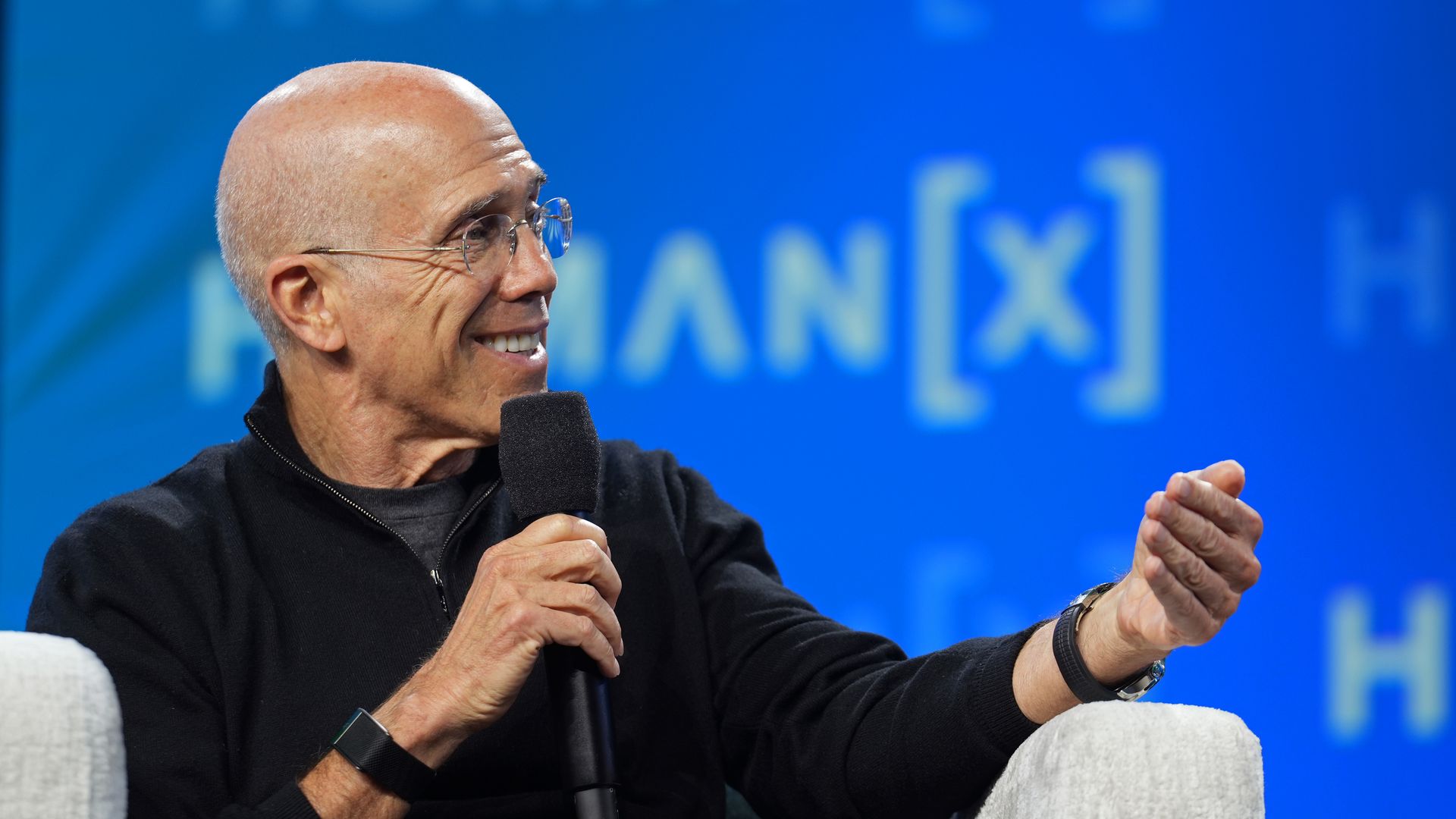
Hollywood mogul Jeffrey Katzenberg last week hosted his fifth annual WNDR conference, a gathering of around 150 top creators and CEOs in Montecito, California.
The big picture: The event has historically been under the public's radar, in part because there are no invitations for journalists, PR handlers or plus-ones.
Coursera and Udemy have completed their merger, creating a massive online learning platform built for workers and employers, just as AI changes the skills needed for nearly every job.
Why it matters: Coursera says someone has enrolled in a generative AI course every three seconds, on average, so far in 2026 — up from every four seconds in 2025.
The juicy personal texts, emails and digital diary entries of the biggest AI execs revealed in Elon Musk's lawsuit against OpenAI highlight how the chats from these companies' own tools could become a new trove of courtroom evidence.
Why it matters: Courts are increasingly treating chatbot conversations as discoverable evidence, raising new legal and privacy concerns for AI users.
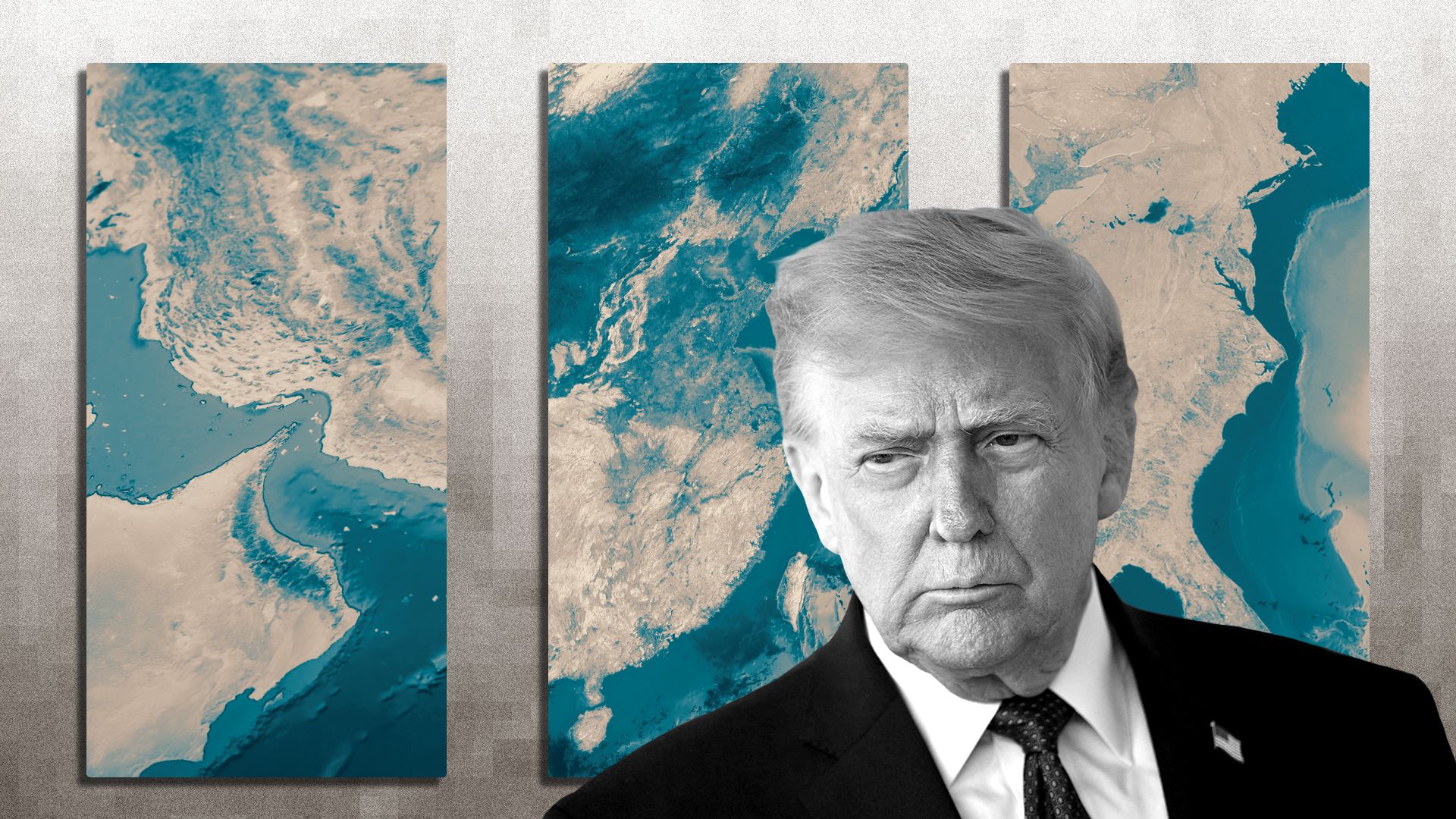
Three generational forces will converge this week — first in Washington, then in Beijing — in what could prove a hugely consequential stretch of Donald Trump's presidency.
Why it matters: The coming days carry stakes measured in decades: war and peace in the Middle East, the trajectory of the U.S.-China relationship, and the rules governing the AI revolution.
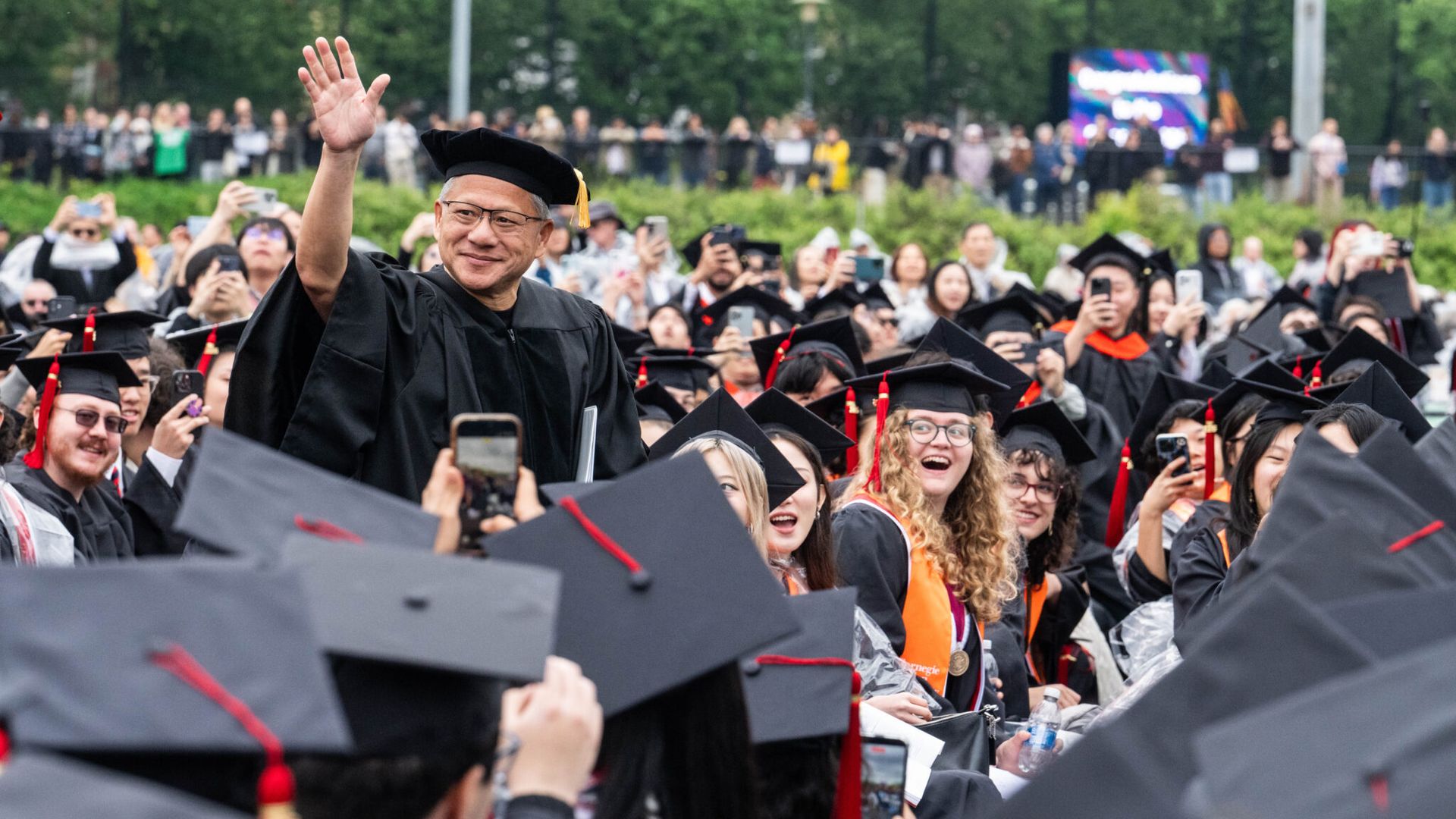
Nvidia founder and CEO Jensen Huang told graduates at Carnegie Mellon University in Pittsburgh yesterday that demand for AI infrastructure is creating a "once-in-a-generation opportunity to reindustrialize America and restore the nation's capacity to build."
Why it matters: With many college grads fearing AI could obliterate their career dreams, Huang pointed to boundless opportunity as a "new industry is being born. A new era of science and discovery is beginning ... I cannot imagine a more exciting time to begin your life's work."
Young Americans have a gloomier outlook on their job prospects than their older colleagues, creating a wider optimism gap than any other country surveyed by Gallup.
The big picture: The very existence of that chasm between pessimistic younger Americans and more positive older people is itself an outlier, with double-digit gaps present only in five otherplaces of the 141 polled.