Dina Powell McCormick, a prominent banking executive and former Republican official, and Stripe CEO Patrick Collison are joining Meta's board, Axios has learned.
Why it matters: It's part of a broader effort by Meta to expand its board to include more global business experts. The appointments also come as the company looks to curry favor with the Trump administration.
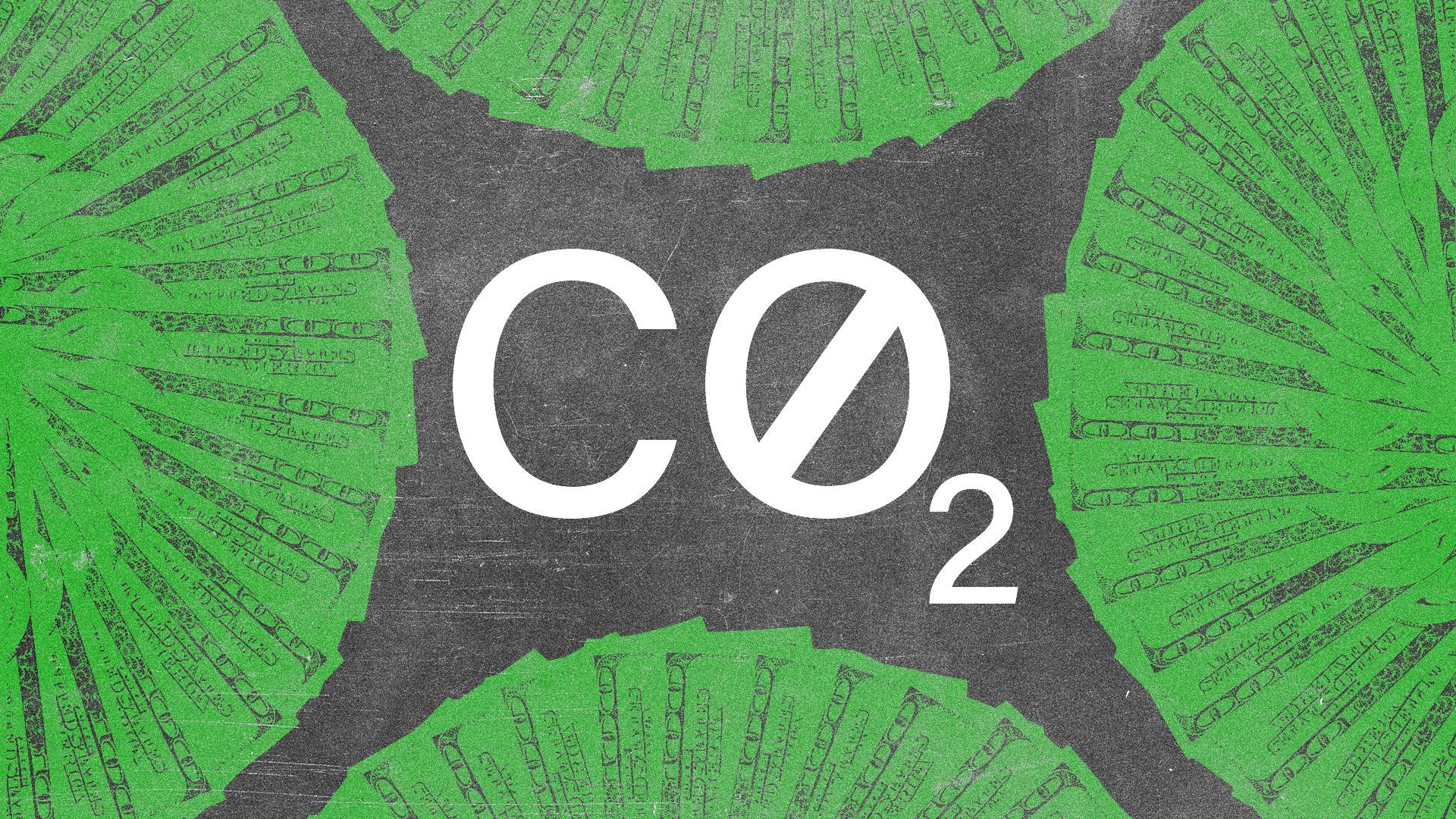
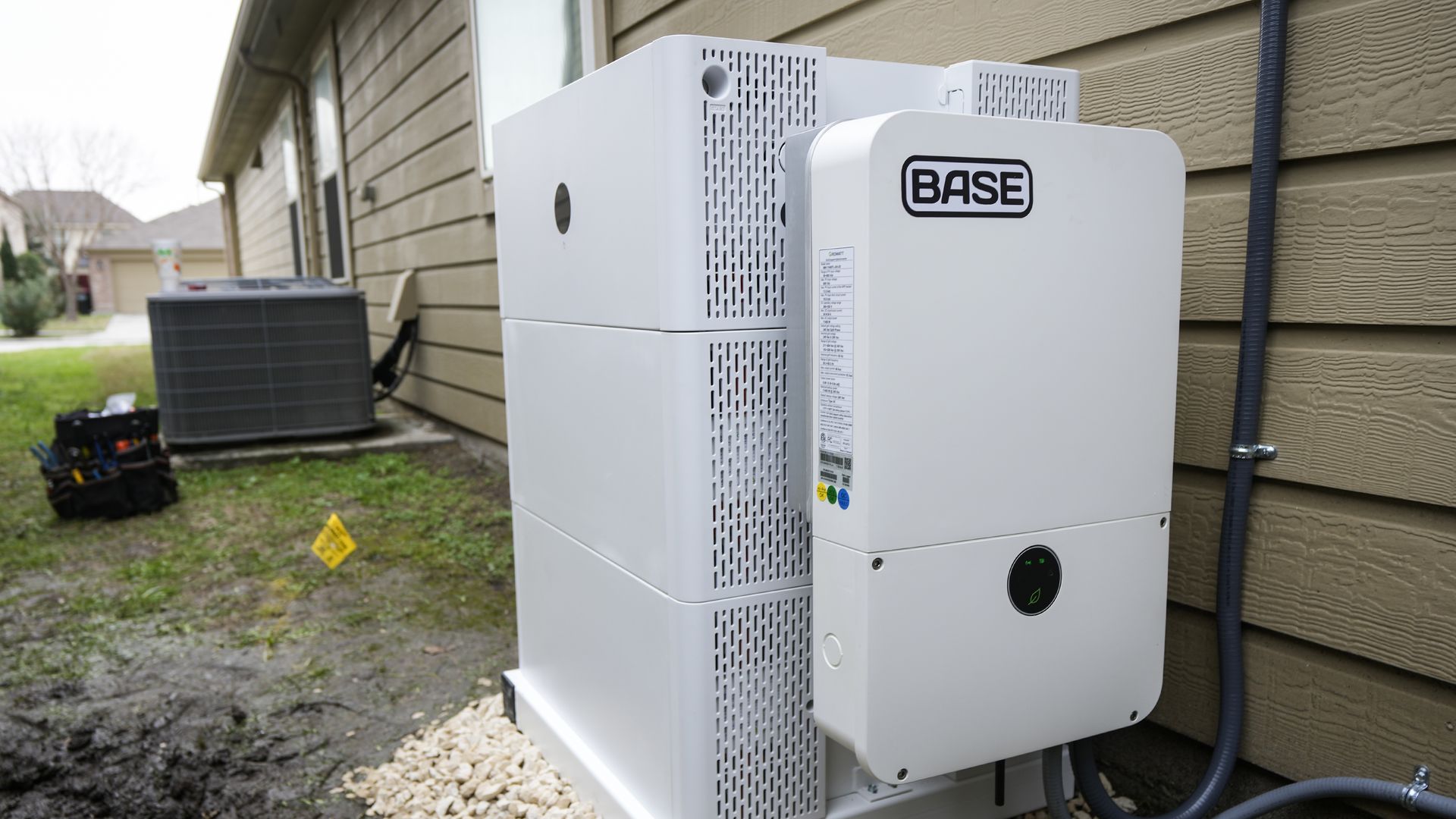
Microsoft inked a multimillion-ton CO2 deal with CO280, a startup that says it has cracked the code to scaling large-scale removal tethered to pulp and paper mills.
Why it matters: CO280's offtake deals with Microsoft and other buyers could advance integration of carbon removal into huge, incumbent industrial sectors.
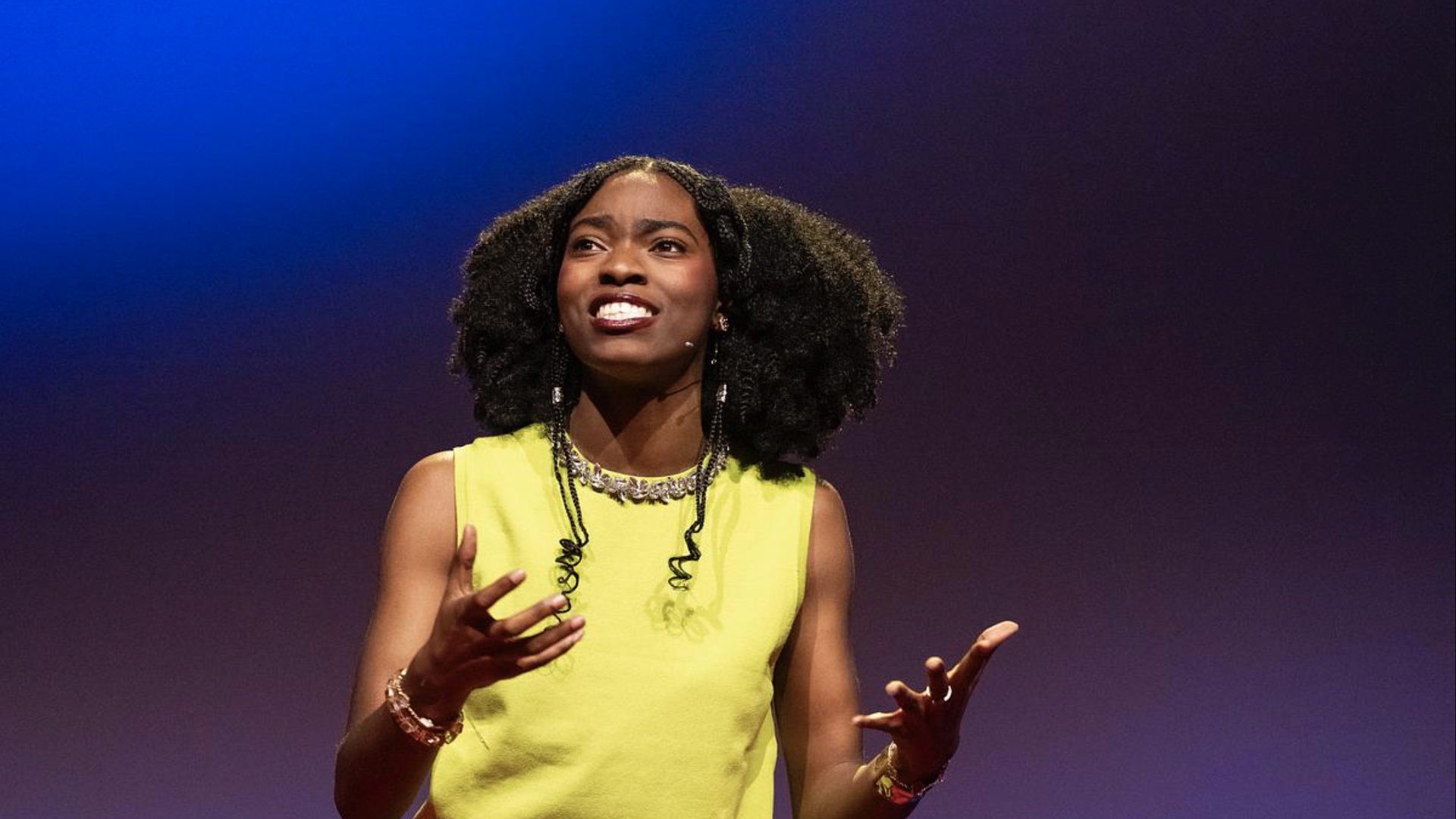
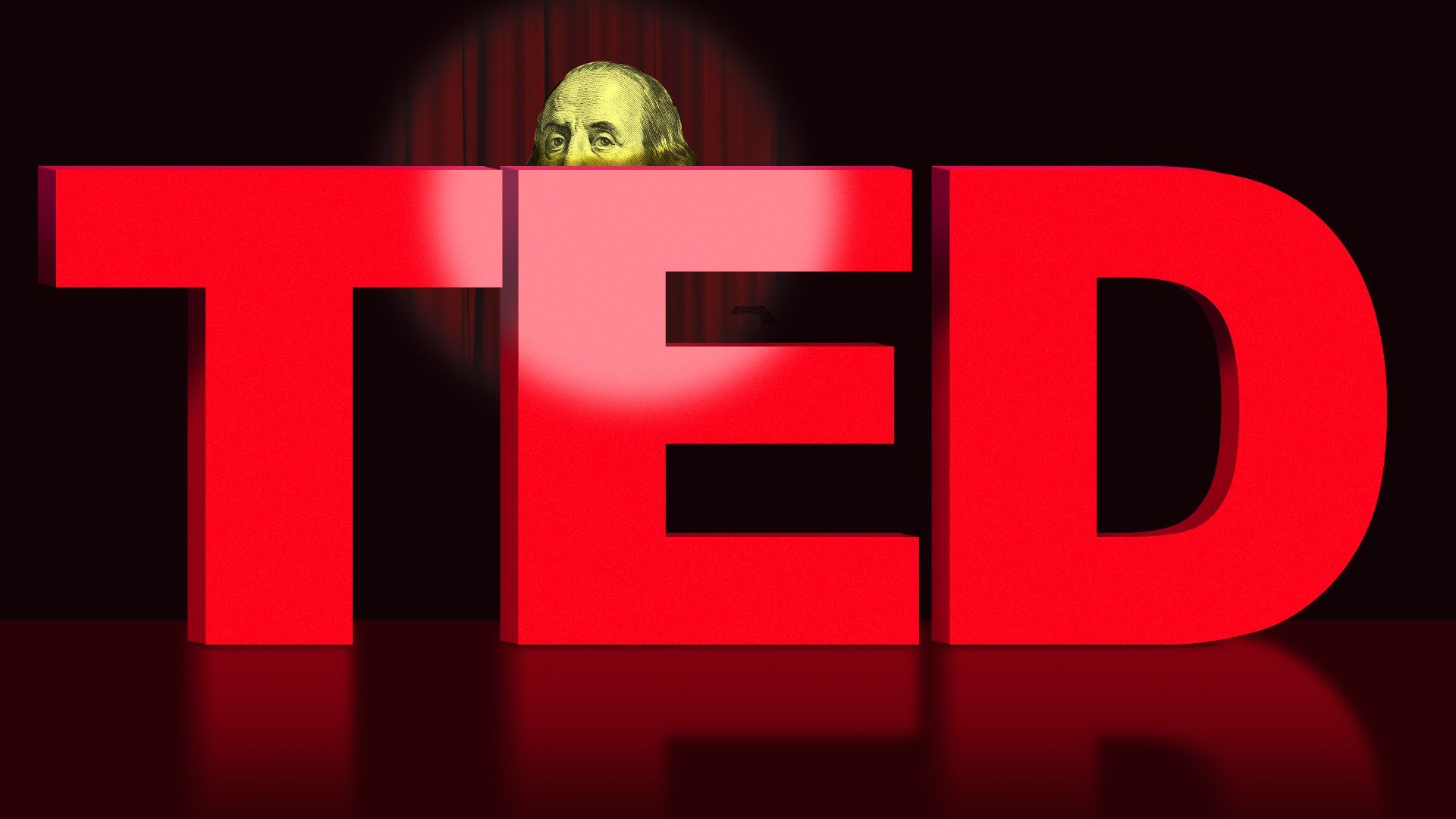
AI is leaping over the borders of tech and business and making waves across culture, from art and poetry to medicine and parenting, as this week's TED conference in Vancouver, B.C., highlighted.
Why it matters: The technology is already reshaping our lives, even as critics warn that the underlying systems remain dangerously unreliable.
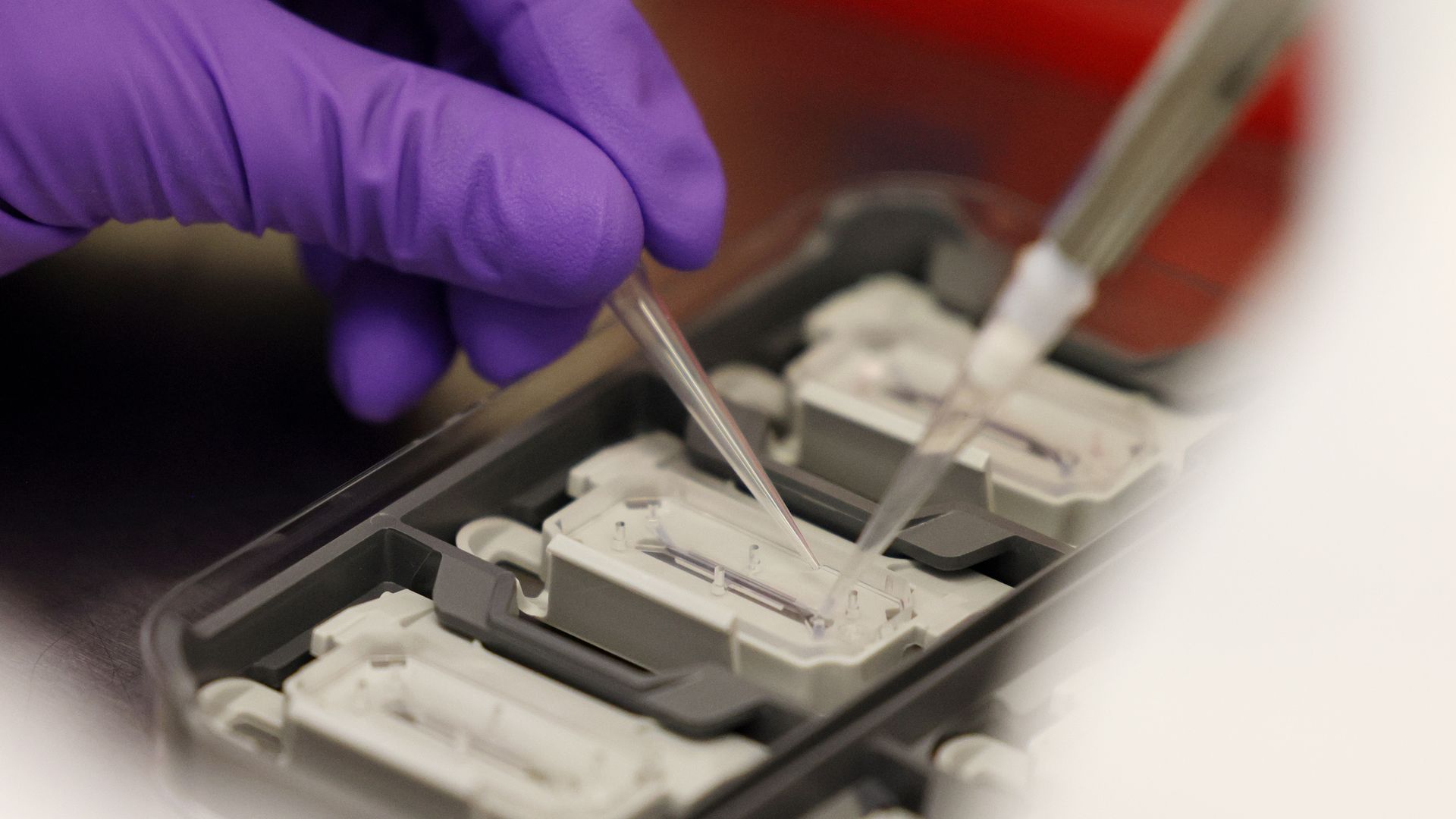
The Food and Drug Administration on Thursday said it would begin phasing out animal testing requirements for antibody therapies and other drugs and move toward AI-based models and other tools it deems "human-relevant."
Why it matters: The agency is trying to reaffirm its role as a leader in modern regulatory science amid DOGE-directed cuts that have rattled drug developers and investors and stoked concerns about timely product reviews.
The annual TED conference is designed to help business and cultural leaders think long-term, but that's proving tough this year with the global economy in turmoil.
State of play: TED talks are planned months in advance and tend to avoid the news of the day. But President Trump's tariff turnabouts have kept attendees' devices buzzing and flashing.
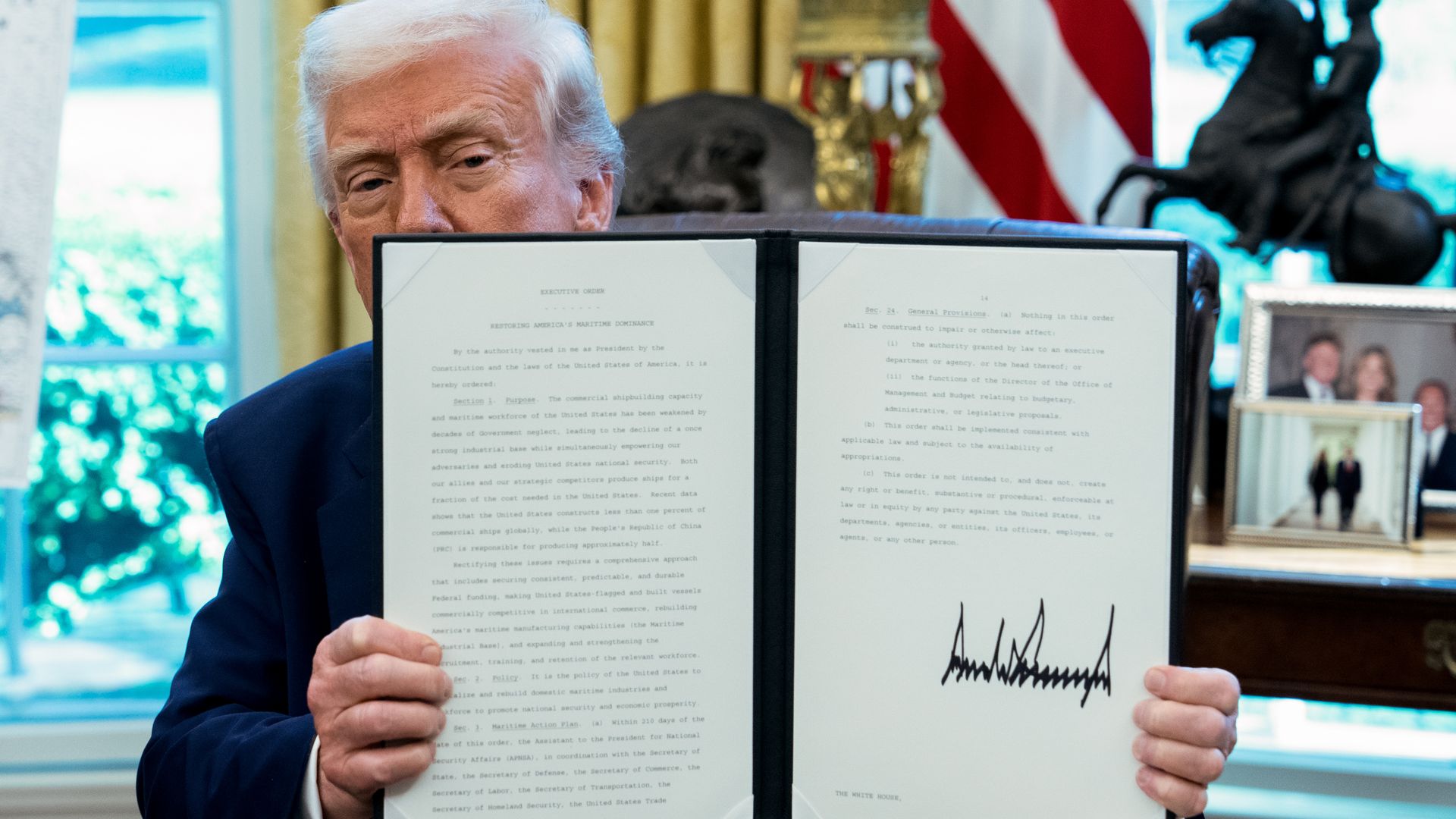
President Trump has revoked the security clearances belonging to former CISA leader Chris Krebs and ex-DHS official Miles Taylor and ordered investigations into the work they did while in public service.
Why it matters: The move is the latest in Trump's full-throttle attack on his perceived political enemies.
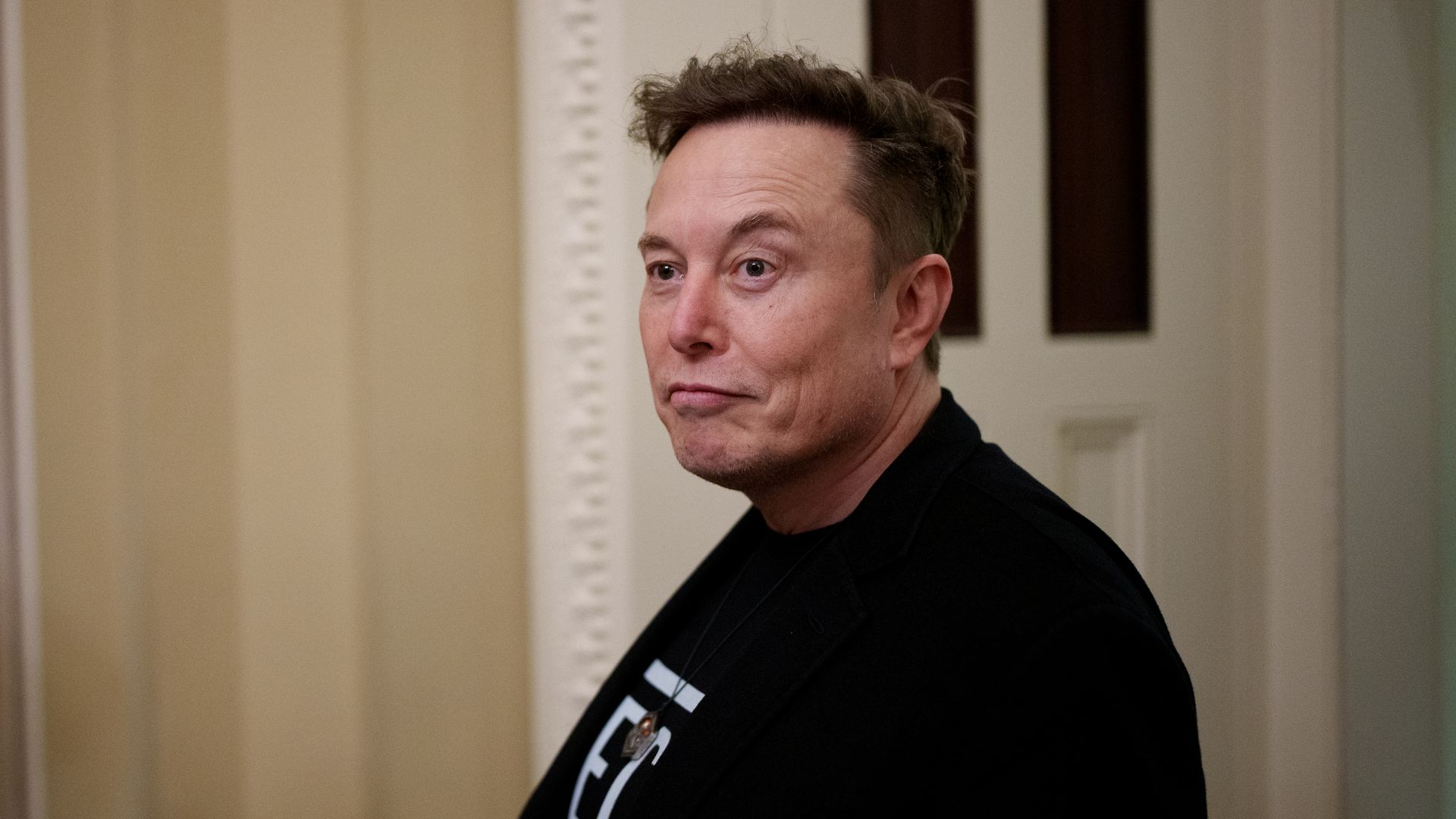
OpenAI countersued Elon Musk on Wednesday, arguing in its lawsuit that he "could not tolerate seeing" the company's success and that he sought to build a direct competitor "not for humanity" but for himself.
The big picture: It's the latest in a high profile legal battle pitting the AI revolution's standard-bearing company against the tech billionaire who helped found it.