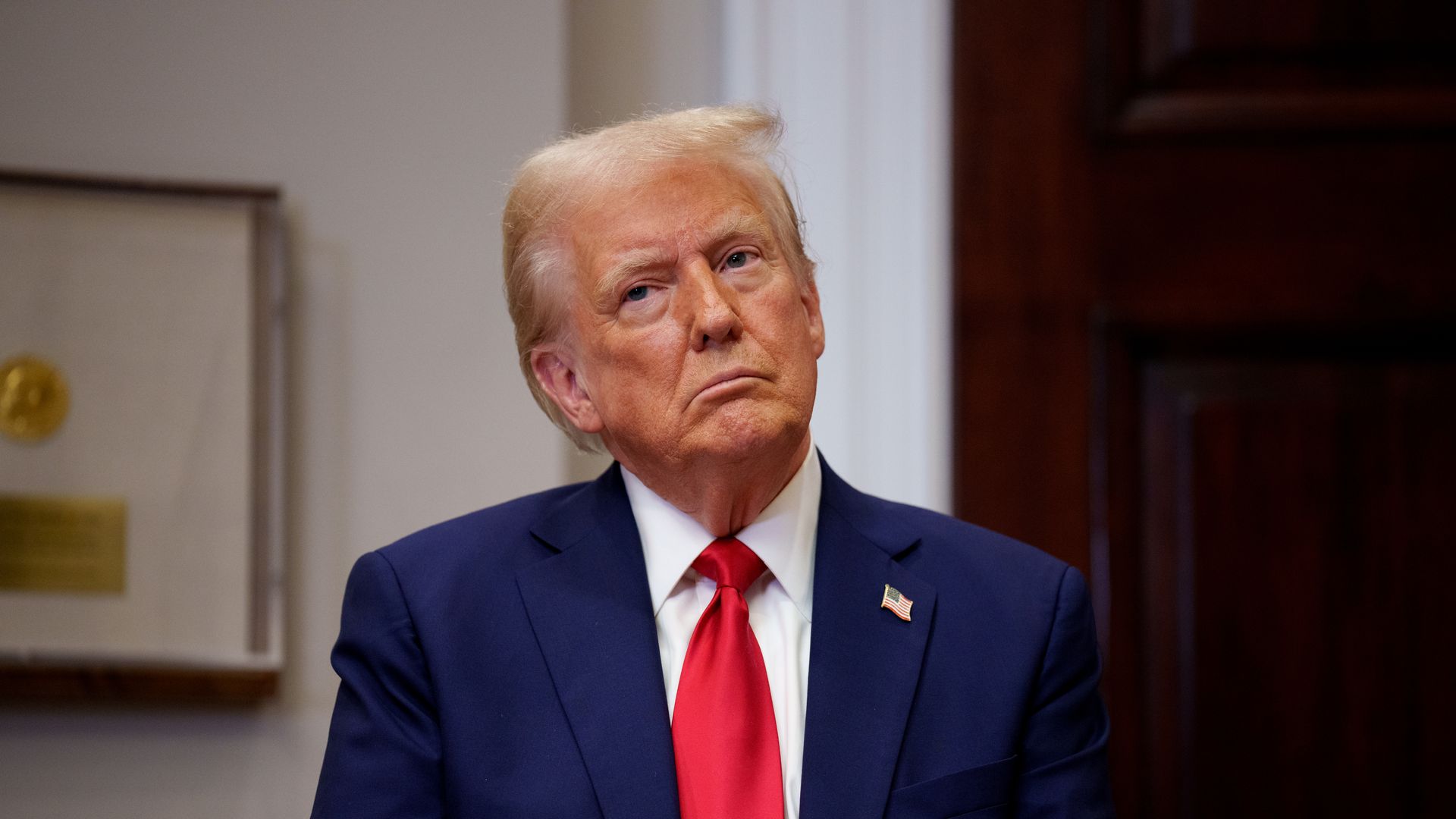
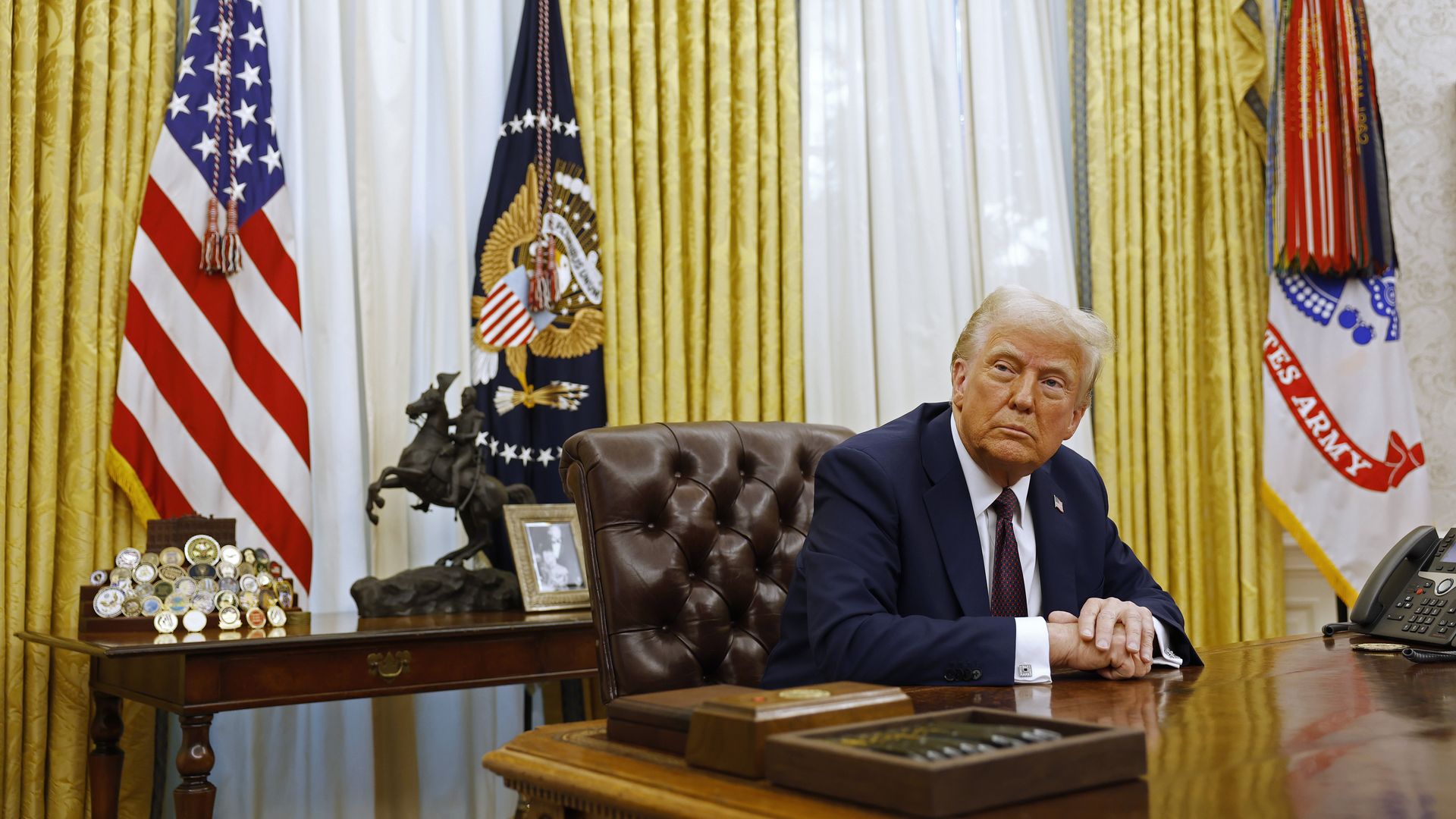
White House Press Secretary Karoline Leavitt said at her first press briefing that the National Security Council was "looking into" the potential security implications of AI breakthroughs from China's DeepSeek, which have rocked Silicon Valley and Wall Street this week.
Why it matters: DeepSeek's low-cost but highly advanced models have shaken the consensus that the U.S. had a strong lead in the AI race with China. Responding to a question from Axios' Mike Allen, Leavitt said President Trump saw this as a "wake-up call" for the U.S. AI industry, but remained confident "we'll restore American dominance."
The White House fired the three Democratic members of a top independent intelligence review board, according to a statement from the agency on Monday.
Why it matters: The firings leave the board with just one Republican member and without a quorum as it prepares to advise Congress on an upcoming debate over whether to keep a controversial surveillance program intact.
The number of notices sent to people whose data was exposed or stolen in a data breach, leak or exposure quadrupled in 2024, according to data from the Identity Theft Resource Center released today.
Why it matters: Most of these exposures came from incidents at a small number of companies that started from basic cybersecurity issues, such as not turning on multifactor authentication or misconfiguring a third-party vendor's tool.
By the numbers: More than 1.7 billion notices were sent to people in 2024 that their data had been exposed in an incident, according to the report.
Yet the total number of data compromises remained about flat year over year, with the center tracking 3,158 incidents last year.
"It's impossible to know how many individuals are actually represented in that billion-plus notice count — but back-of-the-envelope math tells us that's an average of six alerts for every adult in the country," James E. Lee, the center's president, writes in the report.
Zoom in: Breaches at Ticketmaster, Advance Auto Parts and UnitedHealth's Change Healthcare impacted the most people, according to the report.
560 million people had their data stolen from the Ticketmaster breach alone, which was part of a run of incidents where hackers exploited Snowflake customers who didn't have multifactor authentication turned on.
A ransomware attack on Change Healthcare, which affected 190 million people, started after hackers found one server that also didn't have multifactor authentication.
The bottom line: Hackers still don't have to do much to make off with a plethora of sensitive U.S. data.
Silicon Valley's overnight obsession with DeepSeek has renewed questions about whether it's safe for U.S. companies to even interact with China-linked technology.
Why it matters: Security concerns alone are enough for the biggest U.S. companies to pump the brakes on using DeepSeek's models right now.
President Trump yesterday said that Microsoft is among those in talks to acquire TikTok, or at least enough of TikTok that it would be allowed to continue operating in the U.S.
Why it matters: This new divestiture dance is beginning to feel like an imitation of what we saw five years ago.
Silicon Valley's overnight obsession with DeepSeek has renewed questions about whether it's safe for U.S. companies to even interact with China-linked technology.
Why it matters: Security concerns alone are enough for the biggest U.S. companies to pump the brakes on using DeepSeek's models right now.
Prompt Security CEO Itamar Golan told Axios that his U.S. customers, many of which are Fortune 500 companies, have been writing in recent days to find out how to keep their proprietary data safe from DeepSeek.
But corporate anxieties won't stop employees from downloading the app on their own to explore its usefulness — just look at how corporate ChatGPT bans have gone.
The number of notices sent to people whose data was exposed or stolen in a data breach, leak or exposure quadrupled in 2024, according to data from the Identity Theft Resource Center released today.
Why it matters: Most of these exposures came from incidents at a small number of companies that started from basic cybersecurity issues, such as not turning on multifactor authentication or misconfiguring a third-party vendor's tool.
🫡 Kristi Noem was officially sworn in as homeland security secretary over the weekend. (Fox News)
💰 Immigration and Customs Enforcement and the Citizenship and Immigration Services have spent $7.8 billion since 2020 on technologies to investigate immigration cases, including ankle monitors to track asylum seekers and databases filled with sensitive data like fingerprints. (New York Times)
🛑 The State Department's broad freeze on foreign aid also applies to projects at its cyber diplomacy bureau. (The Record)
@ Industry
👨🏻⚖️ MGM Resorts agreed to pay $45 million to resolve a consolidated class-action lawsuit over data breaches in 2019 and 2023. (Wall Street Journal)
The sudden spotlight on Chinese AI startup DeepSeek, which claims greater efficiency than rivals, adds fresh chaos to gaming out data center power demand growth.
Why it matters: Energy firms ranging from small reactor startups to incumbent utilities to gas producers — and plenty in between — see data centers as a critical U.S. market.
The markets have started pricing in an AI future that's going to be cheaper and more accessible than they had previously assumed.
Why it matters: The less money that companies need to spend on the AI equivalent of picks and shovels — Nvidia chips and the electricity needed to power them — the more profitable they will be.
The first big casualty of the stock market's DeepSeek scare — aside from a few hundred billion dollars in frothy Nvidia valuation — is the AI industry's religion of scale.
State of play: Ever since the advent of ChatGPT two years ago, U.S. tech firms, led by OpenAI, have shared the belief that AI will keep improving as long as we keep throwing more chips, money, power and data at it.
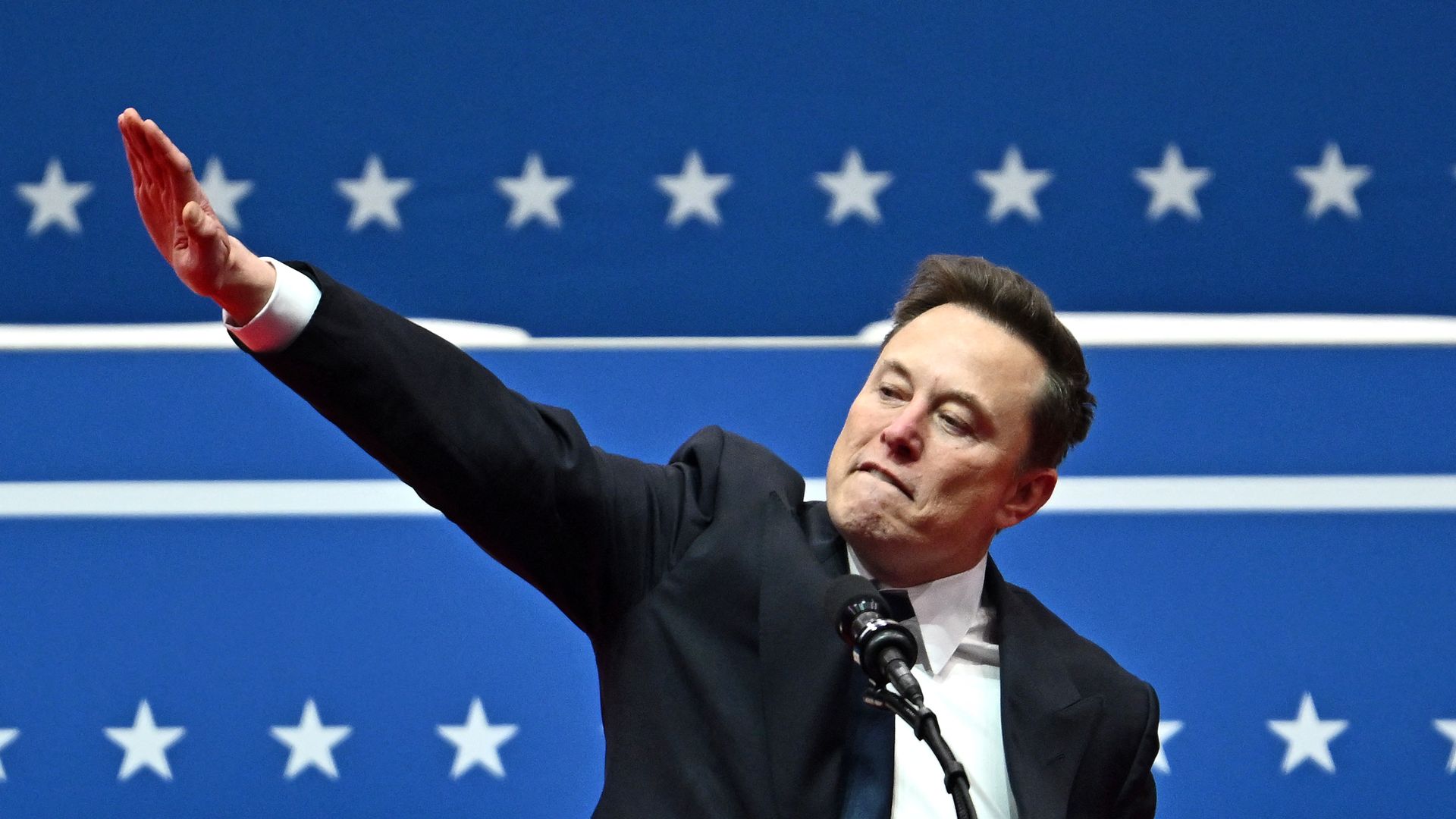
A coalition of U.S. and Canadian Jewish groups say they will leave X, the social media formerly known as Twitter, after seeing a rise in "toxic speech" on the platform and owner Elon Musk reposting antisemitic and xenophobic content.
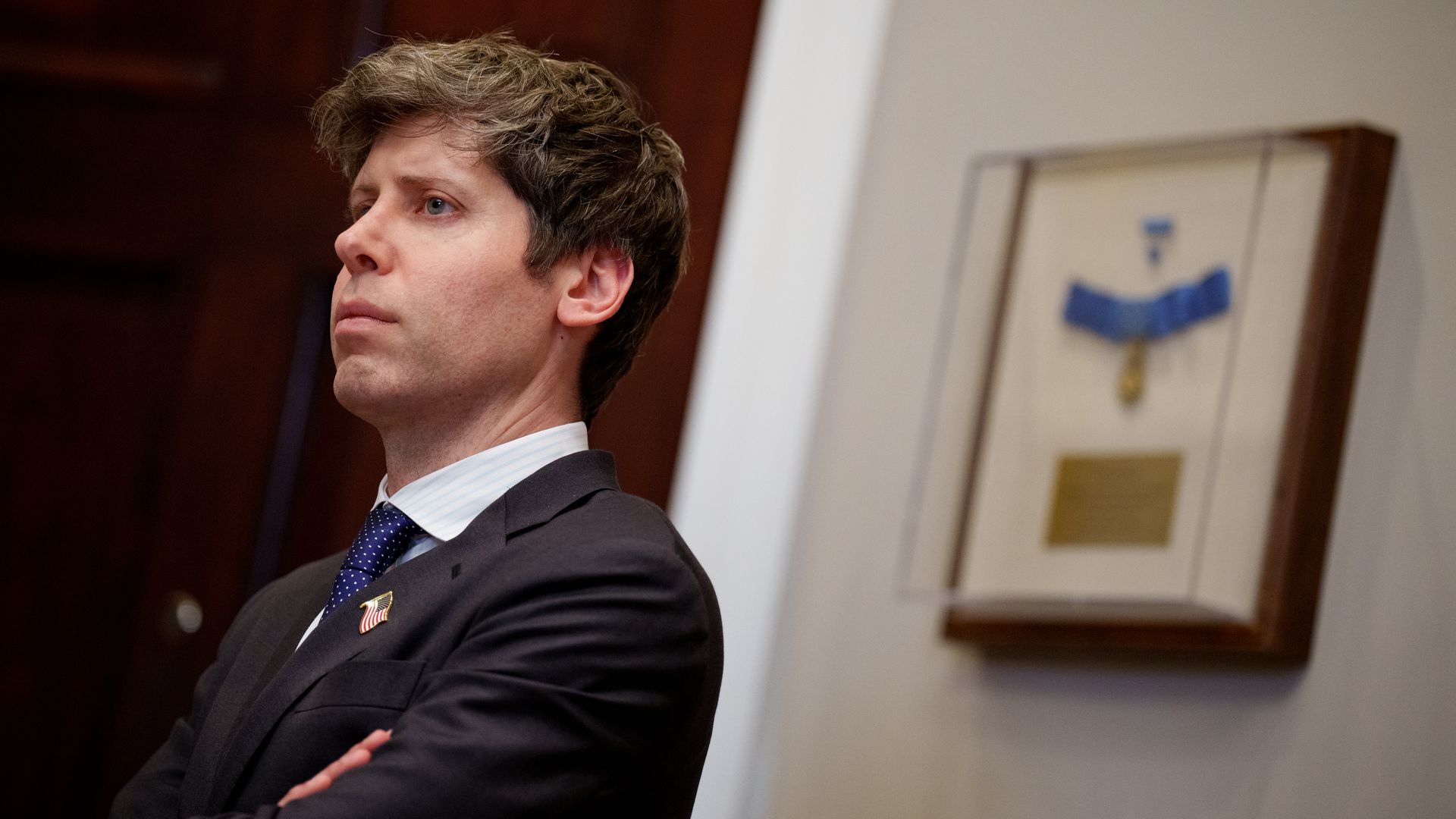
OpenAI CEO Sam Altman on Monday called Chinese AI startup DeepSeek's R1 an "impressive model" and pledged his company would "deliver much better models" in the future.
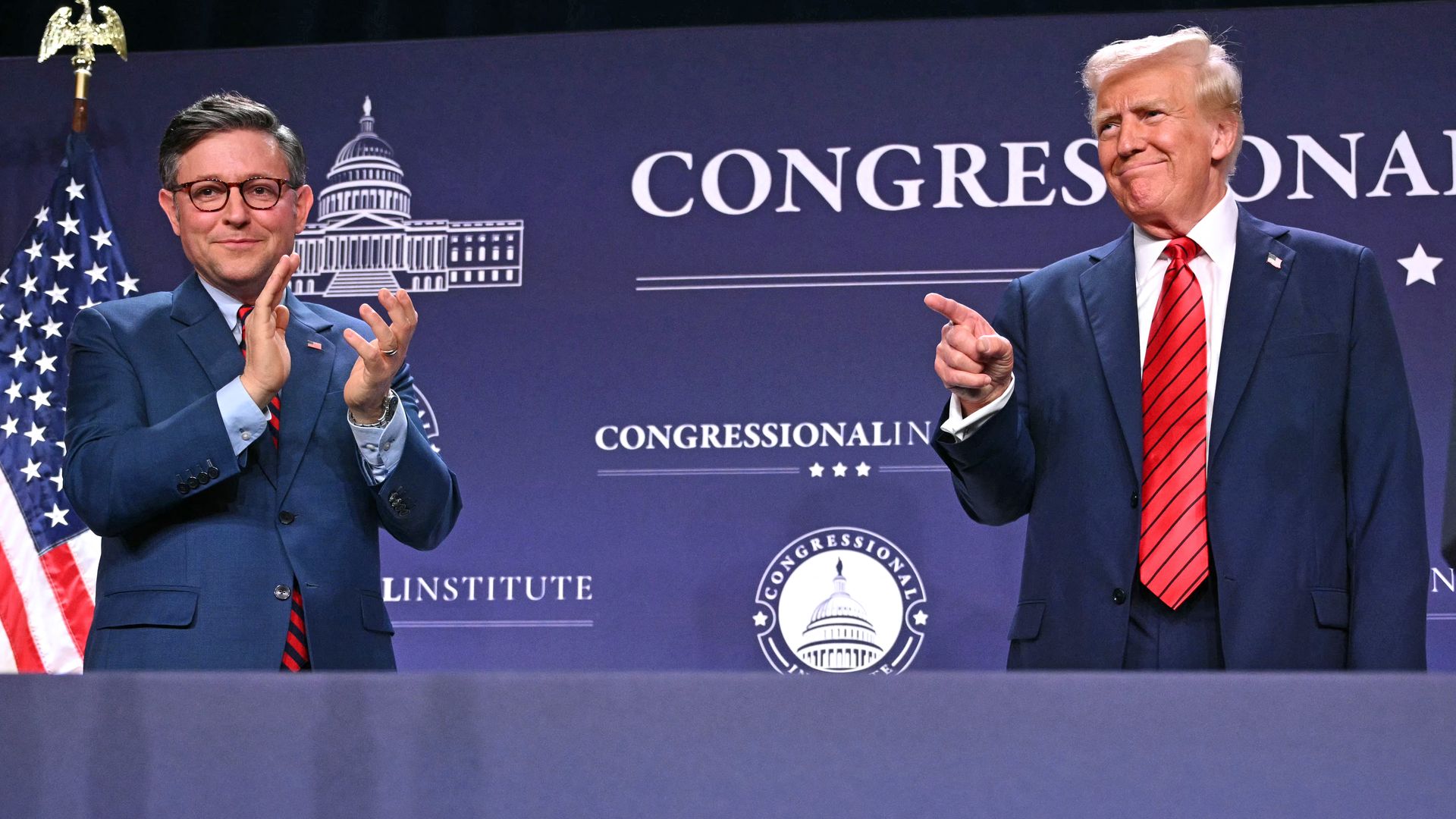
House Speaker Mike Johnson (R-La.) and President Trump appeared to take different stances Monday on China's artificial intelligence developments.
Why it matters: Interest in Chinese company DeepSeek's rapid advancements in AI sent U.S. tech stocks tumbling on Monday, as the mobile app climbed to no.1 on Apple's rankings of free iPhone apps.