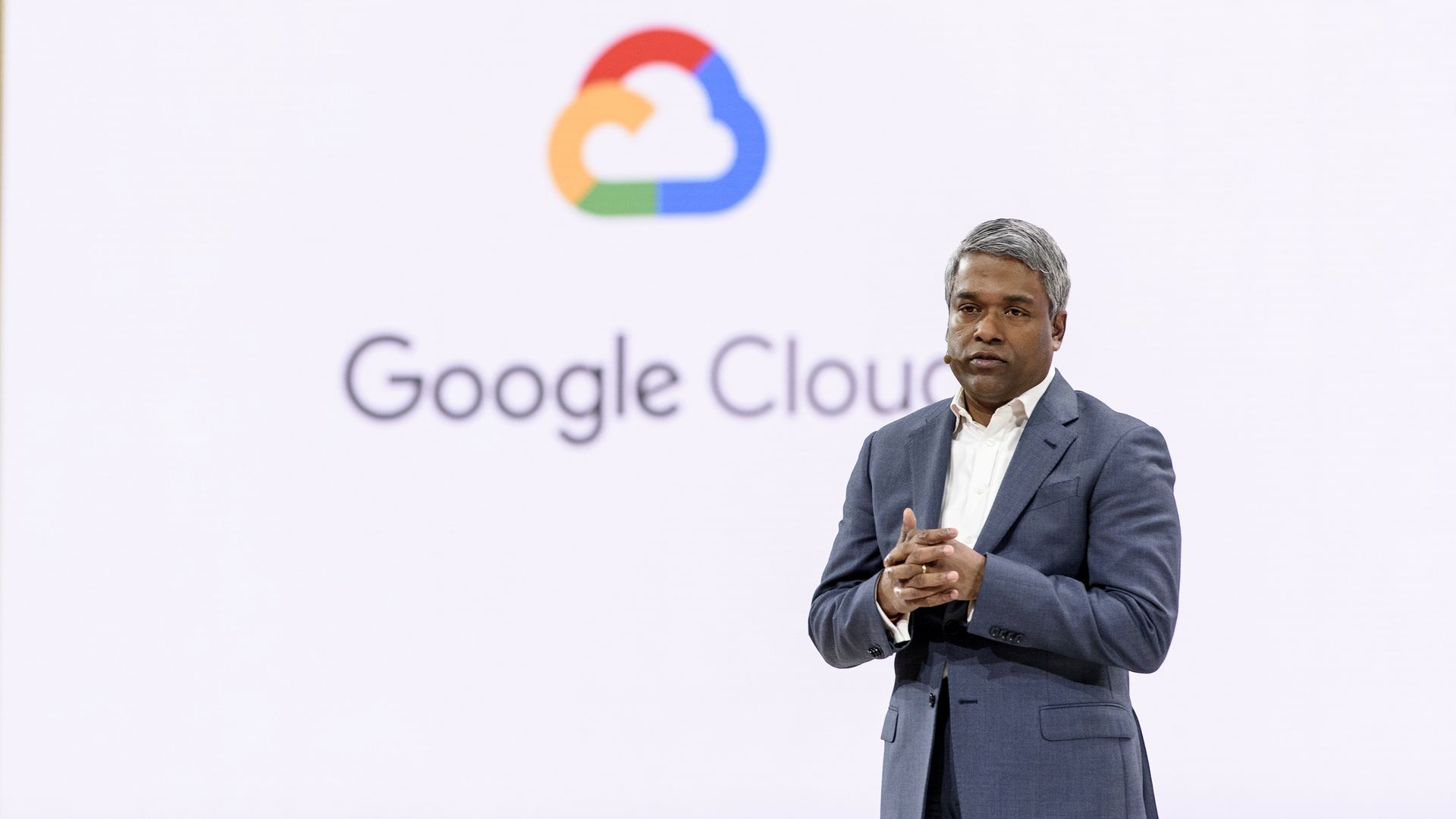
Google is expanding an effort to allow its cloud customers to ground their enterprise AI chatbots in real-world facts, including a new partnership with Moody's to use its financial data.
Why it matters: Generative AI will make up information, but grounding these systems in known factual data can significantly lessen hallucinations.
Time has struck a multiyear content licensing deal and strategic partnership with OpenAI, Axios has learned.
Why it matters: The deal with the Microsoft-backed parent of ChatGPT is part of a broader effort by Time to expand access to its content to younger and more diverse audiences globally.
Artificial intelligence is expanding in the heart of the U.S. oil patch, especially among larger firms.
Why it matters: AI's climate tech applications vs. its energy thirst gets lots of press, but new survey data underscores how AI helps incumbent industries too.
Recent conflicts between online publishers and AI search startup Perplexity are widening the fight to control and profit from information in the AI era.
The big picture: From disputes over the use of "publicly available" material to train AI models, the argument between information providers and AI companies is now shifting to the creation of summaries, "guide" pages and even verbatim copies of previously published material.
Scientists unveiled Tuesday a humanoid robot face they created from lab-grown, self-healing human skin.
Why it matters: The researchers from the University of Tokyo, Japan, hope the breakthrough could one day prove "useful in the cosmetics industry and to help train plastic surgeons," per a statement announcing the breakthrough.
A new Department of Homeland Security report calls out the double-edged potential of artificial intelligence to bolster and jeopardize U.S. biosecurity.
Why it matters: AI hype has penetrated almost every industry, including energy, health care, pharmaceuticals and defense, but major questions remain about its day-to-day utility and the risk calculus surrounding its use.
The battle for the EV future pits legacy automakers against swashbuckling (if cash-strapped) startups, but the new VW-Rivian tie-up suggests a third way forward.
Why it matters: As Axios' Nathan Bomey reports, VW's plan to invest up to $5 billion in Rivian is a major validation of Rivian's tech and an acknowledgment by VW that it's playing catchup in the global EV race.
The big picture: Proponents of the bill say AI is advancing at such a rapid pace that California shouldn't wait for Washington to establish protections for the public. Opponents maintain that the rules will stifle AI innovation.