Innovations in AI are already changing how the world gets designed and made, and the impact is only expected to increase.
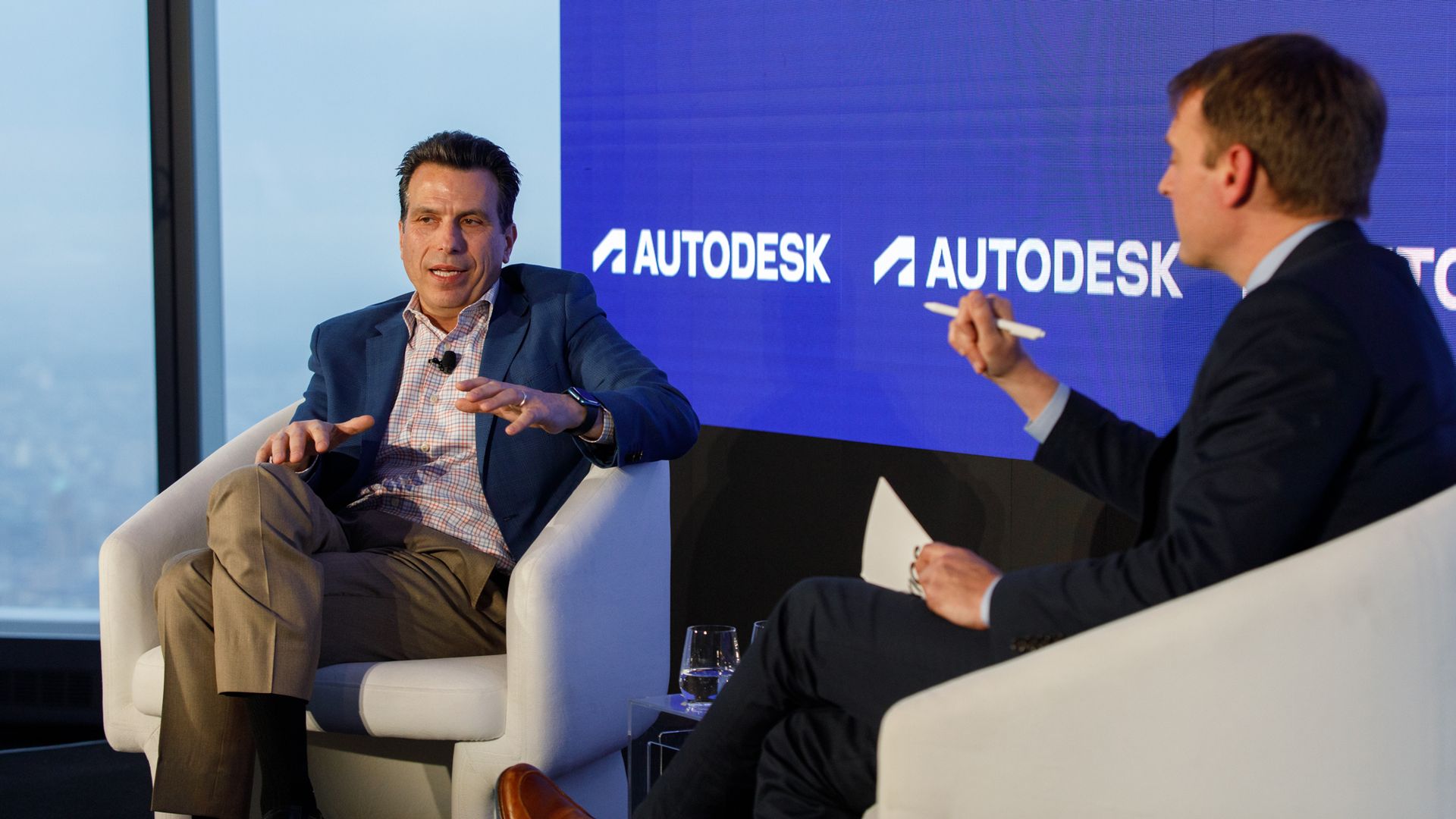
On April 10, Andrew Anagnost, president and CEO of Autodesk, a leading Design and Make technology company, explored the effects AI will have on Design and Make industries and the nearly 300 million people who work across them.
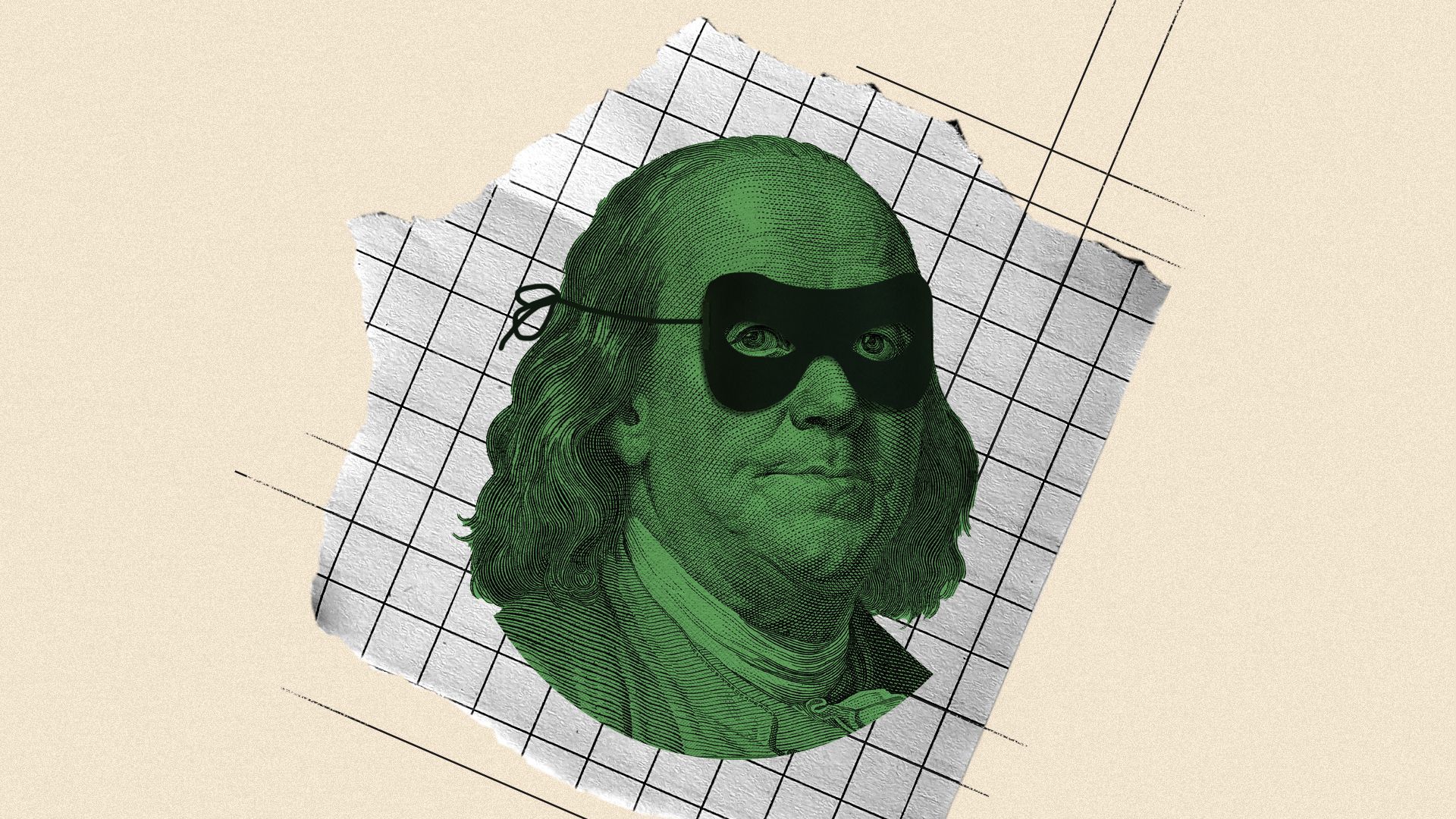
Manish Lachwani is co-founderand former CEO of mobile app-testing company HeadSpin, which once was valued at more than $1 billion by venture capitalists. He's also about to become a federal inmate.
Why it matters: This is a stark reminder that "fake it 'till you make it" cannot include providing false information to investors, even if those investors are later made whole.
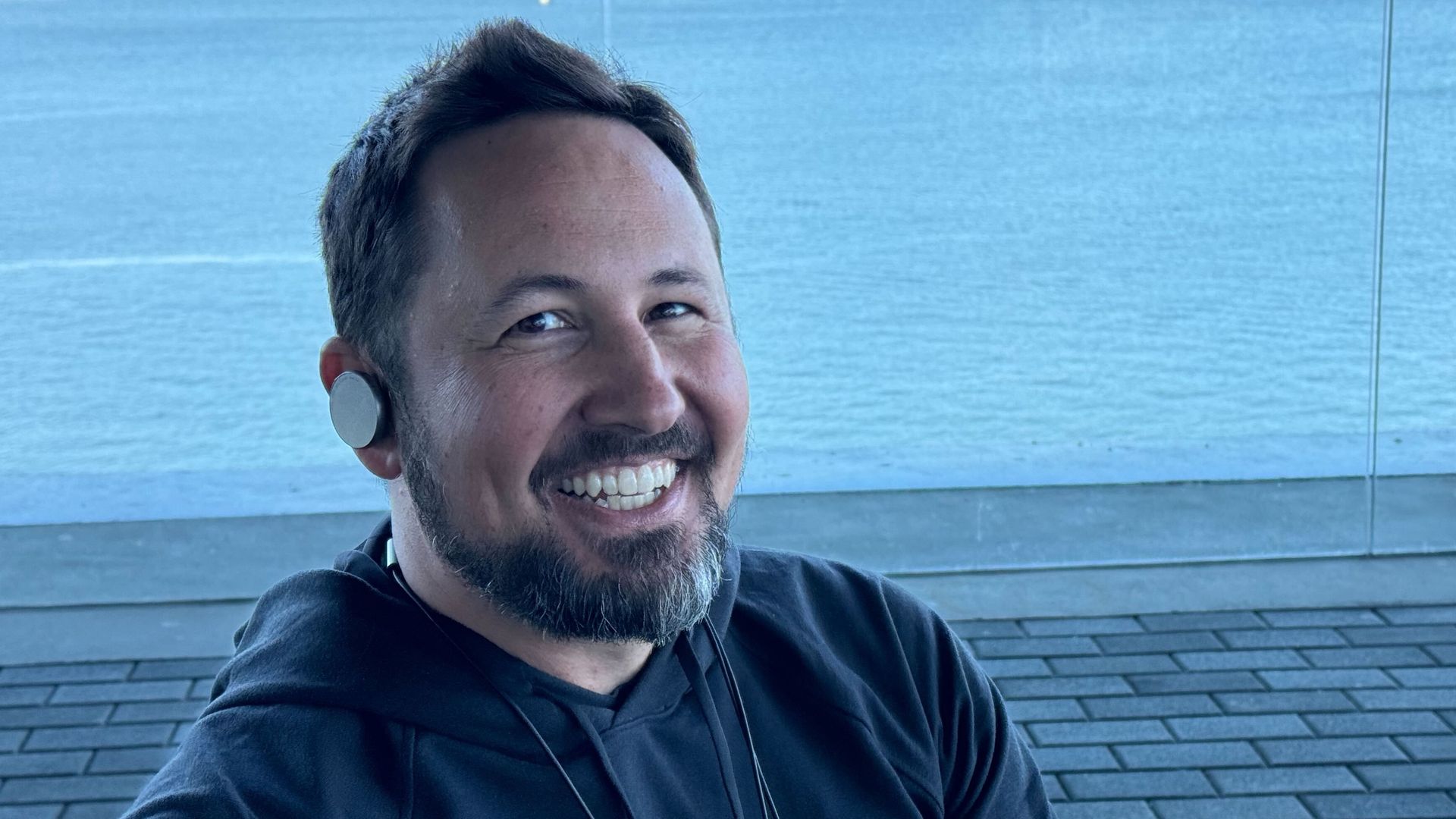
In debuting a new wearable computer at the TED conference last week, Iyo CEO Jason Rugolo aims to follow in the footsteps of Humane's AI Pin while avoiding that company's missteps.
Why it matters: Many expect the AI era to inspire new types of hardware products, but there's little agreement what form they will take.
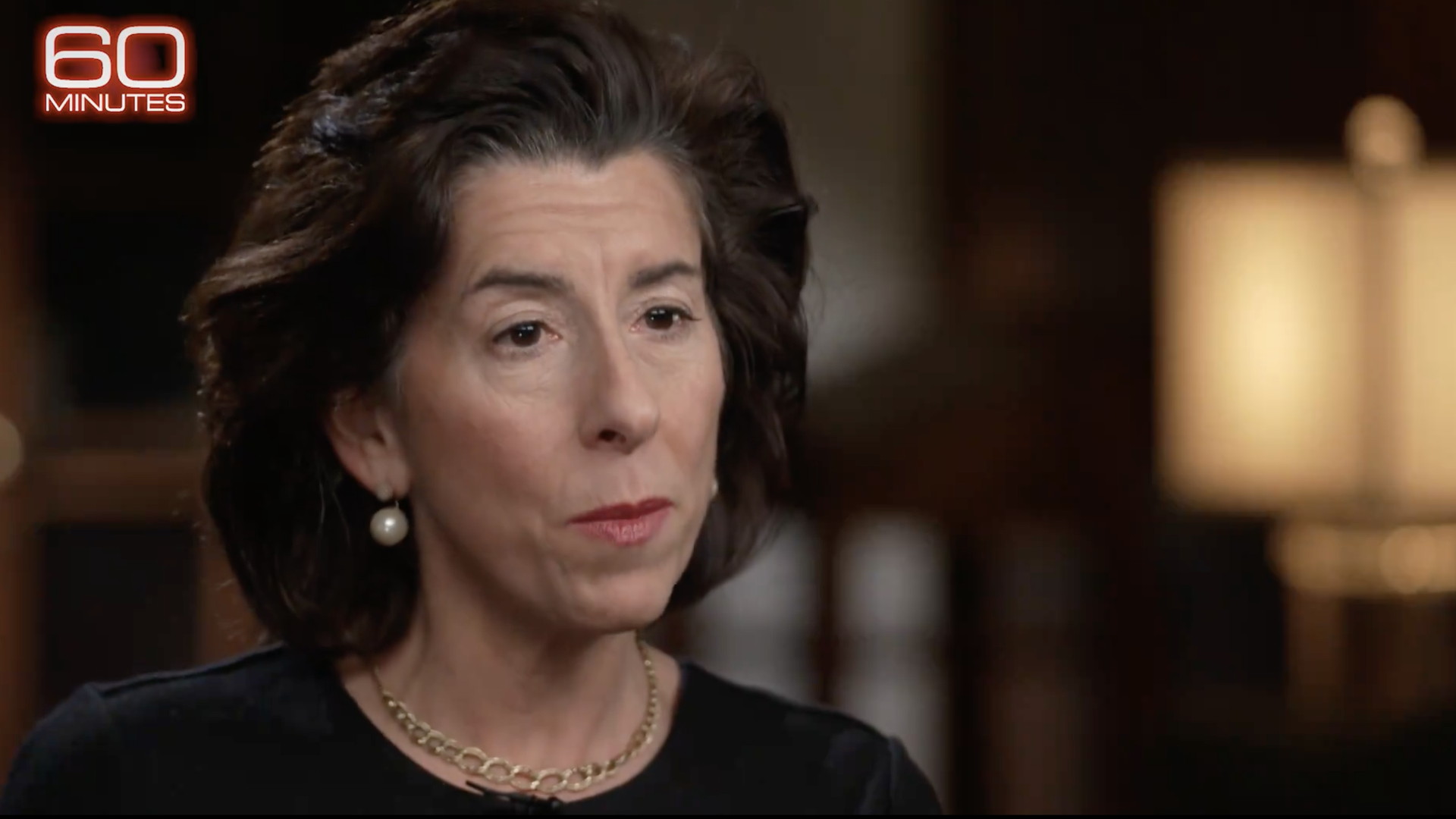
Commerce Secretary Gina Raimondo said in an interview airing Sunday she's focused on preventing the governments of China and Russia from obtaining U.S.-designed advanced microchips due to national security concerns.
The big picture: "If you think about national security today in 2024, it's not just tanks and missiles; it's technology. It's semiconductors. It's AI. It's drones," she told CBS' "60 Minutes." "And the Commerce Department is at the red-hot center of technology."
Congress' likely passage of a law forcing TikTok's Chinese owner to sell its U.S. operations will close one lengthy chapter of the "Washington vs. TikTok" epic — and open a new one that could be equally drawn-out.
What's next: TikTok won't simply vanish from its millions of users' devices the moment the ban becomes law. Its fight to remain in the U.S. under ByteDance ownership will now shift from Congress and regulatory agencies to the courts.






/2024/04/19/1713553647273.gif?w=3840)