The hackers behind devastating ransomware attacks are often just ego-driven, short-tempered coders who are willing to scam everyone, including each other, experts tell Axios.
Why it matters: Organizations facing a ransomware attack tend to believe they're up against organized criminal masterminds.
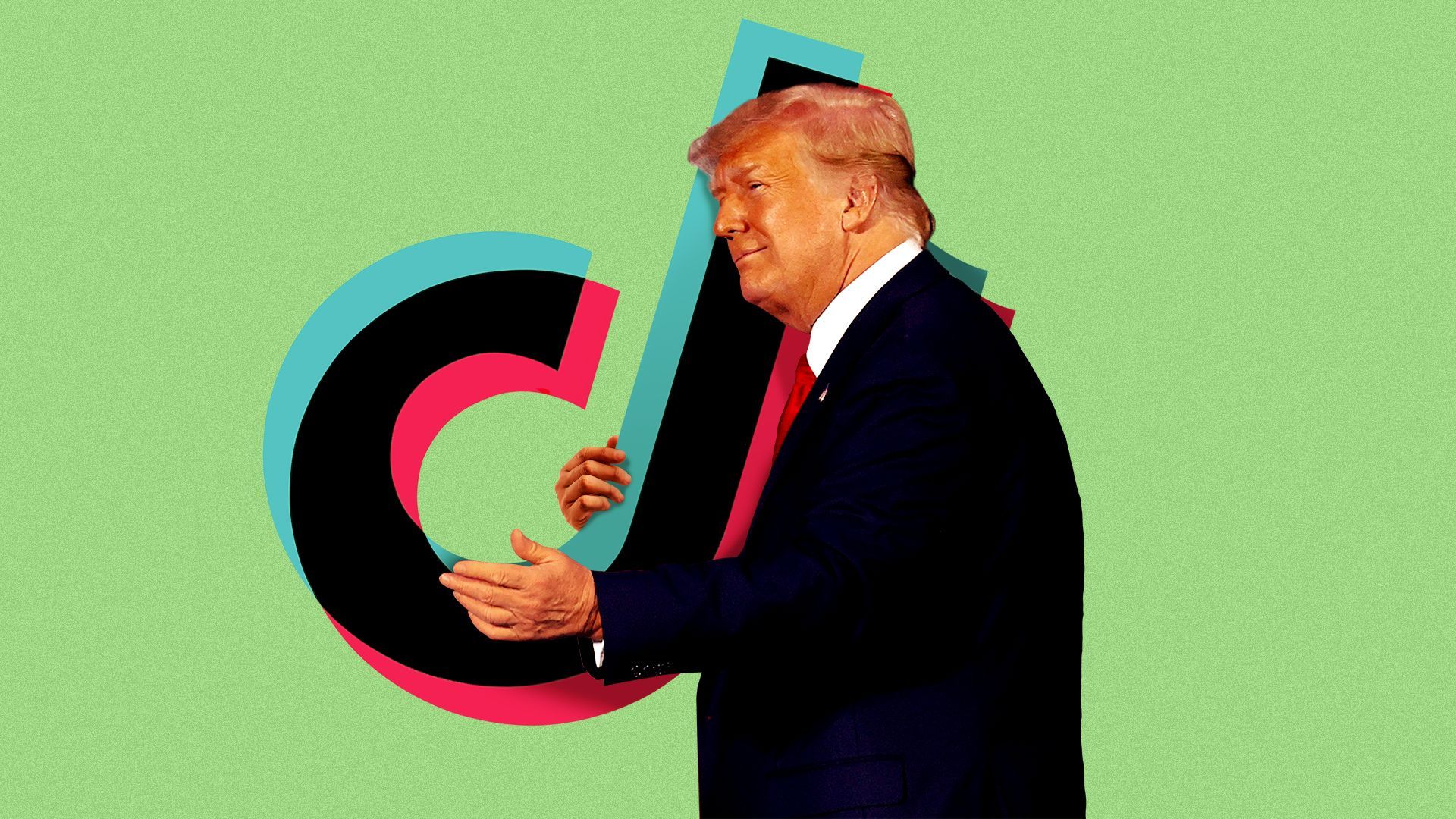
Former President Trump stunned Republican China hawks this week when he appeared to argue against banning TikTok, the juggernaut video app owned by Beijing-based Bytedance and beloved by young Americans.
Why it matters: Trump spearheaded the original U.S. threat to ban TikTok over national security concerns. Four years later, President Biden and Congress have picked up the mantle — with a bipartisan bill targeting Bytedance set to hit the House floor next week.
OpenAI on Friday announced CEO Sam Altman would be returning to the company's board, along with three new outside board members. The moves come as OpenAI wraps an external investigation into the events that led to his brief ouster last year.
Why it matters: The company has been looking to move past its dramatic leadership crisis of last November.
Put the pencil sharpeners away. The SAT is going digital starting Saturday.
Why it matters: Standardized testing is already losing relevance for college admissions. These changes make the most popular entrance exam shorter, easier to administer and offer more flexibility for students who opt to take it.
The U.S. government, academic research and official review panels have not confirmed sightings of unidentified anomalous phenomena (UAP), the Defense Department said in areport unclassified on Friday.
Why it matters: UAPs, or UFOs, have been on Congress' radar with national security and transparency at the center of the bipartisan conversation.
Microsoft said Friday the Russian nation-state hackers who breached some of its executives' emails late last year are continuing to target its networks and go after its source code.
Why it matters: Microsoft currently has the highest market cap of any company in the world, and the continuing attacks could give Russian spies critical information about its customers, corporate secrets and ongoing projects.
Tech firms pushing to deploy AI fast are facing mounting pushback from whistleblowers who say that generative AI products aren't ready or safe for broad distribution.
Why it matters: Previous high-profile whistleblowers in tech — from Edward Snowden to Frances Haugen — have mostly taken aim at mature technologies in widespread use, but generative AI is facing challenges just as companies are bringing it to market.
Former President Trump came out in support of TikTok in the face of congressional legislation pushing for Chinese divestment from the app in a Thursday night post that also attacked Facebook.



/2024/03/08/1709920562622.gif?w=3840)