If playing a video game, as it's been said, involves making a series of interesting decisions, Nintendo's newest game, Super Mario Bros. Wonder, offers players the most interesting set of decisions ever presented in the company's flagship series.
Why it matters: Wonder, set for release on Friday, is the first big new Mario game in six years and the first since the release of April's theatrical blockbuster, The Super Mario Bros. Movie.
Creators have begun using generative AI tools like ChatGPT and Midjourney to create videos of the dead, even in cases where they never gave consent.
Why it matters: Surviving relatives and fans could find solace in AI recreations of their loved ones, but the practice also raises a host of privacy and consent issues.
X announced Tuesday that it will begin testing a subscription method that includes a $1 annual fee for new users.
Driving the news: New users in New Zealand and the Philippines will have to pay the fee in order to post content, like posts, reply, repost or quote other accounts' posts, per a post on the platform formerly known as Twitter.
The nation's cyber defense agency unveiled a highly anticipated update to its secure-by-design principles that provides more clarity on how to actually implement them.
Why it matters: The Cybersecurity and Infrastructure Security Agency has spent most of the year pushing a new set of secure-by-design principles to get software manufacturers to build better cybersecurity into their products.
Cisco warned Monday that hackers are actively exploiting a previously unknown security flaw in software found on a range of routers and similar network products.
Why it matters: If exploited, the security flaw could allow hackers to create an account on an affected system and gain high-level permissions, according to a recent advisory.
The war between Israel and Hamas is reminding governments just how difficult it is to control politically motivated hacking groups.
Why it matters: Politically motivated hackers (also known as hacktivists) often target state-backed organizations and groups in an effort to complicate war efforts.
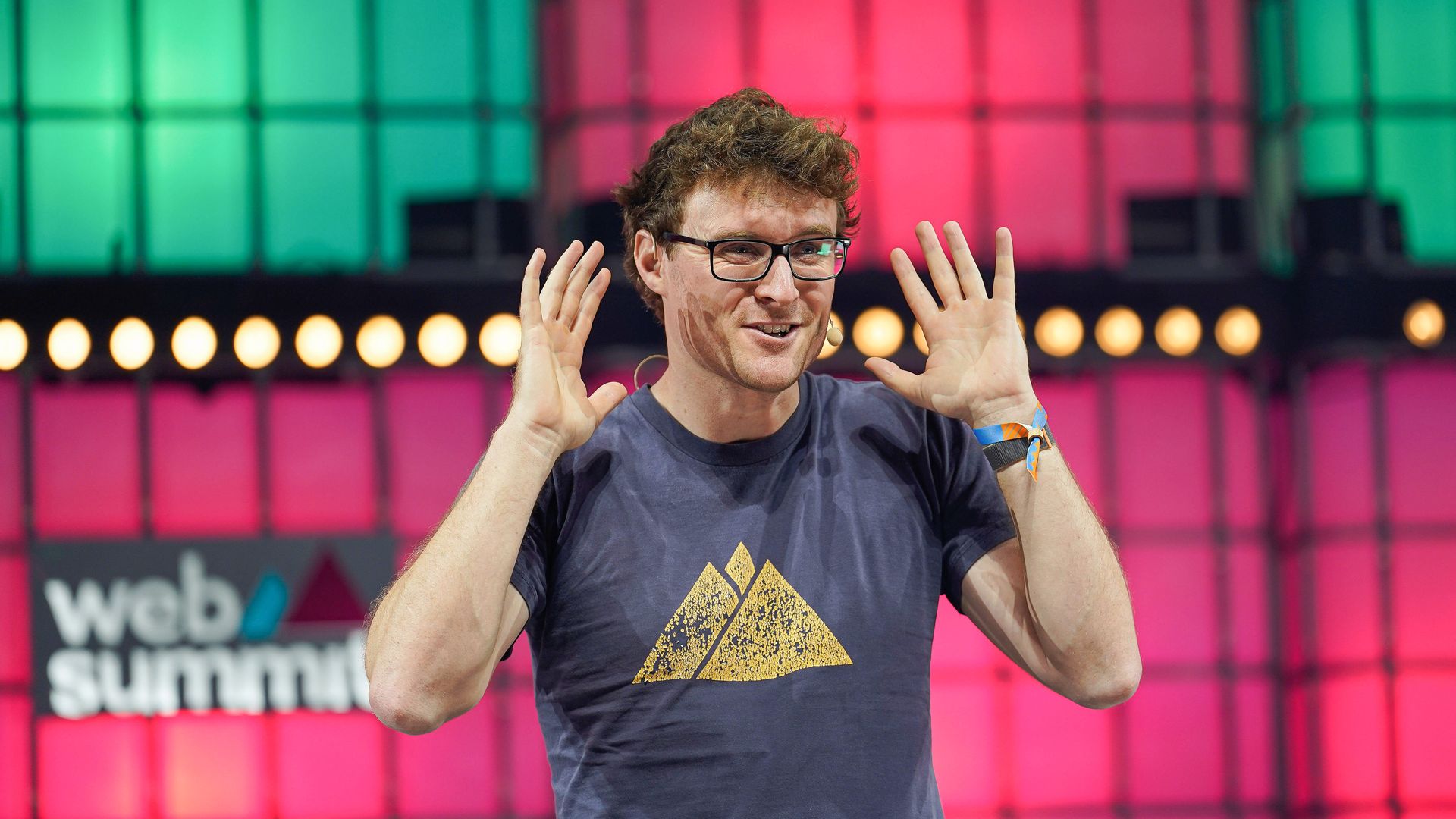
Major tech companies are weighing their involvement in Europe's biggest tech conference after Web Summit's co-founder suggested Israel was guilty of war crimes in its response to Hamas' terrorist attacks.
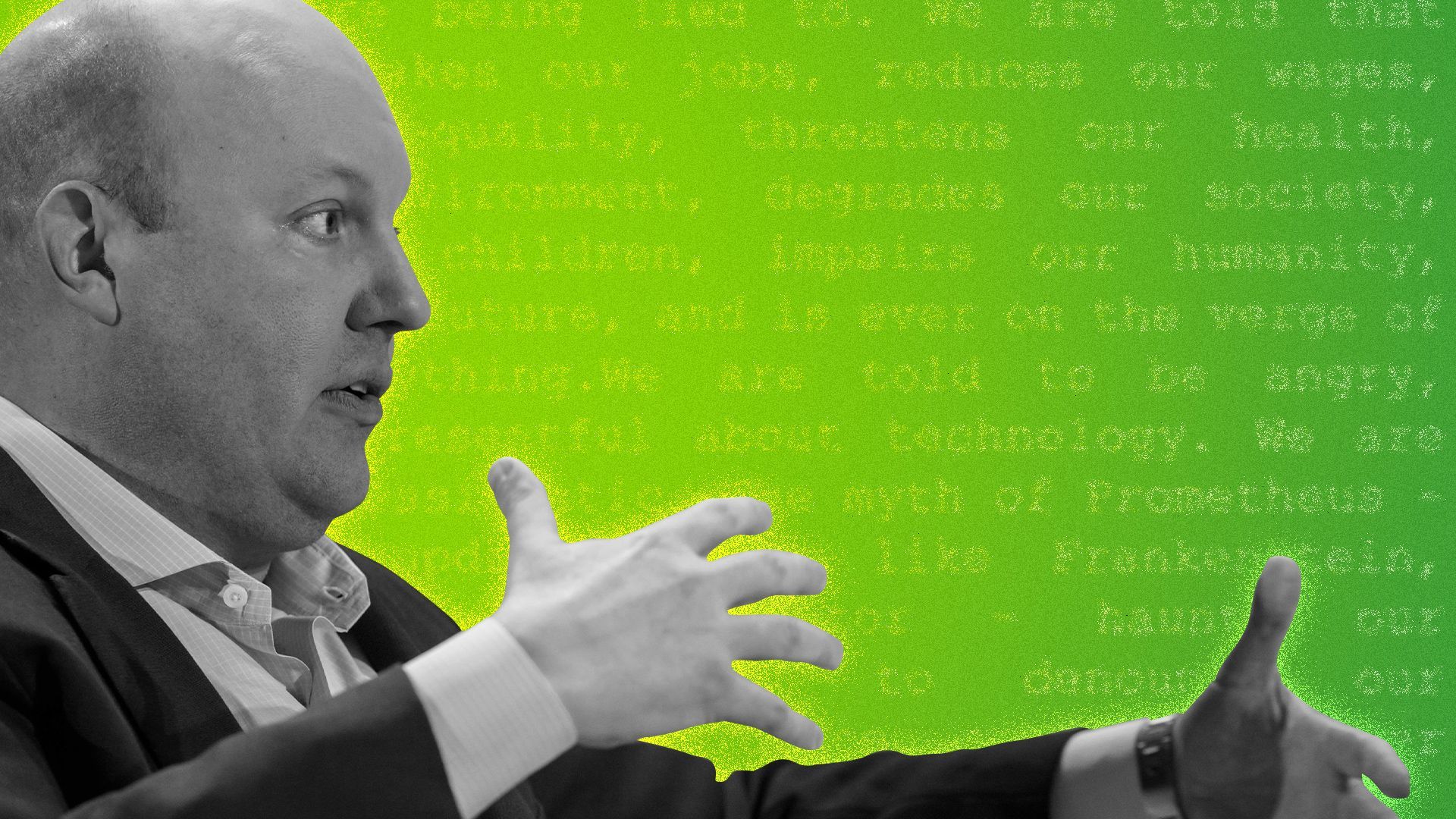
Marc Andreessen is an iconic and iconoclastic technologist, investor and thinker.
The big picture: What he says about the future matters, such as his seminal 2011 argument that software was eating the world. It also matters when Andreessen jumps the shark, as he did yesterday near the end of his 5,221-word "Techno-Optimist Manifesto."
Marc Andreessen — browser developer turned blogger turned billionaire venture capitalist — posted a "Techno-Optimist Manifesto" Monday that denounces efforts to regulate technology in bolder, brasher strokes than Silicon Valley has heard for years.
The big picture: After a decade in which his industry has been widely held responsible for rising inequality, reckless "disruption" and rampant misinformation, Andreessen praises tech as "the engine of perpetual material creation, growth, and abundance."