Tech companies are confronting a challenge: how to balance asking users for more data in order to deliver new AI features without scaring away privacy-conscious businesses and consumers.
Why it matters: Consumersconsistently tell pollsters they want transparency about when AI is used and trained. But when companies provide such detail, it's often written in legalese and buried in fine printthat is often being rewritten to give tech companies more rights.
Artificial intelligence allows professionals to work smarter and faster, which poses a serious threat to businesses that make money by billing for time.
Why it matters: Currently, most public relations agencies, consulting firms and other professional services like law and accounting generate revenue based on how much time they put in, not what they deliver.
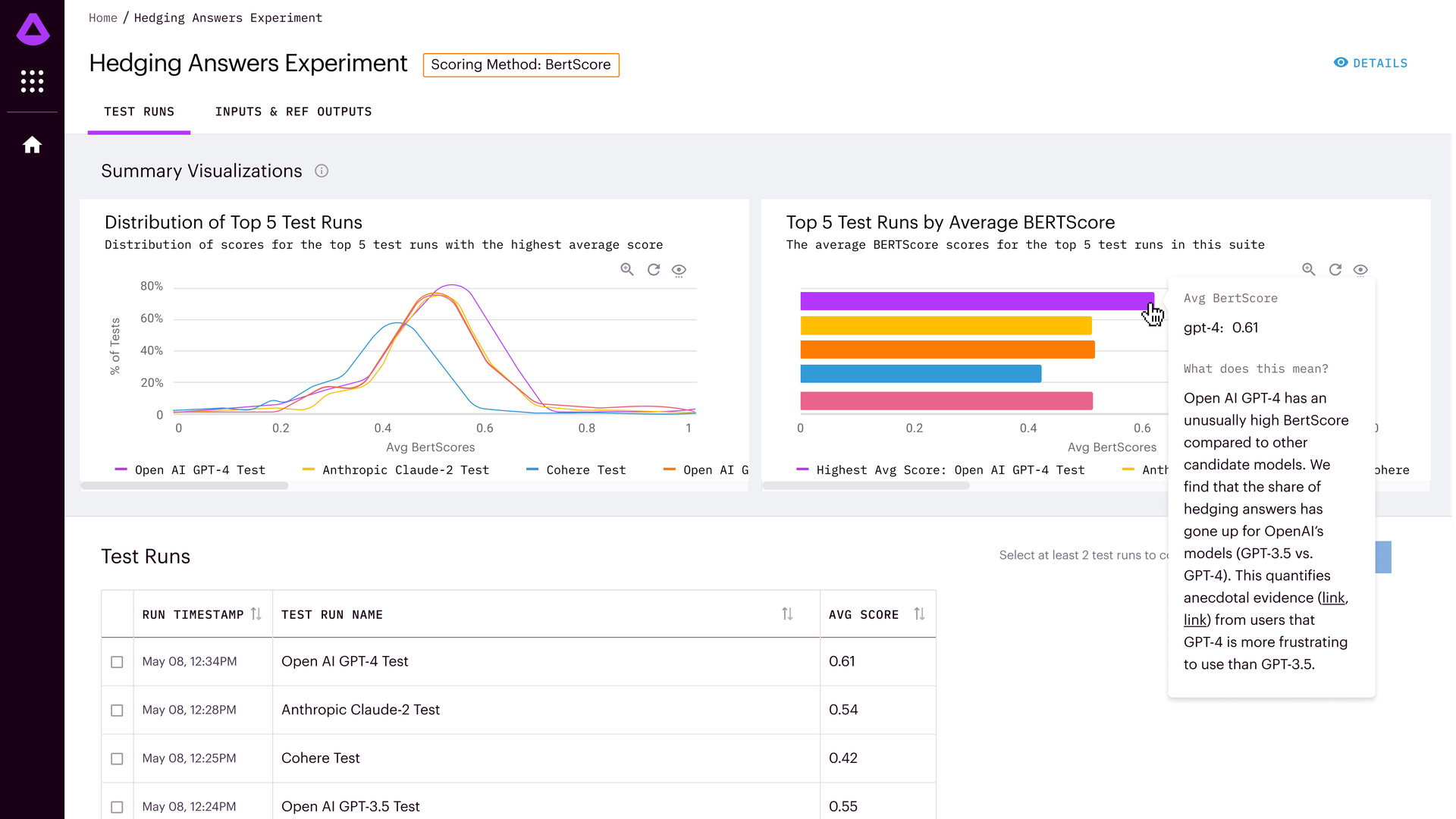
OpenAI remains the leader in generative AI, but its rivals have narrowed the gap and may be a better option for certain uses, a new AI assessment tool has found. The open-source testing platform released Thursday by startup Arthur aims to help businesses figure out which large language model is best suited to their needs.
Why it matters: Given the types of results produced by generative AI — and the fact that answers can differ over time — it is often hard to quantify or even decide which generative system is best for a particular task. Arthur's tool appears among the first to make such recommendations
Family members of victims and survivors of the 2022 mass shooting in Buffalo, New York, announced Wednesday that they have filed two lawsuits against YouTube, Reddit and several gun-related companies.
State of play: Authorities said the mass shooting at Tops supermarket in a predominantly Black neighborhood was a racially motivated hate crime and a state report found the shooter was "radicalized" online — both points the lawsuits note, as they accuse the defendants of helping enable the white gunman to kill 10 Black people.





/2023/08/16/1692152489087.gif?w=3840)