Members of six U.S. armed forces are competing in a Halo Infinite tournament in San Antonio this weekend in a novel and federally sanctioned esports event.
Why it matters: It’s the brainchild of an Air Force captain, Oliver Parsons, who believes gaming can help morale and assist members of the military who might be struggling mentally or socially.
Nintendo game designers struggled for years to make a Nintendo Switch sequel to the company’s best-selling game of all time, 2006’s Wii Sports, before finally releasing one in April.
Why it matters: Game design is a tough process, even on a project that seems like the ultimate no-brainer.
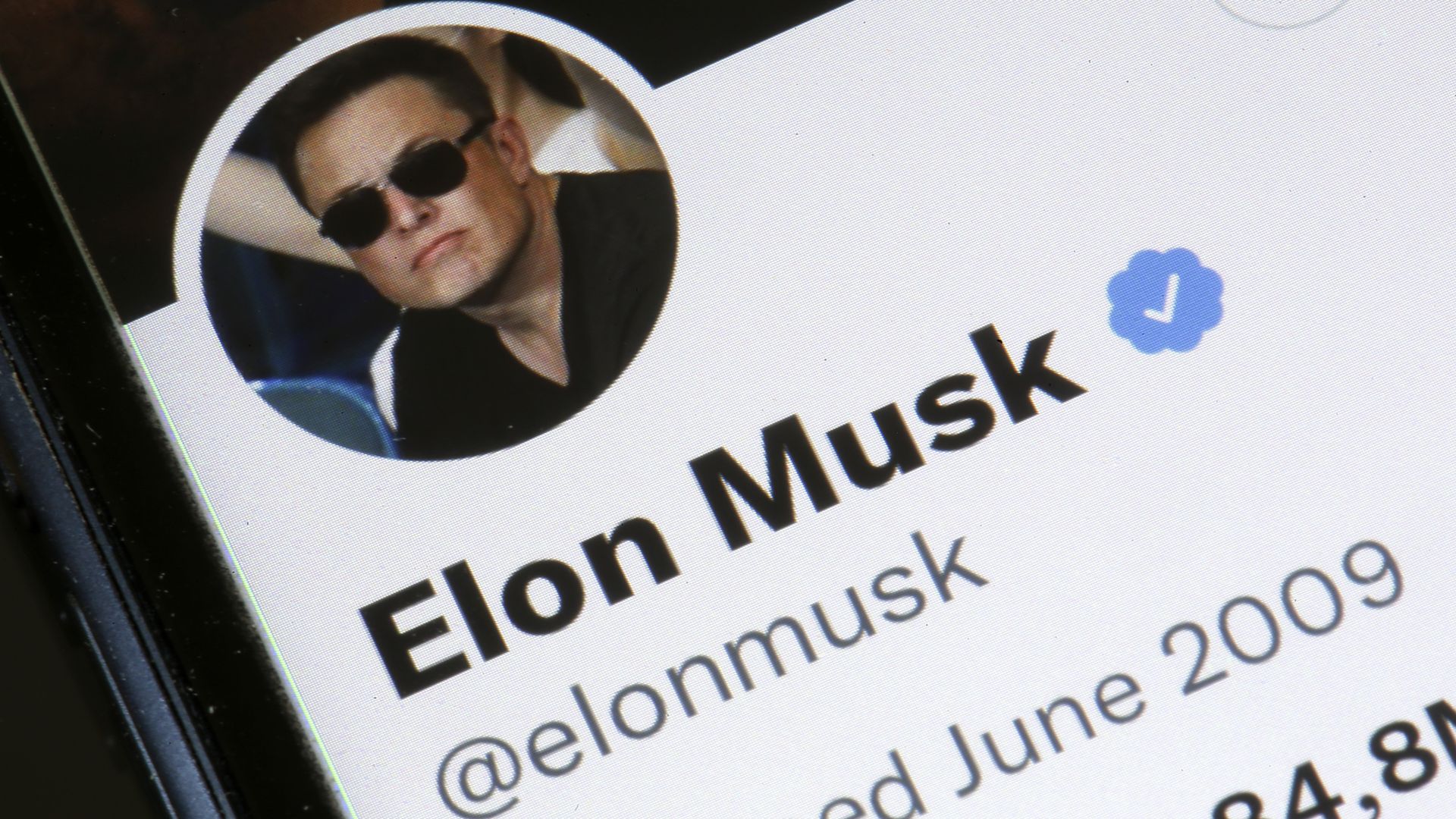
The U.S. Securities and Exchange Commission on Friday confirmed that it is investigating Elon Musk's early April disclosure of an ownership stake in Twitter, which came ahead of his agreement to acquire the company.
Driving the news: At is issue is the question of why Musk seemingly disclosed his 9.2% position in Twitter after he was legally required to do so, and if that disclosure was still faulty.
The no-loss lottery, PoolTogether, launched a sale of NFTs yesterday to raise money for its legal defense in New York state against a class action suit brought by a crypto-critic software engineer.
Why it matters: It aims to test the question of whether or not creators can make something, release it on a blockchain and really claim not to control it anymore.
"Data is the new oil" has long been a popular idea in tech. This year's Davos event grappled with the double-edged nature of that saying.
Why it matters: With autonomous cars, satellites and ubiquitous sensors capturing ever more of what happens in our world, data accumulation will only keep accelerating. While these stockpiles can help society, their risks keep growing too.
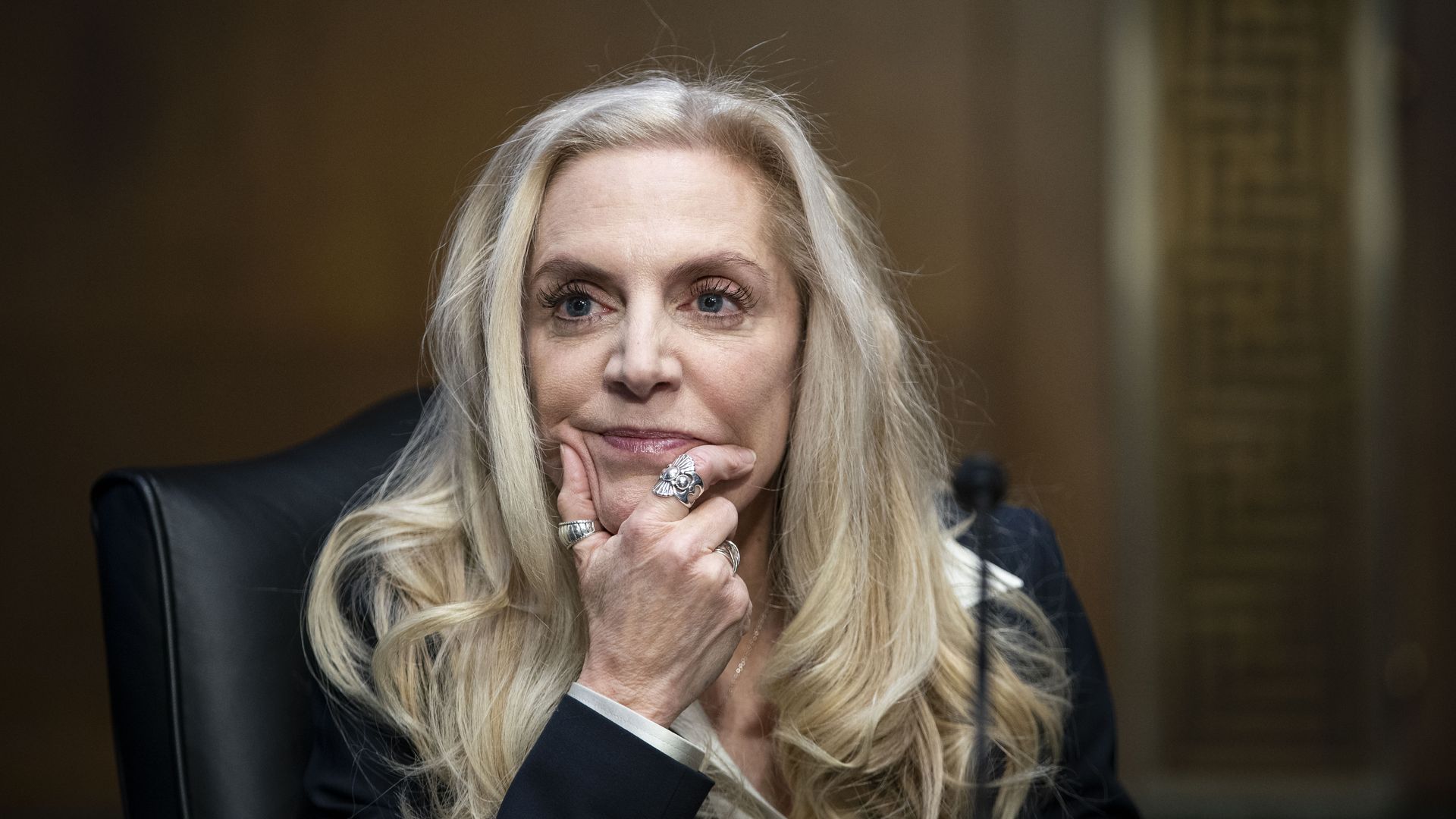
A top Federal Reserve official gave a stark warning to House lawmakers on Thursday: Move too slow in issuing a central bank digital currency and the dollar's global dominance could eventually be in jeopardy.
Why it matters: The U.S. so far remains largely on the sidelines amid a global race for countries to roll out their own digital cash, which could reshape the way millions of people use money.
There is a weird disconnect out there in venture capital land, particularly in crypto. Gigantic funds get announced every week, and yet startups are being told to look for ways to extend their runways and tighten belts.
Why it matters: Money in crypto VC funds is like a runway for the whole industry.
One-click checkout company Bolt Financial yesterday laid off one-third of its workforce, just months after raising $355 million in VC funding at nearly an $11 billion valuation.
Why it matters: For some, the financial ramifications go well beyond the loss of future salary.
Users of a video game that functions as an FDA-approved treatment for attention-deficit/hyperactivity disorder will soon be able to get rewards in Roblox for playing.
Why it matters: The partnership is a sign of growing enthusiasm around video game technology that is harnessed for health.
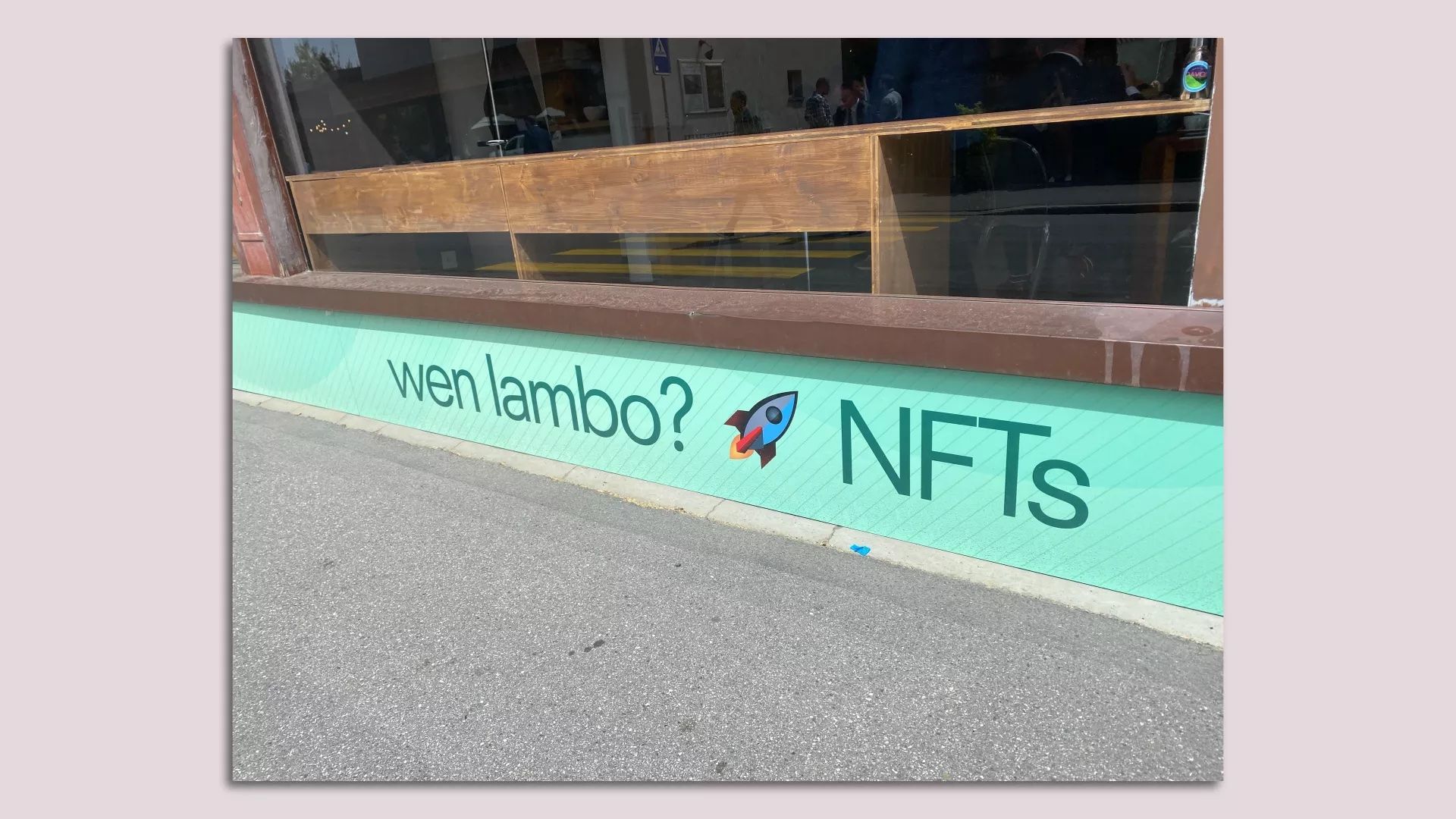
One constant at Davos is that the whole town becomes draped in prominent advertising from companies and countries keen to get the attention of the world's most powerful individuals, if only for a few precious seconds.
Driving the news: Invariably, the ads reflect constituencies that feel excluded from the official program. This year, that would be crypto.
Broadcom on Thursday announced an agreement to buy cloud computing giant VMware, controlled by Michael Dell, for approximately $61 billion.
Why it matters: This would be the year's second-largest tech merger, just behind Microsoft's deal for Activision Blizzard, and helps Broadcom continue to diversify beyond its semiconductor roots.
New York City's last public pay phones said their goodbyes this week, hauled away to be displayed in a museum as history from a bygone era — one in which people actually carried dimes and quarters (that got swallowed by the machines).
Where it stands: The phones have been supplanted by kiosks from LinkNYC, which provide more modern services — like free high-speed Wi-Fi, device charging, and a tablet for maps and city services, per Link's website.
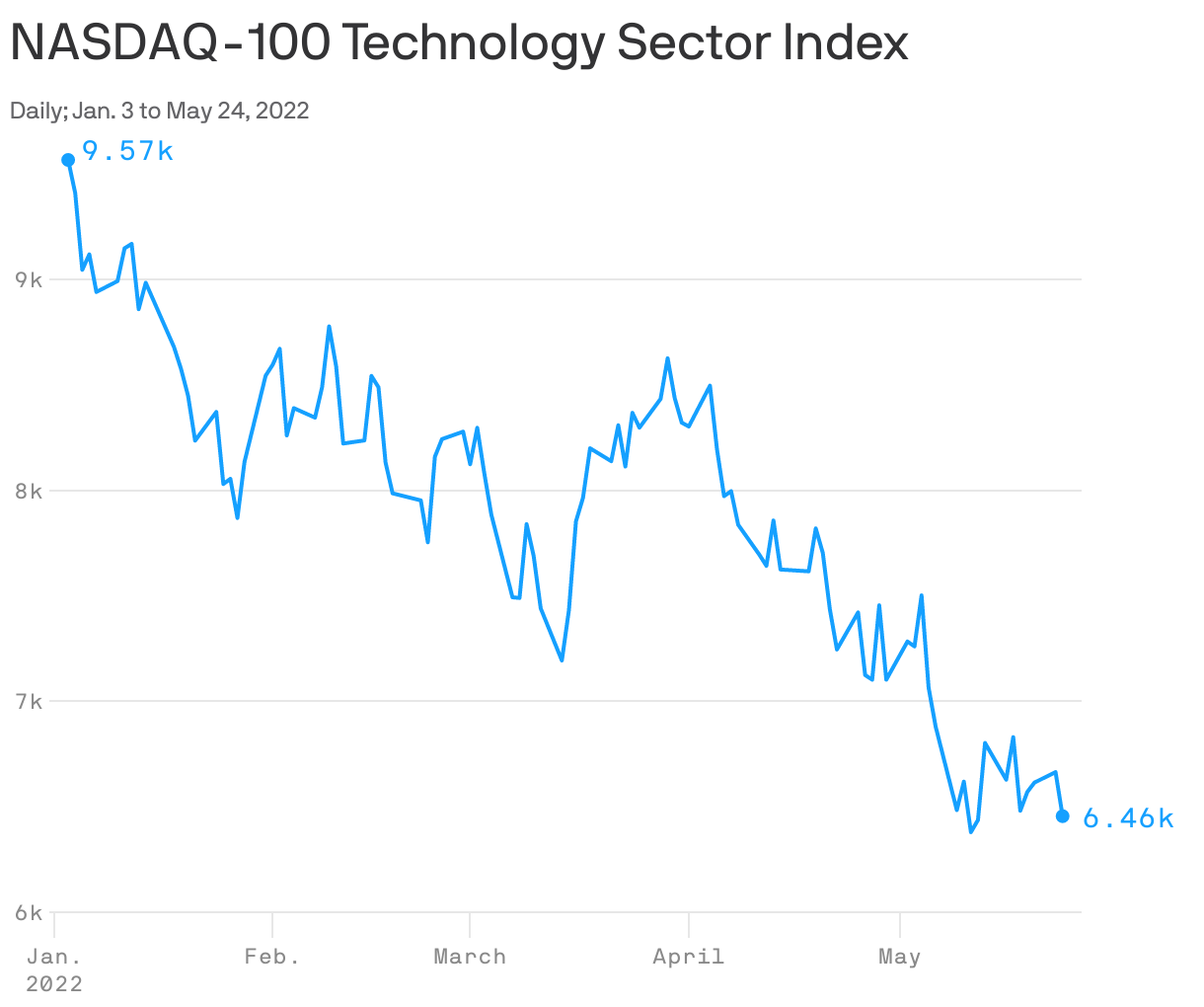
The tech market's long ride up made average investors feel a whole lot wealthier. Its recent slump has exaggerated their sense of loss.
Why it matters: The past decade's phenomenal on-paper gains caused a lot of people to forget just how volatile tech stocks are — and how fleeting stock-based wealth can be.
Robot vending machines may be coming soon to a mall, airport, theme park, grocery store or sports arena near you.
Why it matters: While mobile robots may eventually help solve the last-mile home delivery problem, they may first prove their worth as cute onsite sales representatives — earning incremental revenue for companies that deploy them while warming the public to the idea of robotic assistants.