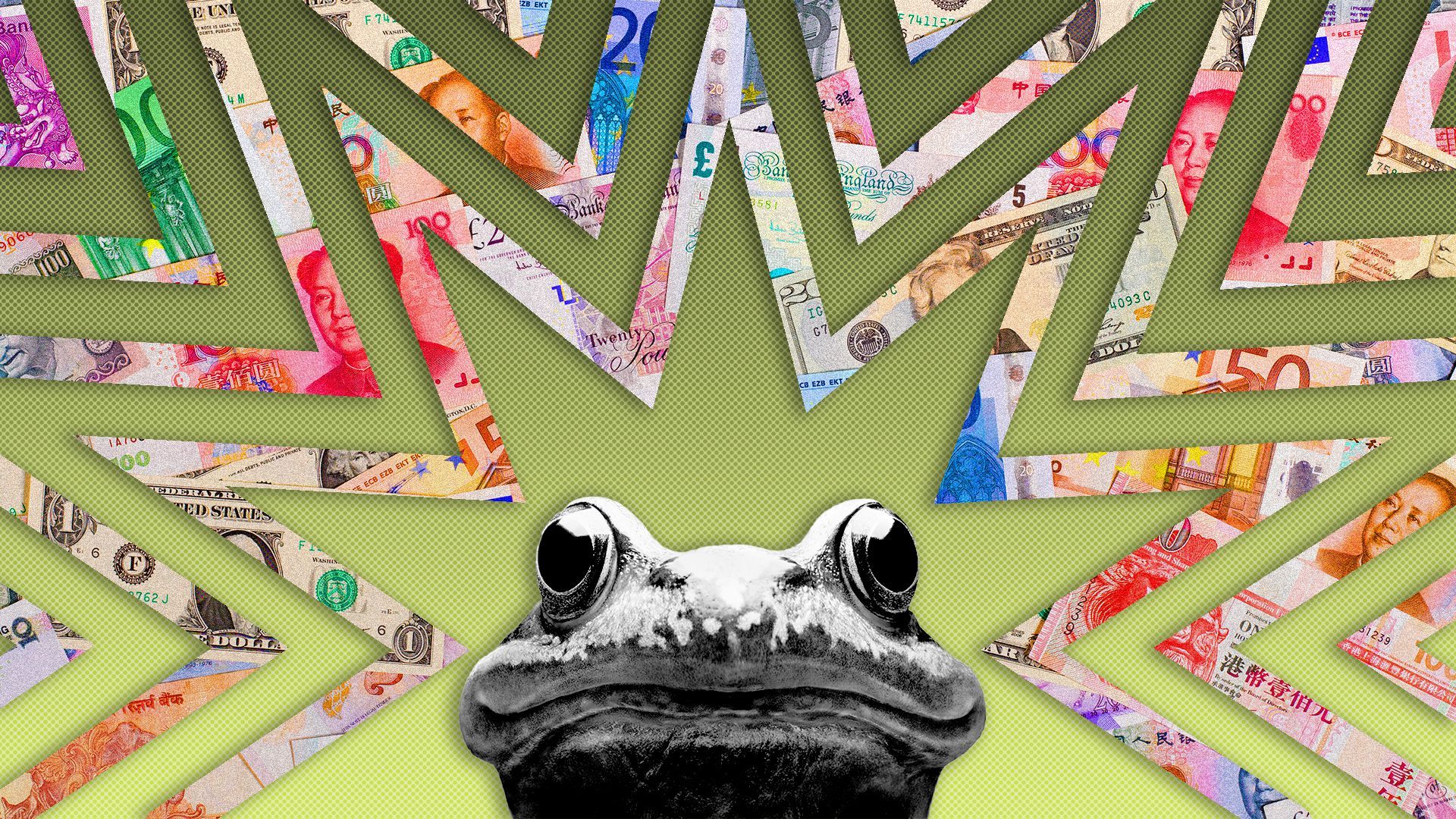
Why it matters: Counting frogs is a great way to judge the health of a forest. So the accounting firm EY has created a challenge to develop an AI-based frog-counting tool.
Frayed supply chains and U.S.-China tensions were on the minds of many tech executives in Davos for the World Economic Forum this week.
Why it matters: Nearly every tech company is dealing with the one-two whammy of a global semiconductor shortage combined with COVID-related disruptions in China and elsewhere.
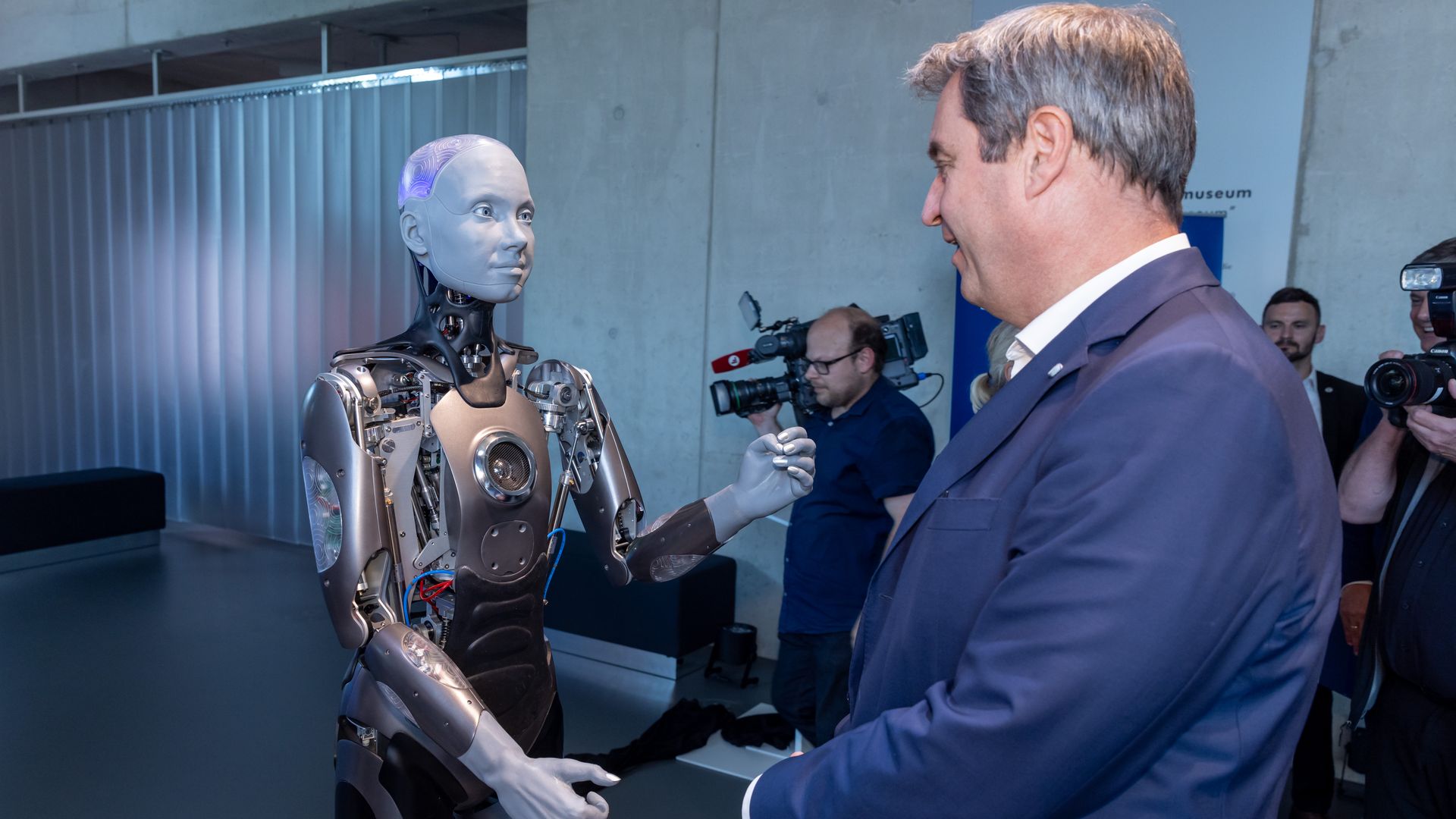
Eerily realistic androids may be showing up at a party or publicity event near you, if a British firm called Engineered Arts has its way.
What it is: A line of robots called Ameca is available for rent, to impress your guests with what its maker says is a "huge library of preprogrammed actions, speech and songs."
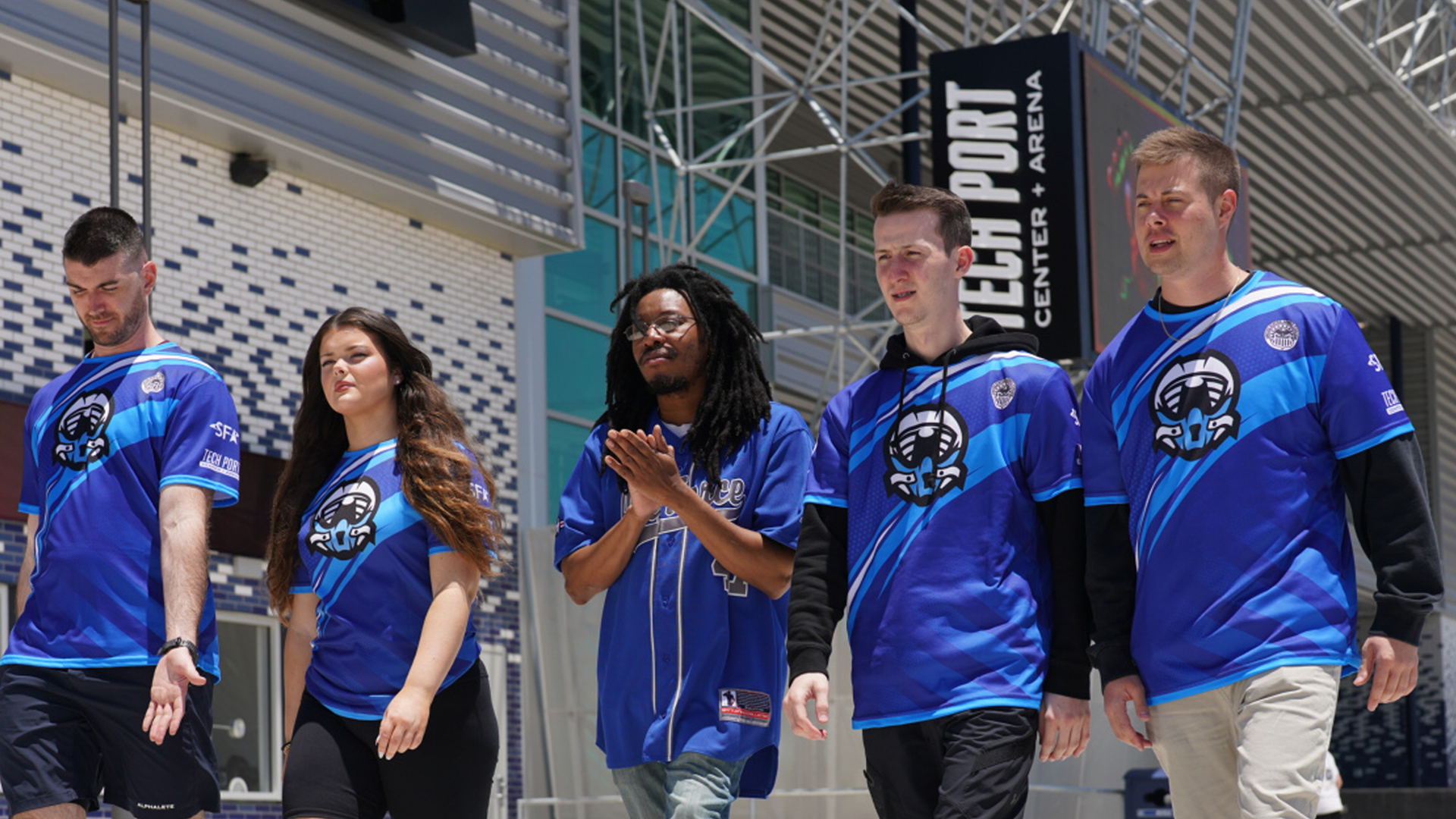
Members of six U.S. armed forces are competing in a Halo Infinite tournament in San Antonio this weekend in a novel and federally sanctioned esports event.
Why it matters: It’s the brainchild of an Air Force captain, Oliver Parsons, who believes gaming can help morale and assist members of the military who might be struggling mentally or socially.
Nintendo game designers struggled for years to make a Nintendo Switch sequel to the company’s best-selling game of all time, 2006’s Wii Sports, before finally releasing one in April.
Why it matters: Game design is a tough process, even on a project that seems like the ultimate no-brainer.
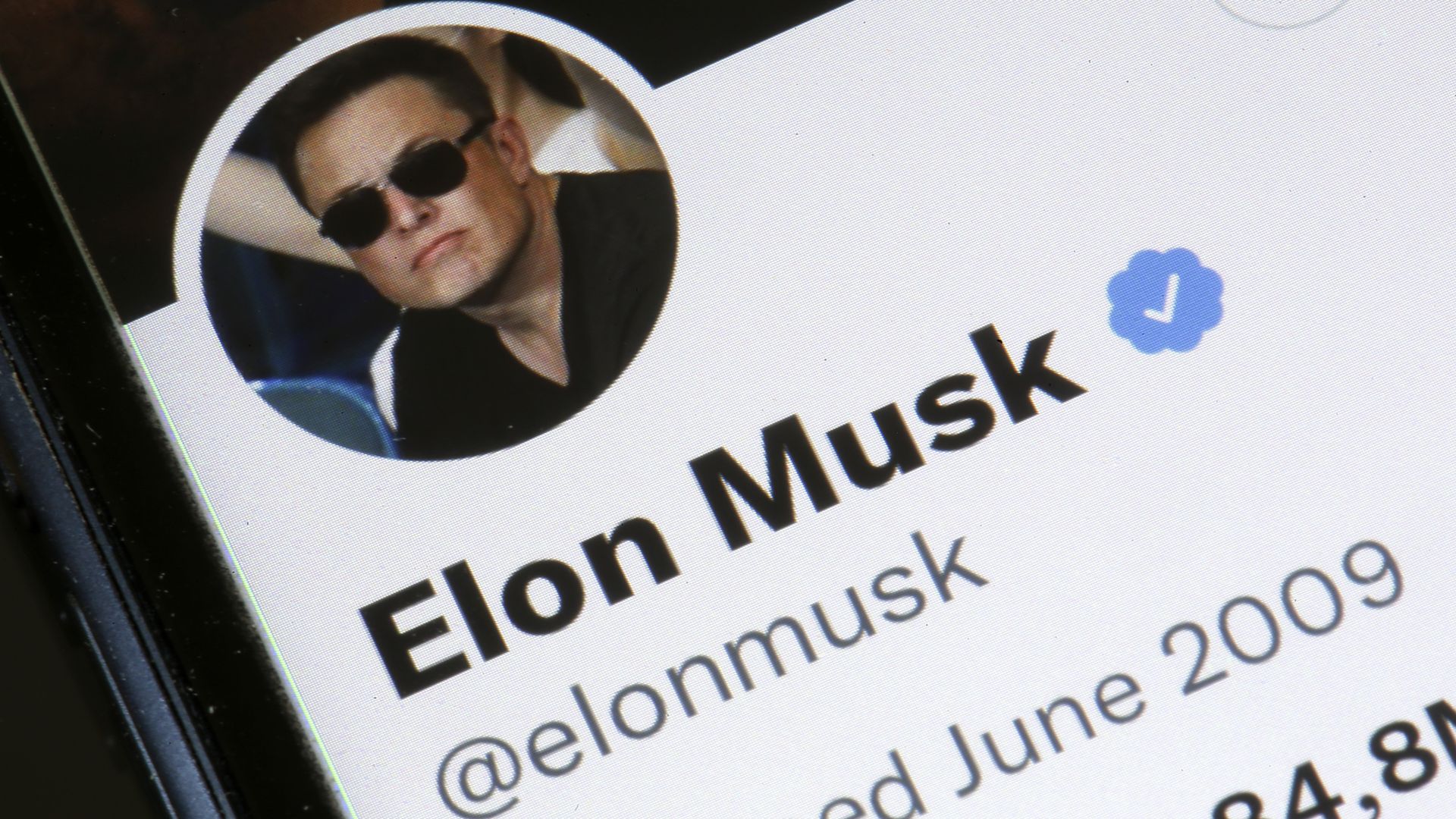
The U.S. Securities and Exchange Commission on Friday confirmed that it is investigating Elon Musk's early April disclosure of an ownership stake in Twitter, which came ahead of his agreement to acquire the company.
Driving the news: At is issue is the question of why Musk seemingly disclosed his 9.2% position in Twitter after he was legally required to do so, and if that disclosure was still faulty.
The no-loss lottery, PoolTogether, launched a sale of NFTs yesterday to raise money for its legal defense in New York state against a class action suit brought by a crypto-critic software engineer.
Why it matters: It aims to test the question of whether or not creators can make something, release it on a blockchain and really claim not to control it anymore.
"Data is the new oil" has long been a popular idea in tech. This year's Davos event grappled with the double-edged nature of that saying.
Why it matters: With autonomous cars, satellites and ubiquitous sensors capturing ever more of what happens in our world, data accumulation will only keep accelerating. While these stockpiles can help society, their risks keep growing too.