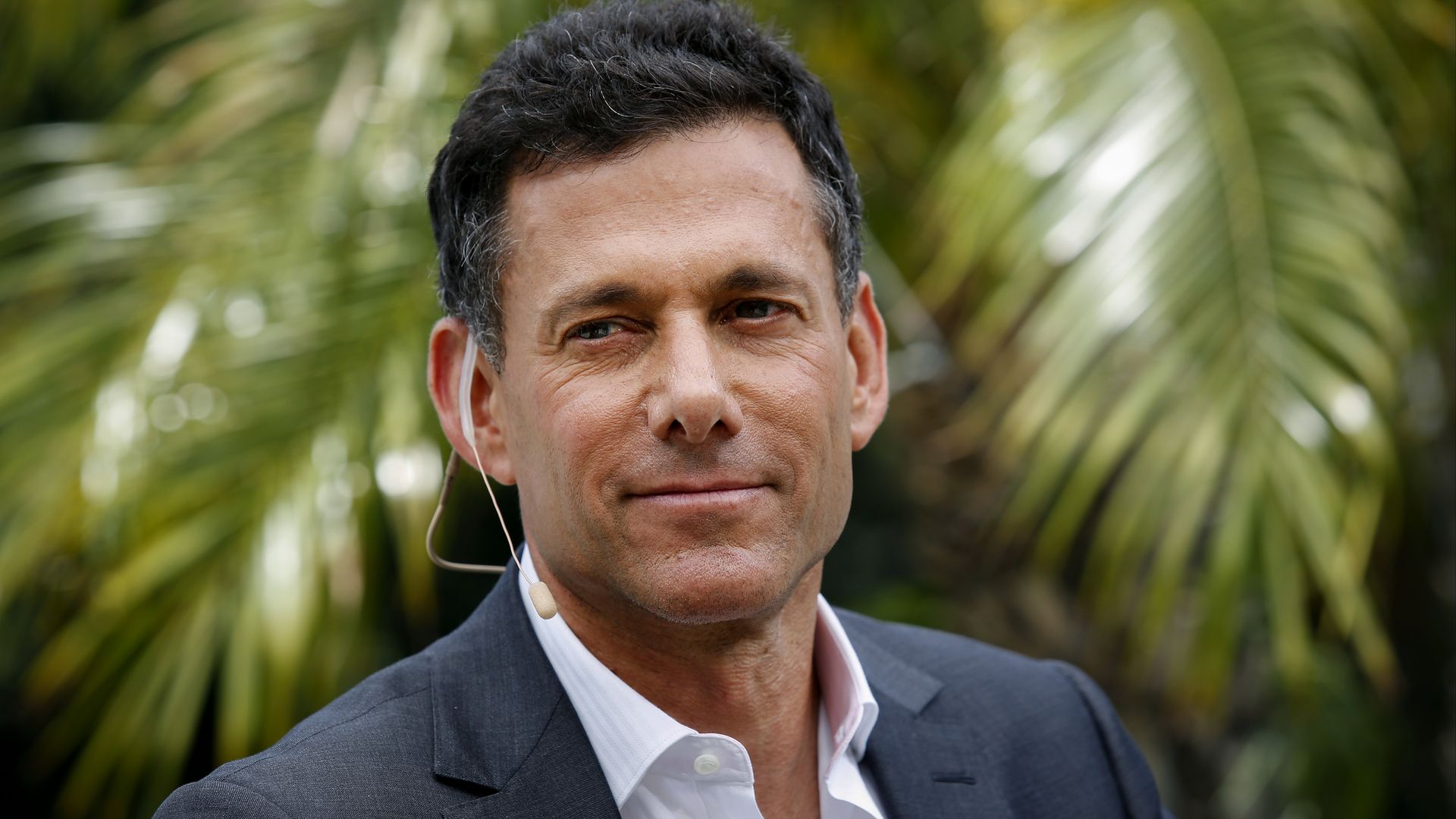
Take-Two CEO Strauss Zelnick will remain in charge of the publisher of NBA 2K and Grand Theft Auto into 2029, according to a new contract extension. And more of his pay than ever will be tied to in-game microtransactions, which may include NFTs.
Why it matters: Gaming CEOs’ multimillion-dollar pay packages often include performance incentives that help articulate their company’s priorities.
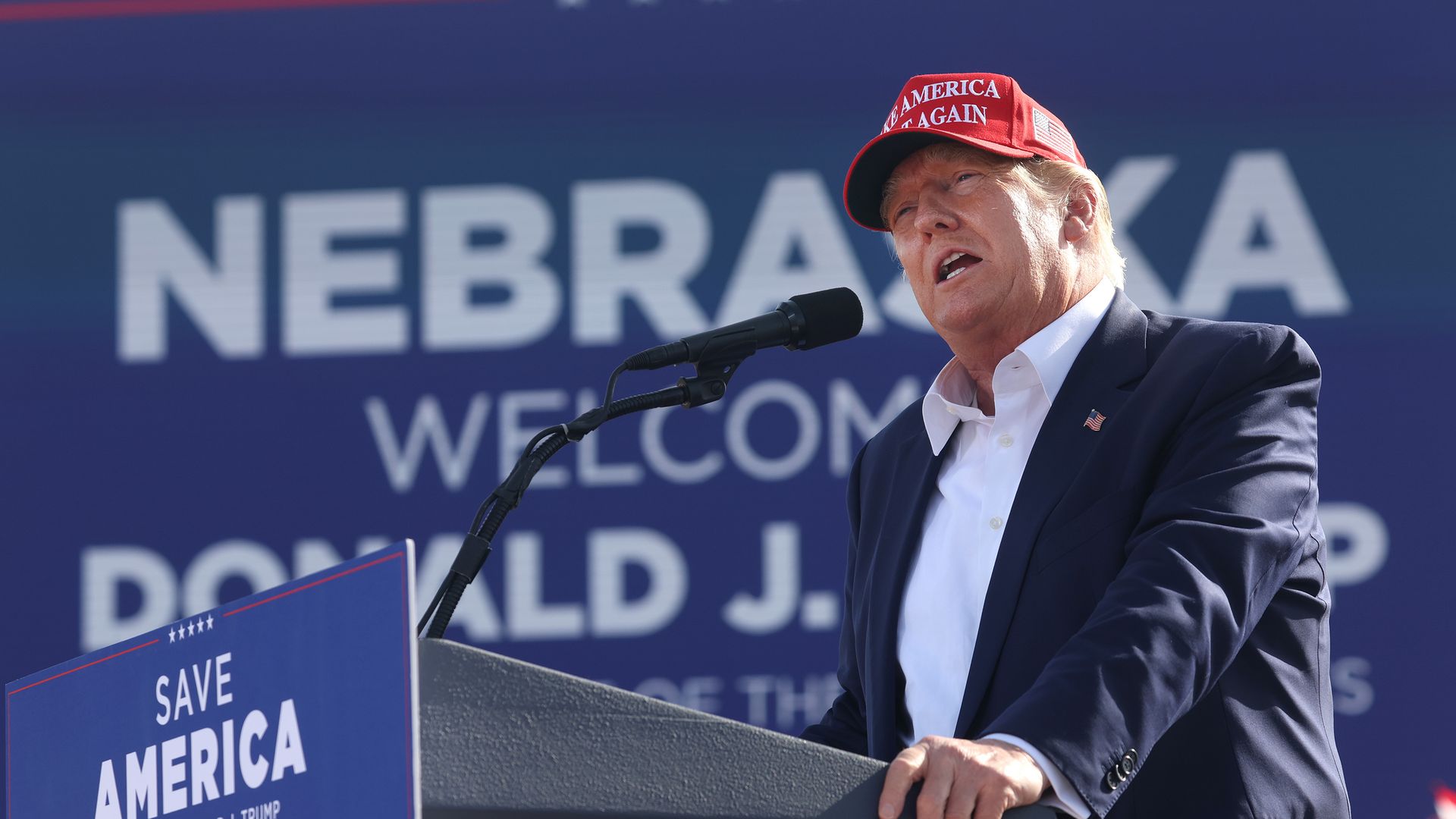
A federal judge on Friday dismissed former President Trump's lawsuit against Twitter, CNBC reports.
Why it matters: Trump had sought to lift the ban on his account, which Twitter implemented in January 2021 citing concern that he would use it to incite further violence after the Jan. 6 insurrection.
Why it matters: This is the first time the treasury department has issued sanctions against a cryptocurrency mixer, which can be used for illicit activity.
Apple, Google and Microsoft have all embraced a new standard that aims to lift the curse of remembering a million passwords.
Why it matters: The more we move our lives onto digital platforms, the more we've become dependent on passwords that are painful to coordinate and too often easy for malefactors to hack.
The treasure troves of data tech companies have spent decades accumulating could put them right in the middle of efforts to prosecute people if the Supreme Court eliminates federal guarantees of abortion rights.
Why it matters: If Monday's leaked draft opinion becomes law, court orders could soon arrive at tech firm offices seeking info about individuals searching for emergency contraception, those seen near a suspected abortion clinic and more.
Amid a brutal market sell-off, tech companies that focus on streaming, e-commerce and social media are facing especially steep declines.
Why it matters: Internet firms that benefited from pandemic habit changes are now being forced to trim their outlooks and spending as the market leaves behind a frothy era of soaring investments and zero interest rates.
An AI-powered nose could help robotaxi operators sniff out problematic odors — like the lingering scent of a passenger's tuna sandwich — and reroute the vehicle to a maintenance hub for cleaning before its next ride.
Why it matters: With driverless taxis, there's no one onboard to keep passengers from smoking or leaving behind offensive odors, from food to vomit. But new digital olfaction technology could be able to help.
Since introducing bitcoin on the Cash app, more than 10 million accounts have bought some of the original cryptocurrency, according to the Q1 shareholder letter from Block, Inc (the company most people probably still think of as Square), released Thursday.
Why it matters: 10 million people is a lot of people. That level of usage suggests that there really is demand for bitcoin from people who don't want to mess with weird wallets and keeping track of private keys.
Yuga Labs has refunded $265,000 worth of ETH for failed transactions in its sale of digital land in its Otherside metaverse last weekend. In English: People got paid back the fees they wasted in magic space money trying to buy fake property in a place that doesn't exist but might be fun one day, especially for those with computer goggles.
Why it matters: Yesterday afternoon, anyone paying attention would have found that they had a little more money than they had before, because the company paid everyone back all at once. Yuga did it because it had designed an auction that worked badly and frustrated everyone, but the company owned up to it.
Robots on the internet are waiting to make money for you — if you have a lot of money.
Driving the news: Yearn Finance, the leading robo-advisor for yield, revealed details about its v3 this week, catching the project up with an effort that spans decentralized finance (DeFi) to standardize tokens that earn money.
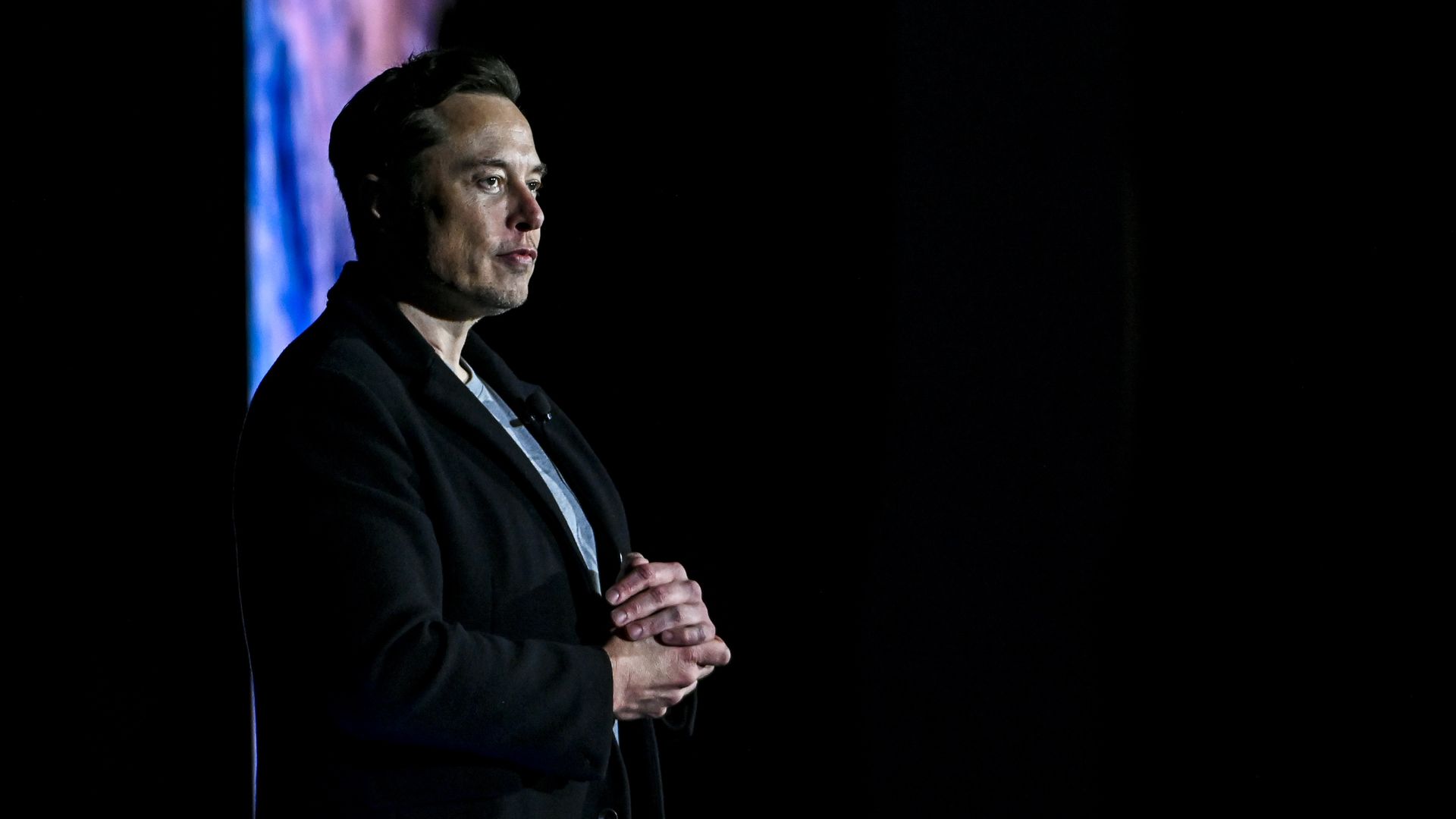
Elon Musk on Thursday disclosed a group of co-investors in his Twitter takeover. The names are impressive, but most of their check sizes aren't.
Driving the news: Musk secured around $5.2 billion in equity commitments from 18 investors, plus a rollover of nearly 35 million Twitter shares from Saudi Prince Alwaleed bin Talal.
As voice technology in cars has improved, it has opened the door for apps like what3words, a voice-navigation tool that helps drivers get precisely where they're going.
What's happening: Nearly a dozen manufacturers have integrated the London-based company's technology into their vehicles, including Mercedes-Benz, Ford and Subaru.
By dividing the world into a grid of 10-foot by 10-foot squares, each designated by a unique combination of three random words, the technology helps drivers navigate to places where an address isn't enough.
The clock is ticking down on Washington's bipartisan effort to alter how Big Tech does business by passing new antitrust laws.
Why it matters: The next couple of months will be do-or-die for backers of the tech antitrust bills. If lawmakers don't approve them ahead of Congress' August recess, insiders say the outlook is bleak as midterm elections loom.
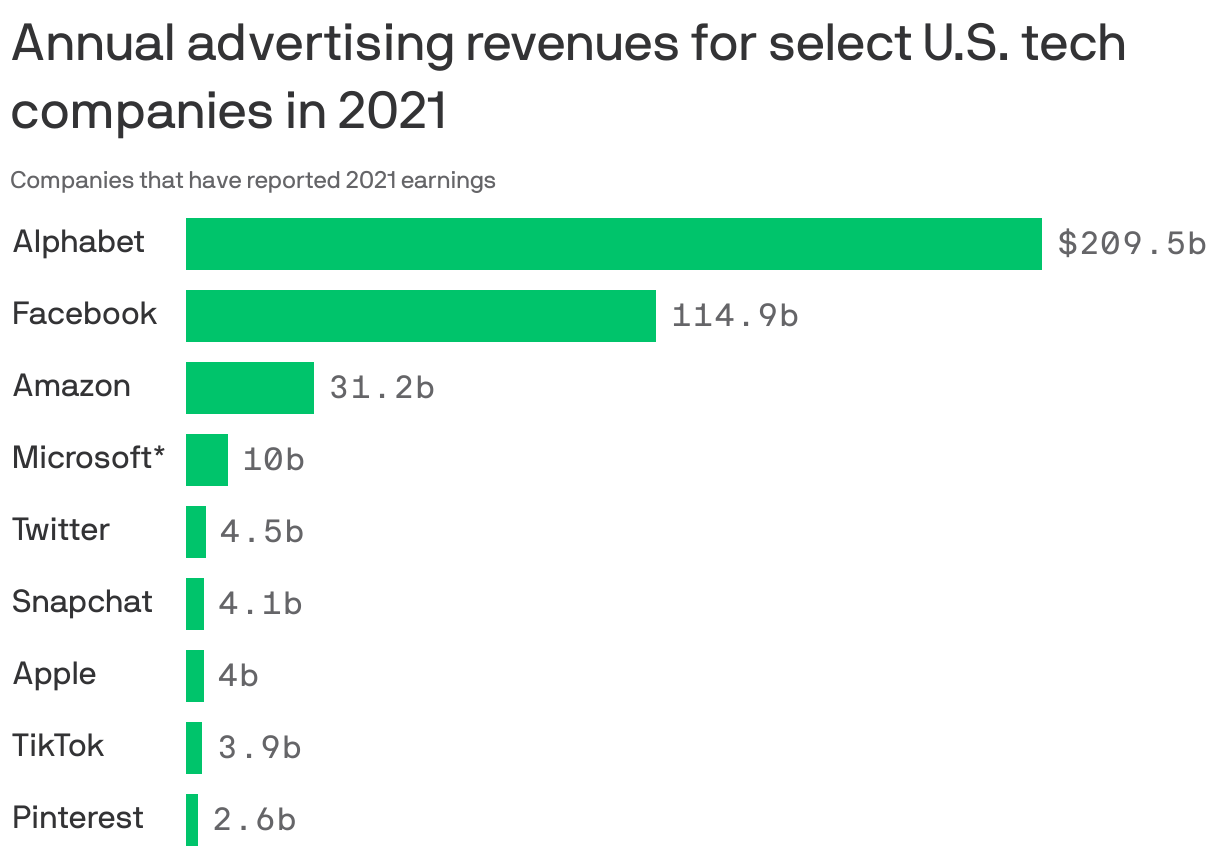
Data: Company reports, analyst reports; Note: Microsoft reported a revenue of more than $10 billion but did not disclose an exact figure; Chart: Thomas Oide/Axios
After years of touting their scale and efficiency, Big Tech companies have a new pitch for Madison Avenue: Social media creators are good for brands.
Why it matters: The user-generated content that tech giants rely on to fuel engagement has long been considered a brand-safety risk for marketers. But professional creators or influencers offer more polished content that poses less brand risk.