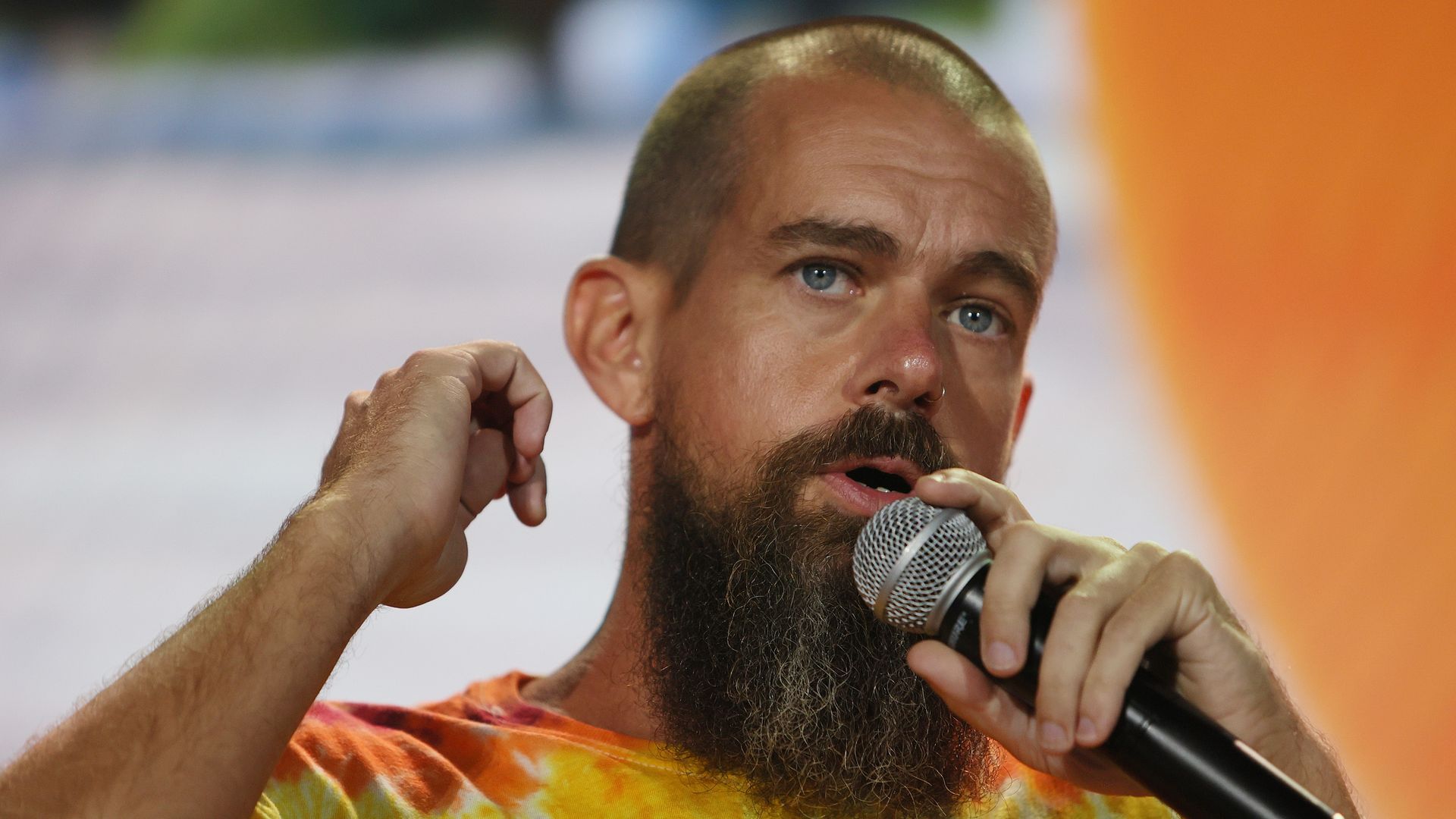
SEC Chair Gary Gensler has asked the staff at his agency to look into four new areas for potential new cryptocurrency regulation.
Why it matters: The White House instructed several agencies in March to develop more recommendations for governing the new industry, signaling that both blockchain's potential and its dangers are being taken seriously at the highest levels.
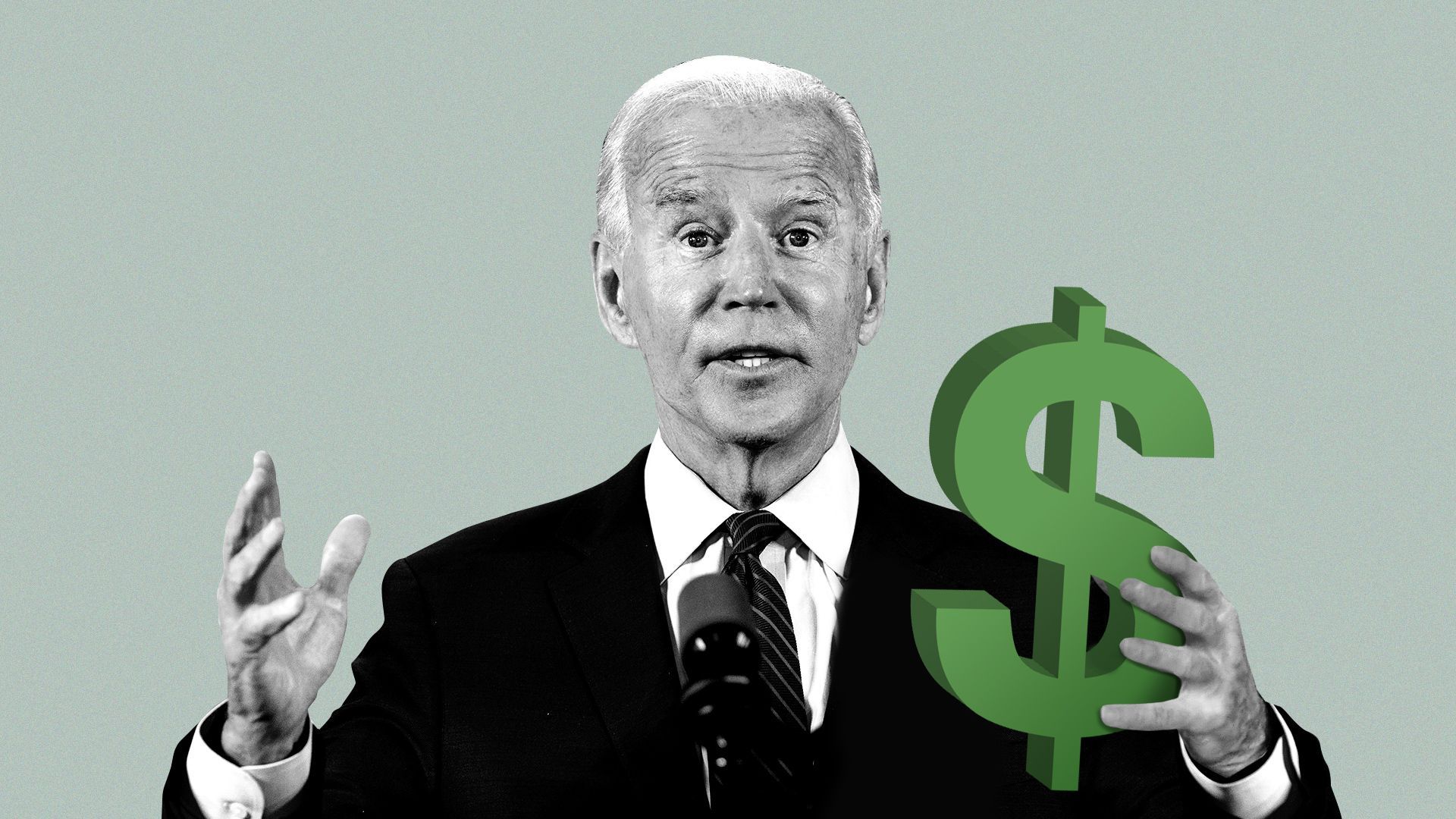
President Biden wants to go after crypto wealth as a way to help close the budget gap, figuring Uncle Sam could net $11 billion in new income through 2032 by modernizing accounting rules around the asset class, according to his budget proposal released March 28.
Why it matters: Giving crypto investors access to some of the same flexibility investors in older asset classes enjoy could signal the administration is inching toward welcoming blockchain firms into the mainstream financial system.
The U.S. is tied for 10th place, with India, in terms of how many of its people say they own crypto.
Why it matters: Crypto proponents have long argued that places with weak financial systems would benefit most from blockchain technology. While uptake outside the developed world has been slow, new data from the crypto exchange Gemini suggests that might be changing.
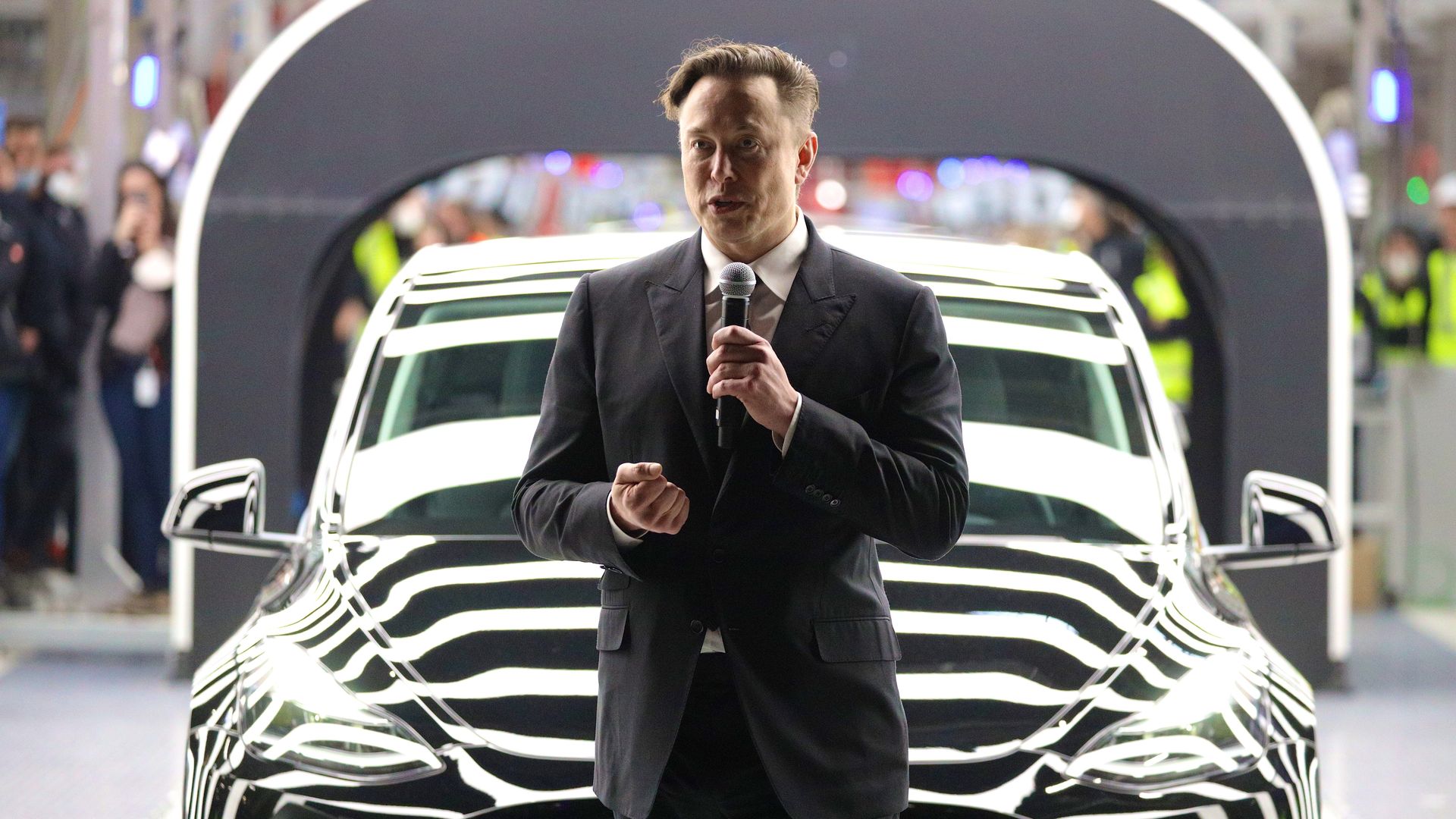
Elon Musk has bought a 9.2% stake in Twitter, according to a regulatory filing published Monday by the Securities and Exchange Commission.
Why it matters: Musk recently told his around 80 million Twitter followers he's giving "serious thought" to building a social media platform to rival Twitter, which he criticized for "failing to adhere to free speech principles."
Europe's new competition rules for Big Tech giants could make their services less secure and more fragmented, tech executives fear. And as a six-month deadline for compliance looms, the new laws aren't yet fully baked.
Driving the news: European regulators came to an agreement last month on a near-final version of the Digital Markets Act, which could force Google, Apple, Meta and Amazon to reshape their businesses after being designated “gatekeepers.”
Yelp and DuckDuckGo are among the tech companies urging their users to support antitrust bills to rein in Big Tech as part of a day of action with advocacy groups Monday.
The big picture: The pleas aim to boost support on Capitol Hill for proposals that would ban Google and Amazon from favoring their own products in an anticompetitive way and come as key bills await floor votes in the House and Senate.
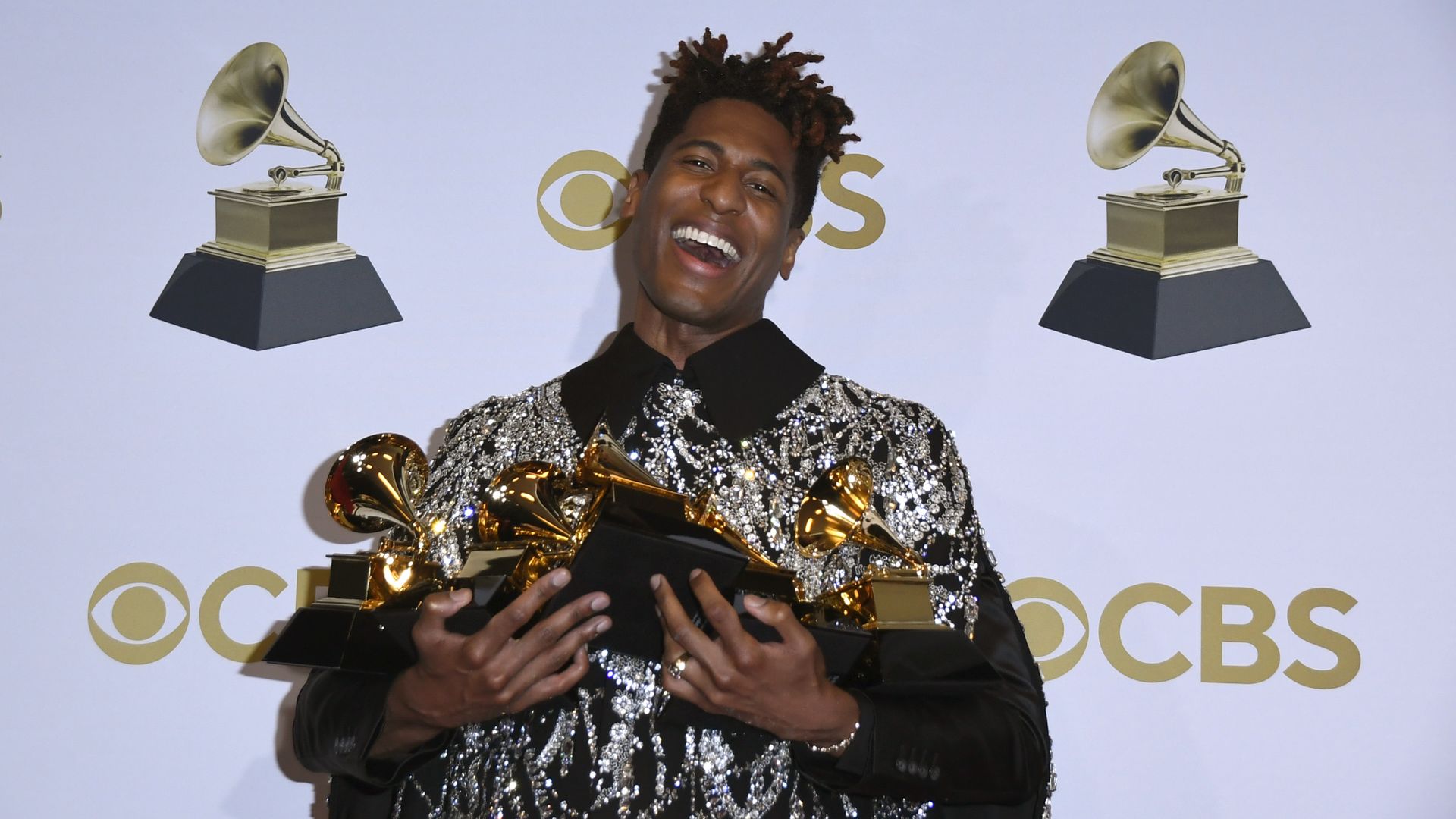
With roughly two dozen live performances packed into a 3.5 hour event, the 64th annual Grammy Awards — which aired live Sunday on CBS and Paramount+ — felt more like an extended concert than a buzzy awards show.
Why it matters: With more music and less talking, the Grammys avoided the kind of drama that sucked up all of the attention at last week's Oscars.
Ukrainian President Volodymyr Zelensky urged Americans in a pre-recorded video from a bunker in Kyiv to "support us in any way you can. Any — but not silence."
Why it matters: Celebrities urged the Academy of Motion Picture Arts and Sciences to let Zelensky appear during the Oscars last week but ultimately chose to feature a moment of silence instead.
SoftBank executive Ronald Fisher is stepping down as head of U.S. investment operations, per an internal memo sent Friday and obtained by Axios.
Why it matters: Fisher has been with SoftBank for a whopping 27 years, spanning through the dot-com boom, Great Recession and unicorns startup eras. During that time, SoftBank grew into the U.S. venture capital market's 800-pound gorilla, changing how the industry operated.
Think of cryptocurrency as the first taste of virtual money, available to anyone, anywhere, anytime.
We're in the unregulated, risky, experimental phase — with more than 10,000 different digital currencies available globally with minimal government rules or oversight.
And very few people are buying stuff with it — yet.
Autonomous trucks could one day replace more than 90% of all highway trucking, which could have a profound impact on as many as 500,000 long-haul truckers, a new study found.
Why it matters: Automation, and its potential impact on human labor, is a widespread concern for workers in many industries. While labor markets continually evolve, it often takes time for displaced workers to adapt to new jobs requiring different skills.
Twitter co-founder Jack Dorsey expressed his regrets Saturday for the current state of the internet and said he's "partially to blame."
What he's saying: "The days of usenet, irc [Internet Relay Chat], the web ... even email (w PGP) ... were amazing," Dorsey tweeted, referring to earlier online communications systems.











/2022/03/29/1648587471097.gif?w=3840)