Since the bombings in Ukraine began, Alex Molodkin spends the majority of his time following the news from the safety of an apartment hallway. Molodkin is half of indie developer Weasel Token, a studio located in Kyiv, Ukraine, currently working on the adventure game Puzzles for Clef.
The big picture: Molodkin was working on the game in the early hours of the morning, when Russia's attacks began. "I heard an explosion somewhere in the distance," he says. "And then another one, and I had to wake everyone up."
Russia's communications regulator Roskomnadzor on Friday said it would block Facebook entirely, after partially restricting the social network a week ago.
Why it matters: Russia claims the decision of Facebook parent company Meta to restrict access to Russian state media accounts violated "fundamental human rights and freedoms, as well as the rights and freedoms of Russian citizens."
Volocopter, a German eVTOL developer, raised $170 million in Series E funding at a $1.7 billion pre-money valuation. WP Investment led, and was joined by Honeywell and insiders Atlantia, Whysol and btov Partners.
Why it matters: The aerospace upstart also disclosed a commercial launch deadline of mid-2024 in Paris, just in time for the Summer Olympics. Doesn't mean Volocopter will hit that mark, or that it won't fly earlier, but it's nice to have some particulars on the promise.
Microsoft will suspend all new sales of its products and services in Russia in response to the country's unprovoked invasion of Ukraine, the company announced Friday.
The big picture: Microsoft is the latest company to abandon Russia and condemn its attack on Ukraine, following financial sanctions imposed by governments in an effort to isolate it from the rest of the world.
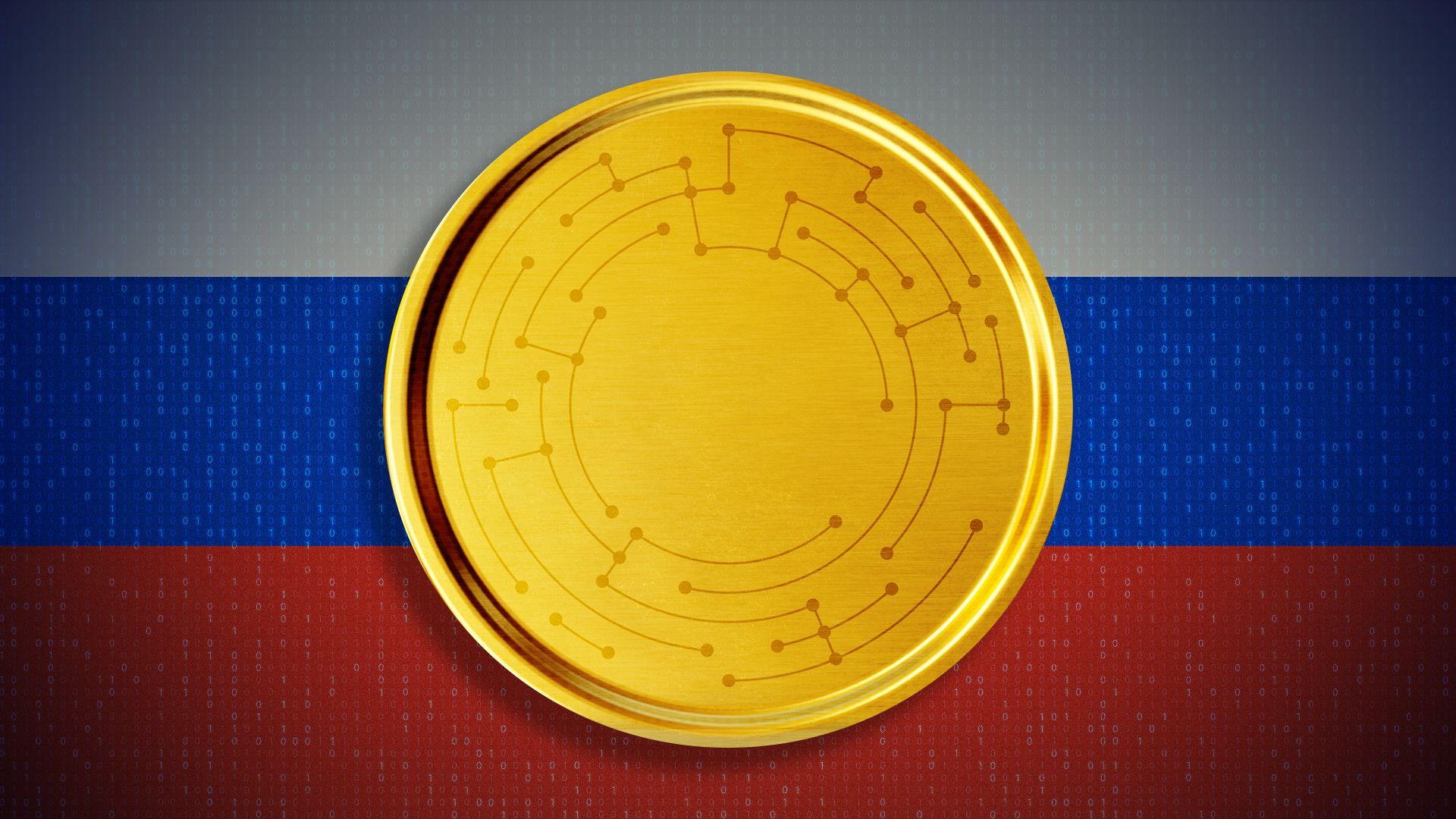
Russia's invasion of Ukraine is highlighting the dark side of crypto, right as the industry's lobby ramps up efforts in D.C. to protect it from regulation.
Why it matters: The crisis provoked a sharp and nearly united response globally from the very institutions — governments and banks — that cryptocurrencies seek to sideline. It's also amplifying the perception that crypto helps bad actors escape penalties or detection.
Airbnb is "suspending all operations in Russia and Belarus," the home rental company's CEO Brian Chesky tweeted late Thursday.
What they're saying: Airbnb said in an emailed statement on Friday that the decision "means that we will block calendars from accepting new bookings in both countries until further notice."
Google has suspended all online advertising in Russia, the tech giant announced on Thursday night.
Driving the news: The ban covers search, YouTube and outside publishing partners and builds on Google's move on Saturday to block Russian state media channels from selling ads the invasion of Ukraine.
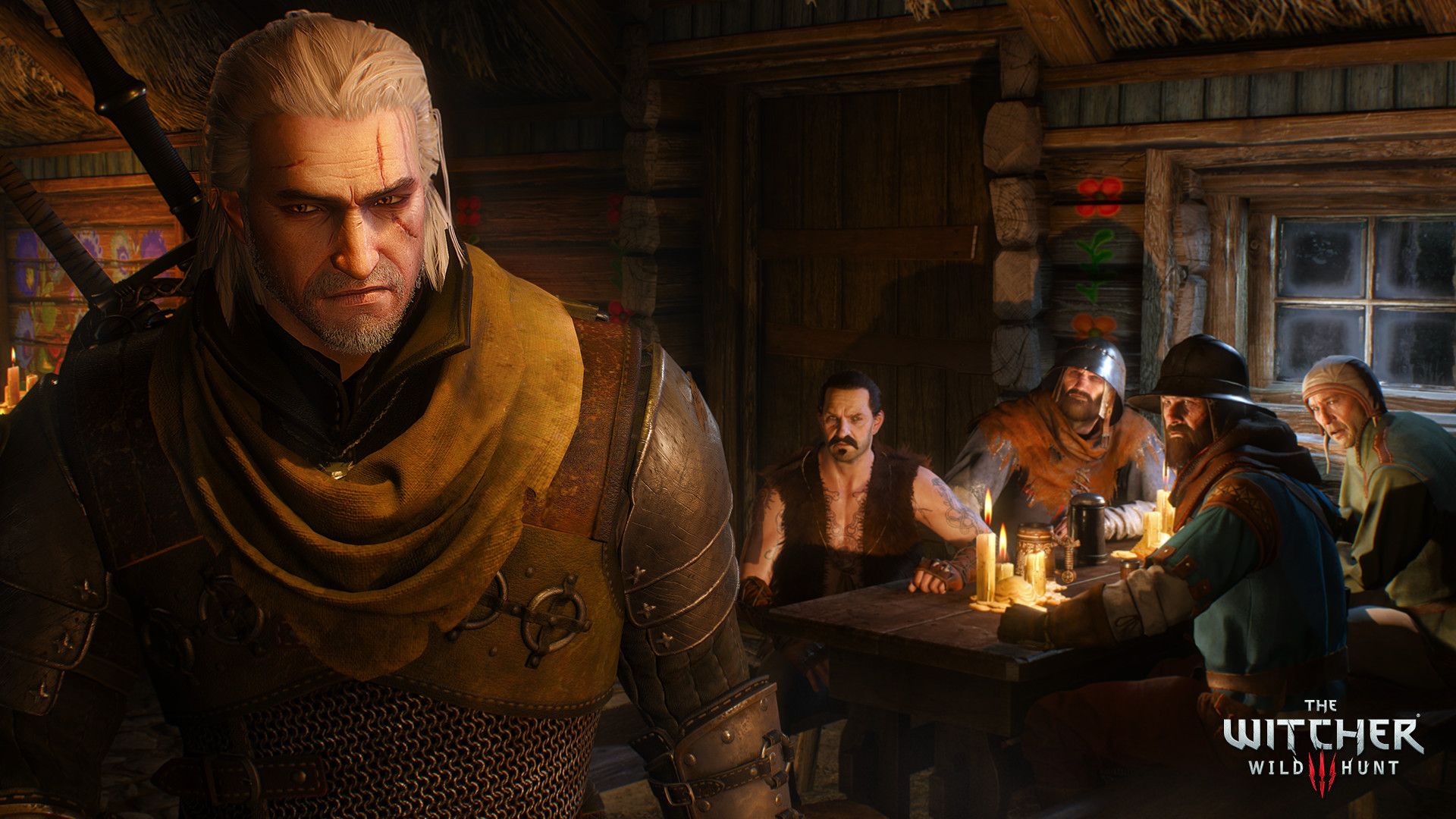
Polish studio CD Projekt RED will suspend selling its popular games in Russia and Belarus due to Russia’s invasion of Ukraine, the company announced on Twitter this morning.
Why it matters: CDPR is the biggest gaming company to pull business from those countries, following many other industries' similar withdrawals.
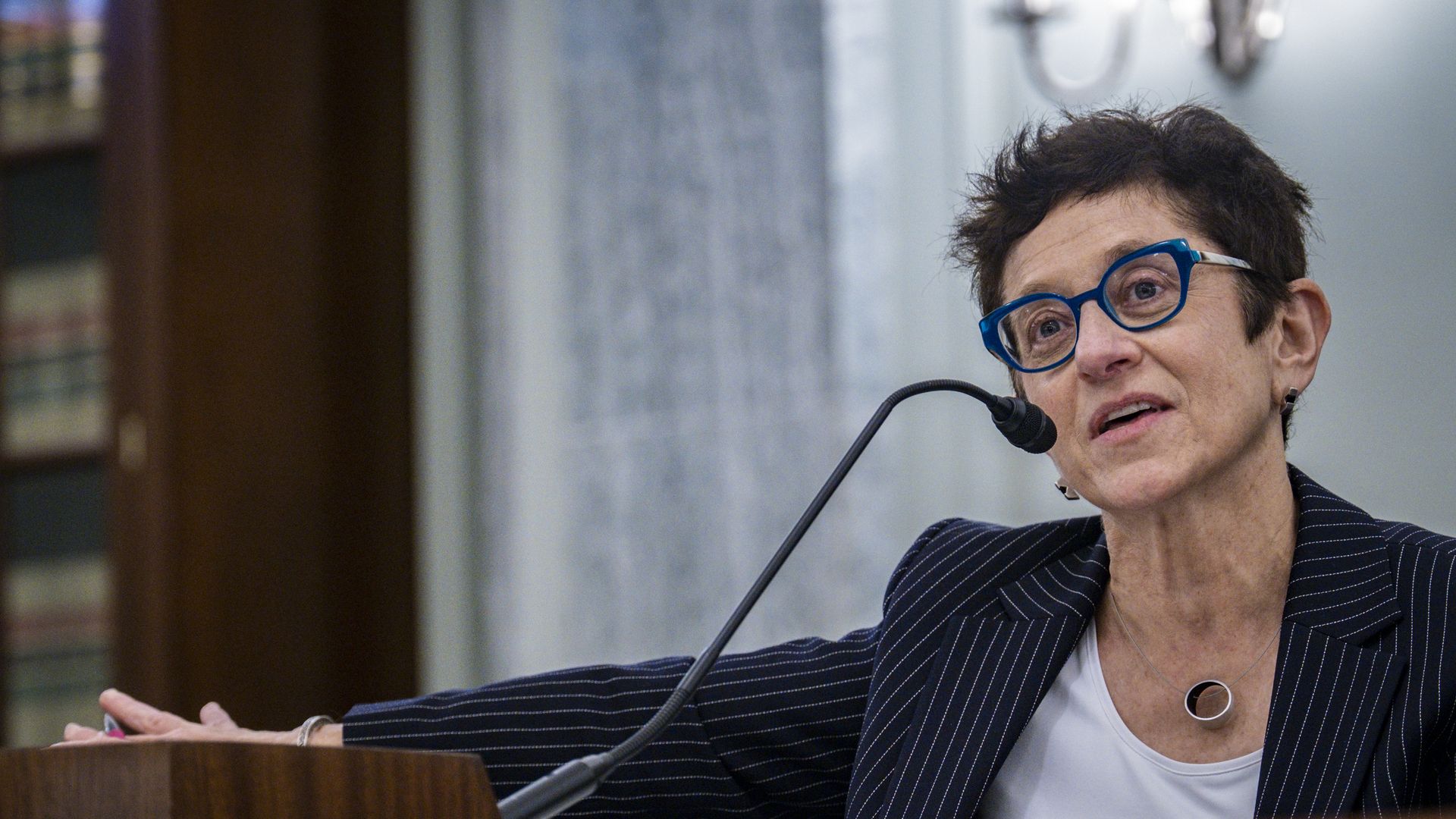
The Senate Commerce Committee voted 14-14 along party lines Thursday to move the nominees for the Federal Communications Commission and Federal Trade Commission to the Senate floor.
Why it matters: Both the FCC and FTC lack the Democratic majorities necessary to overcome Republican opposition to more partisan agenda items.
U.S. officials are stepping up a campaign to defeat a Russian candidate for a UN agency that could determine how much control governments have over the internet.
The big picture: Russia's designs on the little-known agency raise the stakes for what the Russian government's vision of the internet could mean for the rest of the world, especially following its invasion of Ukraine.
The U.S. State Department denounced the Russian government on Wednesday evening for cracking down on independent media coverage in Russia of the invasion of Ukraine — including threatening Voice of America.
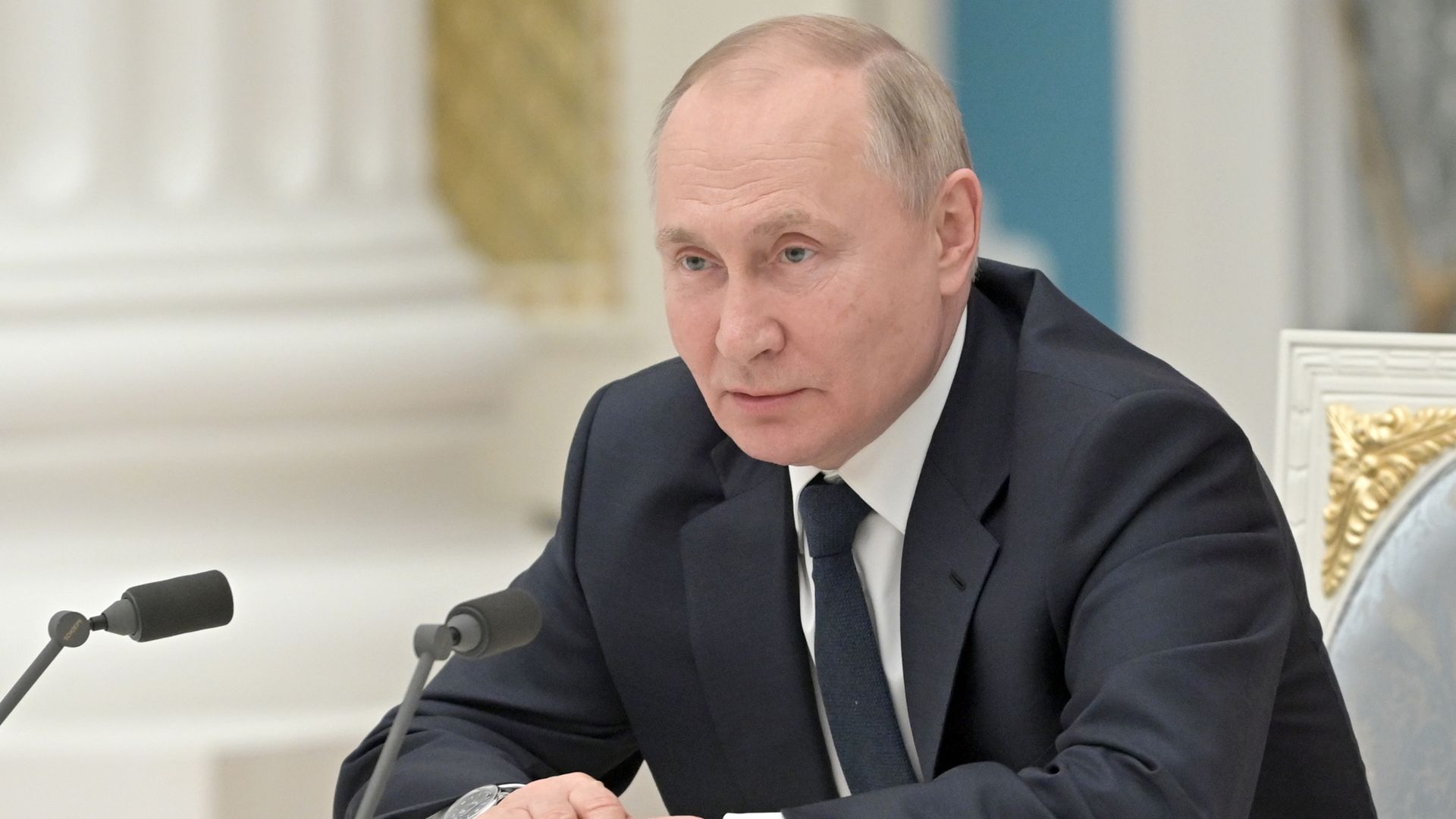
Why it matters: Russia's Putin-dominated parliament will hold a special session this Friday "to consider a bill that would make 'unofficial' reporting on Russia’s further invasion of Ukraine punishable by up to 15 years in prison," per an emailed statement from State Department spokesperson Ned Price.