NFTs remain a contentious topic for developers, according to the State of the Game Industry survey, with a majority claiming their companies aren't interested at all.
The details: The survey states that 72% of respondents related to cryptocurrency and 70% of respondents related to NFTs have no interest in either.
Employees say most video game companies are not addressing misconduct and toxicity directly with their employees, according to a new survey.
Driving the news: Games Developers Conference (GDC) organizers released their 10th edition of the State of the Game Industry on Thursday, an annual survey that takes the temperature of developers across the industry.
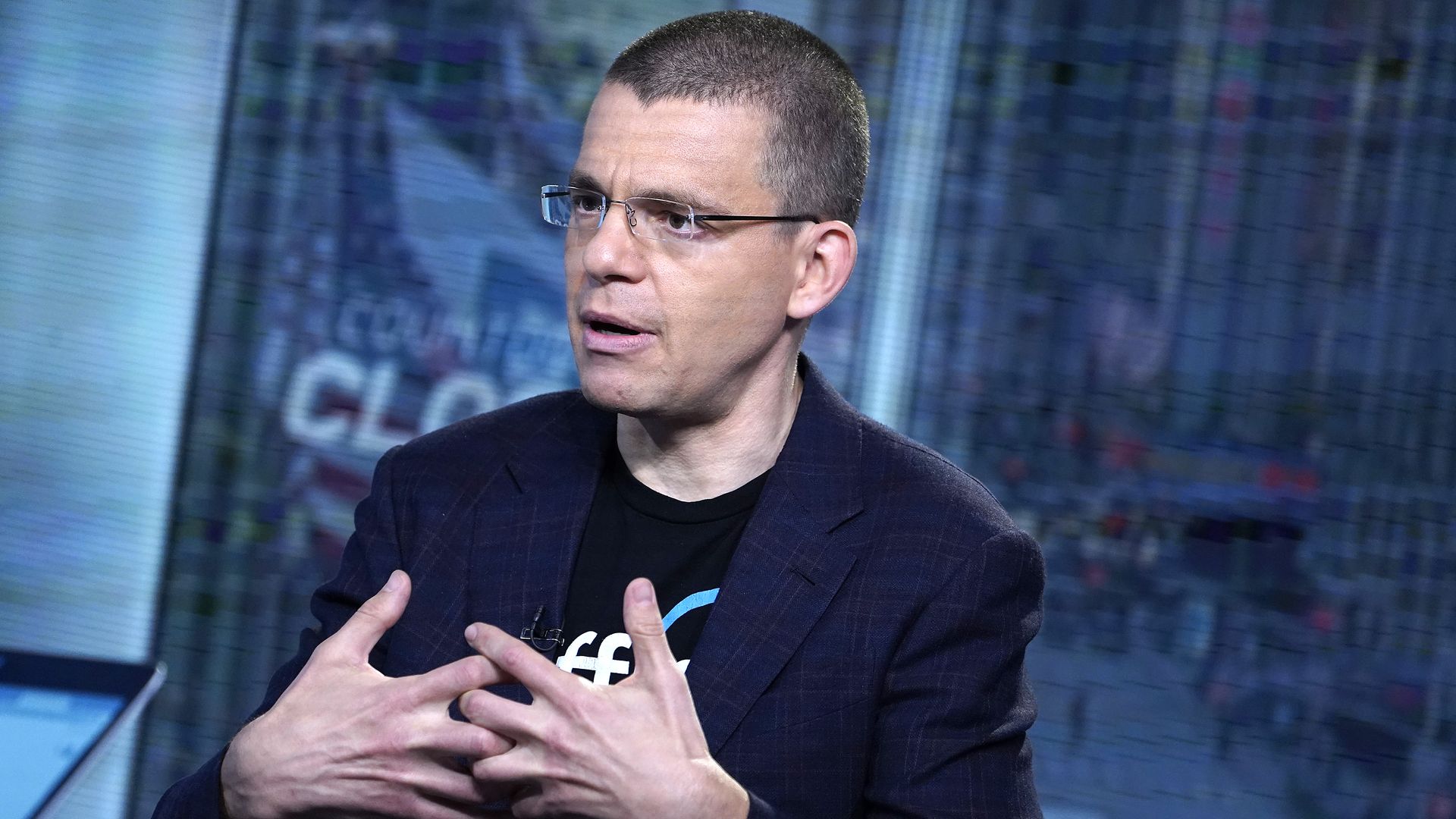
Max Levchin, the PayPal co-founder who now runs buy-now-pay-later pioneer Affirm, says he doesn't understand the stock market's ups and downs. But he isn't sweating it.
What he's saying: "In terms of operating as a public company, I heard lots of CEOs tell me everything changes or everything's very different," Levchin told Axios' Ryan Lawler during the Axios Pro kickoff event on Thursday. "I think we're one of the exceptions, in the sense that we were already a very regulated entity, we were already auditing ourselves."
YouTube has deactivated two channels linked to the Oath Keepers militia group whose members have been charged in relation to the Jan. 6 Capitol riot, the company told Axios.
The big picture: Social media platforms that were used to plan or promote the Capitol attack have moved with varying degrees of speed to bar the accounts involved.
The Federal Aviation Administration said Thursday it had approved nearly 80% of the U.S. commercial fleet to perform low-visibility landings at airports with new 5G services after fears of signal interference limited 5G rollout.
Why it matters: The FAA approvals will help provide more certainty after the agency raised fears that 5G signals could reduce the accuracy of certain equipment, known as radio altimeters, that helps planes land and take off in inclement weather.
A bipartisan antitrust bill targeting "self-preferencing" by major tech platforms is on its way to the Senate floor, after the Senate Judiciary Committee favorably voted on it Thursday.
Why it matters: Today's vote puts the bill one step closer to President Biden's desk. If passed, it would mark a major blow to tech companies, which could completely change the way they operate.
Autograph, an NFT collections startup, announced that it's raised $170 million in new venture capital funding co-led by Andreessen Horowitz and Kleiner Perkins.
Why it matters: If the dollar amount isn't enough — after all, it seems as if every NFT-based startup is raising money right now — the company is co-founded by Tom Brady.
The Automated Ball-Strike system (ABS), the tech powering what's colloquially known as robo-umps, is inching ever closer to the big leagues.
Driving the news: The independent Atlantic League — which has partnered with MLB since 2019 — last week announced it was doing away with robo-umps after testing them for the past season-and-a-half.
Big Tech CEOs, including Apple's Tim Cook and Google's Sundar Pichai, have been jawboning lawmakers as a Senate committee takes up a key antitrust bill Thursday.
Why it matters: The bill prompting this lobbying frenzy could upend how tech's giants do business, and tech's critics see this as a "now or never" moment for Congress to check the industry's power.
The overlap between Super Bowl LVI and the 2022 Winter Olympics in a few weeks will be a historic sports moment for sports fans and NBC, which has the broadcast rights for both marquee events this year.
Why it matters: If the double-header wasn't challenging enough, producing the two events simultaneously in the middle of a pandemic will definitely create "operational challenges," NBC Sports chair Pete Bevacqua said Wednesday during a media event, "but I think the advantages far outweigh disadvantages."
The personal data of more than 515,000 "highly vulnerable people" were compromised in a cyberattack on a contractor used by the International Committee of the Red Cross (ICRC), the organization said Wednesday.
Why it matters: The attack compromised data from at least 60 Red Cross and Red Crescent National Societies worldwide. As of yet, there is no indication that the information has been leaked, according to the ICRC.