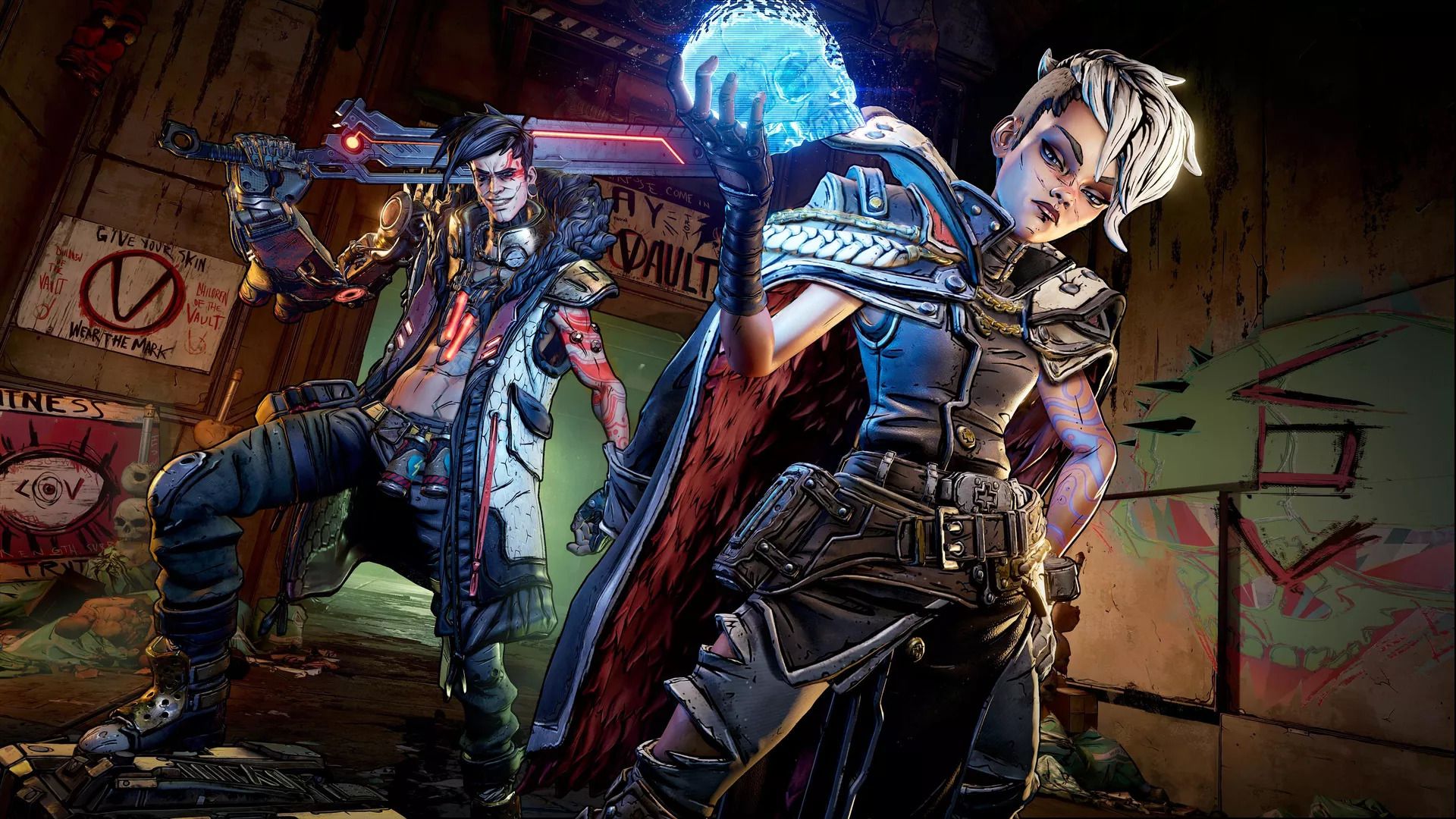
There were more than 1,100 acquisitions, investments and other financial deals in the games industry in 2021, making it a “landmark year for gaming,” according to a new report by industry tracker Drake Star.
Why it matters: Gaming’s COVID-driven player boom in 2020 was followed by an investment boom a year later, resulting in an industry flush with people who want it to thrive.
State of play: Rexing sells her half-pound and five-pound cookies at retailers throughout the Midwest, including her two storefronts in the Twin Cities metro, and she's developed a major social media following.
Her TikToks documenting the process of mixing new flavors have racked up tens of millions of views in just a few months.
Some of the most innovative electric vehicles we've test-driven in the past year were snubbed as 2022 North American Car, Truck and Utility of the Year, announced on Tuesday.
Driving the news: The Lucid Air sedan, Rivian R1T pickup and Hyundai Ioniq 5 crossover utility were all finalists for best vehicles in their category, but they lost out to traditional models from well-known brands.
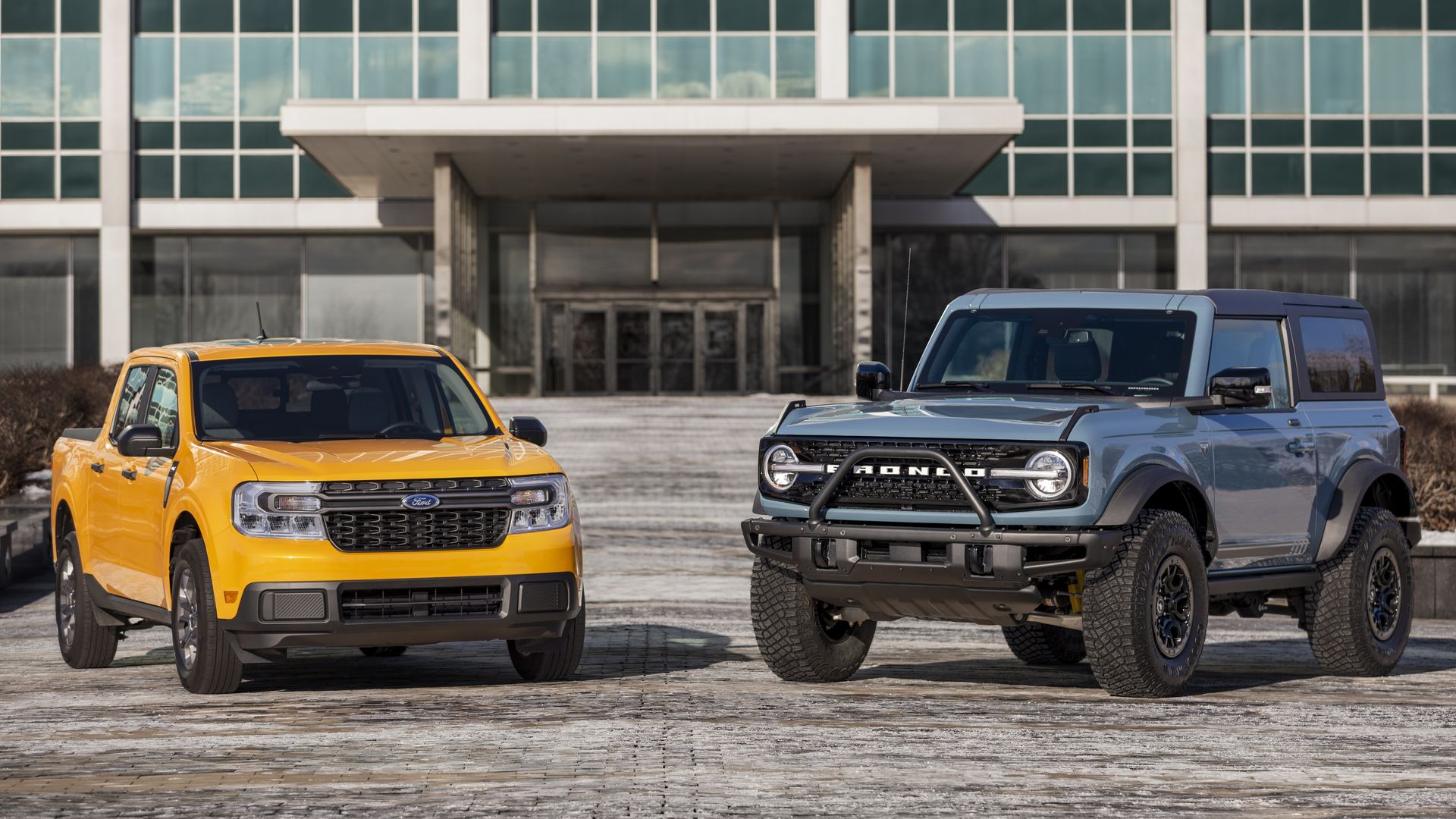
The winners: Honda Civic (car), Ford Maverick (truck) and Ford Bronco (utility).
The jury: 50 leading automotive journalists from the U.S. and Canada (including yours truly).
My thought bubble: The winners stood out for their value for the money and, in the case of the Bronco, technology that enabled even me to excel at off-roading.
Starting at $19,995, the small and efficient Maverick hybrid finally makes pickup trucks affordable for entry-level buyers, and the 11th-generation Civic is rock solid as always.
Yes, but: I was impressed by all three EV finalists, especially since Lucid and Rivian are newcomers to the industry.
The $169,000 Lucid Air Dream is a game-changer that could unlock more affordable electric vehicles for the masses.
Rivian's fresh and surprisingly capable R1T opens up a new market for electric pickup trucks.
And Hyundai's spacious Ioniq 5, which can charge to 80% in just 18 minutes, shows how EVs can easily fit into our lives.
The bottom line: These futuristic EVs hold promise, but it's too early to declare them winners.
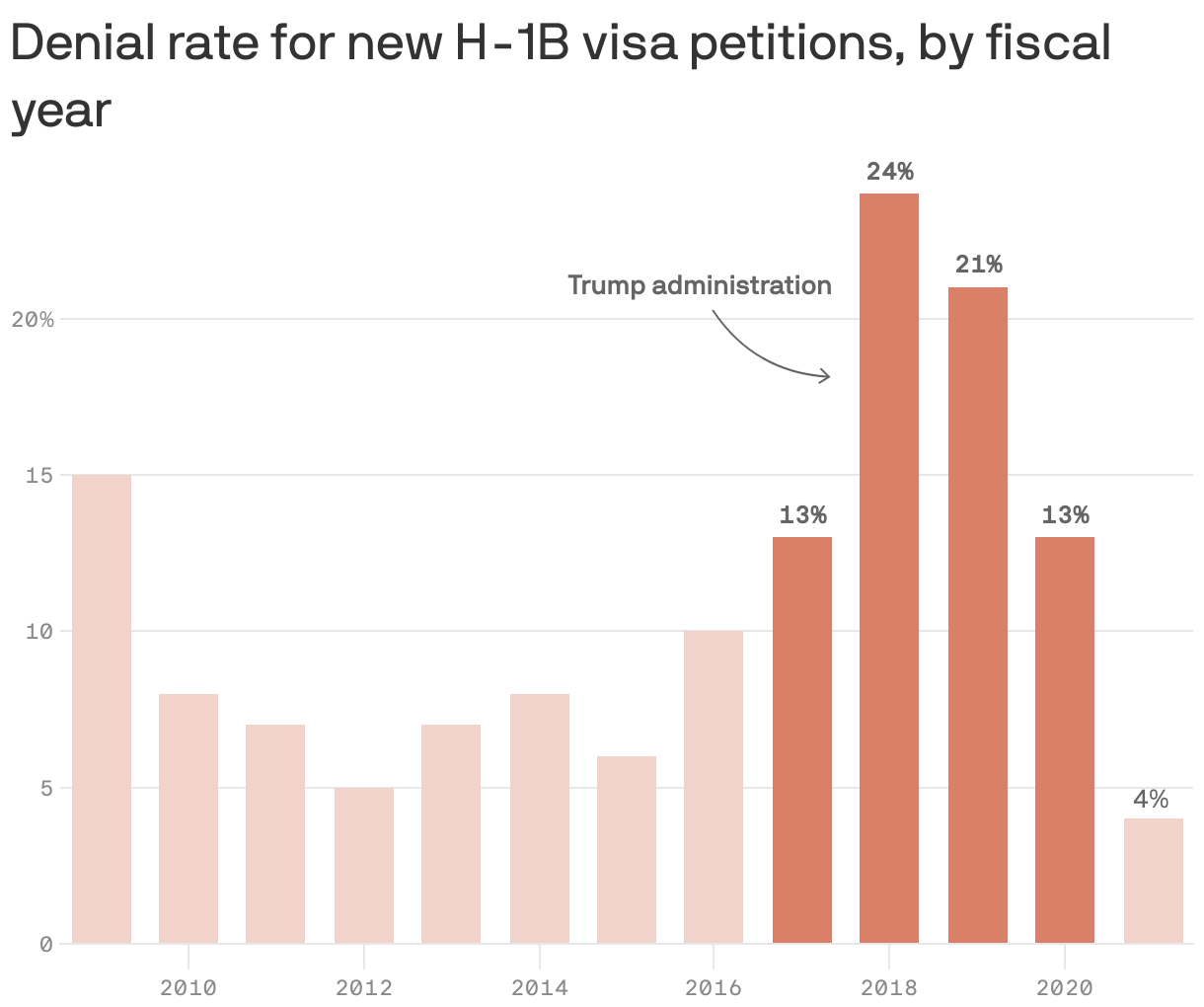
The Biden-era approach to visas used by skilled foreign workers is injecting more certainty into the hiring process for large tech employers after four tumultuous Trump administration years.
Driving the news: Biden's first year saw a record low in the denial rate of high-skilled foreign worker visa petitions, according to an analysis of government data by the National Foundation for American Policy shared exclusively with Axios.
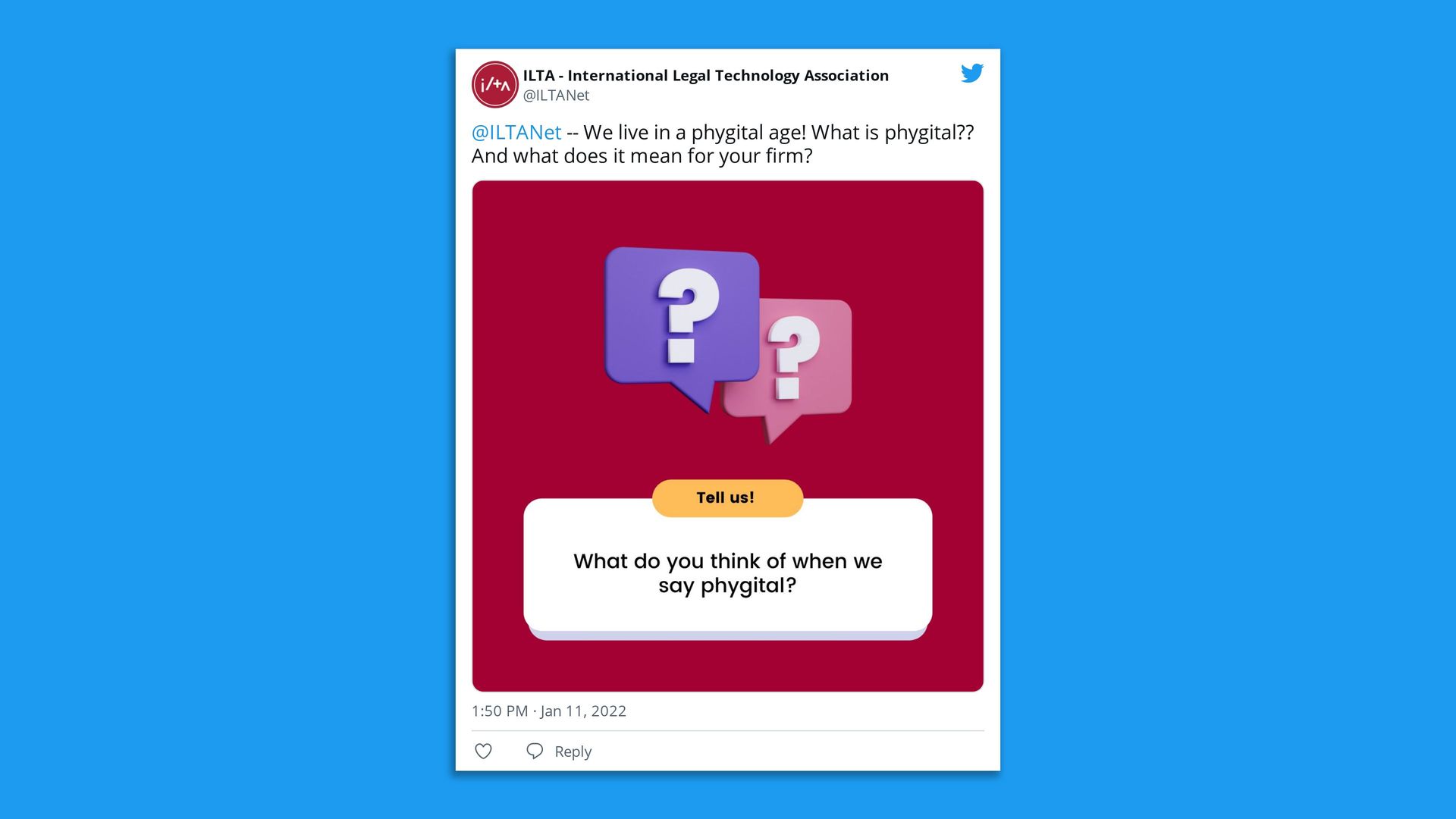
The term "phygital" — a portmanteau of "physical" and "digital" — refers to a marketing strategy in which brands use bricks and clicks to entice customers.
Why it matters: While the term is far from new — an Australian ad agency called Momentum copyrighted it in 2013 — the word is cropping up more and more as digital marketers expand and enhance the concept.
While "phygital" used to be a cool way to describe selling stuff through a blend of brick-and-mortar stores and e-commerce sites, the word gains new relevance in an era of NFTs and the metaverse.
The big picture: Marketers say we're fully immersed in the phygital era, given that consumers expect the same levels of personalization and customer service wherever they shop.
Cashierless stores like Amazon Go and the growing popularity of BOPIS (buy online, pick up in-store) are symbolic of this trend.
"The line — however slim — that existed between in-store and online retail experiences was eliminated during the COVID-19 pandemic," writes Inge De Bleecker in CMSWire.
"We have entered the age of 'phygital' shopping, in which digital enhances the in-store shopping experience."
What's next: Expect to see more blending of the virtual and physical space in the shopping realm, like phygital displays in retail stores that point you to virtual fitting rooms, online product reviews, etc.
Some carmakers and tech companies say they're preparing to deliver self-driving cars to consumers within just a few years, a fresh promise that makes it seem like 2016 again. But beware the hype.
Why it matters: Your car might be capable of driving itself in the not-too-distant future, but only under certain conditions, like favorable weather or within certain geographic limits. And the timetable is squishy at best.
Wordle, the viral once-daily online word game, has started to attract copycats, including some that charge hefty subscription prices or sell items online.
Why it matters: The popular game has a simple premise, making it easy to duplicate. Also, it's web-based, and that leaves a gap in app stores that imitators are quickly filling.
The Federal Trade Commission's antitrust suit against Meta, formerly Facebook, can move forward, a federal court ruled Tuesday.
The big picture: The same judge who dismissed an earlier version of the agency's lawsuit, filed under the Trump administration, says this time the government's case — as rewritten by the agency now led by chair Lina Khan — is good enough to try.
Quality of life for U.S. Latinos who have a disability tends to be worse than for other demographics, spurring efforts to develop new technologies that could help.
Why it matters: One in six Latino adults in the U.S. has a disability. As the Hispanic population grows, more people could be in need of support.
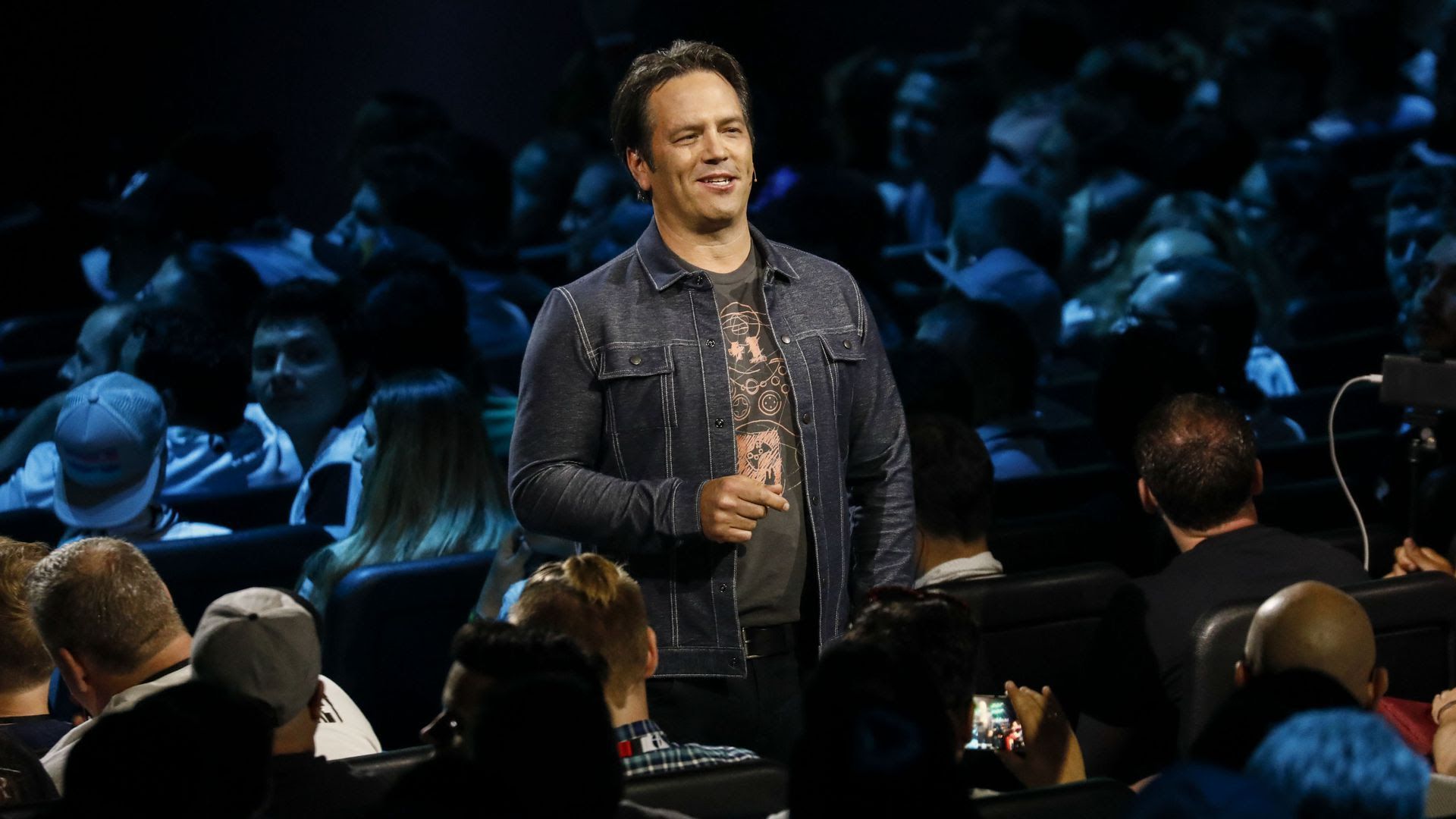
Microsoft isn't interested in "virtue-shaming" other companies, including Activision Blizzard, according to Xbox head Phil Spencer, who says "Xbox’s history is not spotless."
Driving the news:The New York Times published an interview with Spencer that includes talk about Activision Blizzard's ongoing harassment and abuse scandal.
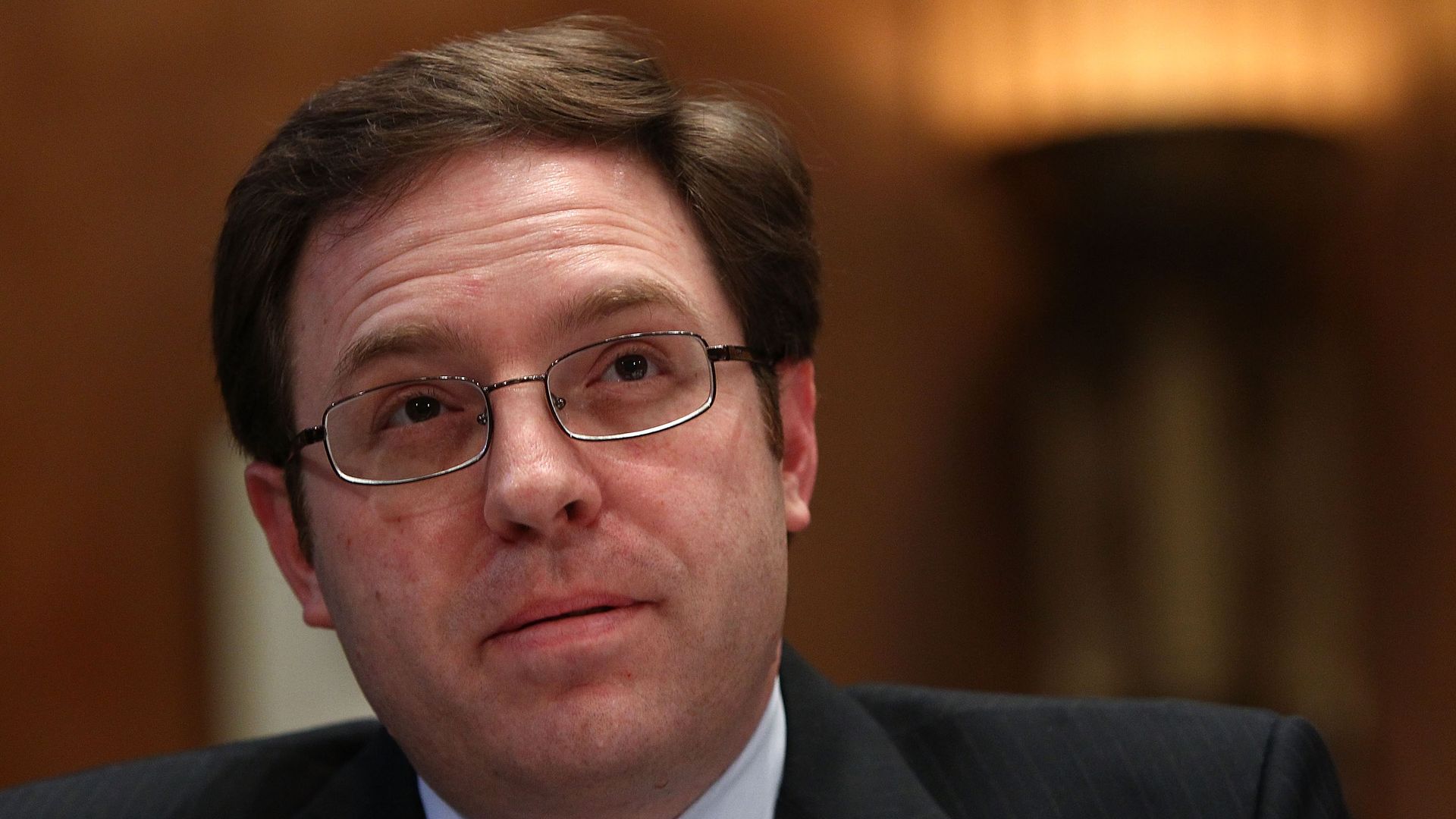
The Senate on Tuesday voted 60-31 to confirm Alan Davidson to lead the telecom unit of the Commerce Department, the National Telecommunications and Information Administration.
Why it matters: Davidson, who previously started Google's policy shop in D.C. in 2005 and most recently was with Mozilla, will take over NTIA as it prepares to oversee $48 billion in funding for broadband deployment as part of the newly passed infrastructure law.
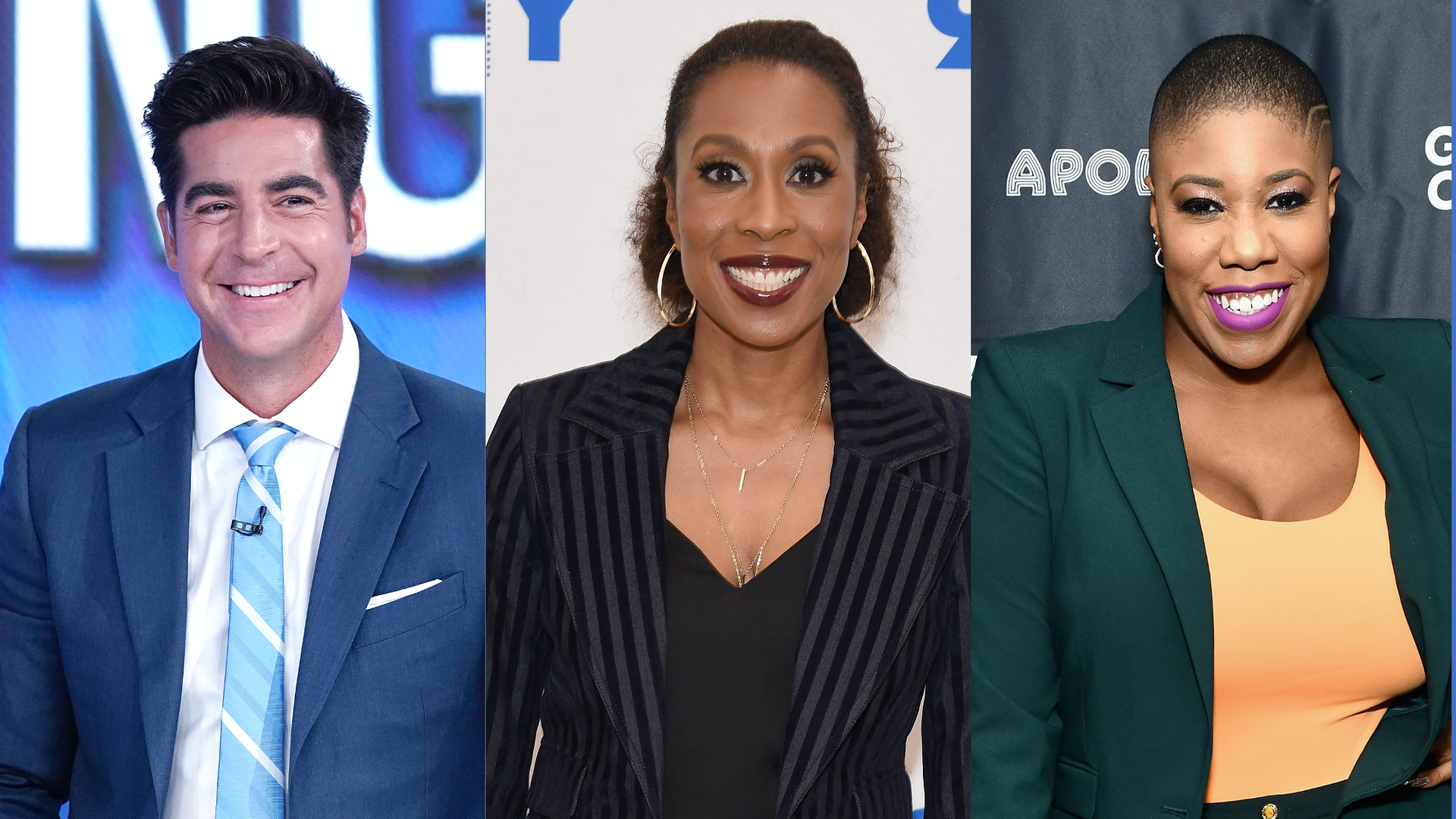
Fox News, CNN and MSNBC all announced major hires and staffing shakeups Monday, as the three networks continue to wrestle with their post-Trump and post-cable futures.
Why it matters: While CNN appears to be pushing aggressively into lifestyle and hard news programming for its new streaming service CNN+, MSNBC and Fox News are doubling down on partisan voices.