Sony has revealed more information on its next iteration of virtual reality tech for the PlayStation 5, as well as a new VR Horizon game from Guerrilla and Firesprite.
The details: During the company's CES 2022 presentation, Sony Interactive Entertainment president and CEO Jim Ryan announced the names for the PlayStation VR2 and the PlayStation VR2 Sense controllers.
While many tech companies have pulled out of an in-person presence this year, the CES show is going on, with thousands of companies still exhibiting and others shifting to an online-only approach to deliver their new products and announcements.
The big picture: The pandemic has been a huge challenge for product launch events, but a boon to demand for consumer electronics for both work and play. Here's the latest from CES — check back all week for more from the Axios tech team.
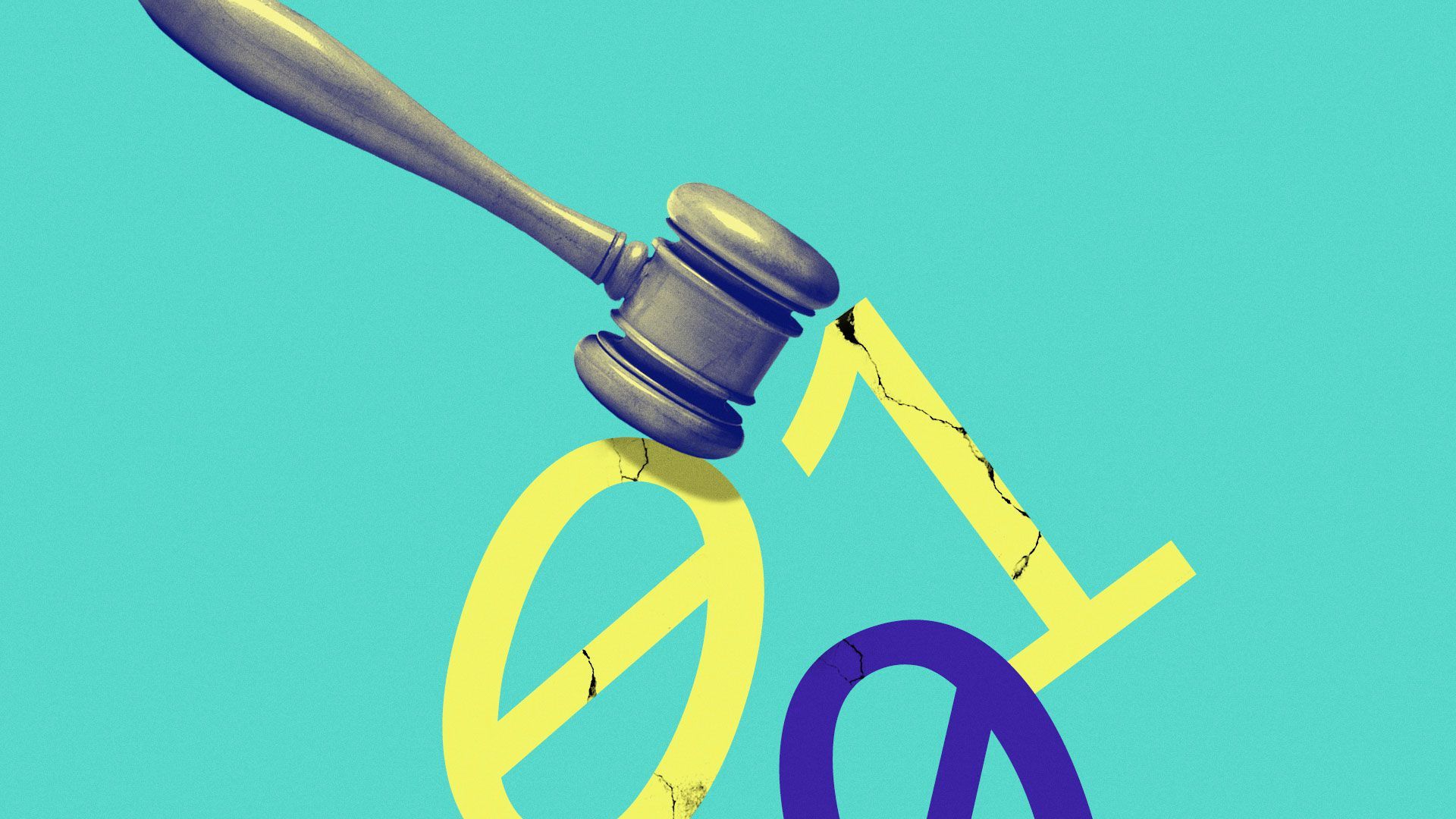
Monday's Elizabeth Holmes verdicts became, instantly and inevitably, a Rorschach test for Silicon Valley's self-image.
What they're saying: Critics of tech's go-go startup culture saw the Theranos founder's conviction on four counts of conspiracy and fraud as evidence that the entire industry sits on a foundation of deception and hype. Others cited the outcome as healthy proof that even a business built on daring the impossible has a ceiling on hubris.
Launch House, a company that hosts month-long programs for entrepreneurs at its communal houses, is raising $10 million for a fund to invest in startups, per a new SEC filing.
Why it matters: While the pandemic forced many programs—including famed accelerator Y Combinator—to go online, Launch House is betting that the in-person format is superior.
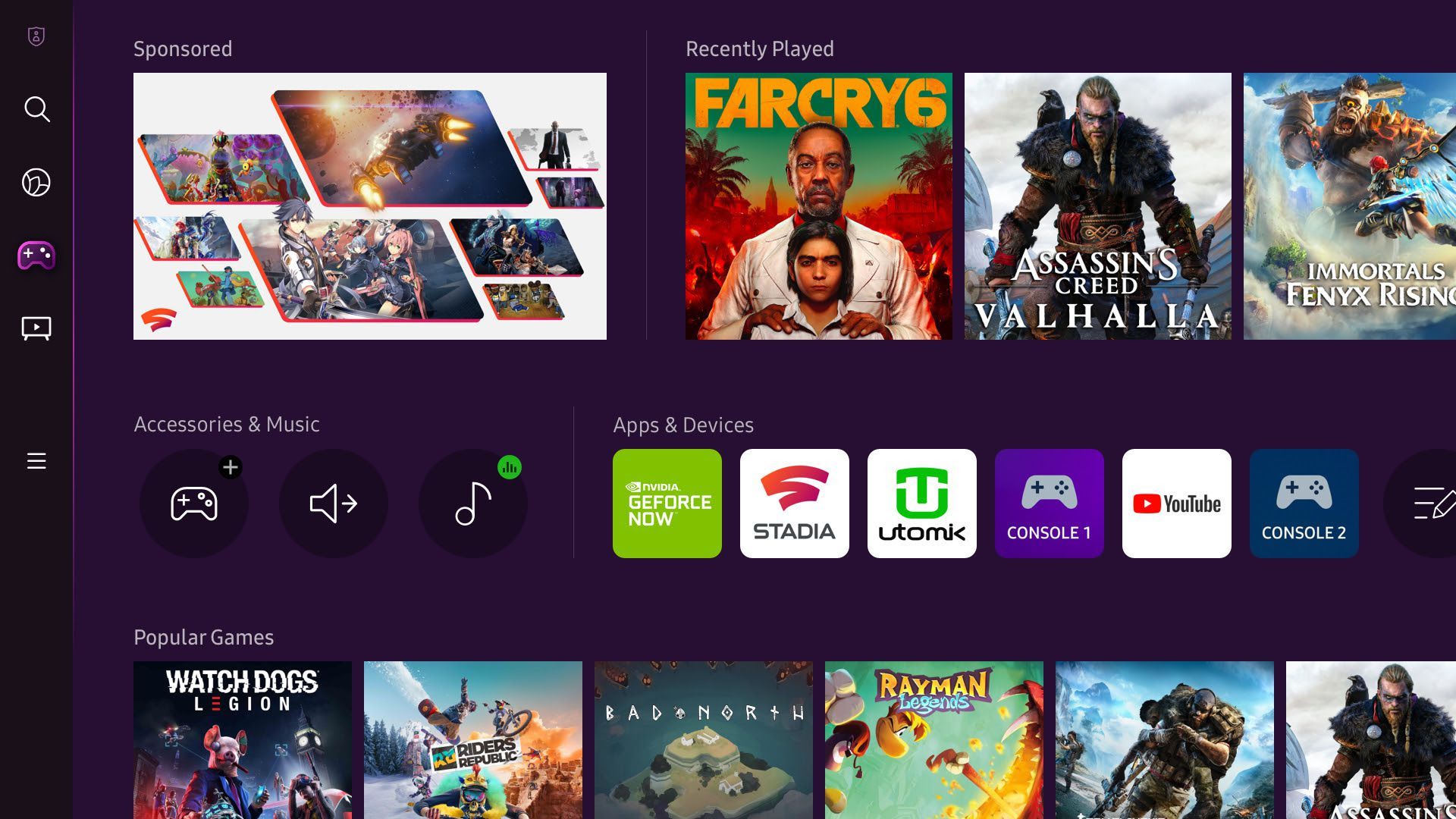
2022 could be a breakthrough year for playing games without needing to own any hardware that can run them locally.
Driving the news: On Sunday, the crowd of megacorps pushing game-streaming tech got bigger, as Samsung announced that some of its TVs will support the Google Stadia and Nvidia GeForce Now streaming apps later this year.
NFT marketplace OpenSea is in talks to acquire Dharma Labs, a digital wallet for cryptocurrencies, Axios has learned from multiple sources.
Why it matters: NFTs have exploded in popularity, as everyone from global consumer brands to indie artists have rushed to sell digital collectibles, and user-friendly crypto wallets are critical to the industry's future growth.
Deere & Company introduced the world's first autonomous tractor Tuesday, a technology breakthrough that could help farmers cope with a worsening skilled labor shortage.
Why it matters: Farmers are getting older — 55 years old on average — and with more than 80% of the U.S. population residing in urban areas, there aren't enough laborers to do the work or operate machinery.
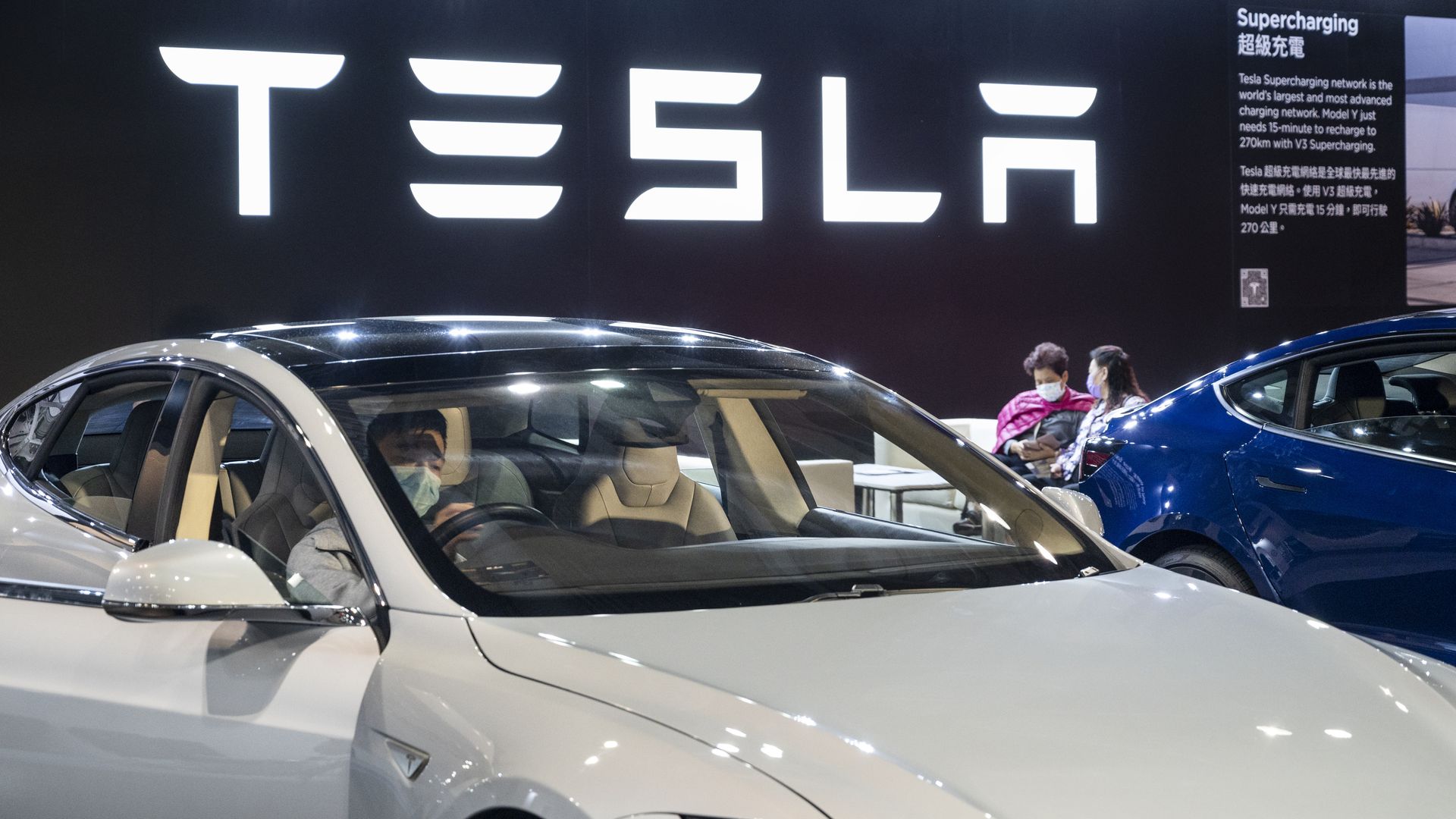
Tesla has opened a showroom in China's Xinjiang region, the province where the Chinese government has been accused of carrying out genocide against Uyghur Muslims and other ethnic minorities.
Why it matters: Human rights advocates panned Tesla's decision, which comes weeks after President Biden signed into law a bill banning imports from Xinjiang unless there's "clear and convincing evidence" that they weren't made with forced labor, and imposing sanctions on those responsible for the forced labor.
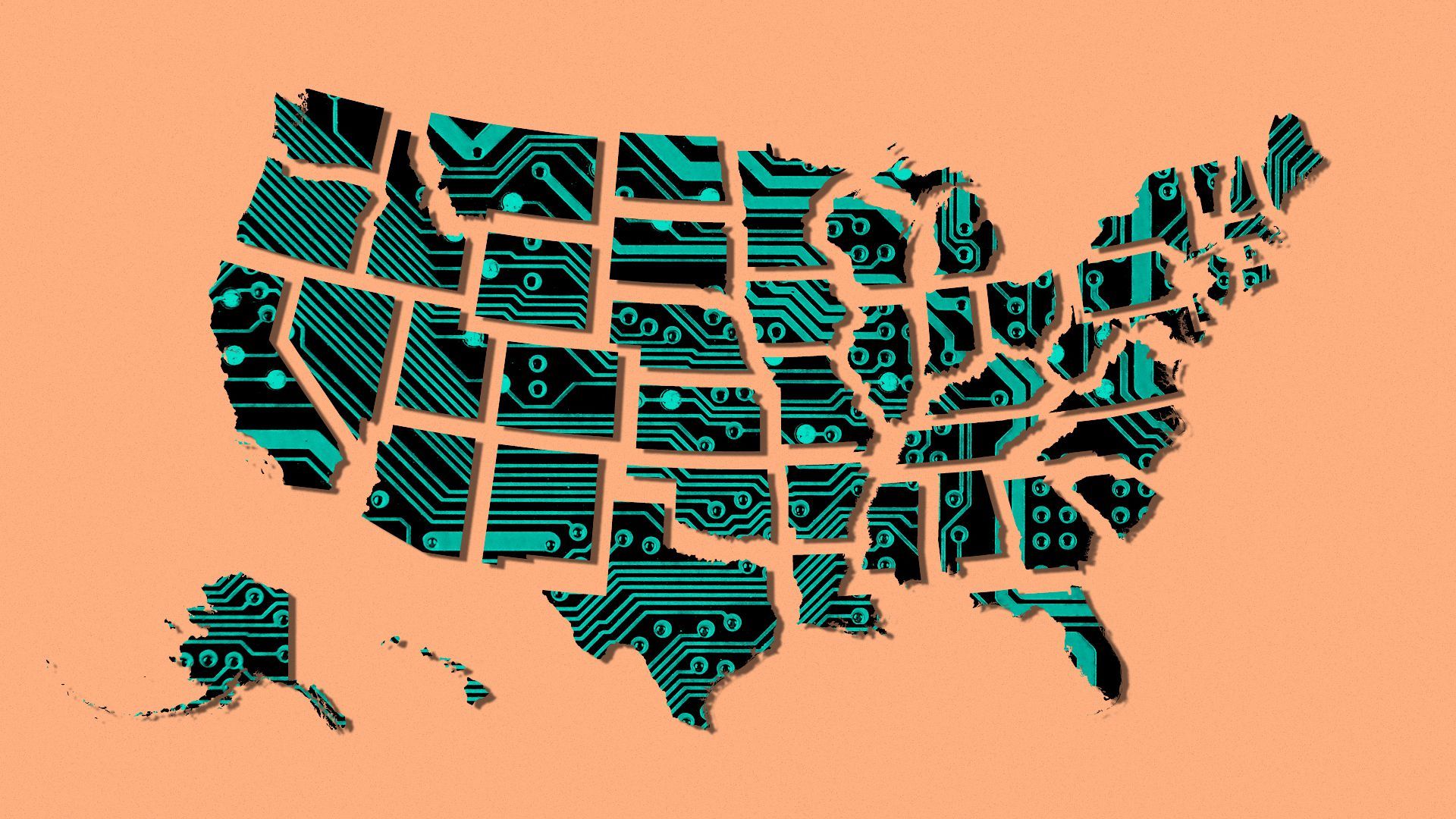
States will ramp up the momentum they've built in tackling key tech policy priorities through 2022, speeding ahead of any potential federal legislation.
Why it matters: As Congress continues to make little tangible progress passing new rules for the tech industry, state legislatures have taken the lead in enacting new tech regulations.
AT&T and Verizon late Monday said they would briefly delay a planned deployment of 5G services, reversing course in an ongoing fight with the aviation industry.
Why it matters: The Federal Aviation Administration has warned that without protections, potential interference from 5G signals could lead to flight cancellations or planes being diverted from airports.
Elizabeth Holmes, the founder and former CEO of blood-testing company Theranos, on Monday was found guilty of conspiracy and fraud against certain investors by a California jury.
Why it matters: Holmes was the poster child of Silicon Valley hubris, taking "fake it till you make it" to illegal extremes. She was found not guilty on several charges relating to patients and company ads in Arizona.




/2022/01/03/1641173221262.gif?w=3840)



/2021/12/29/1640821561468.gif?w=3840)