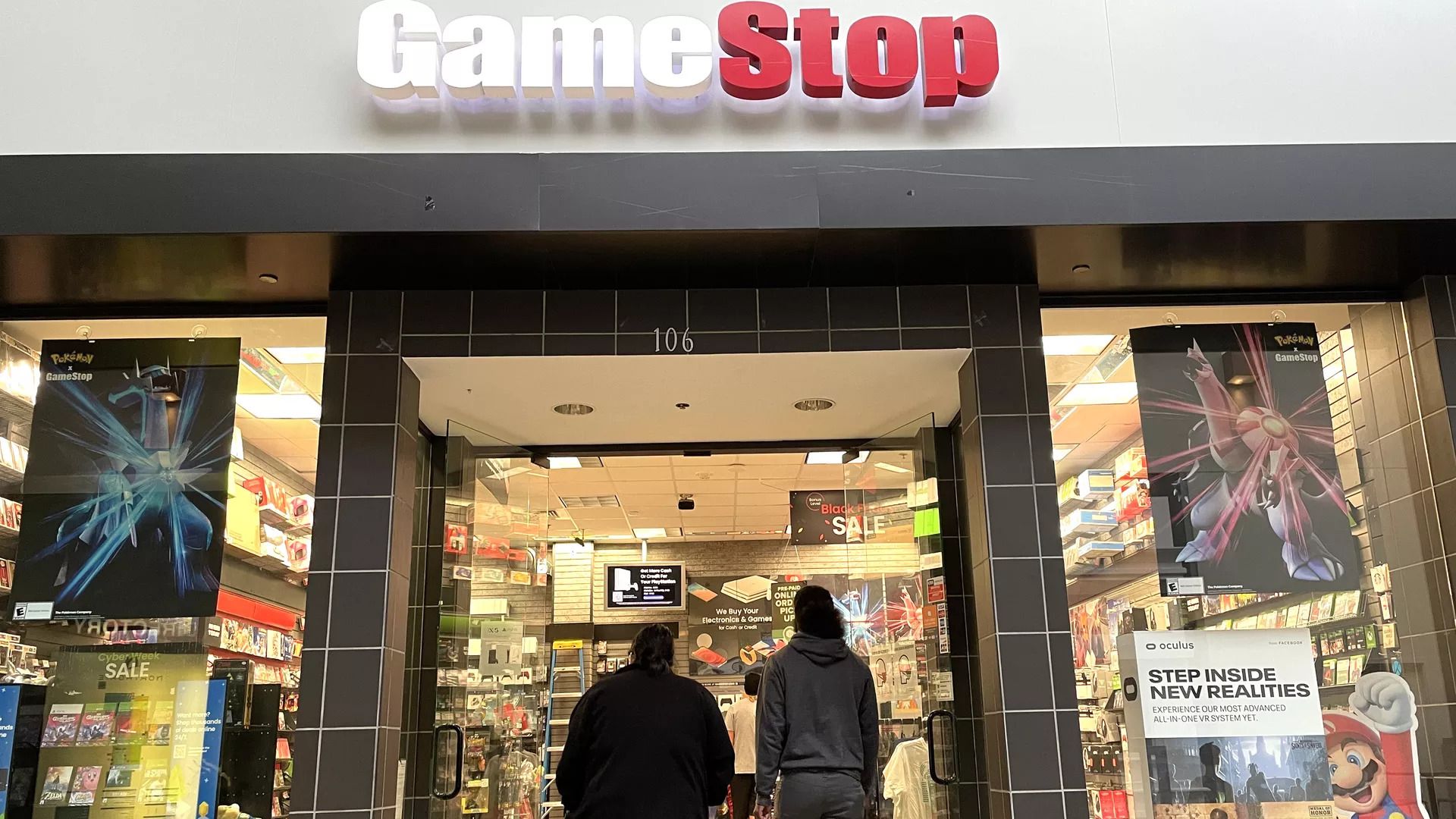
Konami and GameStop have announced investments into the NFT (non-fungible tokens) space, as companies push ahead with the controversial digital items.
Driving the news: According to a Wall Street Journal report, GameStop has hired more than 20 people to run a new division dedicated to creating cryptocurrency partnerships and an NFT marketplace.
It's been long known that trees can slow down some 5G signals. A recent federal study aims to figure out just how much, in order to create more accurate signal strength prediction models.
Why it matters: 5G has the potential to supercharge wireless networks, but its rollout has revealed a range of complex challenges.
The grand metaverse that tech enthusiasts talked up last year remains a distant goal for the industry, but this week's Consumer Electronics Show in Las Vegas showed off a few of its building blocks as they begin to materialize.
Why it matters: The full vision of a shared, 3D digital dimension a la "Ready Player One" is probably still a decade away — but it won't arrive out of nowhere in one piece. Instead, it will show up in bits and chunks, clunky and disjointed, before coalescing into something both functional and useful.
The mobile gaming scene is likely to get more games in 2022 that were also made for PC and console, TouchArcade editor-in-chief Jared Nelson tells Axios.
Why it matters: Mobile is already the biggest sector in gaming, but what constitutes a mobile game is rapidly changing.
The 13th annual running of Awesome Games Done Quick will start this Sunday, kicking off a week of the best spectacles in gaming.
Why it matters: The increasingly successful livestreamed GDQ events, which include the flagship AGDQ each January, showcase the ingenuity and generosity of the gaming community.
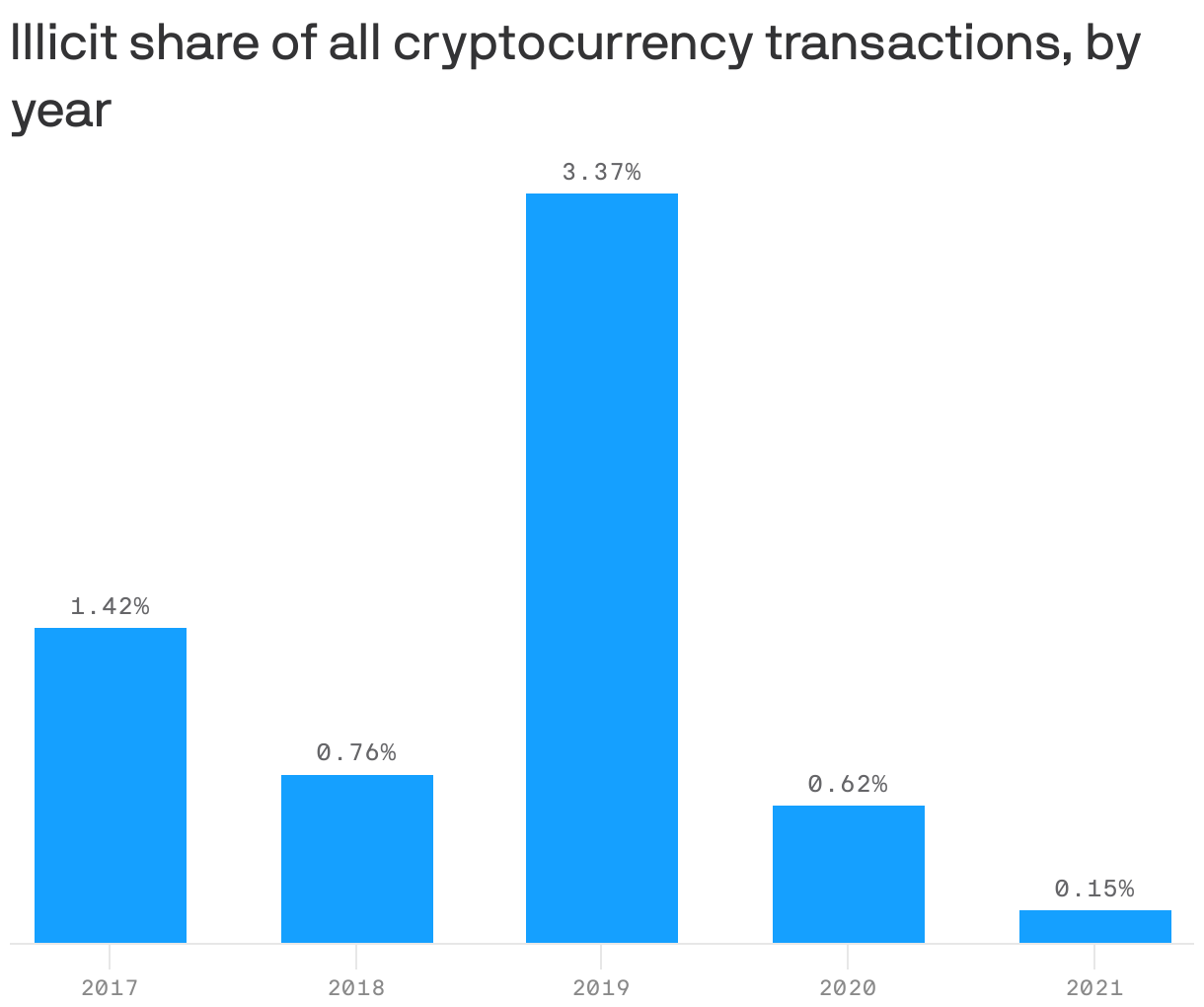
Illicit activities like cybercrime, money laundering and terrorist financing made up only 0.15% of all crypto transactions conducted in 2021, according to a new report from Chainalysis, a blockchain data platform.
Why it matters: This is a sign of crypto's growing mainstream popularity — and a rebuke to critics who say digital currency is mainly for criminals.
Conspiracy theories about the U.S. Capitol insurrection continue to flood private messaging groups, social networks and even major news outlets one year later.
Why it matters: The lasting echo chamber of misinformation shows the long-term impact the event will have on future elections.