Friday's technology stories

The machine rumbles on
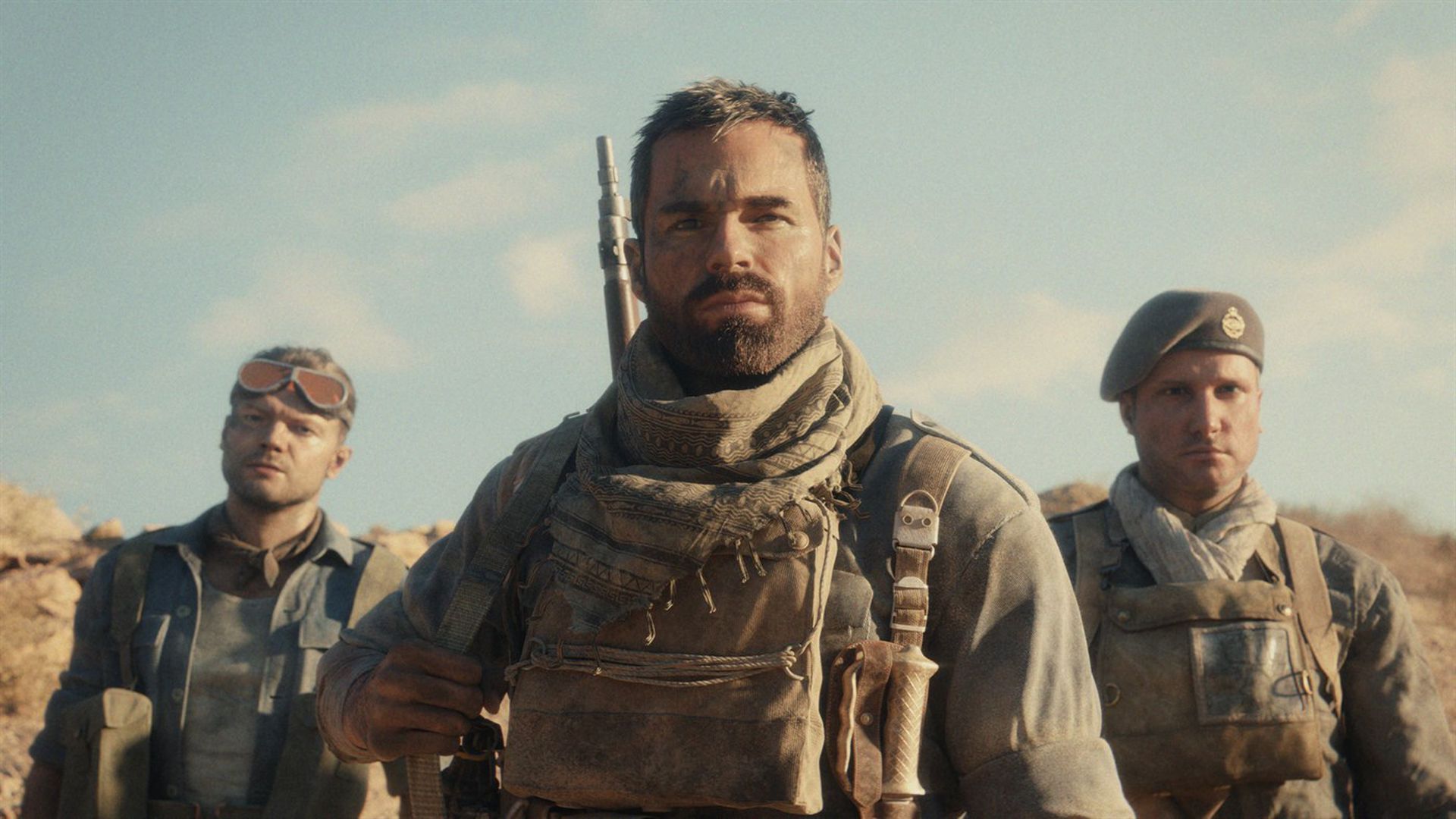
Activision Blizzard is full steam ahead in hyping the next "Call of Duty," even as negative publicity about an anti-discrimination lawsuit persists.
Why it matters: California’s lawsuit against Activision Blizzard led to worldwide headlines and a walkout several weeks ago, but time tends to be the enemy of persistent scrutiny.
What's happening: Activision is in full-on prep mode for the big fall season.
- Yesterday was sort of a “Call of Duty” holiday, with the official trailer reveal of November’s “Call of Duty Vanguard” and the kickoff of the Call of Duty League’s 2021 seasonal finals.
- Today is also the start of a public beta for Blizzard’s big fall release, “Diablo II: Resurrected.”
Meanwhile, Activision has quieted down about its troubles.
- A check of court records shows the company has yet to officially respond to the lawsuit from California’s Department of Fair Employment & Housing, which was filed a month ago today.
- It had initially responded to the lawsuit harshly, calling it “distorted,” then saw its CEO strike a softer tone before replacing the leadership at Blizzard in advance of a quarterly call with investors.
But… workers who have formed a group called “A Better ABK” (ABK = the company branches Activision, Blizzard and King) say the company has failed to address specific demands made at the walkout.
- Those demands include an end to mandatory arbitration clauses in employee contracts, improved talent recruiting that emphasizes diversity, and publication of compensation data.
- “Their silence is taken as refusal at this point,” current Blizzard test analyst Jessica Gonzalez tells Axios.
On Tuesday, Gonzalez publicly shared a message she said an in-house recruiter sent her on LinkedIn, apparently in reference to articles and messages she'd been posting online about problems at the company.
- It read, in part: “Some of the articles that you are sharing freak candidates out…. Can you please share what we are doing as a company to eliminate such toxic behavior?”
- She didn’t respond. “I was kind of in shock,” she says.
- Regarding this incident, a company rep told Axios: “We support employees’ right to express their opinions and concerns in a safe and respectful manner, without fear of retaliation.”
What’s next: The games are coming, of course — not that there was any doubt — and the impact of new leadership at Blizzard is still in the wait-and-see phase for workers there.
- A meeting between the judge and the parties, should it continue to move to a trial, is set for Dec. 9.

OnlyFans sends creators scrambling with sudden ban on "sexually explicit" material

That was fast.
- Shot: On Thursday, we wrote that OnlyFans has a "porn problem," in explaining why a user-generated content platform with epic numbers is struggling to secure outside investment.
- Chaser: Several hours later, the London-based company took a machete to its business model, saying it will ban "sexually explicit" material, beginning in October.
A video game you can't see

The most unusual video game released on Xbox this week is an attempt by veteran developer Dave Evans to make an interactive adventure that blind and sighted players can enjoy equally.
Why it matters: While there are hundreds of audio-only games on PC, one of them making it to consoles is nearly unheard of. (It's also on PC.)

FTC accuses Facebook of "buy or bury" scheme in new antitrust complaint
The Federal Trade Commission on Thursday took a second shot at alleging Facebook is an illegal monopoly in a new complaint that accuses the social media company of buying up potential competitors or thwarting their access to the platform.
Why it matters: The FTC, now led by Big Tech critic Lina Khan, is trying to save its case against Facebook after a judge dismissed its first attempt.
Oversight Board upholds Facebook decision to keep post calling lockdowns ineffective

The independent Oversight Board on Thursday upheld Facebook's decision to leave up a post from a medical council in Brazil that claimed lockdowns are ineffective.
The big picture: The board's decision provides insight into how Facebook's removal threshold for content that creates a risk of imminent harm will be applied to posts about COVID-19.

Minneapolis' vaccine message goes viral with TikTok videos
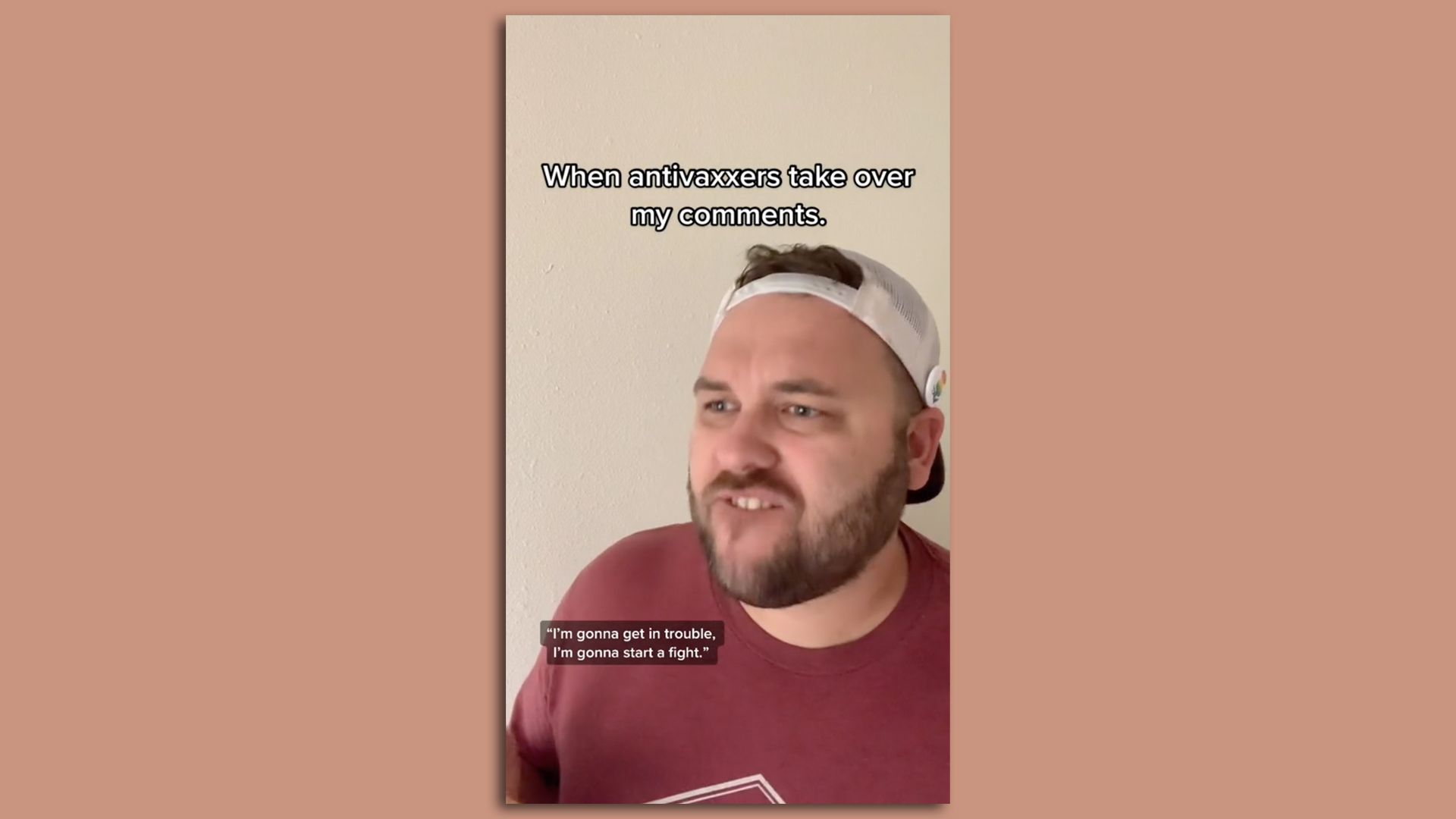
The city of Minneapolis' latest effort to urge residents to get their COVID-19 shots is going viral.
Driving the likes: Pro-vaccination posts to the city's TikTok account have racked up hundreds of thousands of views and tens of thousands of likes on the social media platform in recent days.
- In typical TikTok style, the brief videos use humor and pop culture references — audio from the hit show "Parks and Recreation" and a Pink song — to get the point across.
Why it matters: TikTok can help governments and public health authorities reach younger people who might tune out other, more traditional PSAs.
- State data shows vaccination rates among teens — and even those under age 49 — lag older populations.
- While TikTok doesn't give a breakdown of audience by age, Jordan Gilgenbach, Minneapolis' social media officer and star of the @cityminneapolis account, said most of the comments come from the under-35 set.
Of note: The city of Minneapolis was one of the first government agencies to join TikTok back in 2019.
What they're saying: "I've got a very targeted audience that is at big risk and has the tools to be at less risk, and isn’t taking advantage of it," Gilgenbach told Torey.
The bottom line: While individual doctors (and anti-vaxxers) have attracted large followings, many municipalities and public health authorities remain wary of the platform's more casual vibe. Gilgenbach thinks that's a mistake.
- "There's so much potential here for brands to be relatable in a way that feels organic to the platform, that's not boring," he said.

How Facebook aims to move work meetings to VR
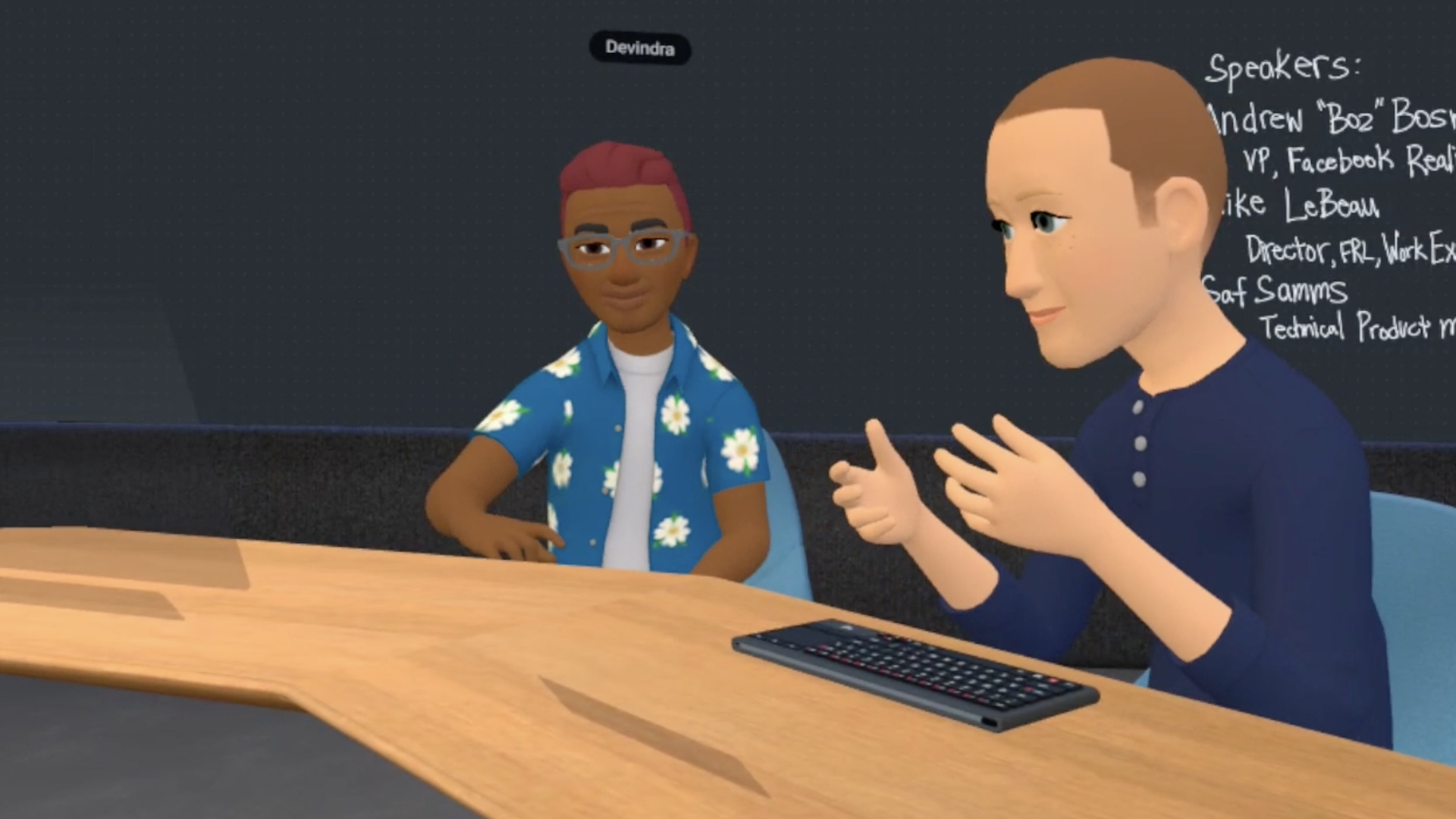
Facebook is pitching a new option for distant coworkers who want to gather and regain some of the spontaneous creative space lost in a world of Zoom meetings: Strap on a VR headset.
Why it matters: Facebook is debuting Horizon Workrooms, a free app that is part of the company's effort to create a broad "metaverse" in which physical distance is removed as a barrier for those who want to interact with one another.

Using synthetic biology platforms to clean up indigo dye-making

A company using a bio-based approach to making more environmentally friendly indigo dye is the first small startup to sign up with Ginkgo Biowork's automated synthetic biology platform.
Why it matters: Boston-based Ginkgo, which recently made plans to go public via a SPAC deal, aims to become the Amazon Web Services for the growing synthetic biology world, offering its microbe engineering foundry as a platform to build out biological apps.

Aurora offers an open book test for self-driving cars

If you can pass a driver's test, you can get an operator's license. But there is no corresponding test for autonomous vehicles.
Why it matters: Unless Congress acts, it'll be up to tech companies and carmakers — not the government — to determine when self-driving cars are safe for public roads. "Just trust us" isn't a viable answer to earn public acceptance.
What's happening: One self-driving tech company, Aurora, argues that publicly sharing its work — through a series of layered safety claims along with detailed evidence to back up each one — is the best way to determine when the technology is safe.
- This "safety case framework" is a structured argument that gives engineers a roadmap for developing the tech while also offering much-needed transparency to the public.
- "It's like saying you're going to climb a mountain, but you don’t know how high the mountain is or how many steps it will take to get there," explains Nat Beuse, Aurora's vice president of safety. "The safety case tells us how high it is and how many steps it will take to make the ascent."
Between the lines: The approach is also more meaningful, Beuse says, than other proxies for AV safety, such as counting how many times a backup safety driver had to take control during testing (California's so-called "disengagement reports") or how many millions of road miles an AV developer logs (the basis for Waymo's leadership claim).
Of note: Beuse, a former official at the U.S. Department of Transportation, was instrumental in establishing a new approach toward safety at Uber's autonomous vehicle unit after one of its self-driving cars killed a pedestrian in 2018.
- Aurora acquired the Uber unit in January.
- Other industries, including aviation, nuclear and medical, also use a safety case-based approach to assess their performance.
Go deeper: Explore Aurora's interactive framework here and an explanation of how it works here.