Supporters of former President Donald Trump who thought he was about to stop the inauguration, seize power and crush his enemies were left blinking in the sunlight Wednesday as President Biden took the oath of office.
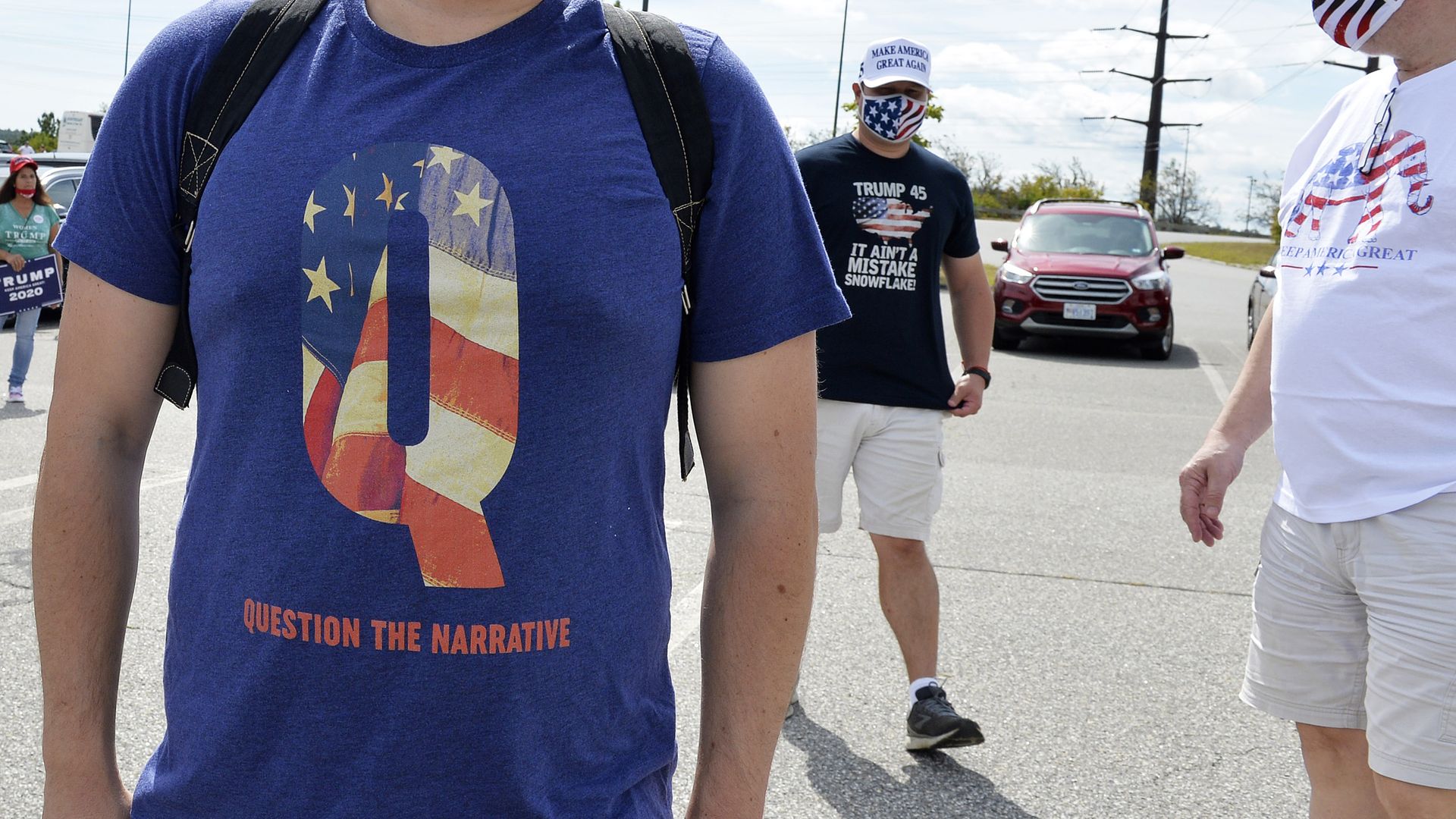
Why it matters: It's an inflection point for anyone who realizes they've been strung along by QAnon and related strands of pro-Trump magical thinking. They could either retreat from conspiracy theories or tumble deeper down the rabbit hole.
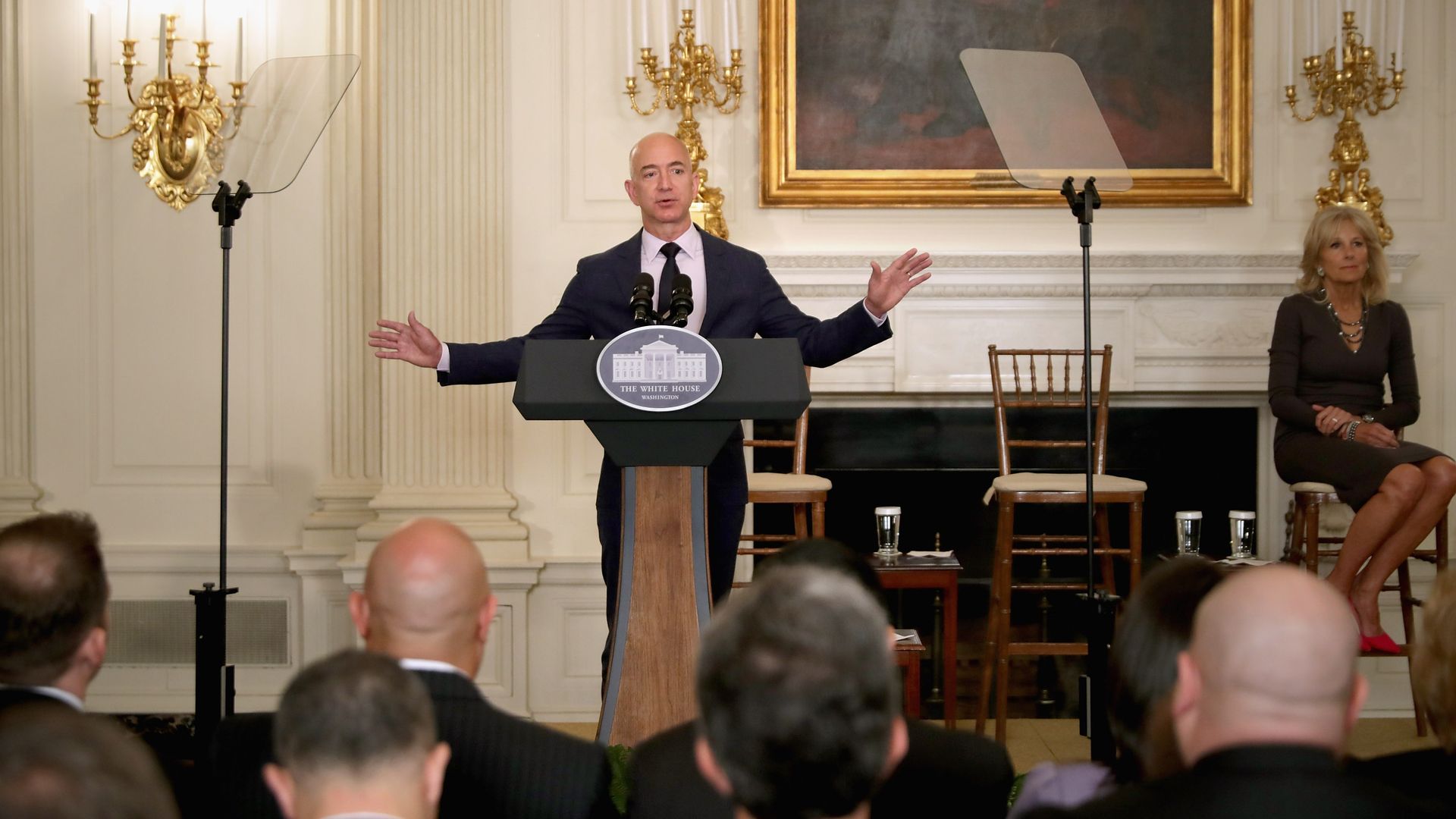
Amazon's worldwide consumer CEO Dave Clark has offered to help the Biden administration with its coronavirus vaccination goals by mobilizing efforts to inoculate its employees, according to a letter sent to President Biden on Wednesday.
Why it matters: As demand for the coronavirus vaccine is outstripping supply, Amazon has about 800,000 employees, many of whom are essential workers. The Biden administration wants to vaccinate 100 million Americans in 100 days.
The online far right is about to face a cold reality it long denied was a possibility: the post-Trump era.
What's happening: Fringe-right internet users are broadly poised to enter the Biden era in one of three states: Denial, disenchantment or determination to use the moment to their advantage.
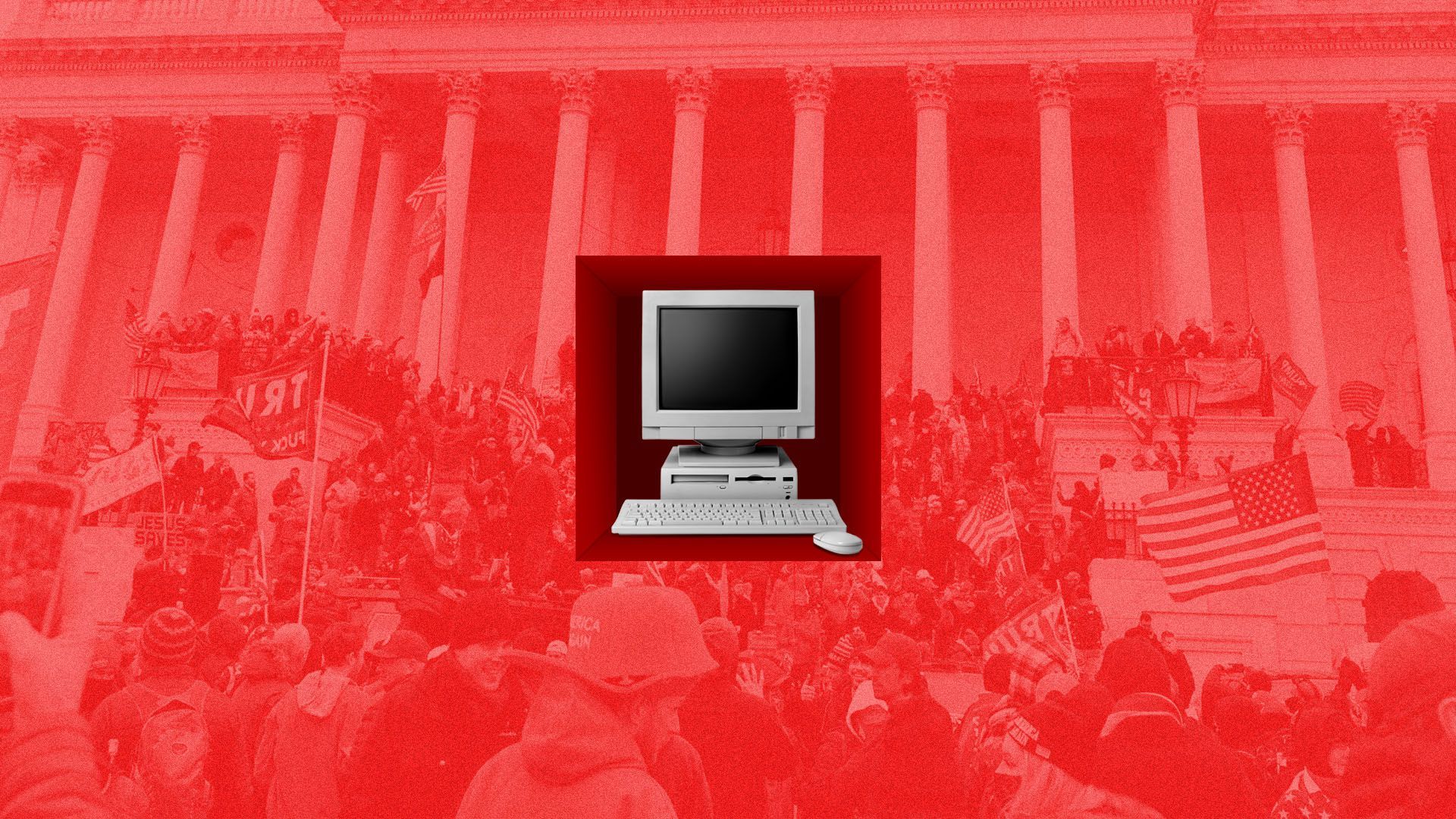
The Capitol insurrection means the anti-tech talk in Washington is more likely to lead to action, since it's ever clearer that the attack was planned, at least in part, on social media.
Why it matters: The big platforms may have hoped they'd move to D.C.'s back burner, with the Hill focused on the Biden agenda and the pandemic out of control. But now, there'll be no escaping harsh scrutiny.
Domestic terrorism has proven to be more difficult for Big Tech companies to police online than foreign terrorism.
The big picture: That's largely because the politics are harder. There's more unity around the need to go after foreign extremists than domestic ones — and less danger of overreaching and provoking a backlash.
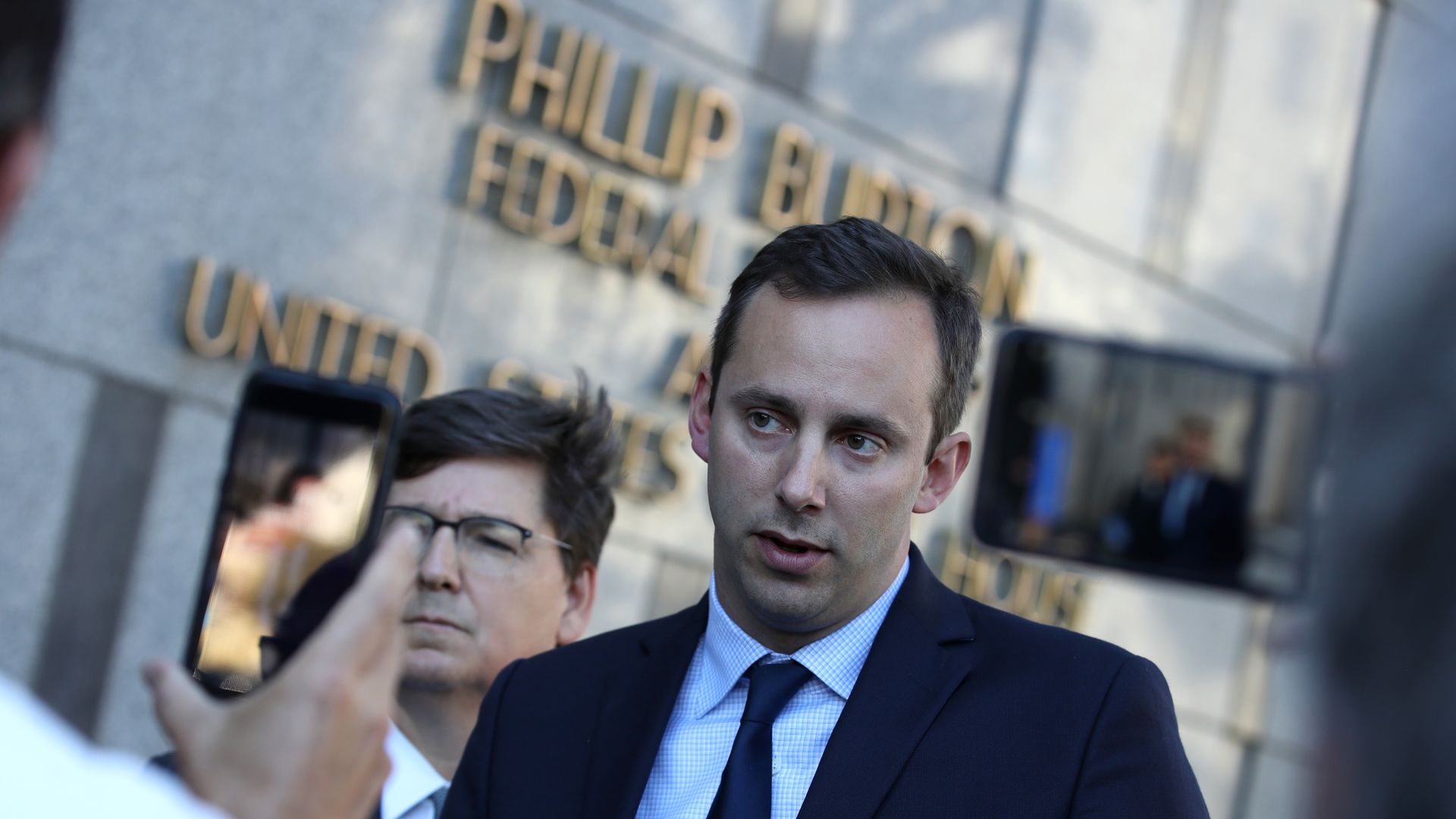
In the last hours of his presidency, President Trump granted a full pardon to Anthony Levandowski, the engineer at the center of a 2017 lawsuit between Google's self-driving car unit and Uber over alleged theft of trade secrets.
Why it matters: The case made headlines as a bitter legal battle between two of Silicon Valley's best-known companies in the race to build self-driving cars.
Google is investigating recent actions by Margaret Mitchell, who helps lead the company's ethical AI team, Axios has confirmed.
Why it matters: The probe follows the forced exit of Timnit Gebru, a prominent researcher also on the AI ethics team at Google whose ouster ignited a firestorm among Google employees.
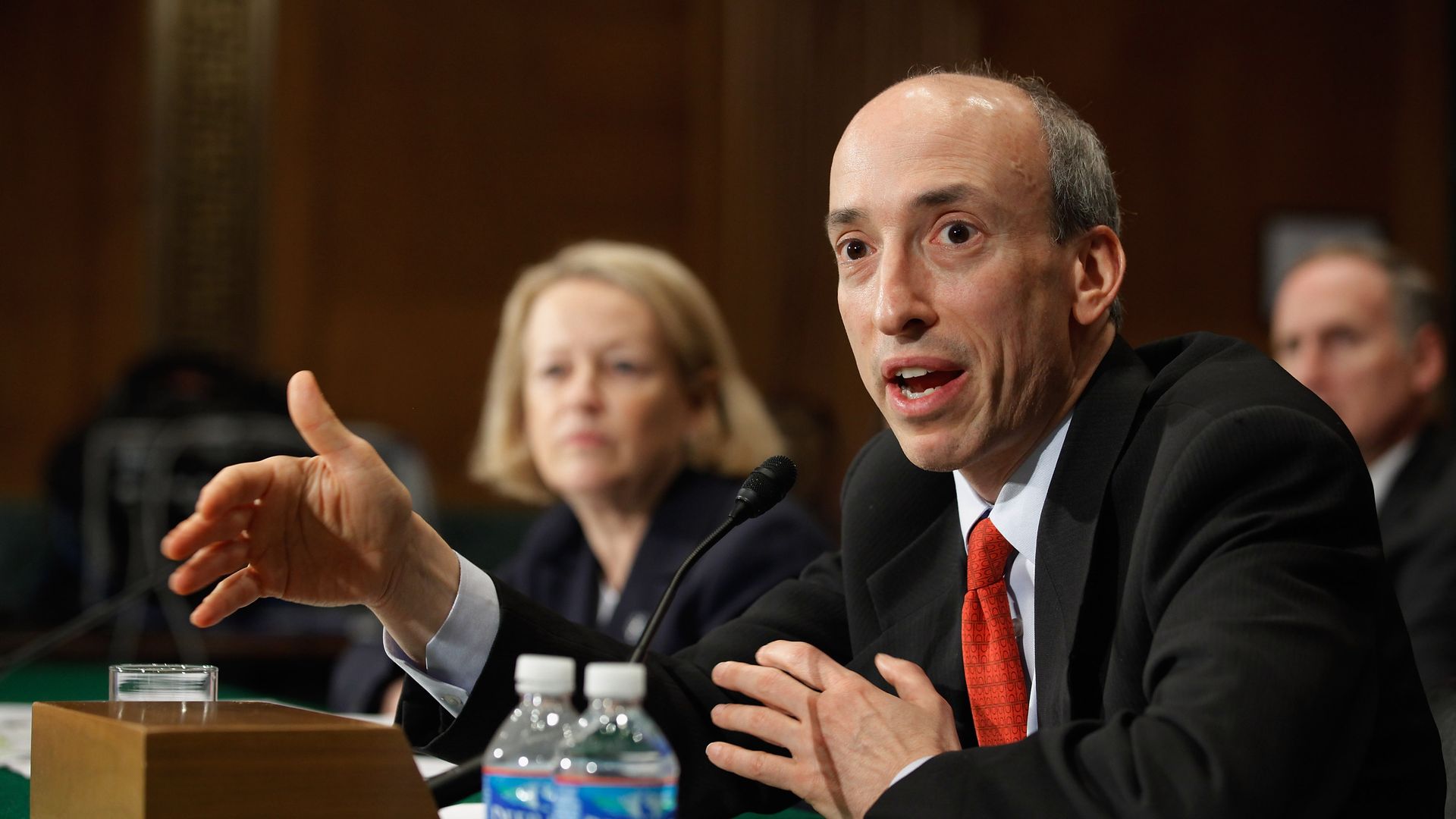
Gary Gensler’s nomination to head the U.S. Securities and Exchange is welcome news for the cryptocurrency industry given his ongoing and deep interest in the technology.
Why it matters: Although the SEC has conveyed some of its views via enforcement actions and the like under Trump-era chair Jay Clayton, the industry has been yearning for even more regulatory clarity.
A survey of C-suite executives found more than a quarter are considering moving their operations to another state or country.
Why it matters: The forced march to remote work during the pandemic has shaken loose the bonds that tie large businesses to their home territory — and that could be bad news for high-cost cities and states.
Donald Trump has one day left in the White House. TikTok has a lot longer left in the app stores, despite still being owned by China's ByteDance.
Why it matters: Trump's failure to force divestiture or eviction was more than just a blunder, or source of schadenfreude for the TikTok users who bedeviled his reelection campaign's event planners. It was part of a "talk loudly and carry a small stick" economic policy toward China that Joe Biden will inherit.
Microsoft is joining GM, Honda and others in a $2 billion investment round in Cruise to help commercialize its self-driving cars. The deal bumps Cruise's valuation to $30 billion, from $19 billion last year.
Why it matters: The investment is part of a broader commitment by GM and Cruise to use Microsoft's Azure cloud-computing platform across their companies, especially as they roll out increasingly complex vehicles that rely on digital technologies.
Forced online by the pandemic and overshadowed by the attack on the Capitol, the 2021 edition of CES was mostly an afterthought as media's attention focused elsewhere.
Why it matters: The consumer electronics trade show is the cornerstone event for the Consumer Technology Association and Las Vegas has been the traditional early-January gathering place for the tech industry.
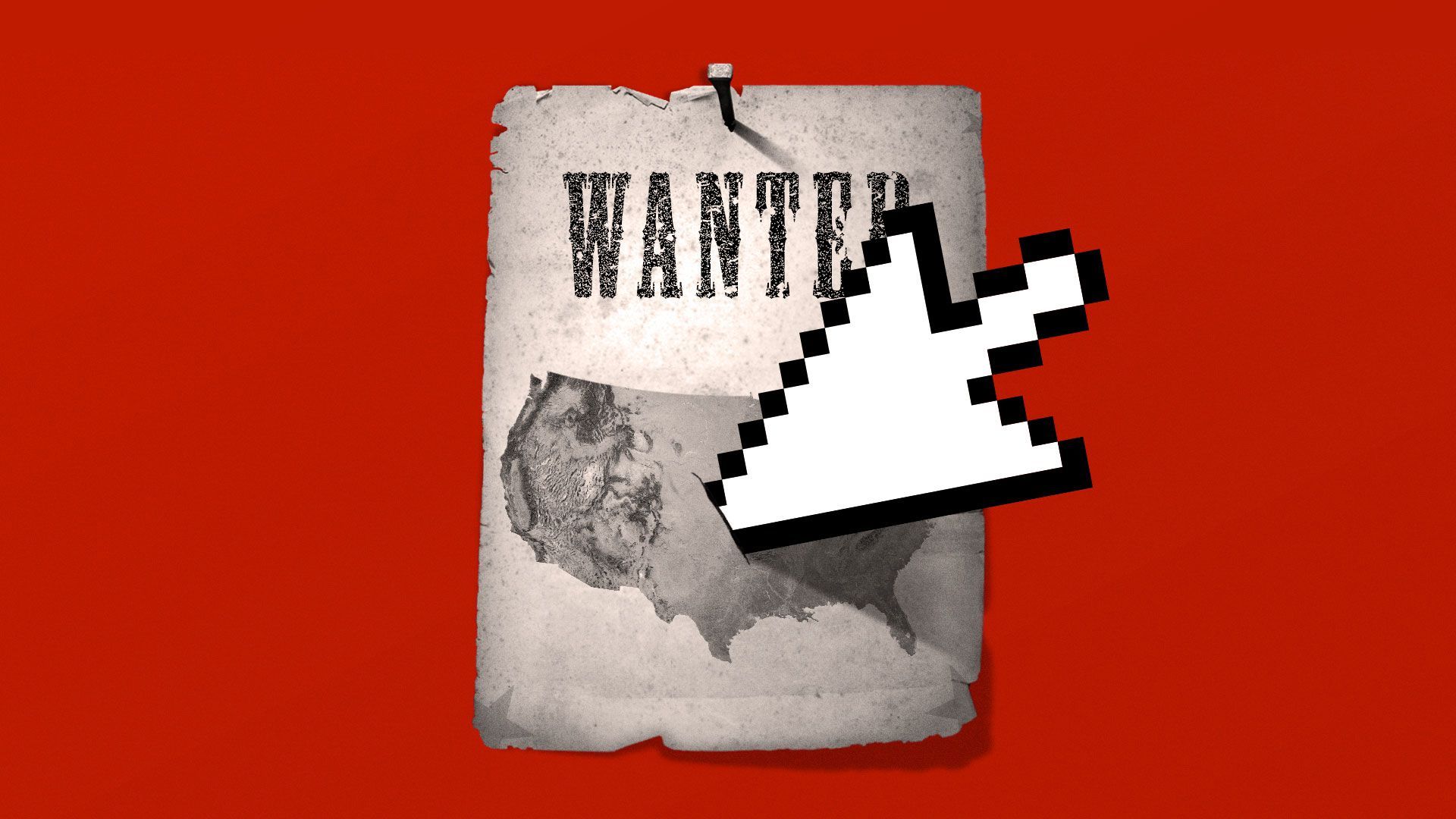
Capitol rioters, eager to share proof of their efforts with other extremists online, have so far left a digital footprint of at least 140,000 images that is making it easier for federal law enforcement officials to capture and arrest them.
The big picture: Law enforcement's use of digital tracing isn't new, and has long been at the center of fierce battles over privacy and civil liberties. The Capitol siege is opening a fresh front in that debate.
Far-right-friendly social network Parler is beginning to resurface after going dark last week following a series of bans by Google, Apple and Amazon.
The big picture: By tapping service providers that are friendly to far-right sites, Parler — home to a great deal of pro-insurrection chatter before, during and after the Capitol siege — may have found a way to survive despite Big Tech's efforts to pull the plug.