Shares in GameStop surged as high as $76.73 on Friday in what has been described as an "epic short squeeze."
Why it matters: The GameStop fight, with Redditors and TikTok influencers on the long side and investment professionals like Citron Research's Andrew Left on the short side, has turned ugly in recent days. But for the time being, the amateur investors are winning.
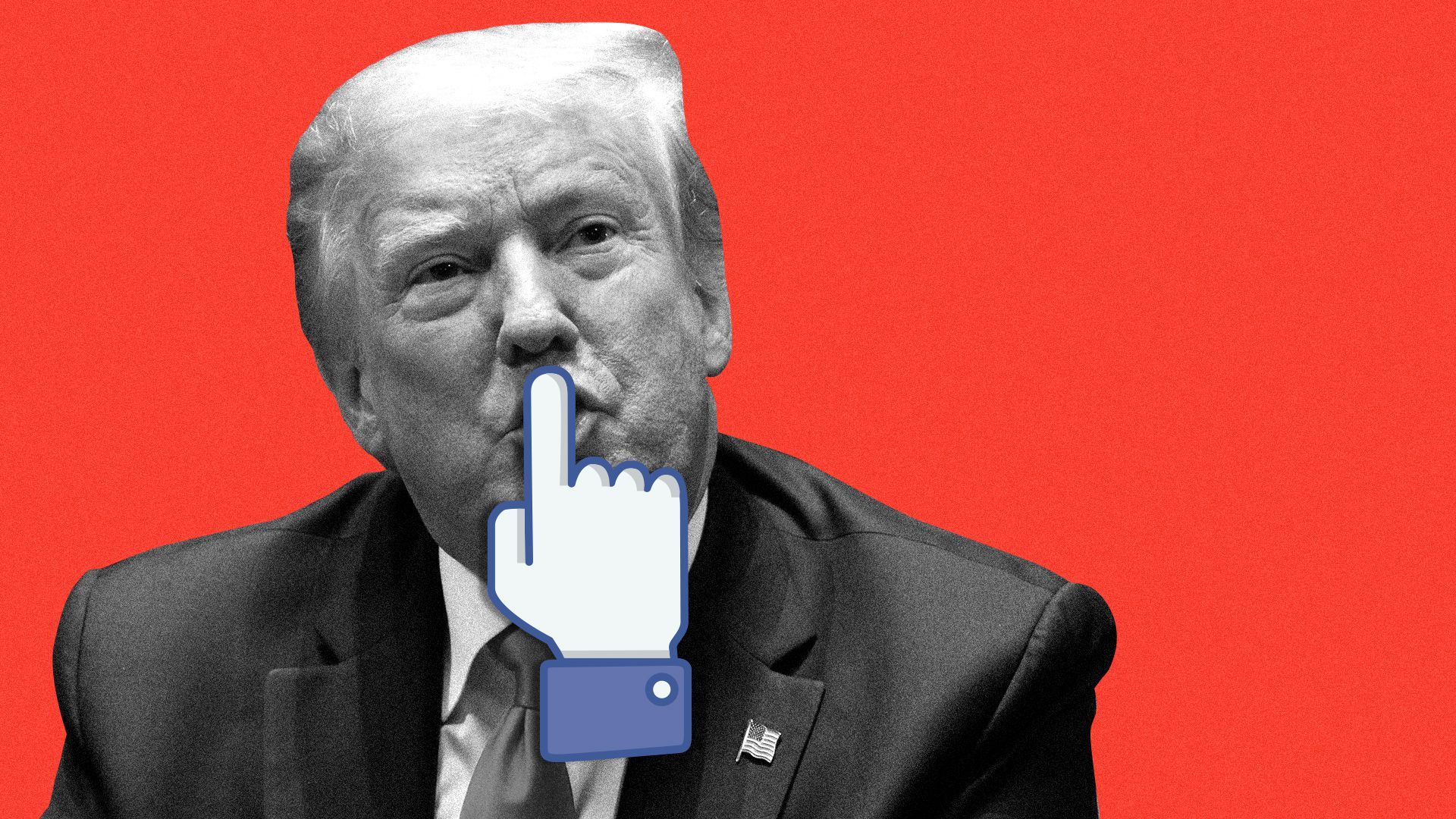
Facebook's decision to ask its new independent Oversight Board to review the company's indefinite suspension of former President Trump is likely to set a critical precedent for how the social media giant handles political speech from world leaders.
What they're saying: "I very much hope and can expect … that they will uphold our decision," Facebook's VP of global affairs Nick Clegg tells Axios.
Apple's moves toward breaking into the market for self-driving cars have come in fits and starts, but it has big ambitions for the space and is moving forward both with its own efforts and with potential partnerships with automakers.
Why it matters: Apple has great businesses in phones and computers, but its long-term growth potential will depend on conquering an entirely new market. Improving health care and playing a role in autonomous vehicles appear to be its two biggest bets on that front.
Instacart is laying off nearly 1,900 of its part-time employees who assemble customer orders at grocery stores, including a 10-person union at a Kroger-owned store in Skokie, Illinois, as Motherboard first reported and the company confirmed to Axios.
The big picture: Instacart is cutting positions that come with employment status and related benefits — an anomaly within the gig economy and even Instacart's own business, which relies on independent-contractor delivery drivers.
Alphabet is shutting down Loon, one of its "moonshots," which aimed to deliver internet service via high-altitude balloons.
Why it matters: The effort was one of several approaches designed to get high-speed connectivity to some of the world's most remote spots and proved useful in the aftermath of disasters that shut down traditional infrastructure.
Federal net neutrality rules are back on the table in the Biden administration, after being nixed by Trump, but now might be complicated by the debate over social media companies' behavior.
Axios Re:Cap digs into why net neutrality matters and what comes next with Nilay Patel, editor-in-chief of The Verge and host of the Decoder podcast.
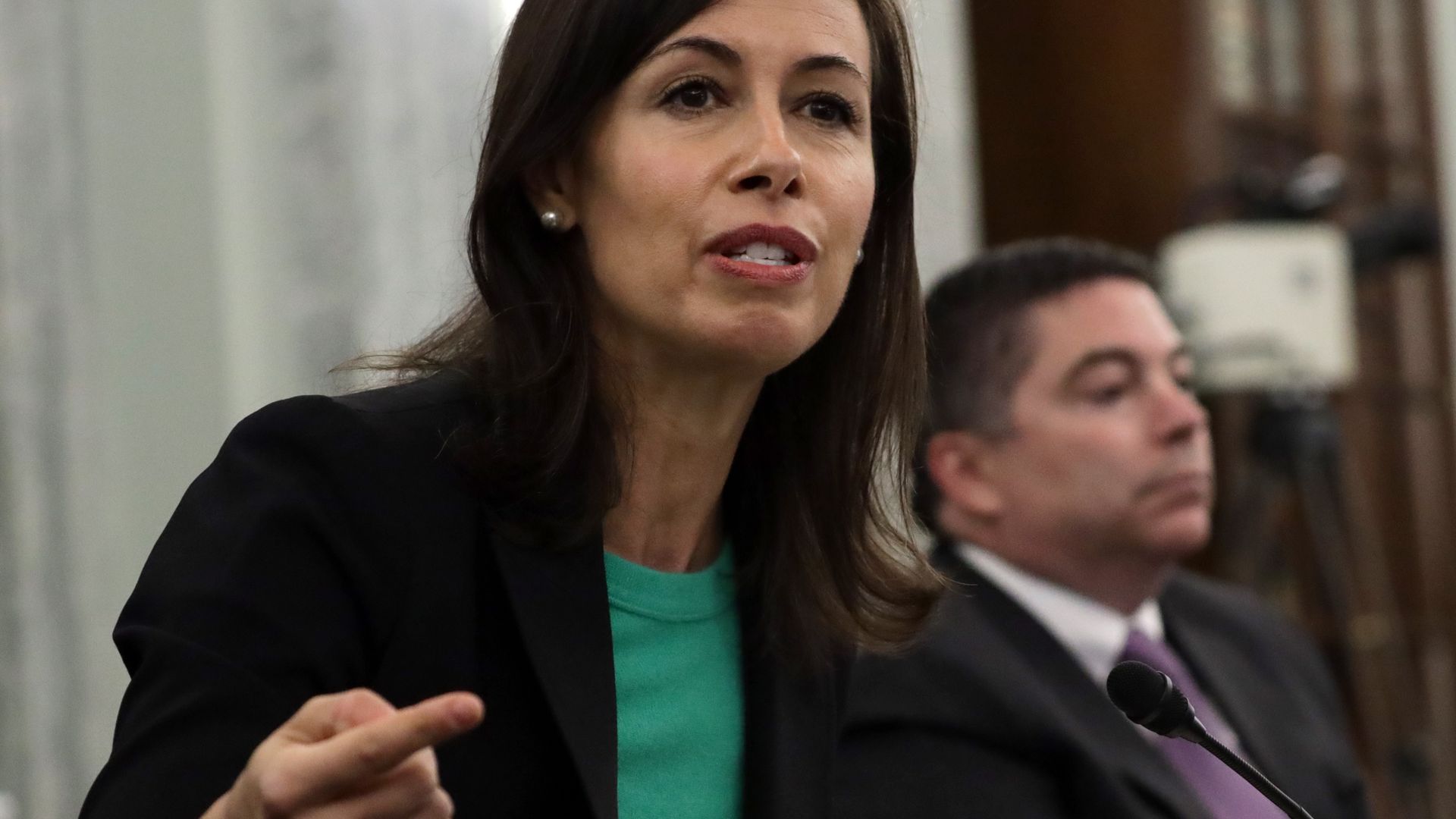
President Biden has designated Jessica Rosenworcel as acting chairwoman of the Federal Communications Commission, according to an agency statement.
Why it matters: Rosenworcel, currently a Democratic commissioner at the agency, will be tasked with implementing a new broadband subsidy program meant to help Americans stay connected to the internet during the coronavirus pandemic.
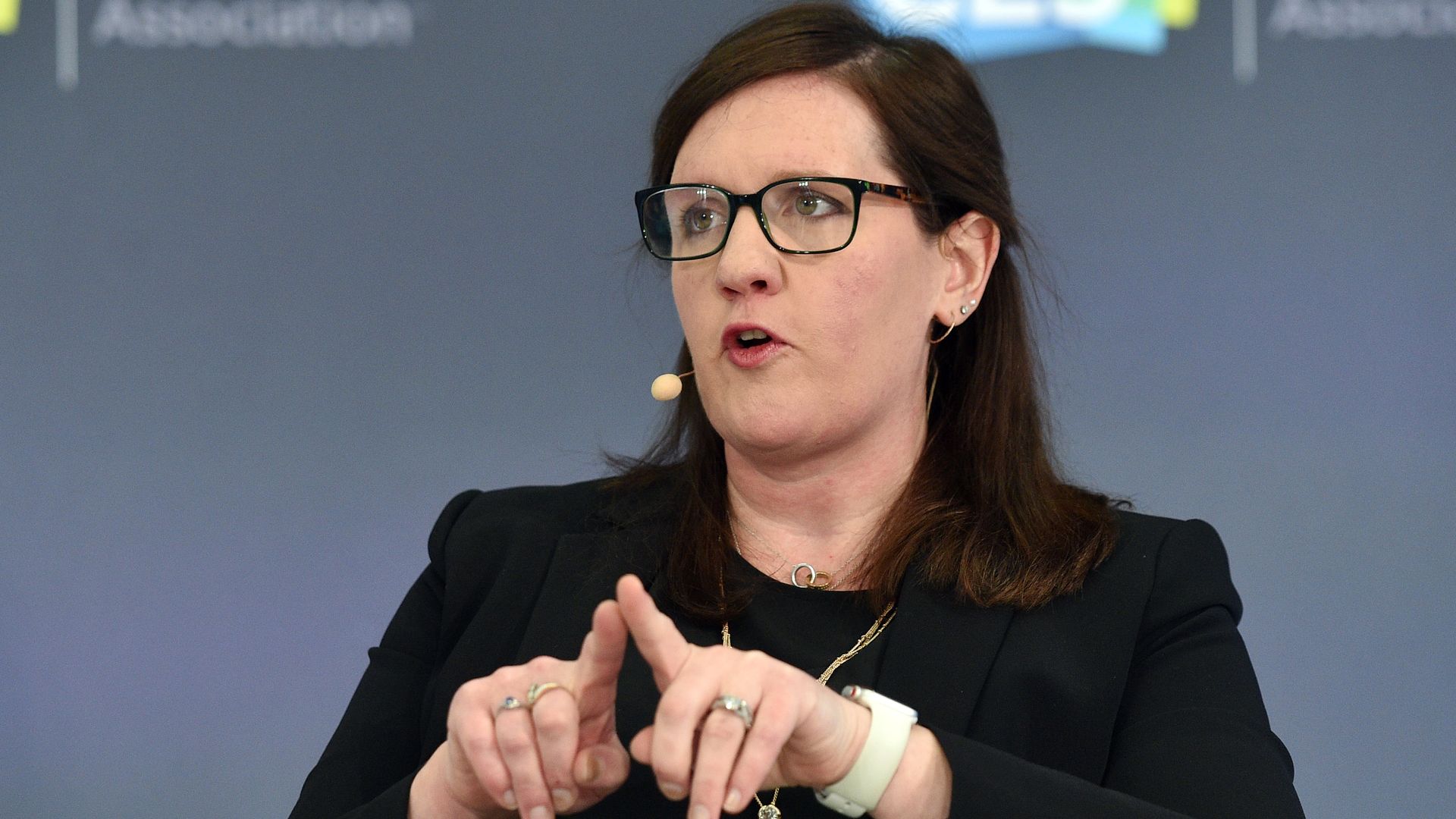
President Biden has tapped Rebecca Slaughter to be acting chair of the Federal Trade Commission, the agency announced Thursday.
Why it matters: The FTC will have an interim head while it navigates shifting priorities and weighs antitrust options against tech giants as the Biden administration rolls into action. Most agencies have now named acting chairs.
One of the most high-risk, high-return trading strategies of the moment is also the most democratic: Buying the stocks being pumped up on Reddit and TikTok, and then selling them for a huge short-term profit.
The intrigue: While most active trading strategies require expensive professional-grade software, this is a strategy that’s accessible to anybody who's Extremely Online.
Facebook's independent Oversight Board has accepted a referral from the platform to review its decision to indefinitely suspend former President Trump.
Why it matters: While Trump critics largely praised the company's decision to remove the then-president's account for potential incitement of violence, many world leaders and free speech advocates pushed back on the decision, arguing it sets a dangerous precedent for free speech moving forward.
Tech employees are on high alert about their own personal safety as their employers roll out policies to ban or limit the reach of far-right extremists angry over former President Donald Trump's defeat.
Why it matters: As tech companies impose aggressive policies after the Capitol riot, employees will be the target of vitriol from aggrieved people who think tech and the media are conspiring to silence Trump and conservatives more broadly.
The bizarre storyof Capitol rioter Riley June Williams is a full-circle moment for Russia as it looks for new ways to shore up its own influence by fueling the democracy-destabilizing ascendancy of a globally networked radical right.
The big picture: Five years ago, Russia used a network of bots and strategic hack-and-leak operations to embolden an unwitting U.S. far right. Now, at least one American extremist stands accused of willingly offering would-be material support to Moscow.
The company behind the wildly popular video game franchise Fortnite, which is suing Apple over alleged anti-competitive practices, hired its first lobbyists this month to “monitor” antitrust issues in Washington.
Why it matters: Epic Games’ case against Apple has potentially huge legal and financial stakes. The company’s decision to enlist K Street veterans with connections on both sides of the aisle indicates it is tuning into D.C., where both parties have railed against anti-competitive practices in the tech industry.