Grocery delivery company Instacart says it will provide a $25 stipend to its workers who take time off to get vaccinated for COVID-19 in the U.S. and Canada starting on February.
Why it matters: Some companies in retail and services are beginning to announce incentives to get their workforces vaccinated sooner rather than later — both for the workers' safety and the companies' own bottom lines.
Although most eyes were on the impeachment and other Washington goings-on, Wednesday was a big day for the chip industry, which produced a 10-figure deal and a major leadership shakeup.
The big picture: Legacy chip players Intel and Qualcomm have watched other companies eat into the business lines that got them where they are. They're now seeking to seize control of their own fates.
Google has completed its acquisition of connected fitness device maker Fitbit, the search giant announced in a blog post Thursday.
Why it matters: Google's successful purchase of Fitbit comes as antitrust regulators around the world scrutinize large tech companies for their acquisitions, past and present.
Silicon Valley's leading lobby, the Internet Association, is struggling to manage the competing interests of the companies it represents just as the industry faces a tide of bipartisan anger.
Why it matters: Tech will fight policy battles around antitrust, content moderation and privacy without a unified industry voice.
The Federal Aviation Administration has released new and looser rules for flying drones over highly populated areas and at night, effectively laying a welcome mat for future aerial deliveries of takeout food, Amazon packages, prescription drugs — you name it.
Why it matters: While the prospect of Jetsons-style convenience with less street gridlock is tantalizing, there are still plenty of logistical hurdles, and it will take some time for cities to figure out how to manage low-altitude air traffic as routinely as they do today's road traffic.
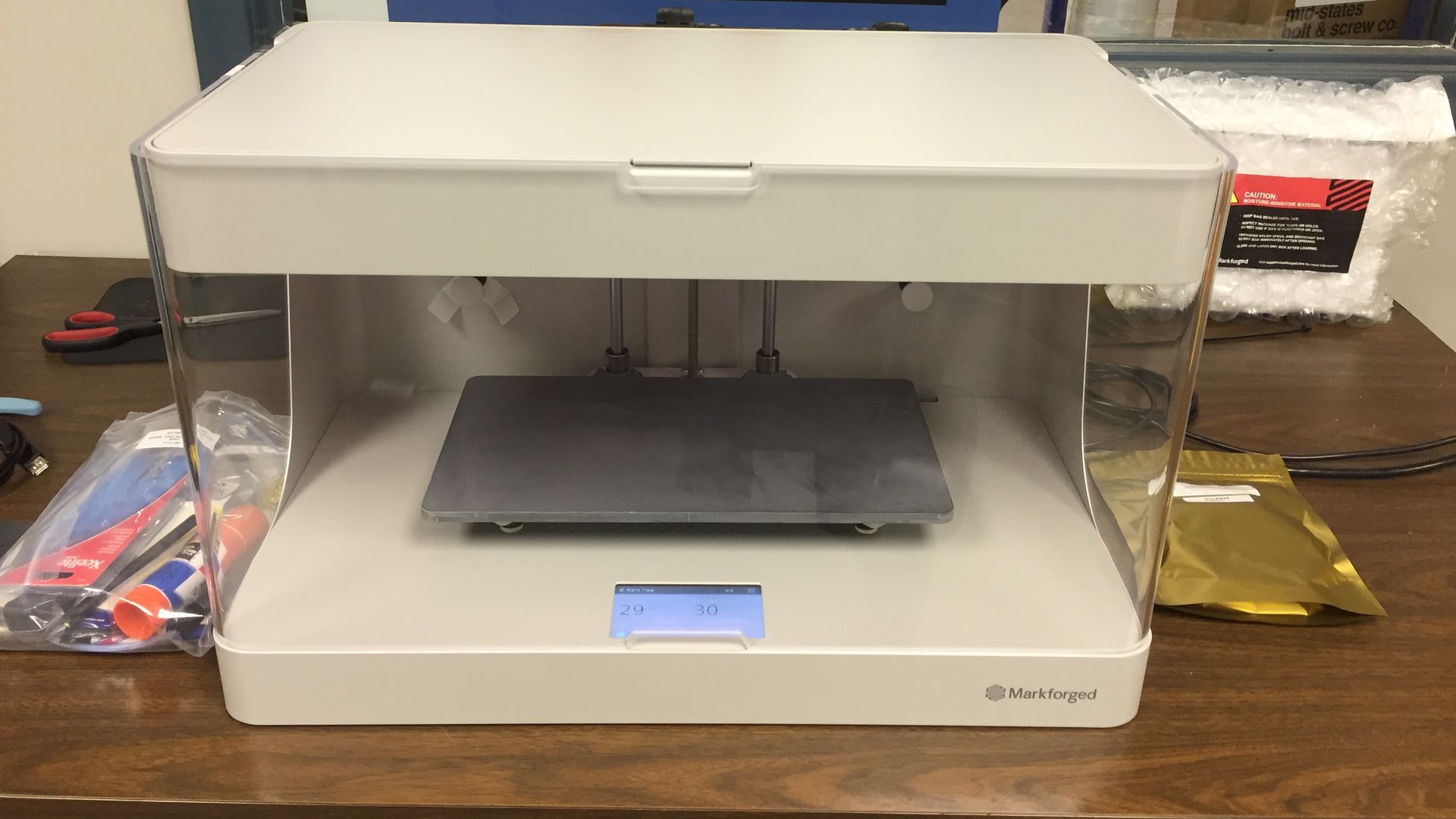
A 3D-printer platform is sending out machines to hundreds of manufacturers in Michigan as part of an effort to create a network that can print out personal protective equipment on demand.
Why it matters: Networked 3D printers can serve as a rapidly scalable backup system for PPE — and showcase the potential of a new method of manufacturing.
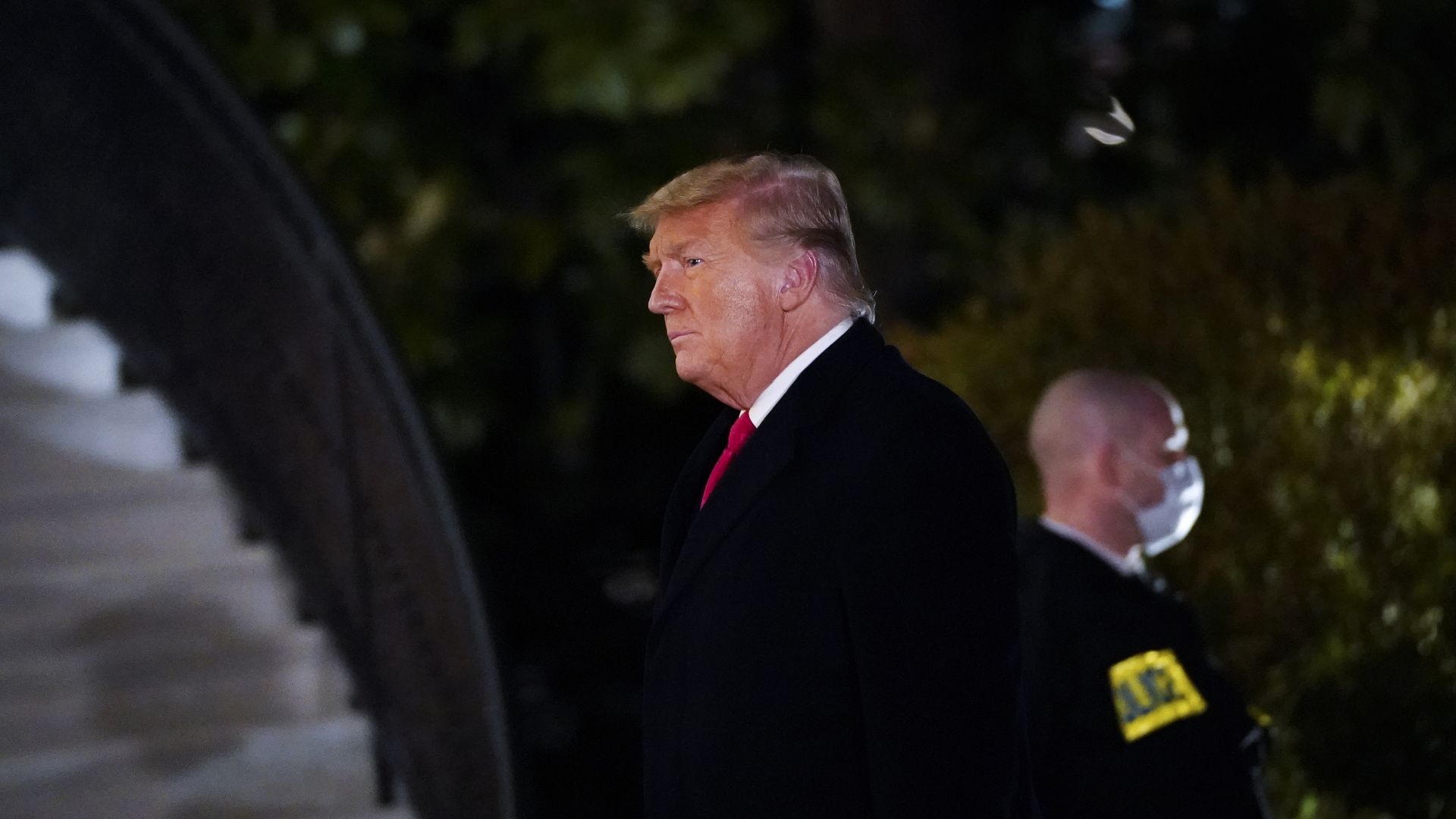
Snapchat will permanently ban President Trump's account on Jan. 20, Axios has learned, after locking it indefinitely last week following the Capitol siege.
Why it matters: The Trump campaign and digital team relied on Snapchat as a key platform to reach younger audiences before the company started limiting its reach in June. The majority of Snapchat's users are under 30.
A fertility app with more than 100 million customers on Wednesday settled a Federal Trade Commission investigation into allegations that it shared health information with Google, Facebook and other companies without users' consent.
Details: The FTC said Flo promised users of its Flo Period & Ovulation Tracker app that their health information would be kept private, but instead shared data, including whether a user was pregnant, with companies that provided marketing and analytics services.
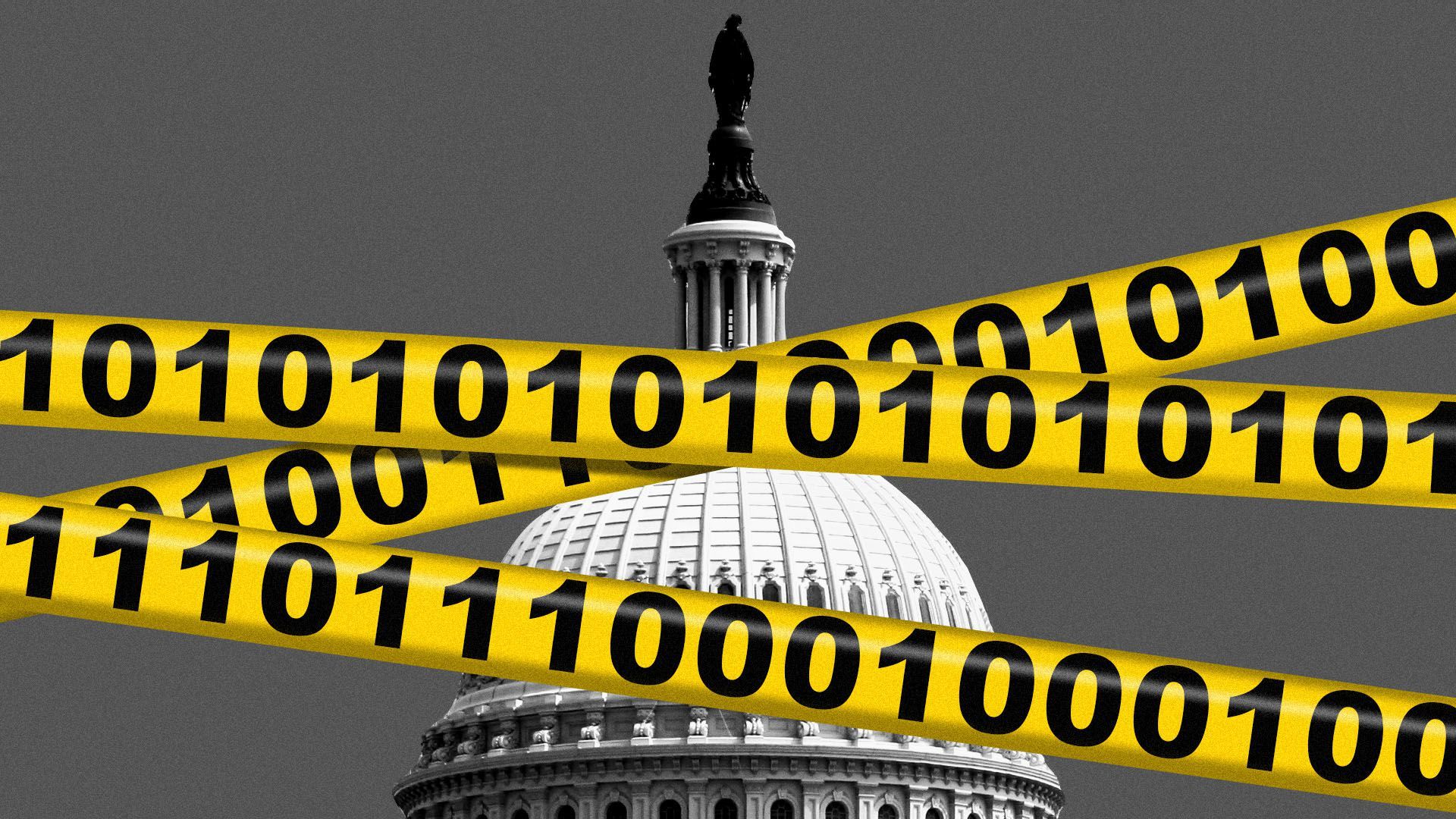
Big Tech companies are scrambling to take action to prevent Inauguration Day violence, taking matters into their own hands after the government was caught ill-prepared for last week's Capitol siege.
What's happening: Major firms are taking a range of steps to stop their platforms from being used to plan, incite or carry out violent acts in Washington, D.C.
Cloud storage company Dropbox said Wednesday it was cutting 315 jobs, or about 11% of its workforce.
Why it matters: While the tech industry has fared pretty well through the pandemic, those companies that cater to small and midsize businesses have seen their businesses take a hit as their customers are suffering.
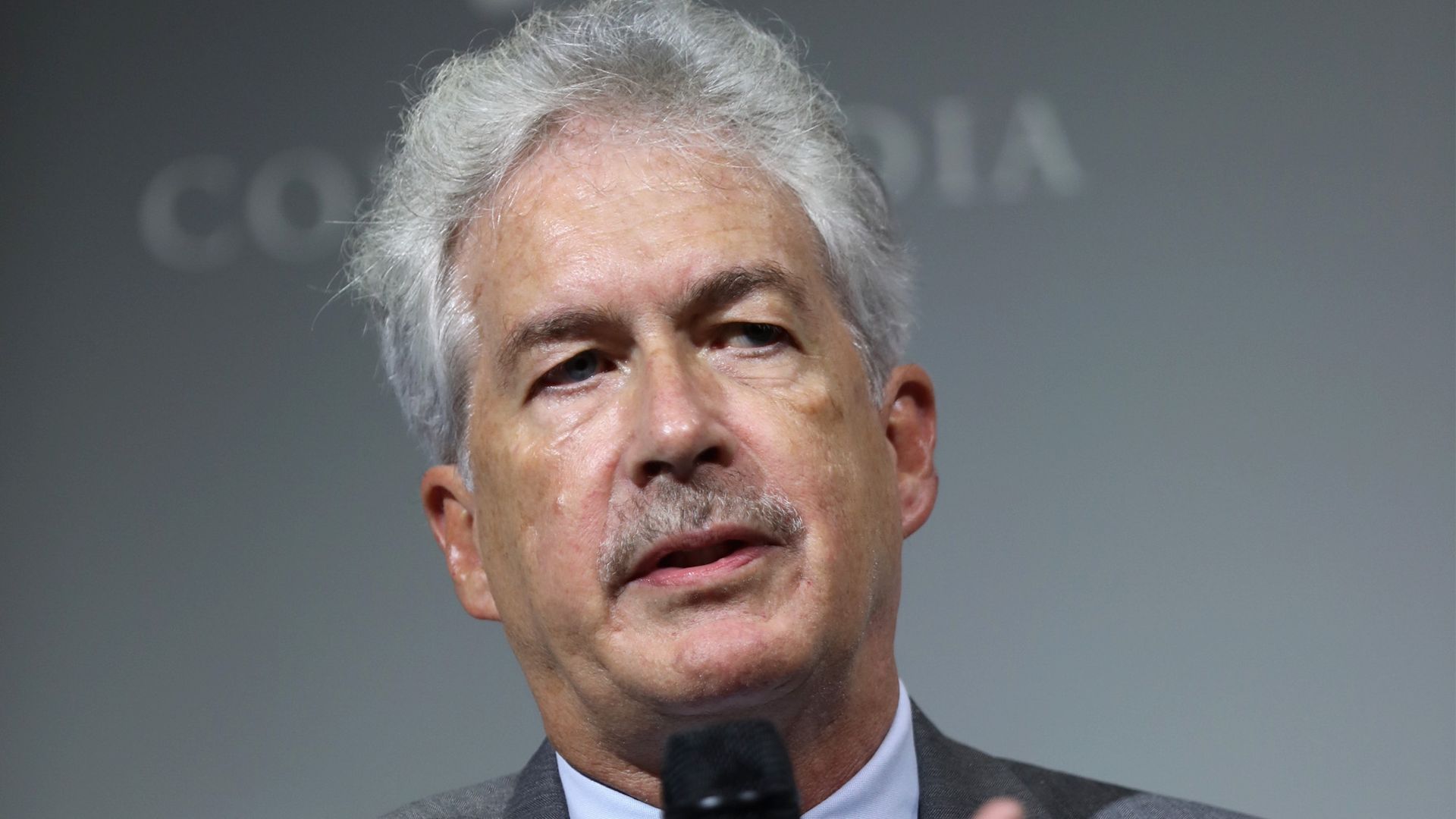
President-elect Biden's selection of William Burns, a retired top diplomat, as his nominee for CIA director marks a potential pivot point for the agency.
Why it matters: Burns’ background is in statecraft, not subterfuge. His appointment may offer an unusual opportunity to better integrate the CIA’s intelligence-gathering, analysis and covert action capabilities with larger U.S. foreign policy aims.
Last week's riot at the Capitol was many things, but perhaps chiefly it was the culmination of four years of information warfare waged against the country from within the Oval Office.
Why it matters: A sprawling disinformation campaign led by President Trump — and buttressed by his allies in the media, online and in Congress — has severely destabilized the U.S. and makes further acts of violence and would-be insurrection a near certainty.
Intel said Wednesday that VMware CEO Pat Gelsinger will return to the chipmaker as CEO, with current chief Bob Swan stepping down as of Feb. 15.
Why it matters: Intel faces a host of challenges from manufacturing issues to competition from rival AMD to Apple's move to use homegrown chips in the Mac.
American Towers agreed to buy the European and Latin American mobile phone towers businesses of Spain's Telefónica for $9.41 billion in cash.
Why it matters: This marks the first major foray by a U.S. tower operator into Europe, where Cellnex reigns supreme, and will help Telefónica eat into its €37 billion leverage load.
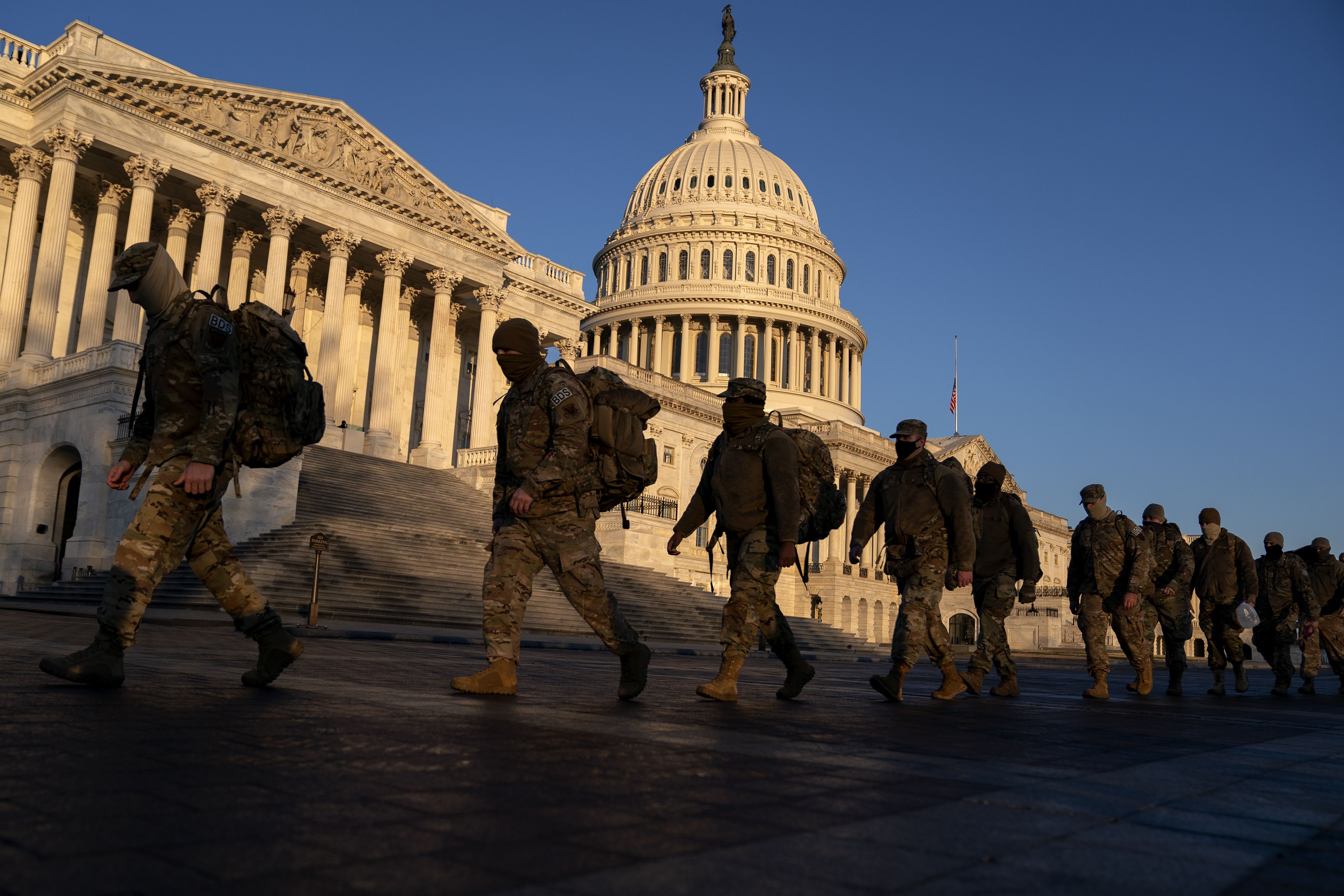
National Guard troops arrive at the Capitol. Photo: Stefani Reynolds/Getty Images
Airbnb said Wednesday it is canceling existing reservations and blocking new ones in the Washington, D.C., area during inauguration week as federal officials remain on alert for potential violence.
The big picture: The home-sharing company joins several tech companies taking action in response to the attack on the Capitol last week.
Google informed its advertising partners Wednesday that beginning Jan. 14, its platforms will block all political ads, as well as any related to the Capitol insurrection, "following the unprecedented events of the past week and ahead of the upcoming presidential inauguration," according to an email obtained by Axios.
Why it matters: Political ad bans are designed to curb confusion and misinformation surrounding highly sensitive events. Google says a limited version of its "sensitive event" policies went into effect after the violent events in the Capitol on Jan. 6.
Funding for a new developer academy in Detroit is one of several moves Apple is announcing today as it implements the $100 million racial equity and justice effort it announced last June.
The big picture: The tech industry is putting more money into racial equity efforts, but progress in diversifying its own ranks remains slow.
The CEOs of Best Buy, AMD and General Motors all used the CES stage Tuesday to outline how they're keeping their businesses moving forward amid the pandemic and other challenges.
Why it matters: It was just three years ago that CES had no female CEOs in its main corporate keynote lineup. On Tuesday, there were three: AMD chief Lisa Su, General Motors CEO Mary Barra and Best Buy CEO Corie Barry.
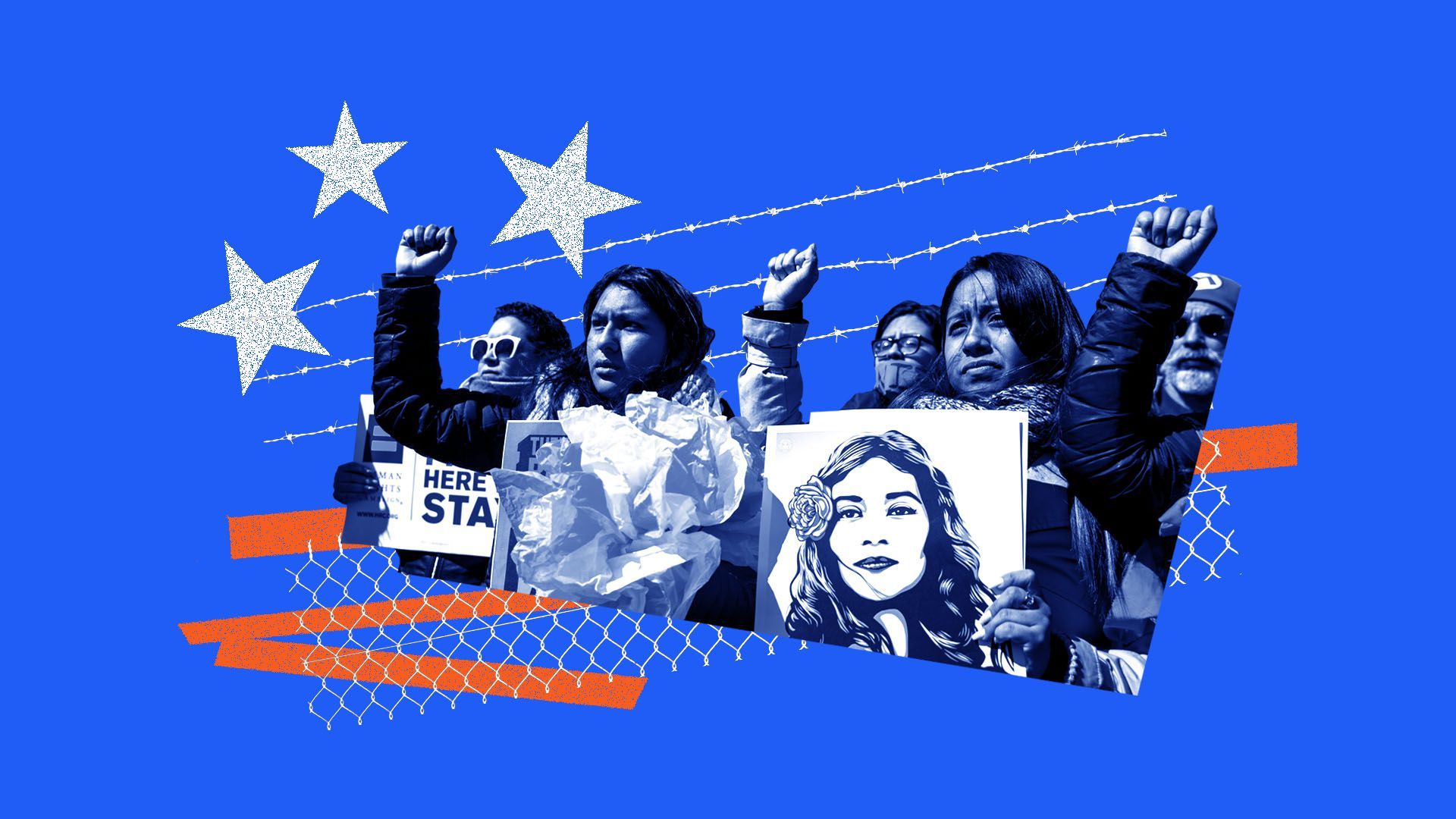
Google is donating $250,000 toward applications for the Deferred Action for Childhood Arrivals immigration program and is calling on Congress to prioritize immigration reform in the Biden administration, the company announced today.
What's happening: A pending U.S. District Court case in Texas will determine the constitutionality of DACA, with a ruling expected soon. President-elect Biden has said he'd introduce immigration reform immediately.
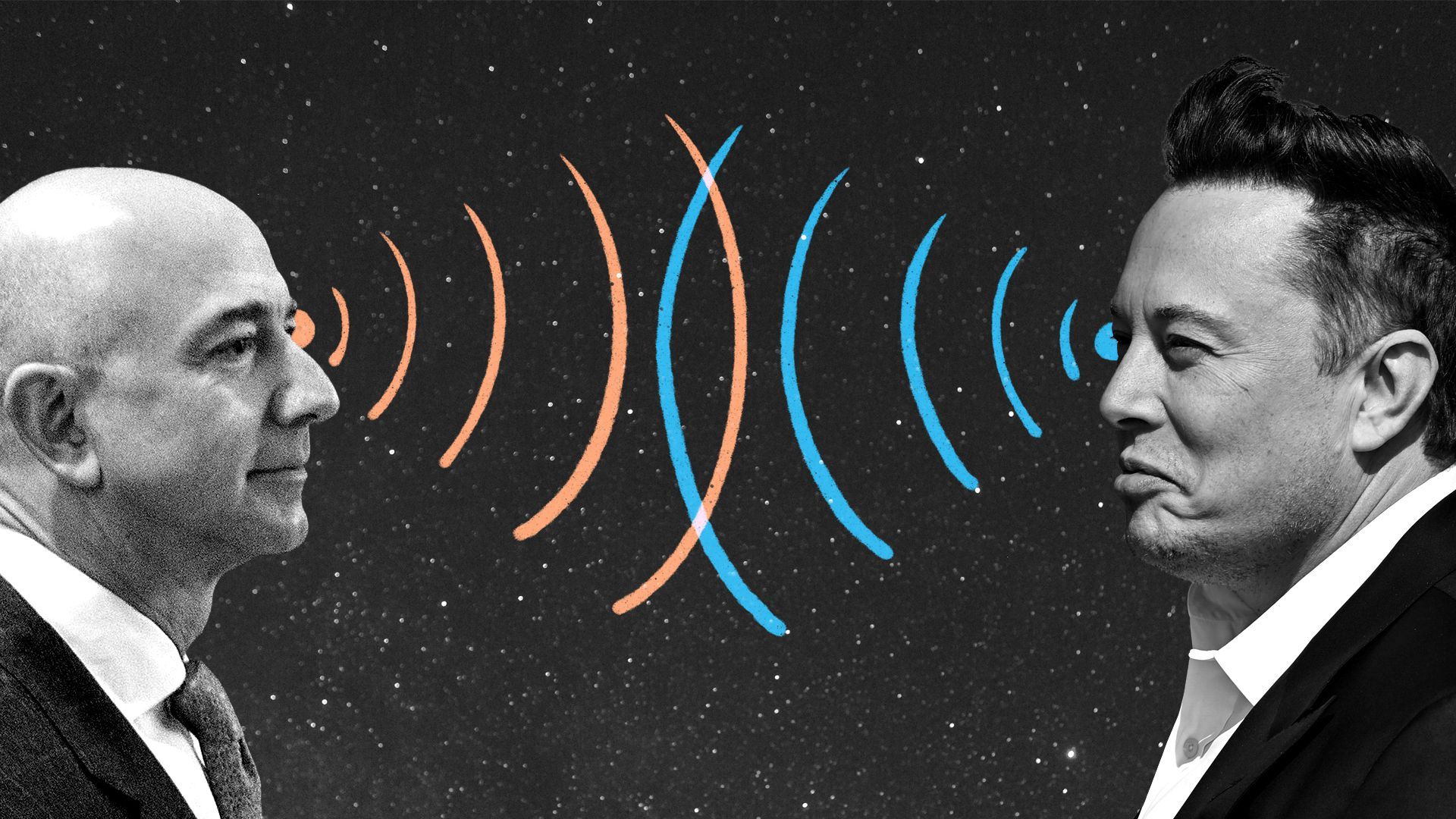
Elon Musk is under siege by fellow billionaires at Amazon and Dish as he tries to get his fledgling space-based broadband service off the ground, with clashes involving airwave overload and the threat of satellite collisions.
Why it matters: Musk's Starlink service could extend broadband to unconnected customers in hard-to-reach rural areas. But competitors are pressing the Federal Communication Commission to stymie Musk's plans.
YouTube said Tuesday that it has taken down newly posted video content from President Trump for violating its policies against inciting violence. In addition, it has assessed a "strike" against the account, which means the president can't upload new videos or livestream to the account for a minimum of 7 days.
In a court filing late Tuesday, Amazon said it booted right-wing social network Parler from its AWS cloud service after flagging dozens of pieces of violent content starting in November.
Why it matters: Parler is suing Amazon, saying its expulsion violates antitrust laws. In its response, Amazon cites the violent content as well as its protection under section 230 of the Communications Decency Act among its defenses.
Republican digital operatives are worrying about themselves and their clients after major technology companies cracked down on prominent conservative websites and organizations.
Why it matters: Amazon’s decision to remove the popular conservative social media site Parler from its hosting services, and Twitter’s suspensions of President Trump and tens of thousands of his supporters, have segments of the online right fearing they will be "deplatformed" themselves.



















/2021/01/13/1610509668444.gif?w=3840)