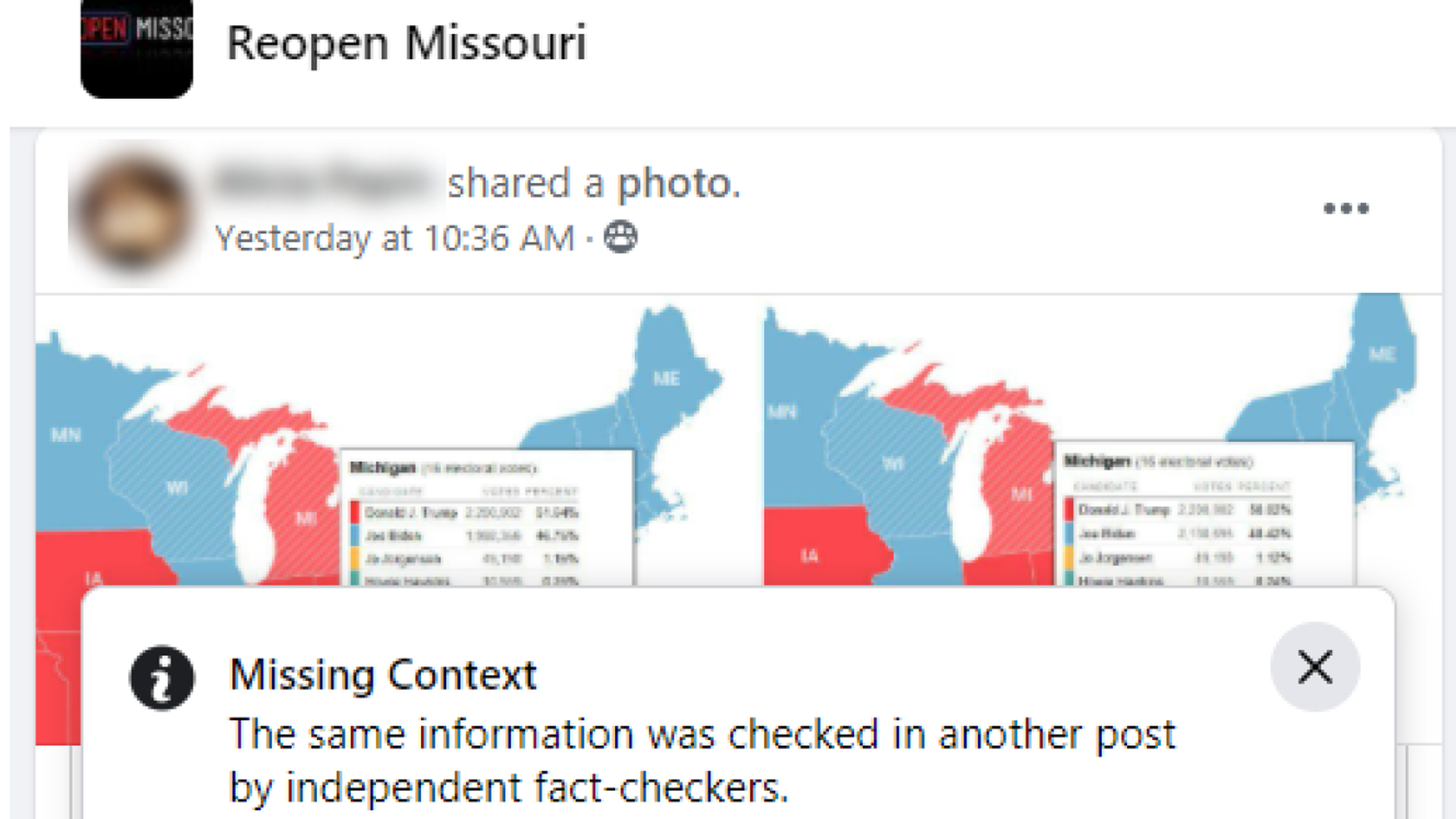
Public and private Facebook groups are becoming vectors of disinformation about ballot counting, as the results of the presidential race remain unclear and states finish tallying votes under individual state laws and timelines.
Driving the news: Facebook took down a public group called "Stop the Steal" that quickly amassed hundreds of thousands of members Thursday. Yet conspiracy theories and false claims continue to circulate widely in other groups, including private ones predating the election that have been repurposed as disinformation repositories.
Why it matters: Fast-growing startups generally try very hard to avoid regulation. As they become increasingly important, they collectively represent a growing blind spot for regulators.
The value of a single bitcoin cracked $15,000 Thursday afternoon, following a Justice Department seizure of about $1 billion worth of the cryptocurrency from the dormant dark web site Silk Road.
Why it matters, via Axios' Dan Primack: This is the largest-ever U.S. government seizure of Bitcoin to date. The confiscation caused prices to jump because so much was taken out of circulation — but, the government could likely auction it all off later.
Fun, helpful and convenient or dangerous eyesores for the young? Whichever side you take, shared e-scooters are coming in March to New York City — that is, to the four boroughs other than Manhattan.
Why it matters: Ride-share purveyors have blanketed the nation with motorized scooters, a trend fueled by the coronavirus — as people shunned mass transit — and likely to continue unless safety or other problems intervene. (Remember hoverboards?)
The U.S. Justice Department on Thursday sued to block Visa's proposed $5.3 billion purchase of Plaid, a San Francisco-based provider of analytics software for accessing transaction data.
The bottom line: Plaid lets fintech startups connect to users' bank accounts, but the DOJ argues that the merger would eliminate Plaid's potential ability to compete in the online debit market, thus giving Visa a monopoly. Visa told WSJ it plans to "defend the transaction vigorously.”
Although tech platforms have made good on promises to check false election claims from political figures — up to and including the president — those efforts haven't turned the tide in the broader war on misinformation.
Between the lines: Dedicated spreaders of misinformation are finding ways around platforms' rules. Sometimes enforcement actions themselves provide fresh fuel for otherwise baseless conspiracy theories that the media, Big Tech and Democrats are colluding to steal the election from President Trump.
For his monthly intention in November, Pope Francis prayed that AI will be beneficial for humanity.
Why it matters: It's up for debate whether the development of automation and AI will ultimately be good for humankind, and it can't hurt to have a little divine intervention on our side.
Why it matters: The CCPA, which took effect January 2019, has been closely watched by other states as a potential model for privacy legislation. But it’s also faced criticisms, including that it gives social media companies too many easy workarounds.
Stocks jumped on Wednesday — the tech-centric Nasdaq closed up 3.8%, outpacing the S&P and Dow's gains — with the presidential race up in the air and Democrats' hopes of gaining control of the Senate fading.
Why it matters: Alongside health care stocks, tech companies that helped propel stocks back to record highs are leading the market as full results from the 2020 election remain unknown.
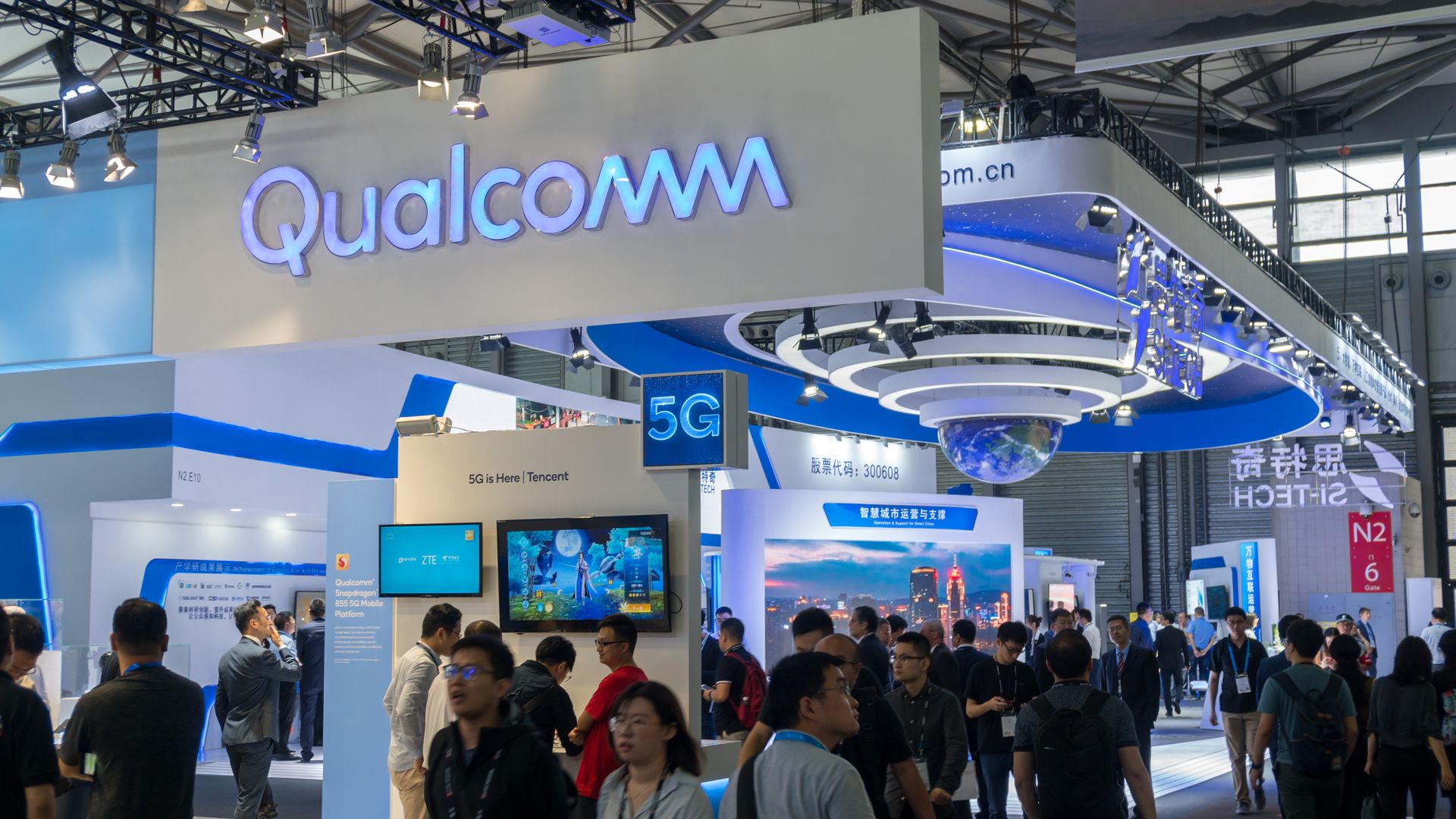
Chipmaker Qualcomm on Wednesday reported sales and earnings that topped expectations, sending its shares higher. The results came amid stronger-than-anticipated smartphone shipments and licensing revenue.
Why it matters: Qualcomm is a major force in the wireless industry and arguably the biggest U.S.-based player in 5G.
Today's internet has taken three decades to dominate the American political system, going from a wonkish yet campaign-trail-friendly bet on a connected future to a central force in the electoral process.
Catch up quick: Here's how the evolution has unfolded so far.
Why it matters: The decision by cyber criminals to launch a large-scale campaign attacking hospitals represents a shocking escalation by these groups, and it shows how unbound by moral considerations they are when selecting their targets.
Althoughthe winner of the 2020 presidential contest is still unknown, one thing is clear: disinformation is becoming an endemic feature of U.S. politics.
Why it matters: Every nation is an "imagined community," political scientist Benedict Anderson said, bonded together by shared understandings, values and historical narratives. Disinformation cleaves those commonalities, making a country more dysfunctional, more divided and altogether weaker.
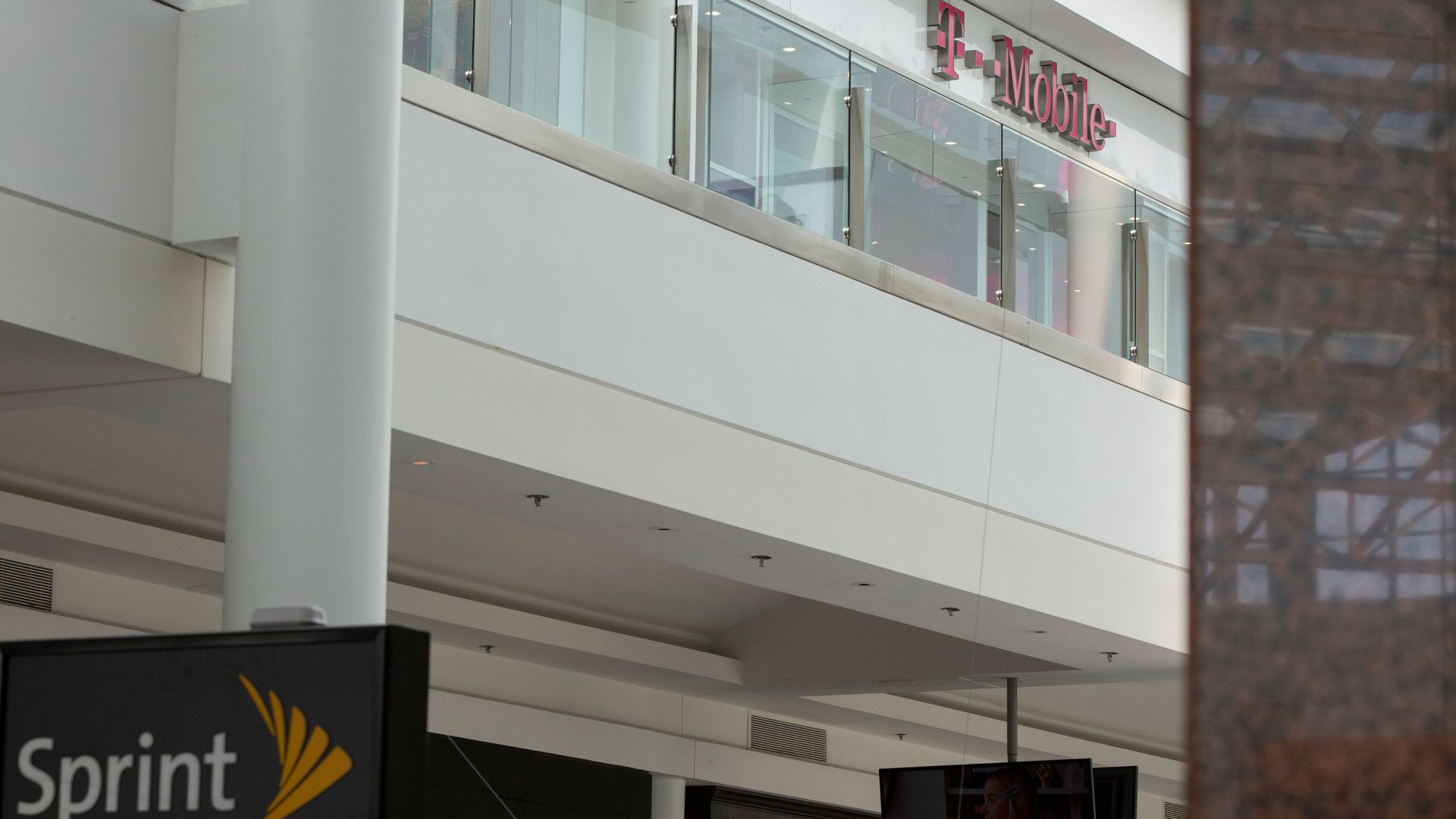
T-Mobile will pay a $200 million civil penalty to the U.S. Treasury to resolve an investigation into whether Sprint was illegitimately drawing excess subsidies from the Federal Communications Commission's Lifeline phone program for low-income consumers.
Why it matters: It's the largest fixed-amount settlement the FCC has ever received to settle an investigation, the agency noted in its Wednesday announcement.
Jack Ma is brilliant. He's innovative. He's one of the world's richest men, and even has a lovely singing voice.
Driving the news: He also made one of the weightiest unforced errors in the history of global business, scuttling what was expected to be a $35 billion IPO for Chinese financial services company Ant Group.
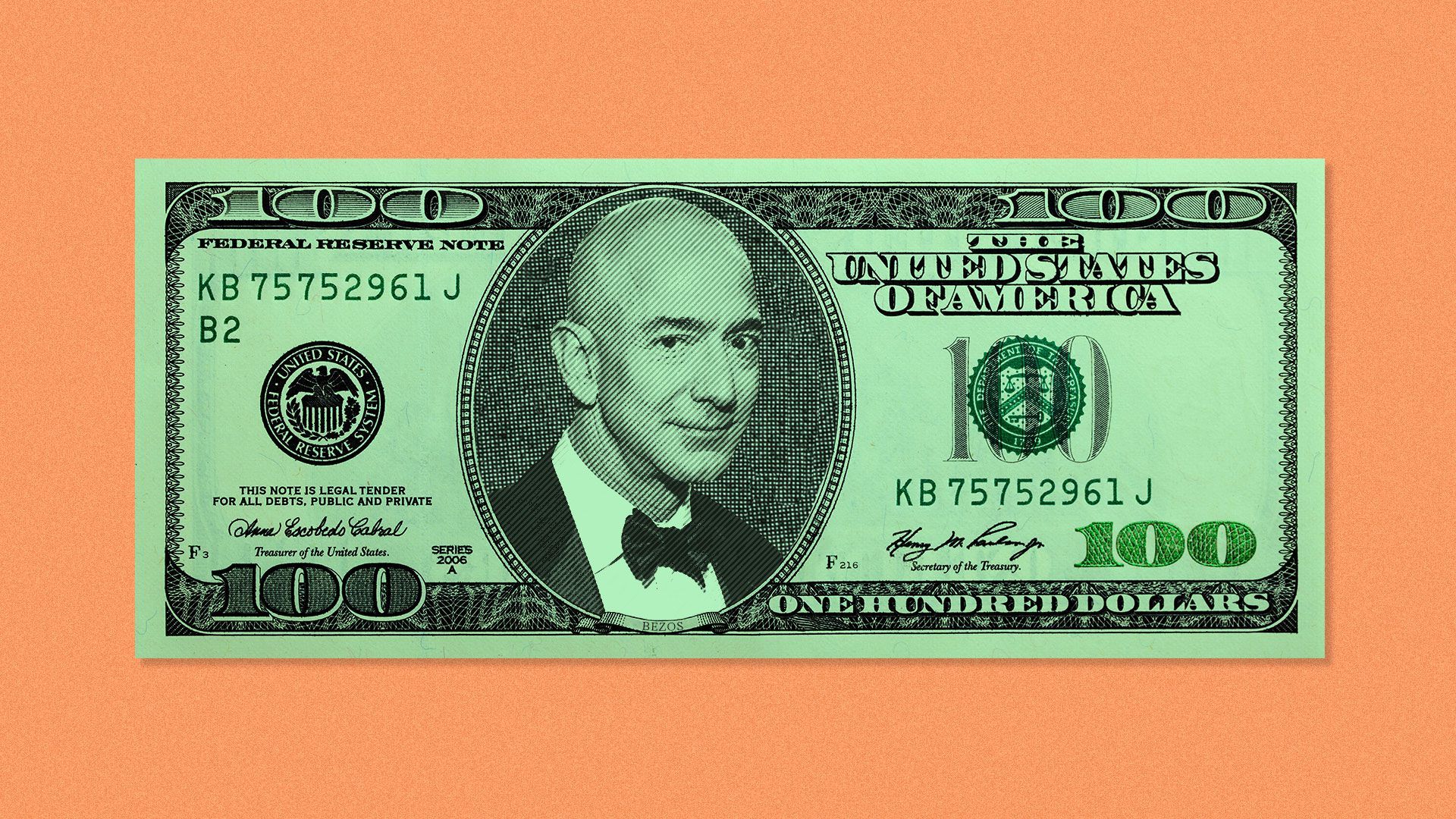
The Atlantic has begun solving a big mystery in climate advocacy circles — how Jeff Bezos will spread around money from the $10 billion "Bezos Earth Fund" announced in February.
Why it matters: The fund's size makes it a huge presence in climate philanthropy. And, until now, the fund has been a mysterious presence, given the dearth of info and the broad scope of funding areas.
California's Proposition 22, the ballot measure backed by gig companies like Uber, Lyft, Instacart, and DoorDash to cement their drivers' status as independent contractors, is projected to pass, per NBC News and the Washington Post.
The big picture: The companies put about $200 million behind the measure after a new state law went into effect in January that would force them to classify their drivers as employees.