For his monthly intention in November, Pope Francis prayed that AI will be beneficial for humanity.
Why it matters: It's up for debate whether the development of automation and AI will ultimately be good for humankind, and it can't hurt to have a little divine intervention on our side.
Why it matters: The CCPA, which took effect January 2019, has been closely watched by other states as a potential model for privacy legislation. But it’s also faced criticisms, including that it gives social media companies too many easy workarounds.
Stocks jumped on Wednesday — the tech-centric Nasdaq closed up 3.8%, outpacing the S&P and Dow's gains — with the presidential race up in the air and Democrats' hopes of gaining control of the Senate fading.
Why it matters: Alongside health care stocks, tech companies that helped propel stocks back to record highs are leading the market as full results from the 2020 election remain unknown.
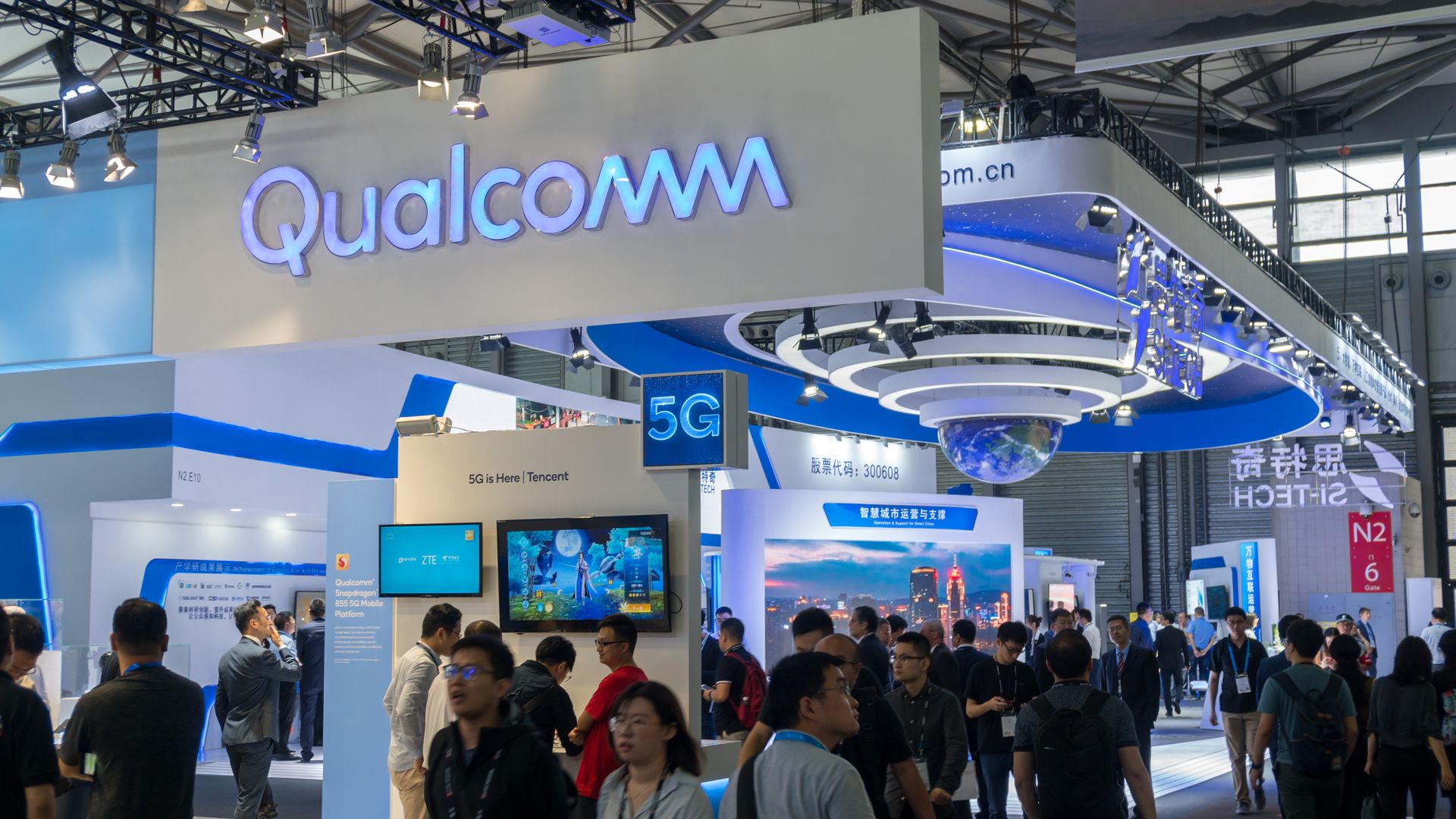
Chipmaker Qualcomm on Wednesday reported sales and earnings that topped expectations, sending its shares higher. The results came amid stronger-than-anticipated smartphone shipments and licensing revenue.
Why it matters: Qualcomm is a major force in the wireless industry and arguably the biggest U.S.-based player in 5G.
Today's internet has taken three decades to dominate the American political system, going from a wonkish yet campaign-trail-friendly bet on a connected future to a central force in the electoral process.
Catch up quick: Here's how the evolution has unfolded so far.
Why it matters: The decision by cyber criminals to launch a large-scale campaign attacking hospitals represents a shocking escalation by these groups, and it shows how unbound by moral considerations they are when selecting their targets.
Althoughthe winner of the 2020 presidential contest is still unknown, one thing is clear: disinformation is becoming an endemic feature of U.S. politics.
Why it matters: Every nation is an "imagined community," political scientist Benedict Anderson said, bonded together by shared understandings, values and historical narratives. Disinformation cleaves those commonalities, making a country more dysfunctional, more divided and altogether weaker.
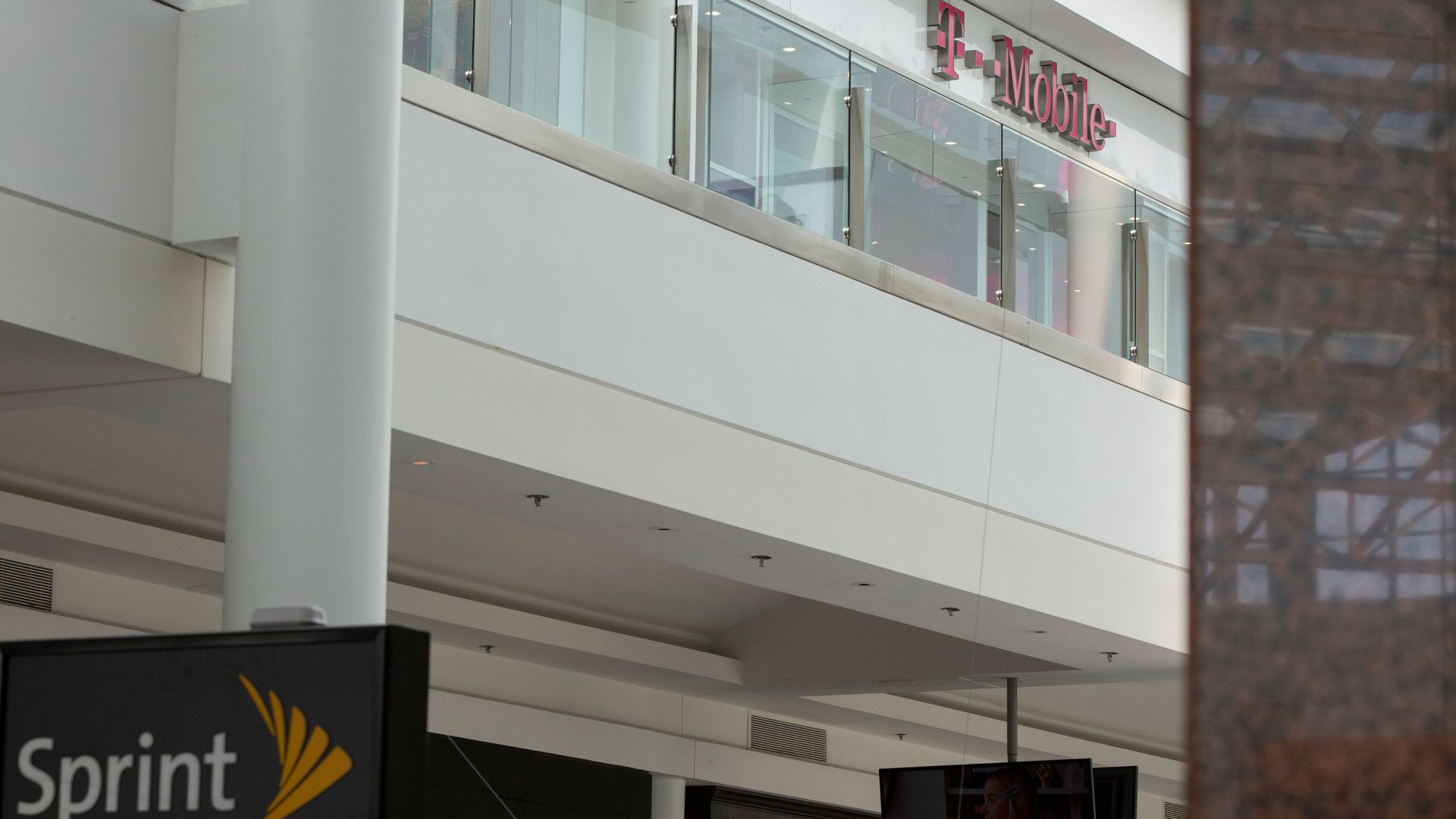
T-Mobile will pay a $200 million civil penalty to the U.S. Treasury to resolve an investigation into whether Sprint was illegitimately drawing excess subsidies from the Federal Communications Commission's Lifeline phone program for low-income consumers.
Why it matters: It's the largest fixed-amount settlement the FCC has ever received to settle an investigation, the agency noted in its Wednesday announcement.
Jack Ma is brilliant. He's innovative. He's one of the world's richest men, and even has a lovely singing voice.
Driving the news: He also made one of the weightiest unforced errors in the history of global business, scuttling what was expected to be a $35 billion IPO for Chinese financial services company Ant Group.
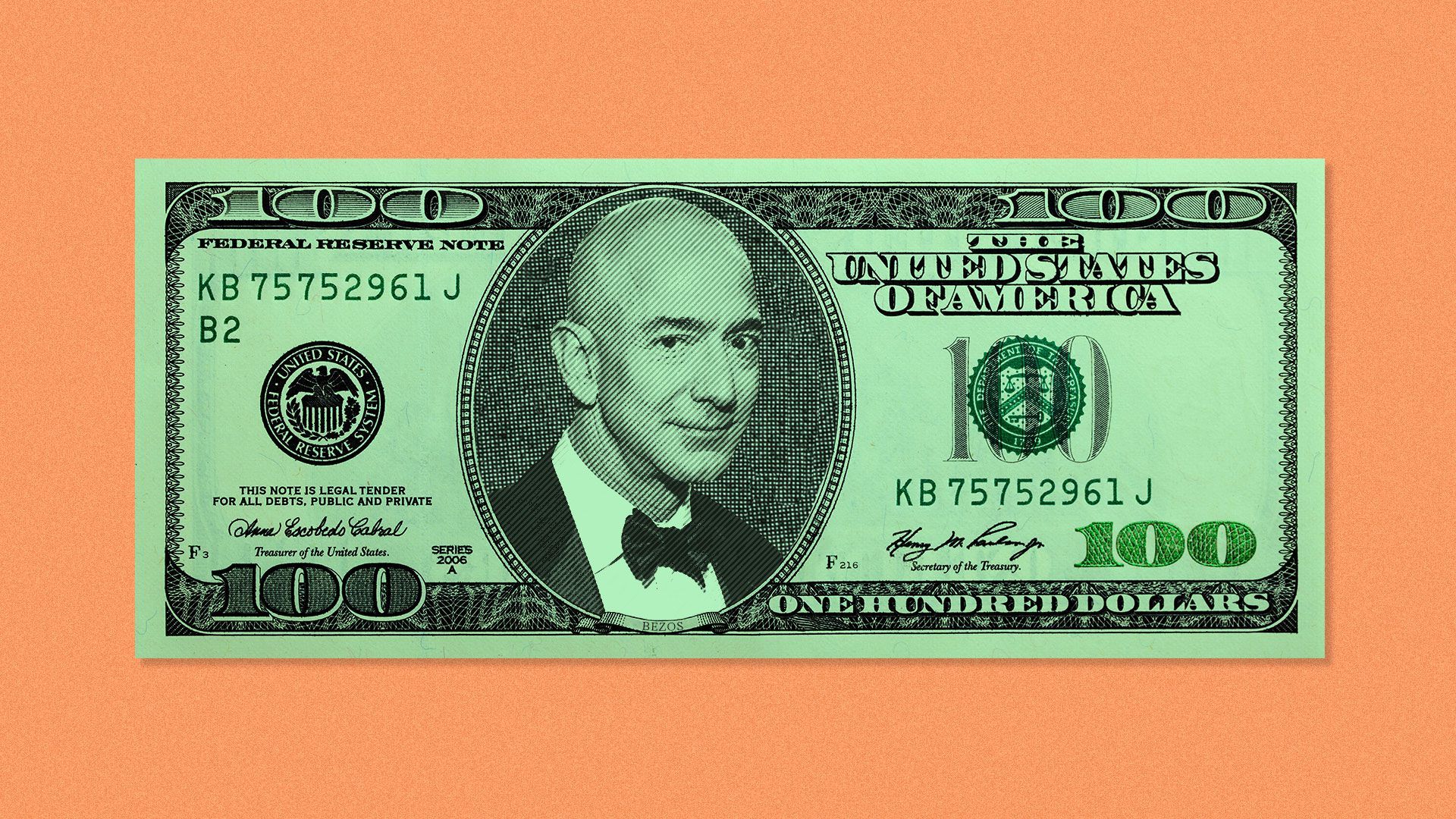
The Atlantic has begun solving a big mystery in climate advocacy circles — how Jeff Bezos will spread around money from the $10 billion "Bezos Earth Fund" announced in February.
Why it matters: The fund's size makes it a huge presence in climate philanthropy. And, until now, the fund has been a mysterious presence, given the dearth of info and the broad scope of funding areas.
California's Proposition 22, the ballot measure backed by gig companies like Uber, Lyft, Instacart, and DoorDash to cement their drivers' status as independent contractors, is projected to pass, per NBC News and the Washington Post.
The big picture: The companies put about $200 million behind the measure after a new state law went into effect in January that would force them to classify their drivers as employees.