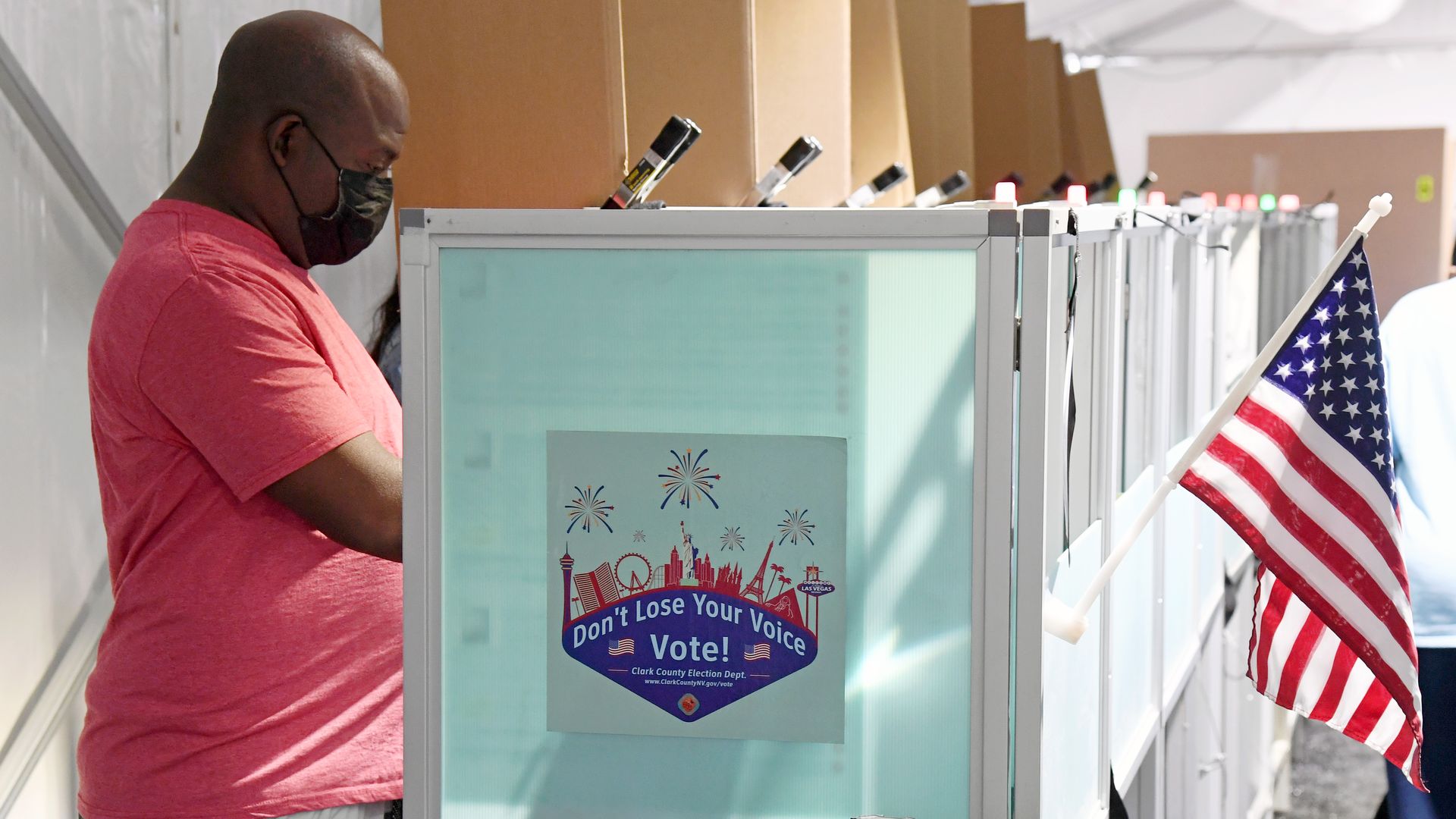
Election security officials and disinformation experts are on high alert over signs that Election Day misinformation aimed at suppressing votes is circulating widely, much of it outside the immediate view of companies and policymakers.
Why it matters: Ample focus is placed on what social media giants are doing to stop the spread of misinformation, but a lot of what's traveling widely so far this Election Day isn't on public platforms, but in texts, robocalls and private chat servers.
State election officials across the U.S. are warning voters of a wave of unidentified robocalls and texts that suggest voters stay home.
Why it matters: The robocall campaign has sparked fresh fears that misinformation could spread on Election Day, targeting Americans' cellphones to scare them away from the polls.
Today will be hard enough for many of us to get through without also falling for misinformation that may enrage, depress and deceive. Here are a few tips from team Axios and experts designed to relieve at least a little of the Election Day stress.
Why it matters: The intentional spread of false information aims not just to mislead, but also to keep voters from the polls and to undermine public faith in institutions.
Tech companies that entered the 2020 election season hoping to stay out of politics find themselves more embroiled in partisan conflict than ever on Election Day.
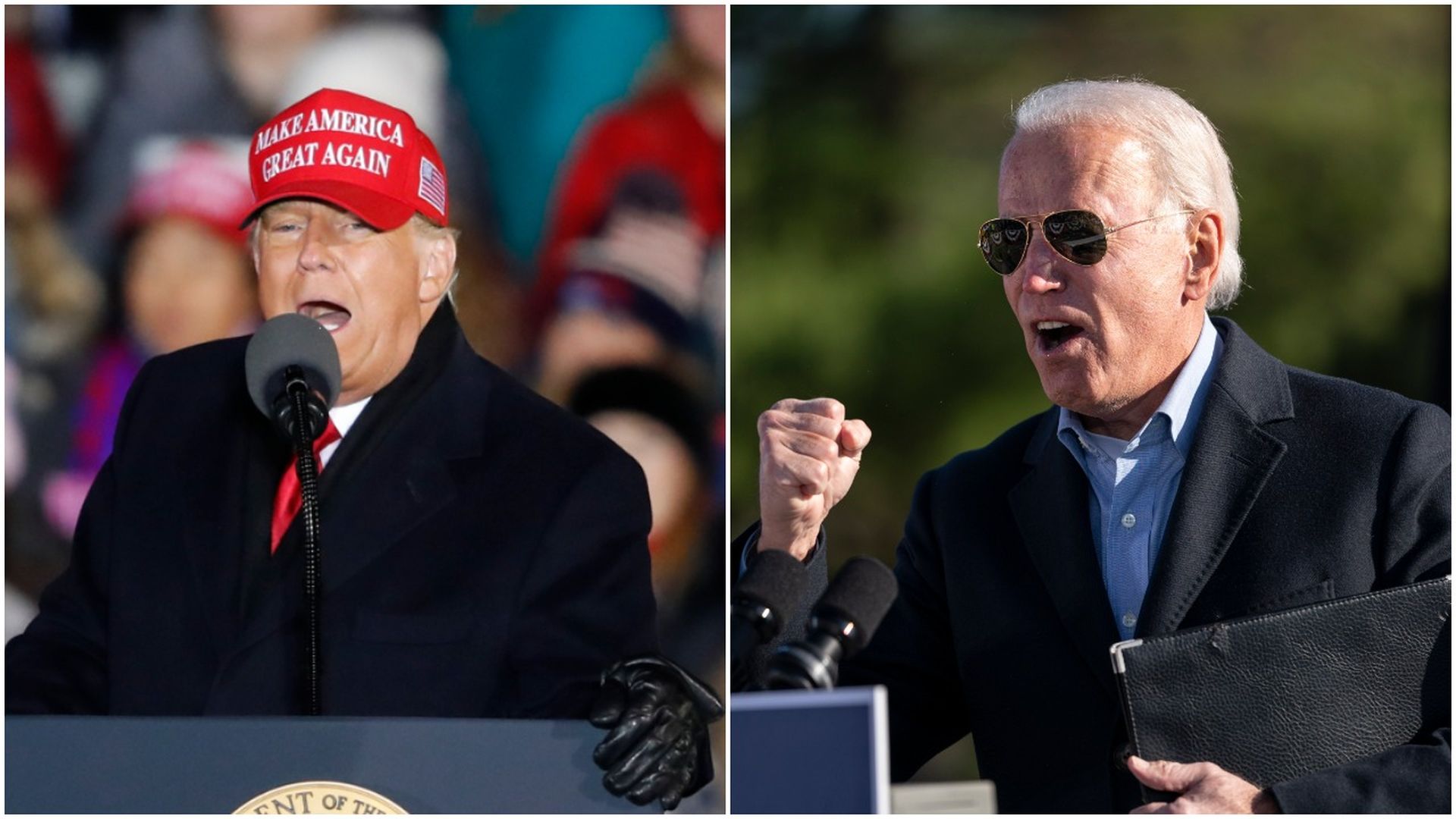
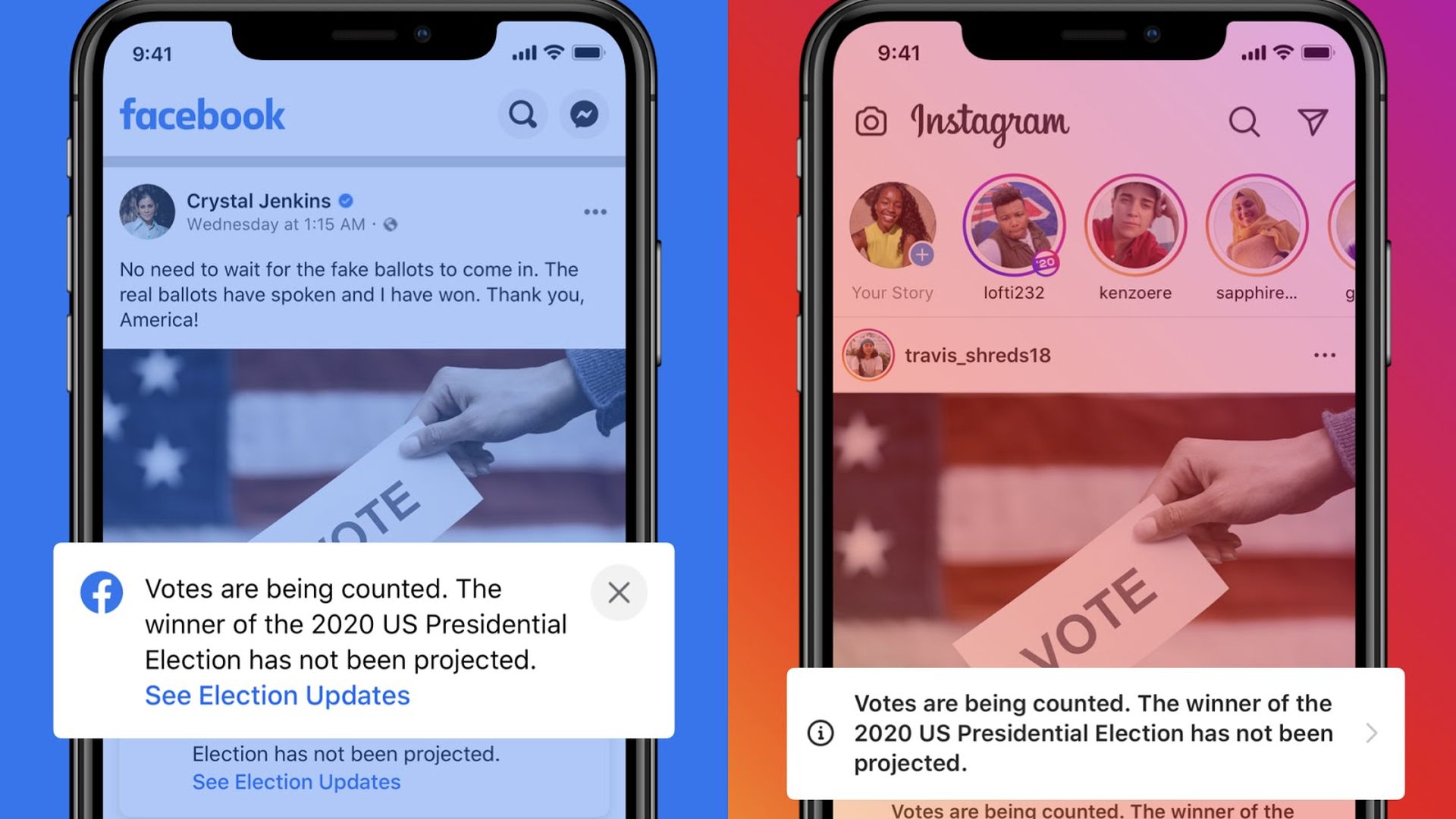
Driving the news: Twitter and Facebook have scrambled to make late changes in complex misinformation policies — intended to dampen candidates' premature claims of victory — as they face a barrage of complaints and censorship charges from President Trump and his camp.
Election-related policy changes introduced by tech companies at the last minute will put their efforts to control misinformation in the spotlight over the next few days as the U.S. readies for election results.
Why it matters: Most of the new policies haven't been tested in real time yet, and the platforms have a record of confusion, inconsistency and self-reversal as their rules land on the information battlefield.
Facebook said Monday it would be relying on consensus results from the National Election Pool/Edison via Reuters, the Associated Press, and six independent decision desks at major media outlets to determine when a presidential winner is projected.
Why it matters: Facebook is expanding the pool of sources it will use to enforce its policies around false claims of victory and other post-election misinformation. The company had already said it would add a label to any premature victory announcements, directing people to the official results from Reuters and the National Election Pool.
Apple Monday announced a Nov. 10 press event, most likely to introduce the first Macs that will use Apple-designed processors. Apple had previously said the first Apple-powered Macs would ship later this year.
Why it matters: Shifting the underlying processors in a computer line without hurting sales is a tricky proposition, but Apple has managed through more of these transitions than other computer makers.
The headaches facing the tech industry's giants won't change much whether Donald Trump remains in the White House or Joe Biden takes his place.
The big picture: Individuals in tech are as passionate and fingernail-biting about Tuesday's election as any other Americans. But the path ahead for the massive companies that have seized the industry's reins over the past decade will only alter incrementally based on the polls' outcome.