KuaiShou, a Chinese short-video and live streaming app, filed for a Hong Kong IPO that reportedly will seek to raise $5 billion.
Why it matters: This reflects the booming market for TikTok-style services in China, as KuaiShou claims to have over 300 million daily users. Its rivals include Douyin (ByteDance's Chinese version of TikTok) and Nasdaq-listed Bilibili (which, like KuaiShou, includes Tencent and Alibaba as shareholders).
This week's election count is already giving the large tech platforms a taste of their future content-moderation challenges.
The state of play: Each day is proving harder than the last for internet gatekeepers amid swirling conspiracy theories, misinformation from elected leaders and growing violent speech from pockets of the far right.
The 2020 election outcome presents Facebook, Twitter and other online platforms with a worst-case scenario for misinformation management even as it takes some of the regulatory pressure off the wider tech industry.
Why it matters: Aggravated red state/blue state grievances look to usher in an open-ended era of partisan trench warfare online — but a split Congress shrinks the likelihood of new laws reining in tech's power.
Facebook is temporarily demoting posts containing election-related misinformation on its platforms and limiting the distribution of livestreams that may relate to the election, the company confirmed Thursday.
Why it matters: Facebook is turning on emergency measures like those used in countries where democracy is under threat as it looks to contain the spread of false claims and conspiracy theories about ballot counting.
Uber is looking to export to other states California's newly voter-approved policy that will let the company continue to treat its drivers as contractors and not employees, CEO Dara Khosrowshahi said on an analyst call after the company posted mixed third-quarter results Thursday.
The big picture: Uber and Lyft helped lead a $200 million campaign to convince Californians to vote for Proposition 22, which they did overwhelmingly Tuesday. Uber now wants to "have dialog with governments and other states" on enacting similar arrangements, Khosrowshahi said.
Public and private Facebook groups are becoming vectors of disinformation about ballot counting, as the results of the presidential race remain unclear and states finish tallying votes under individual state laws and timelines.
Driving the news: Facebook took down a public group called "Stop the Steal" that quickly amassed hundreds of thousands of members Thursday. Yet conspiracy theories and false claims continue to circulate widely in other groups, including private ones predating the election that have been repurposed as disinformation repositories.
Why it matters: Fast-growing startups generally try very hard to avoid regulation. As they become increasingly important, they collectively represent a growing blind spot for regulators.
The value of a single bitcoin cracked $15,000 Thursday afternoon, following a Justice Department seizure of about $1 billion worth of the cryptocurrency from the dormant dark web site Silk Road.
Why it matters, via Axios' Dan Primack: This is the largest-ever U.S. government seizure of Bitcoin to date. The confiscation caused prices to jump because so much was taken out of circulation — but, the government could likely auction it all off later.
Fun, helpful and convenient or dangerous eyesores for the young? Whichever side you take, shared e-scooters are coming in March to New York City — that is, to the four boroughs other than Manhattan.
Why it matters: Ride-share purveyors have blanketed the nation with motorized scooters, a trend fueled by the coronavirus — as people shunned mass transit — and likely to continue unless safety or other problems intervene. (Remember hoverboards?)
The U.S. Justice Department on Thursday sued to block Visa's proposed $5.3 billion purchase of Plaid, a San Francisco-based provider of analytics software for accessing transaction data.
The bottom line: Plaid lets fintech startups connect to users' bank accounts, but the DOJ argues that the merger would eliminate Plaid's potential ability to compete in the online debit market, thus giving Visa a monopoly. Visa told WSJ it plans to "defend the transaction vigorously.”
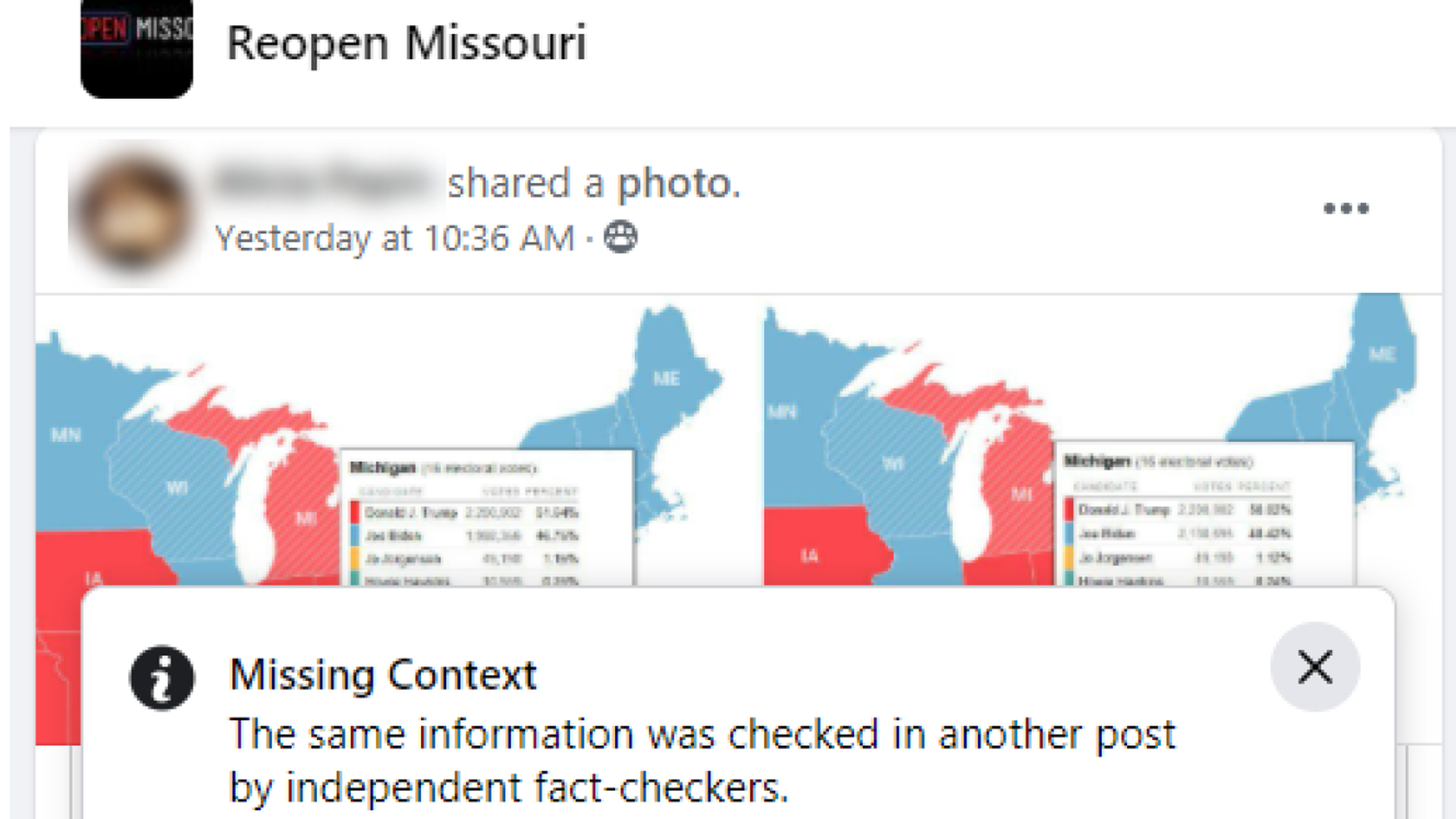
Although tech platforms have made good on promises to check false election claims from political figures — up to and including the president — those efforts haven't turned the tide in the broader war on misinformation.
Between the lines: Dedicated spreaders of misinformation are finding ways around platforms' rules. Sometimes enforcement actions themselves provide fresh fuel for otherwise baseless conspiracy theories that the media, Big Tech and Democrats are colluding to steal the election from President Trump.