The most important Supreme Court case in modern Silicon Valley history came to oral arguments on Wednesday.
Why it matters: Oracle is suing Google for writing some specialized code, known as an API, which allowed developers to code in Oracle's Java programming language when building Android apps. Oracle claims copyright on Java APIs, and wants $9 billion in damages.
After it offered employees an exit package if they no longer feel aligned with the company's mission and culture, Coinbase says about 5% of its employees (60 of them) have taken the deal. It adds that employees of underrepresented groups did not leave disproportionately.
Why it matters: CEO Brian Armstrong sparked fiery debate within the tech industry with a recent blog post stating the crypto company plans to not take any political stances going forward and won't be holding any company-wide discussions not related to its work.
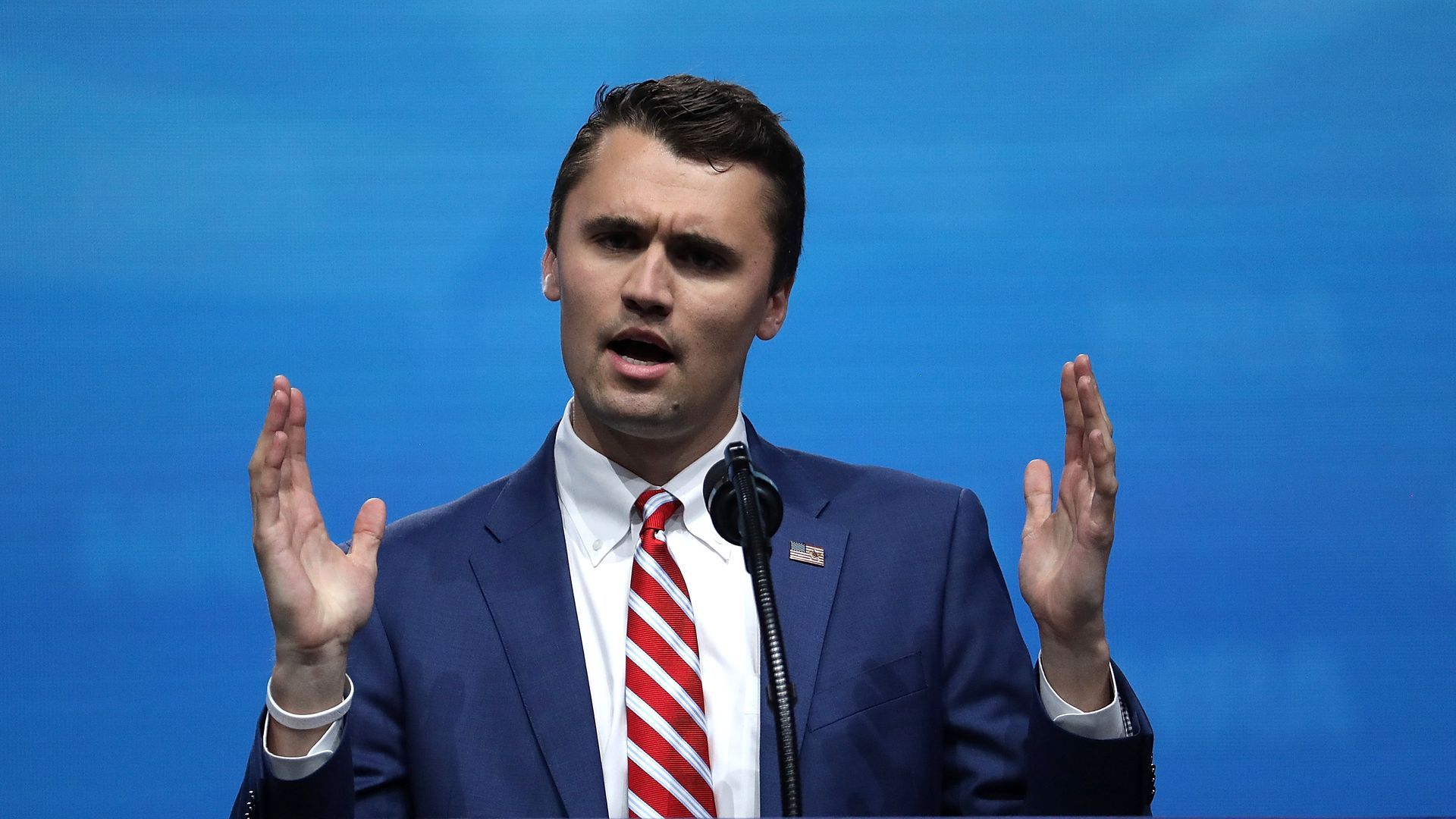
Facebook said Thursday that it took down a coordinated inauthentic behavior campaign that was being run by Rally Forge LLC, a U.S. marketing firm working on behalf of pro-Trump student organization Turning Point USA and Inclusive Conservation Group, an organization that appeared to be focused on trophy hunting in Africa.
Why it matters: It's the most recent example of Facebook taking action on a group linked to fringe conservatives or conservative ideology for spreading misinformation or attempting to persuade public debate with fake accounts.
In a not-so-subtle dig at Apple and Google, Microsoft today announced a series of "principles" for its Windows 10 App Store — including letting users choose their own payment system for in-app purchases — that it says should serve as a model for other app stores.
Why it matters: The move comes as antitrust regulators in the U.S. and around the world are spotlighting how both Apple and Google manage their mobile platforms and as some developers charge them with running their app stores unfairly.
Nearly every major tech platform has acted to limit political ads in some way since 2016. Some have enacted strict bans and allow no political, social or election ads whatsoever, while others have put more temporary or partial limits in place.
Why it matters: Formal federal regulation of online political ads is not in sight, but the pressure on platforms from lawmakers and activists has so far been enough to push them to act voluntarily.
A smarter, more connected electrical grid is more efficient and more resilient against natural threats — but more vulnerable against cyberattacks.
Why it matters: As electricity shifts to more distributed and intermittent renewable sources, updating the grid has become a necessity. But unless cyber defense keeps pace, digitizing the grid will also open up new points of approach for cyber threats.
Apple's TV+ streaming service has joined the Motion Picture Association of America's (MPA) anti-piracy coalition — the Alliance for Creativity and Entertainment (ACE) — and will join its governing board.
Why it matters: The move represents Apple's growing commitment to its original programming. The company has long championed creators' rights, but now that it's producing its own content for Apple TV+, it is doubling down on efforts to protect original content.
Lawyers for Oracle and Google debated whether programming interfaces are copyrightable as the companies' decade-long legal fight arrived at U.S. Supreme Court oral arguments Wednesday.
Why it matters: Both sides agreed that the case could determine the future health of software innovation, and both offered dire predictions — what justices repeatedly called "sky is falling" arguments — should the other side prevail. There's also money involved: Oracle is asking for nearly $9 billion in damages from Google for its use of Java code in the Android operating system.
Victims of ransomware attacks who pay criminals to release their data may be held liable for violating U.S. sanctions — even if they don’t know the true identity of their tormentors, advised the Treasury Department in a bulletin last week.
Why it matters: The move could doubly punish the victims of ransomware attacks.
The Russian troll farm central to Moscow's 2016 U.S. election interference campaign appears to be behind a new operation targeting U.S. voters on Gab and Parler, social media platforms favored by the far right.
Why it matters: The shift by Russia's Internet Research Agency to more marginal platforms may signal that the techniques and strategies that paid off for Russia in 2016 are seeing declining returns. If Moscow is trying to influence a broad swath of U.S. voters, being relegated to platforms unknown to 99% of Americans simply won’t get the job done.
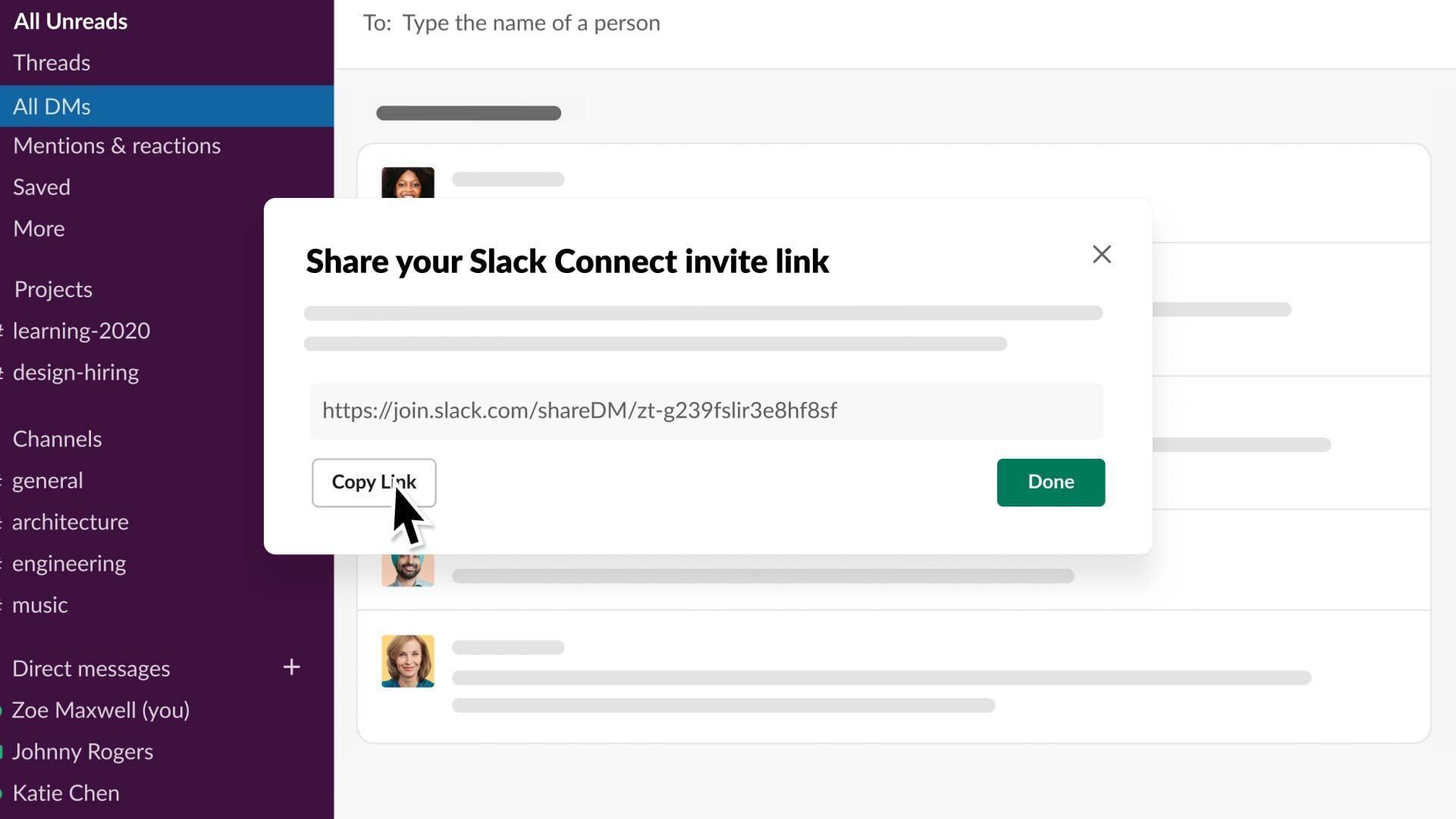
In the next major step in its quest to replace email, Slack plans to start allowing direct messages between people who work at different companies, regardless of whether the companies are themselves connected via Slack.
Why it matters: Slack CEO Stewart Butterfield told Axios this is the company's biggest product move since it started allowing companies to have shared channels with outside vendors, suppliers and partners.
The House Judiciary Committee says Amazon, Apple, Facebook and Google are monopolies — but its new plan to rein in their power won't change anything overnight. Instead, Democratic lawmakers propose to rewrite American antitrust law in order to restructure the U.S.'s most successful and powerful industry over time.
The big picture: The report is a long pass down the field of the tech industry's unfolding conflicts. It could be game-changing — but it also might never get completed.



/2020/10/08/1602179400958.gif?w=3840)


/2020/10/08/1602162644972.gif?w=3840)