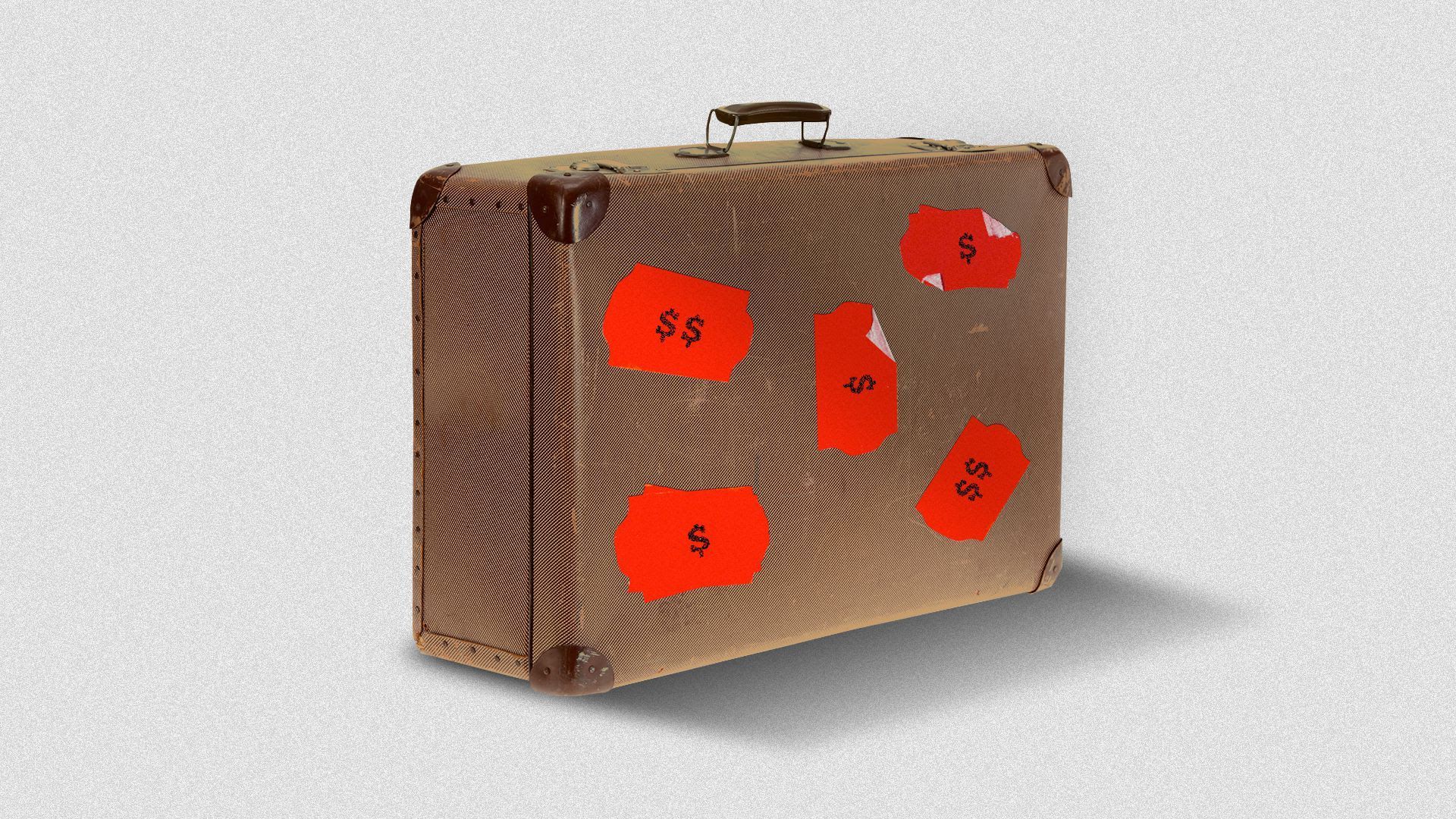
Roadie, an Atlanta-based company that got its start using gig drivers to deliver lost baggage for Delta Air Lines, now figures to play a big role in delivering holiday purchases this year.
Why it matters: Demand for same-day shipping exploded during the pandemic, and is likely to increase even more during the holidays. Traditional parcel carriers have strained to keep up, often slapping surcharges on deliveries, leaving a lane for Roadie to help manage peak demand.
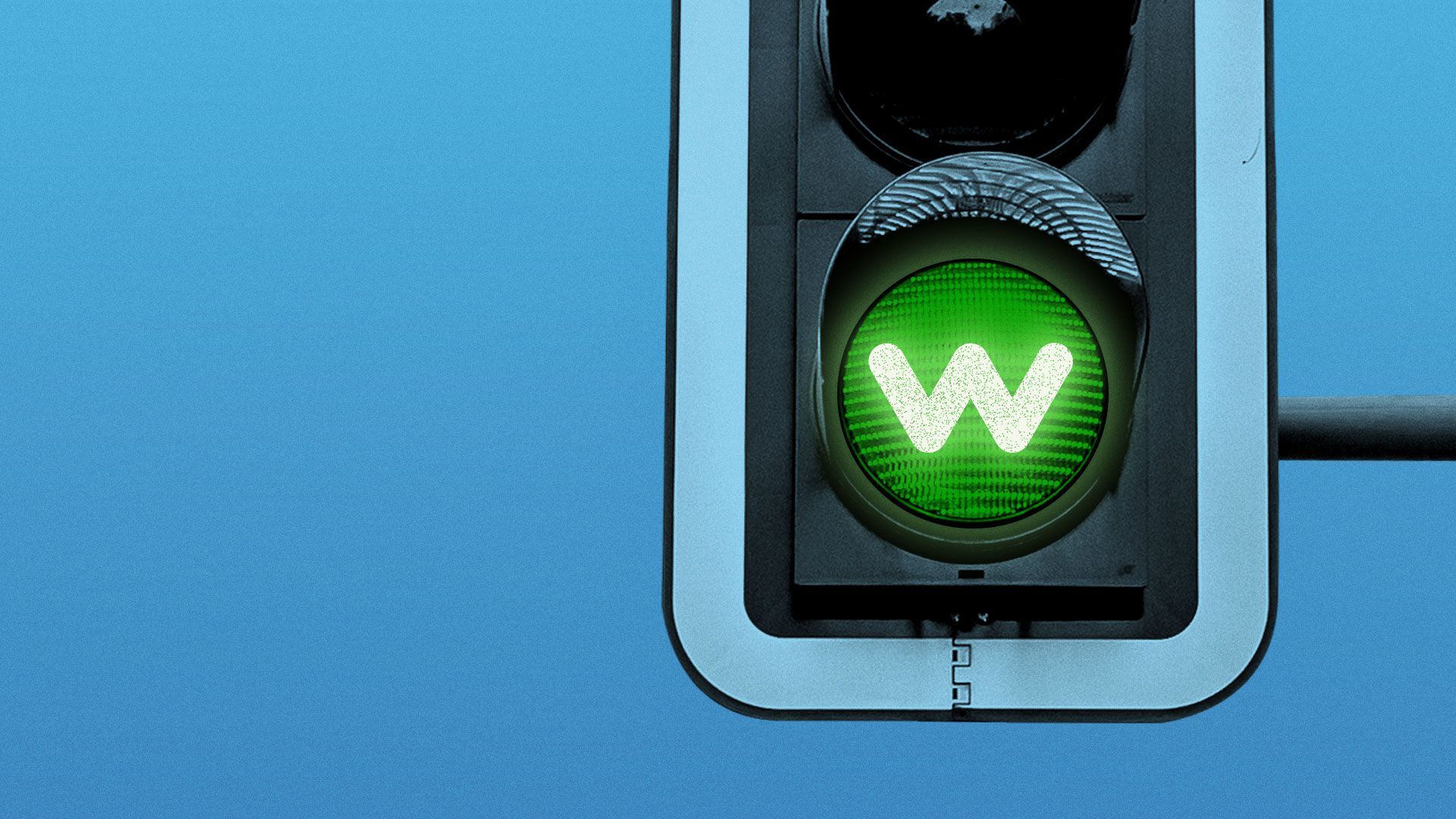
After two years of tightly controlled operation in Chandler, Ariz., Waymo is opening up its driverless taxi service to the public.
Why it matters: This is a big deal — a real driverless taxi service, with no one in the driver's seat — that is open to anyone who downloads the Waymo One app.
Twitter said Friday it would be making a slew of significant new product and enforcement changes to help clamp down on misinformation leading up to the election.
Why it matters: It's the most aggressive set of changes that Twitter has rolled out to date to curb election-related misinformation on its platform.
AMD is in advanced talks to acquire rival chip company Xilinx in a deal that would value the latter at more than $30 billion, according to the Wall Street Journal.
Why it's the BFD: This is the latest in a string of notable semiconductor deals, including Nvidia's recent agreement to acquire ARM from SoftBank for $40 billion.
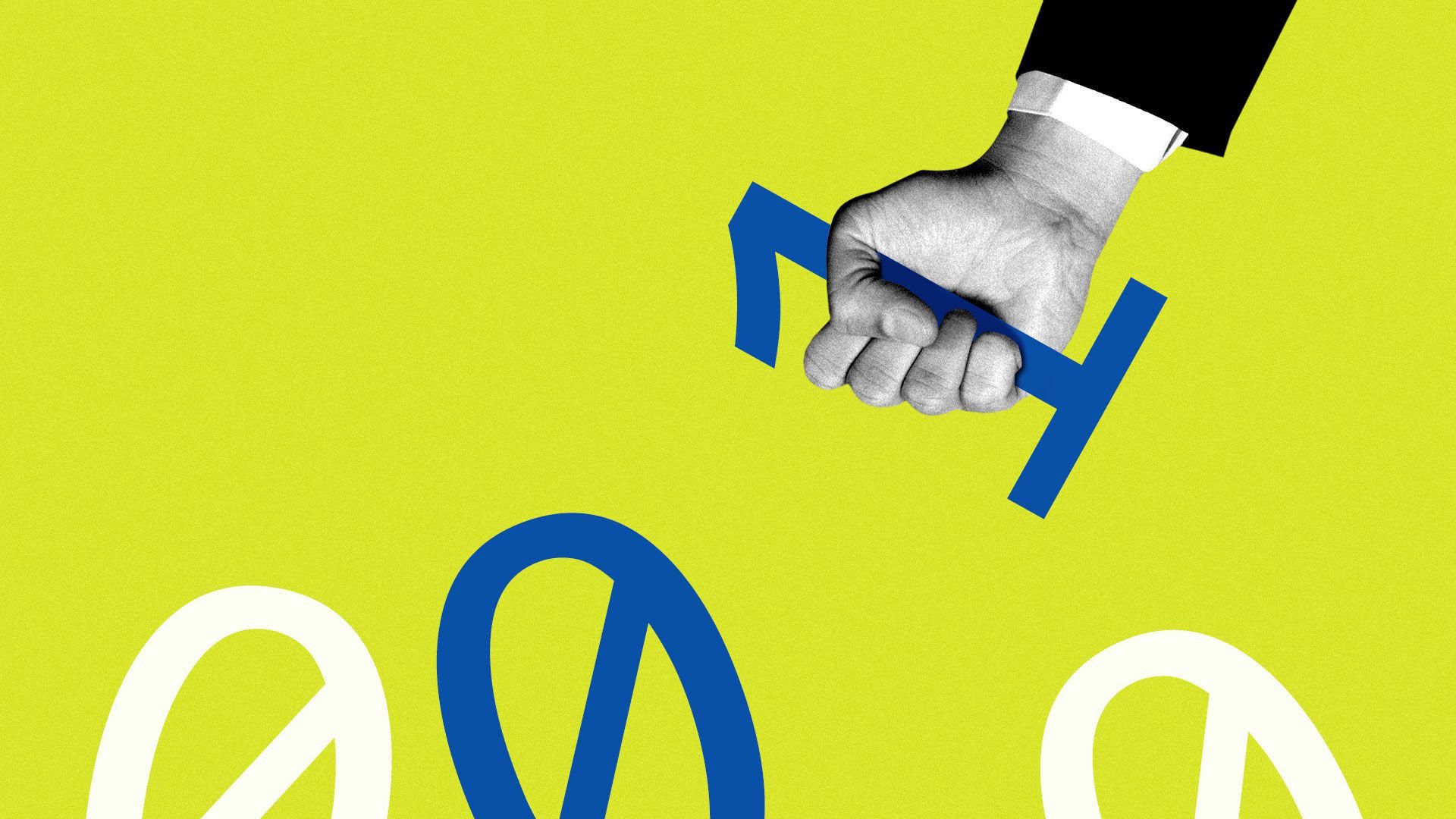
The government has a newfound interest in looking into discrimination in the tech industry, which is overwhelmingly male and has a big problem with underrepresentation of Black and Latinx employees.
The Trump administration, far from seeking greater diversity, is asking whether corporate goals to boost Black representation are a form of discrimination.
Why it matters: Experts say concrete goals are needed to ensure aspirations turn into results.
Peloton, the networked fitness-bike seller, has found itself in the position of having to scour its forums and leaderboards to remove hateful speech.
The bottom line: It highlights how toxic the social media environment is in 2020. If it's online and social, it's probably going to require moderation.
Mira, a NYC-based startup that has users pay a membership fee to access basic health care services at fixed prices, has raised $2.7 million in funding from FlyBridge Capital Partners, Newark Venture Partners, Precursor Ventures, Plug and Play, CityLight, and angel James Chung.
Why it matters: Despite the Affordable Care Act enabling access to health coverage for more Americans, many remain uninsured, skipping out on preventative care and struggling to pay out of pocket for services.
A group of 11 technology, software and advertising organizations is calling on the Trump administration to rescind an executive order intended to stop federal agencies and contractors from conducting anti-racism trainings.
Catch up quick: The White House order describes its goal as "to combat offensive and anti-American race and sex stereotyping and scapegoating," but its practical result is to ban diversity and inclusion programs, and critics have argued it will undermine progress toward reducing systemic racism in business, education and government.
Social media platforms are scrambling to crack down on domestic actors who have picked up foreign meddling techniques to try to influence the 2020 election — an effort that's resulted in a spate of action against U.S.-based conservatives.
The big picture: Domestic influence campaigns are not new, but tech firms are more aware of them this cycle. The companies also have more help from intelligence agencies and media companies to help uncover these operations and shut them down.
The most important Supreme Court case in modern Silicon Valley history came to oral arguments on Wednesday.
Why it matters: Oracle is suing Google for writing some specialized code, known as an API, which allowed developers to code in Oracle's Java programming language when building Android apps. Oracle claims copyright on Java APIs, and wants $9 billion in damages.
After it offered employees an exit package if they no longer feel aligned with the company's mission and culture, Coinbase says about 5% of its employees (60 of them) have taken the deal. It adds that employees of underrepresented groups did not leave disproportionately.
Why it matters: CEO Brian Armstrong sparked fiery debate within the tech industry with a recent blog post stating the crypto company plans to not take any political stances going forward and won't be holding any company-wide discussions not related to its work.
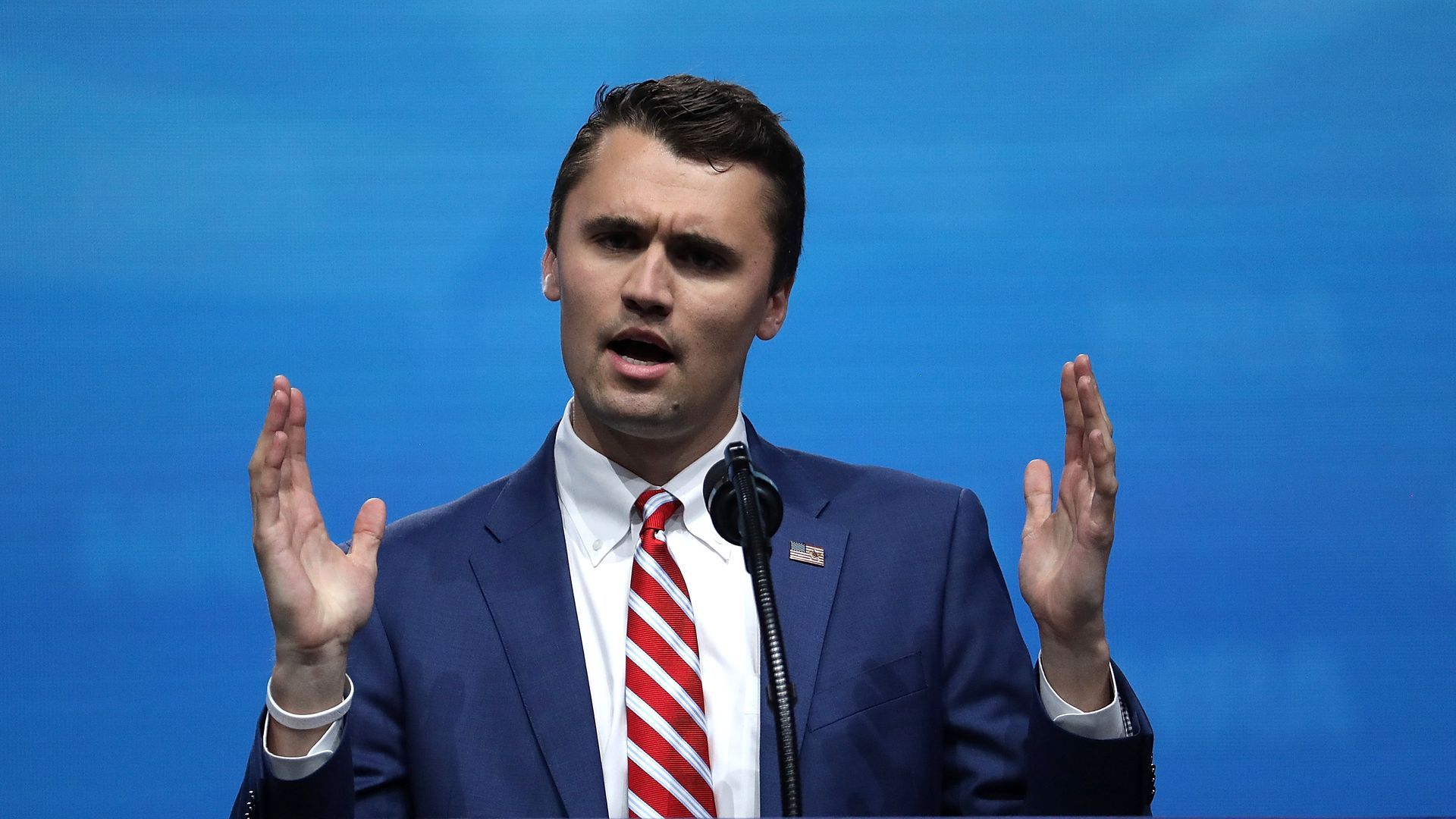
Facebook said Thursday that it took down a coordinated inauthentic behavior campaign that was being run by Rally Forge LLC, a U.S. marketing firm working on behalf of pro-Trump student organization Turning Point USA and Inclusive Conservation Group, an organization that appeared to be focused on trophy hunting in Africa.
Why it matters: It's the most recent example of Facebook taking action on a group linked to fringe conservatives or conservative ideology for spreading misinformation or attempting to persuade public debate with fake accounts.
In a not-so-subtle dig at Apple and Google, Microsoft today announced a series of "principles" for its Windows 10 App Store — including letting users choose their own payment system for in-app purchases — that it says should serve as a model for other app stores.
Why it matters: The move comes as antitrust regulators in the U.S. and around the world are spotlighting how both Apple and Google manage their mobile platforms and as some developers charge them with running their app stores unfairly.
Nearly every major tech platform has acted to limit political ads in some way since 2016. Some have enacted strict bans and allow no political, social or election ads whatsoever, while others have put more temporary or partial limits in place.
Why it matters: Formal federal regulation of online political ads is not in sight, but the pressure on platforms from lawmakers and activists has so far been enough to push them to act voluntarily.










/2020/10/08/1602179400958.gif?w=3840)
/2020/10/08/1602162644972.gif?w=3840)