We now have a closer look at Facebook researchers' "WW" project, a parallel-world version of the social network populated entirely by bots, via The Verge's James Vincent.
Why it matters: The simulation of the entirety of the social network is designed to help the company anticipate and forestall new forms of online mischief and scams using a copy of Facebook's actual codebase.
Gus Coldebella, former chief legal officer of Circle and ex-acting general counsel of the Department of Homeland Security at the end of the Bush Administration, has joined crypto-focused VC firm Paradigm as its general counsel.
Why it matters: Coldebella is one of a growing number of high-profile government officials to jump over to the crypto industry’s private sector.
Twitter, a company well-acquainted with choppy waters, is having an especially rough moment. First, there was last week's brutal hack of high-profile accounts. Then, there was today's disappointing earnings report, along with the company's admission that it needs new sources of revenue, including subscriptions.
The big picture: Twitter has only grown in its importance to politics and culture in the U.S. even as the company's business fortunes have stagnated.
A last-minute scheduling conflict with a planned memorial service for the late Rep. John Lewis has left the House Judiciary Committee likely to delay its long-planned hearing with the CEOs of Apple, Google, Facebook and Amazon, according to sources familiar with the deliberations.
Why it matters: The hearing will represent the first time CEOs of Silicon Valley's biggest firms have appeared together to answer lawmakers' criticisms and charges of monopolistic behavior.
Leading U.S. chipmaker Intel beat earnings estimates for the most recent quarter in results reported Thursday, but its stock plunged after hours after it revealed a gloomier outlook for the rest of the year and new delays in delivering its next-generation 7-nanometer chips.
Why it matters: This is the first quarter to reflect the full impact of the coronavirus pandemic on the U.S. and global economy.
Multiple states are investigating Apple for potentially deceiving consumers, according to a March document uncovered by a tech watchdog group.
The big picture: Apple is already facing antitrust investigations from U.S. House lawmakers and the European Union. Meanwhile, states have stepped up their scrutiny of Big Tech, including through multi-state antitrust probes of Facebook and Google.
Jamf, a Minneapolis company that helps businesses manage their employees' use of Apple devices, had a blockbuster first day of trading Wednesday, with shares up nearly 40% in an initial offering that raised $468 million for the firm.
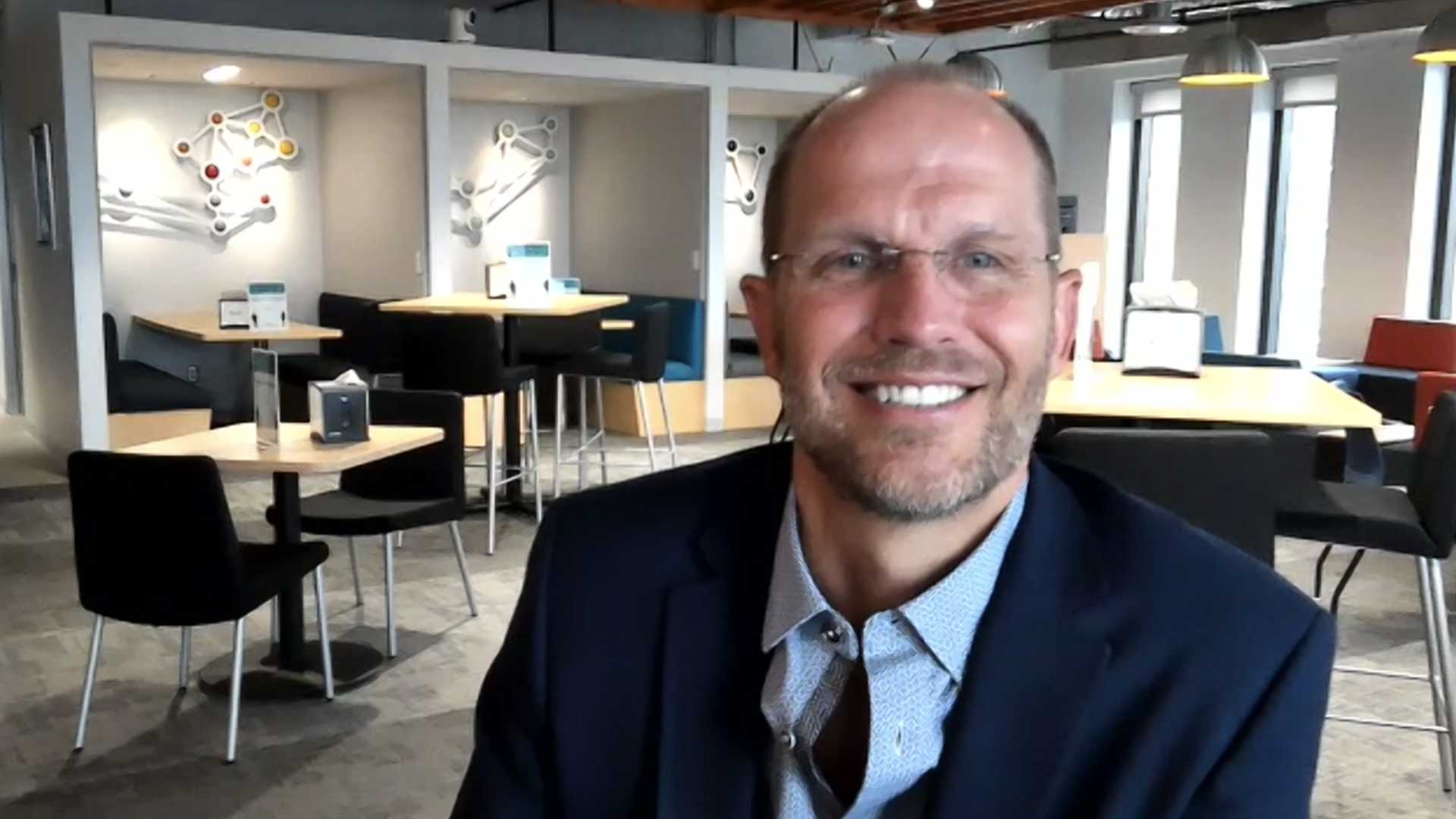
The big picture: CEO Dean Hager told me in an interview he has "absolutely no regrets" that money was left on the table, calling Wednesday "about as energizing a day as we've had in Jamf's history."
Twitter said Thursday that it added 20 million new monetizeable daily active users in the second quarter, an increase of 34% year-over-year — but its ad revenue was down 23% over the same period, due to pandemic-related pullback.
Why it matters: Twitter, like other media companies, is facing coronavirus' double-edged sword. While users flock online because of shelter-in-place orders, advertisers are cutting back their spending.
Four firms —Facebook, Google, Amazon and Apple — now form the de facto roster of Big Tech, thanks to Congress' decision to interrogate their CEOs together at a landmark antitrust hearing Monday. (Sorry, Microsoft, but maybe it's for the best.)
The big four share enormous power, massive resources, high ideals and, more recently, troubled public images. But there are enormous differences among them, too — and their leaders will be leaning on those contrasts as lawmakers grill them.
Twitter announced that hackers were able to access the direct messages of 36 of 130 targeted accounts, including an elected official in the Netherlands, as part of a mass hack that targeted notable figures on July 15.
Why it matters: Wednesday's announcement shows that hackers retrieved sensitive information from more than eight accounts that had their full information downloaded. Twitter said it is still unaware whether more accounts’ direct messages were accessed.
Twitter declined to comment to Axios on how many verified users were among the 36 people whose messages were accessed. It previously said no verified accounts were among those that had their full information downloaded.


/2020/07/24/1595599577103.gif?w=3840)