Leading U.S. chipmaker Intel beat earnings estimates for the most recent quarter in results reported Thursday, but its stock plunged after hours after it revealed a gloomier outlook for the rest of the year and new delays in delivering its next-generation 7-nanometer chips.
Why it matters: This is the first quarter to reflect the full impact of the coronavirus pandemic on the U.S. and global economy.
Multiple states are investigating Apple for potentially deceiving consumers, according to a March document uncovered by a tech watchdog group.
The big picture: Apple is already facing antitrust investigations from U.S. House lawmakers and the European Union. Meanwhile, states have stepped up their scrutiny of Big Tech, including through multi-state antitrust probes of Facebook and Google.
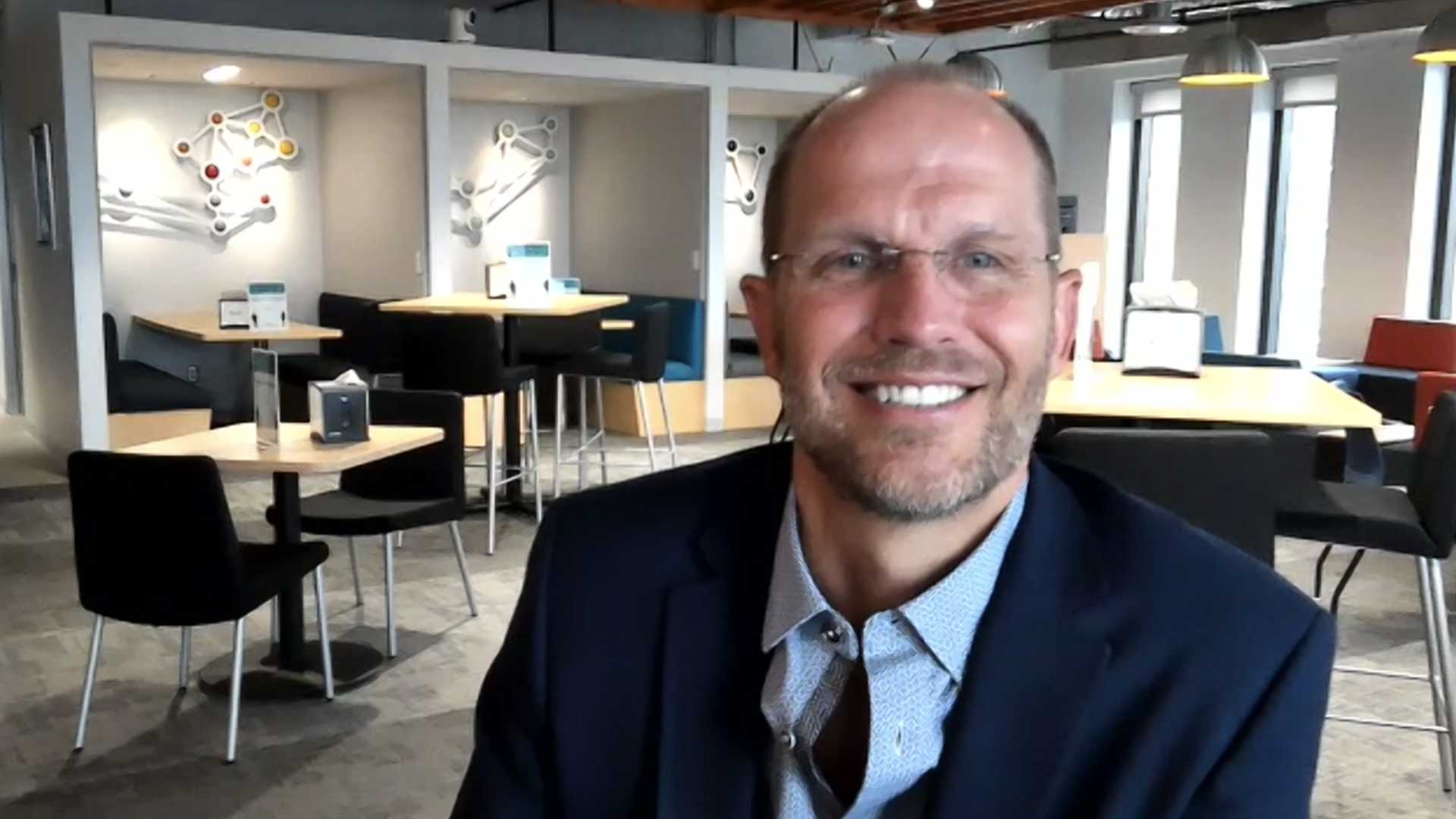
Jamf, a Minneapolis company that helps businesses manage their employees' use of Apple devices, had a blockbuster first day of trading Wednesday, with shares up nearly 40% in an initial offering that raised $468 million for the firm.
The big picture: CEO Dean Hager told me in an interview he has "absolutely no regrets" that money was left on the table, calling Wednesday "about as energizing a day as we've had in Jamf's history."
Twitter said Thursday that it added 20 million new monetizeable daily active users in the second quarter, an increase of 34% year-over-year — but its ad revenue was down 23% over the same period, due to pandemic-related pullback.
Why it matters: Twitter, like other media companies, is facing coronavirus' double-edged sword. While users flock online because of shelter-in-place orders, advertisers are cutting back their spending.
Four firms —Facebook, Google, Amazon and Apple — now form the de facto roster of Big Tech, thanks to Congress' decision to interrogate their CEOs together at a landmark antitrust hearing Monday. (Sorry, Microsoft, but maybe it's for the best.)
The big four share enormous power, massive resources, high ideals and, more recently, troubled public images. But there are enormous differences among them, too — and their leaders will be leaning on those contrasts as lawmakers grill them.
Twitter announced that hackers were able to access the direct messages of 36 of 130 targeted accounts, including an elected official in the Netherlands, as part of a mass hack that targeted notable figures on July 15.
Why it matters: Wednesday's announcement shows that hackers retrieved sensitive information from more than eight accounts that had their full information downloaded. Twitter said it is still unaware whether more accounts’ direct messages were accessed.
Twitter declined to comment to Axios on how many verified users were among the 36 people whose messages were accessed. It previously said no verified accounts were among those that had their full information downloaded.
While GPT-3 has earned ecstatic reviews from many experts for its capabilities, some critics have pointed out clear issues around bias.
Why it matters: As AI becomes more powerful and more integrated into daily life, it becomes even more important to root out the persistent problem of bias and fairness.
A new general language machine learning model is pushing the boundaries of what AI can do.
Why it matters: OpenAI's GPT-3 system can reasonably make sense of and write human language. It's still a long way from genuine artificial intelligence, but it may be looked back on as the iPhone of AI, opening the door to countless commercial applications — both benign and potentially dangerous.
The U.S. lacks a well-formulated policy of cyber deterrence, one that ensures adversarial states will anticipate the consequences of their own cyber operations and online influence campaigns against the U.S., according to a U.S. senator who is a prominent voice in the cybersecurity field.
Why it matters: With elections looming in November, hacks afflicting Twitter and other services, and misinformation rampant on social media platforms, the U.S. remains a vulnerable target for state-backed cyber operations.
The best way to save ByteDance, the world's most valuable tech "unicorn," may be to break up ByteDance.
Driving the news: Some of the Chinese company's U.S. investors are discussing a carve-out of all or part of TikTok, which is under growing geopolitical pressures, according to The Information.
Slack filed an antitrust complaint against Microsoft in the European Union Wednesday, arguing it's anti-competitive that Microsoft ties its Teams workplace collaboration software to its Microsoft Office suite of products.
The big picture: Slack's suit adds to the growing list of big U.S. tech companies under global scrutiny for potential antitrust violations.
CalypsoAI, a machine learning startup with its roots in the defense industry, has raised $13 million to help make government and corporate AI systems more secure and free of bias.
Why it matters: Making AI systems that are free from bias, secure and explainable are all key goals as the technology gets used for increasingly important tasks.
More than half of tech workers in the Bay Area are concerned about being laid off or furloughed in the next six months, or their salaries hitting a plateau or dropping, according to a new report from Hired.
Why it matters: The tech industry has generally fared better than other sectors in the pandemic downturn, offering more chances to work from home and fewer layoffs. However, there are concerns that companies won't be willing to pay Bay Area salaries if remote workers decide to relocate to less expensive areas.
Tech giants' climate pledges are getting bigger and, more importantly, at least somewhat more specific.
Driving the news: Microsoft yesterday unveiled new info about implementing its January vow to be "carbon negative" by 2030 and help its customers and suppliers cut emissions too.
Lawmakers' Monday grilling of the CEOs of Facebook, Apple, Amazon and Google will culminate a years-in-the-making transformation in the relationship between Washington and Silicon Valley from cooperation to confrontation.
The big picture: The proceedings will focus on questions of monopolistic behavior, but the event will be fueled by a longer list of beefs from both parties about misinformation, censorship, consumer privacy, China and more.
The big four tech CEOs testifying at Monday's antitrust hearing will each offer up a key point to defend their firms and deflect lawmakers' wrath.
Why it matters: No corporate leader wants to see their industry heavily regulated or their company broken up. Monday's hearing gives Mark Zuckerberg, Tim Cook, Jeff Bezos and Sundar Pichai a big platform to try to prevent that from happening.
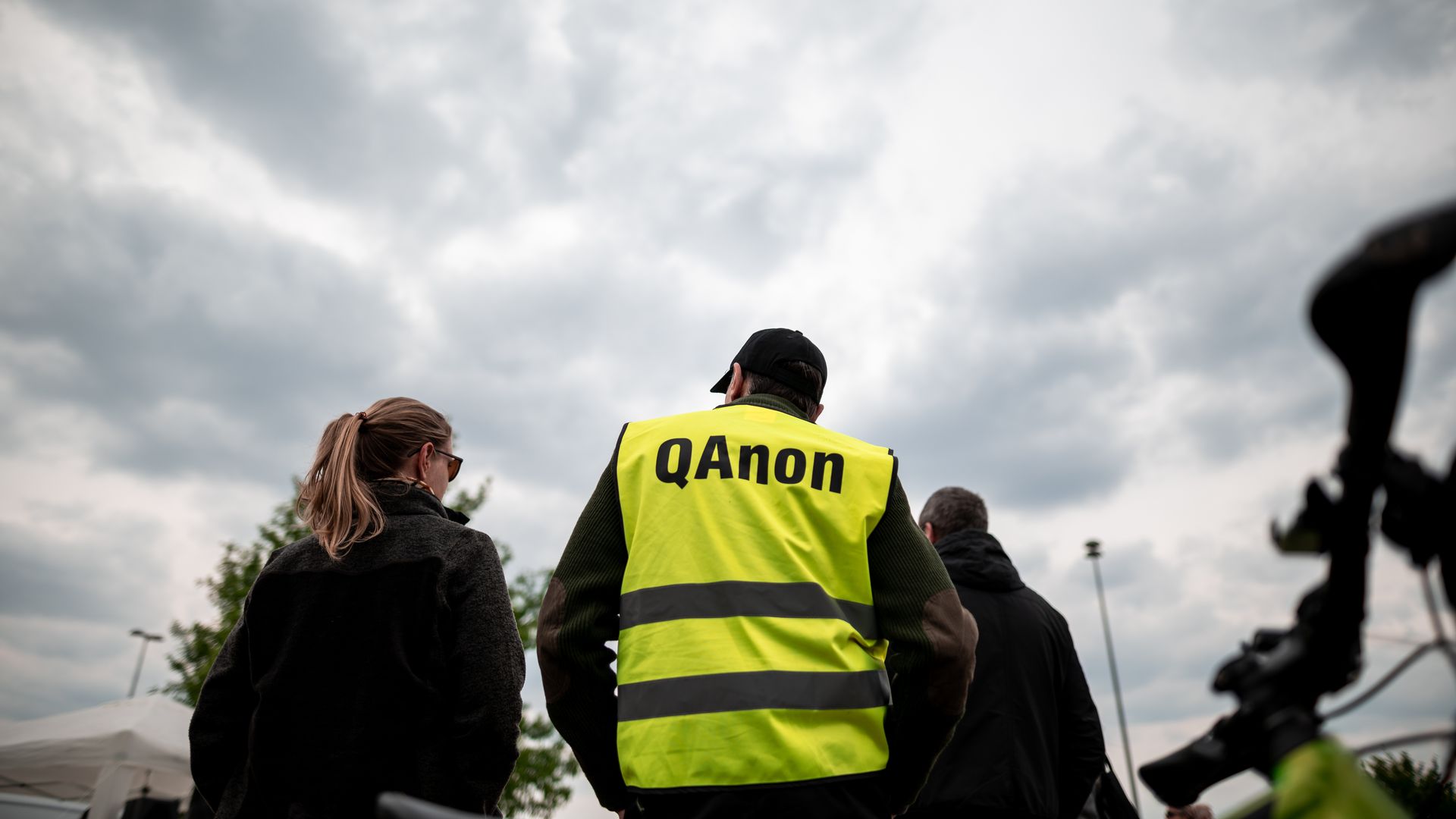
Twitter announced on Tuesday a sweeping crackdown against accounts pushing content related to far-right conspiracy theory movement QAnon.
Why it matters: The move comes as Twitter has been increasingly aggressive in taking action against those using its service to spread misinformation, Axios' Ina Fried writes. The company has prioritized aiming enforcement actions at material that could lead to real-world harm.













/2020/07/22/1595426428233.gif?w=3840)