Snap's stock price is slowly rebounding after a sharp after-hours drop as the company met or beat Wall Street expectations for its second quarter but declined to offer Q3 guidance given ongoing coronavirus-driven uncertainty.
Why it matters: Snap is among the companies that has been able to capitalize on the pandemic which has forced people to stay home much of the time, leaving them with a lot more free time to consume media and entertainment.
A Senate Commerce subcommittee has teed up a hearing next week on Silicon Valley's prized liability shield, slated to take place the day after Big Tech CEOs face a grilling from a House panel.
Why it matters: Lawmakers on other congressional panels, including the Senate Judiciary Committee, are already eyeing legislation to chip away at Section 230 of the Communications Decency Act. Attention from multiple committees raises the odds that such a law could pass before the year's end.
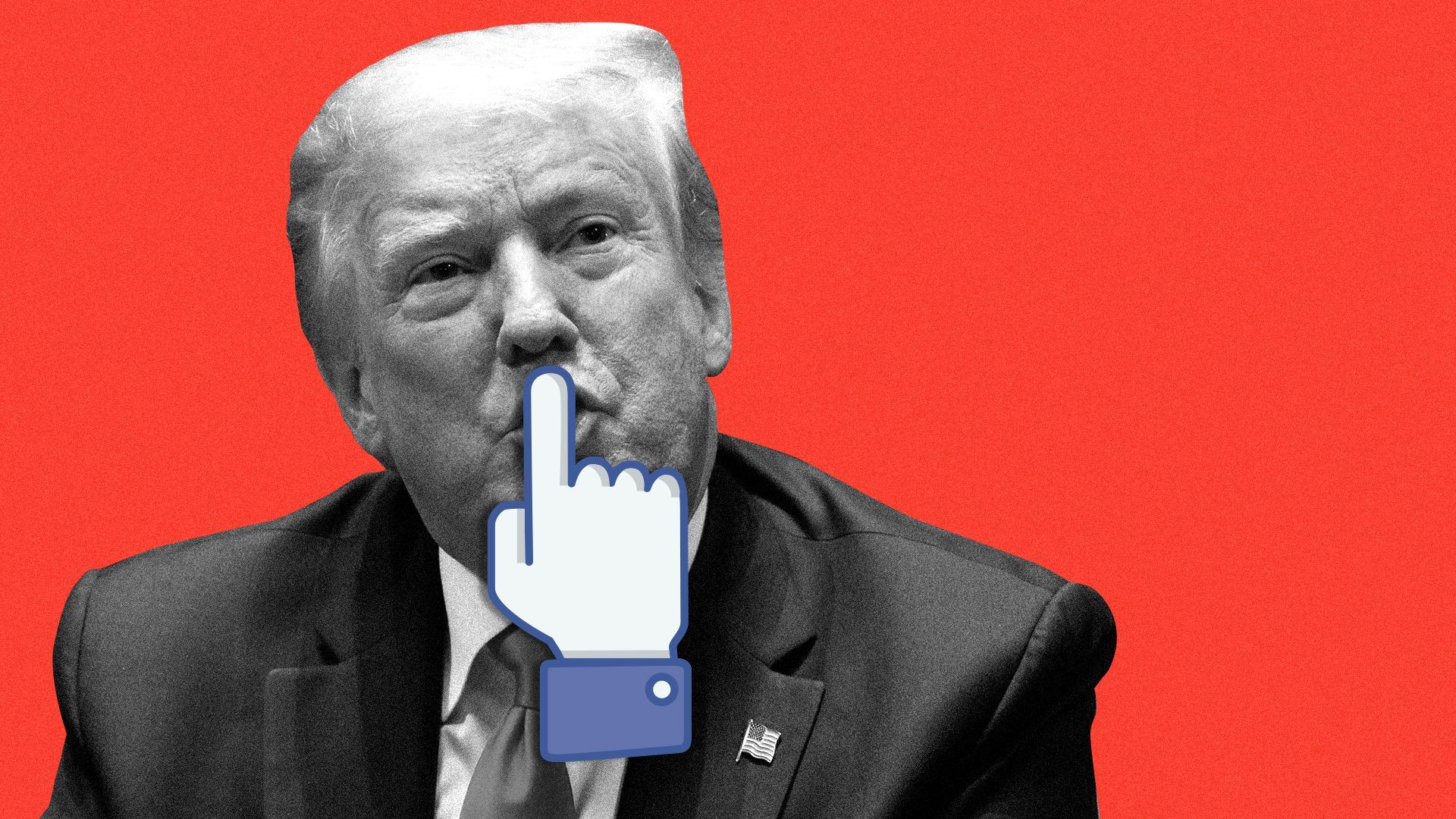
Facebook Tuesday added a label — directing users to electoral information — to a post by President Donald Trump that criticizes mail-in voting.
Why it matters: The move follows through on a promise by Facebook to label all posts from political candidates that mention voting. The company wants to show it will apply the new rules equally to everyone, including Trump. It has added similar links to posts from Democratic presidential candidate Joe Biden.
Amazon spent nearly $7 billion on U.S. advertising in 2019, making it the top ad spender in the country, according to a new analysis from Kantar featured in AdAge.
Why it matters: It wasn't that long ago in 2009 that Jeff Bezos triumphantly declared that "Advertising is the price you pay for having an unremarkable product or service."
Intel has now spent $30 million of the $50 million it pledged in April to help address the coronavirus outbreak, including money for remote health and distance learning. The company says it has learned some key lessons along the way.
Why it matters: Lots of tech companies announced large pandemic relief plans. It's worth checking back to see how those efforts turned out.
A number of writers and journalists have recently flocked to services like Substack to publish their own newsletters under the banner of independence, even as those services and writers themselves are increasingly recreating various benefits of working in a traditional newsroom.
Driving the news: Last week, Substack announced it will provide legal help to some its authors of paid newsletters, including pre-publication review and defense against threats.
Since the day after George Floyd's death on May 26, the rate of hate speech online in the U.S., as tracked by one digital measurement firm, has been nearly three times higher than typical.
By the numbers: On June 3, at the height of nationwide protests, DoubleVerify, which uses its own technology to scan pages online so advertisers can avoid objectionable content, says instances of hate speech were more than 4.5 times higher than usual — the highest-ever rate it has measured to date.
eBay on Tuesday said that it will sell a majority stake in its classifieds unit to Norwegian classifieds firm Adevinta.
The big picture: eBay came under pressure in early 2019 from activist investor Elliott Management, which wanted it to spin off both its classifieds and StubHub units from its flagship marketplace platform. StubHub was sold to Viagogo just before the pandemic hit.
TikTok tells Axios it plans to add thousands of jobs in the U.S. over the next few years — ripping a familiar page from the "companies under fire" playbook.
The big picture: Chinese-owned TikTok is working to distance itself from Beijing in the face of a threatened ban from the Trump administration and broader scrutiny out of Washington, where policymakers are looking to blunt China's influence and economic might.
Samsung said Monday it plans to debut five new devices at its Unpacked event next month.
Why it matters: Samsung remains the main rival to Apple in the high end of the mobile market, but the pandemic may leave fewer people with either the budget or the appetite for a fancy new mobile device.
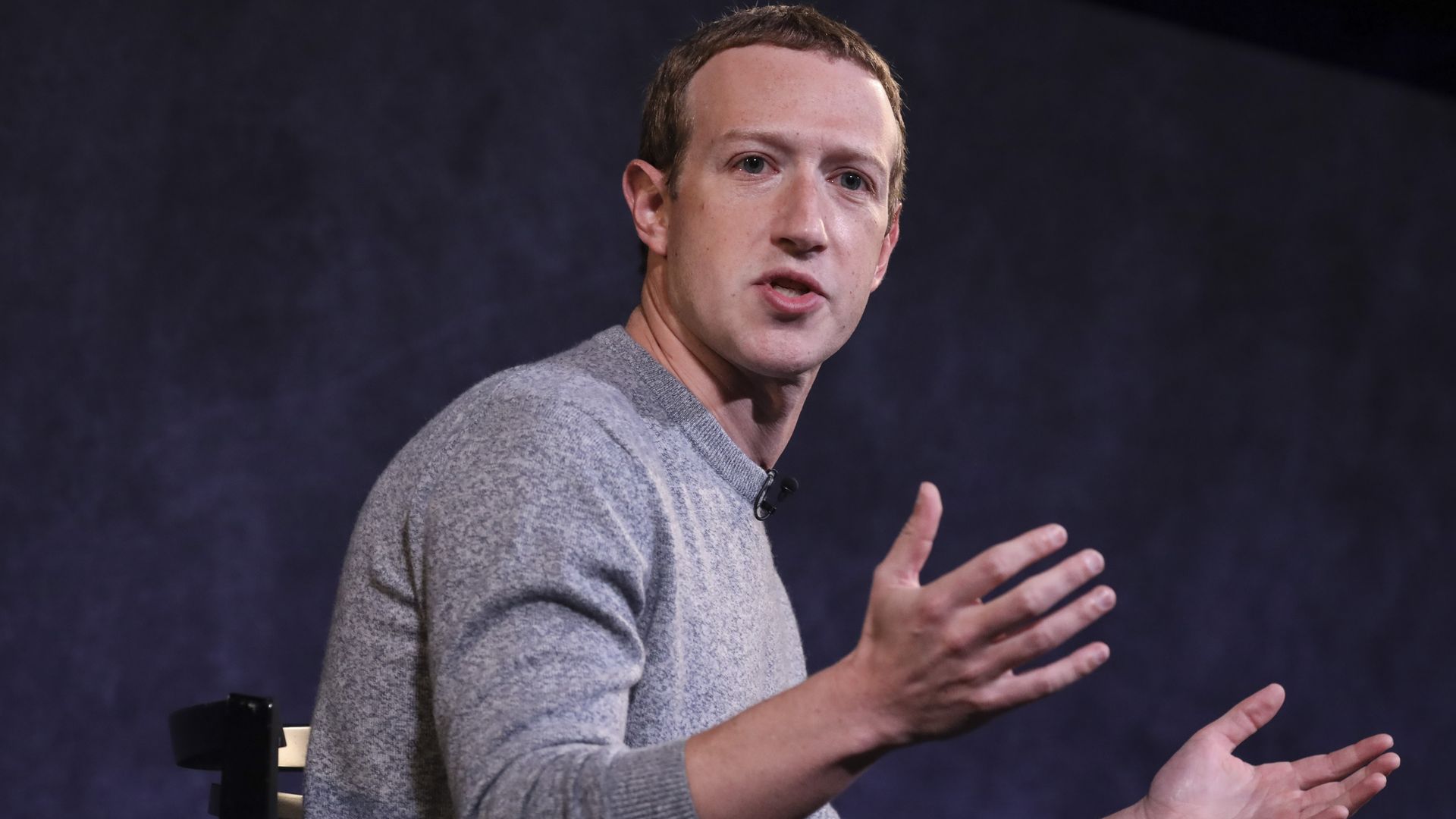
Facebook CEO Mark Zuckerberg, under fire for allowing President Trump to post inflammatory statements on his platform, tells Axios there's no truth to whispers that the two have a secret understanding.
Why it matters: Zuckerberg, facing a growing ad boycott from brands that say Facebook hasn't done enough to curtail hate speech, has become increasingly public in criticizing Trump. "I’ve heard this speculation, too, so let me be clear: There's no deal of any kind," Zuckerberg told Axios. "Actually, the whole idea of a deal is pretty ridiculous."
A low-key conflict inside the Federal Trade Commission has strengthened the likelihood the agency will toughen its stance with Facebook.
The big picture: As the Federal Trade Commission struggles to adapt its antitrust rules for the era of Big Tech, two units of the agency have squared off over how to apply older, price-based competition standards to a market full of free products.
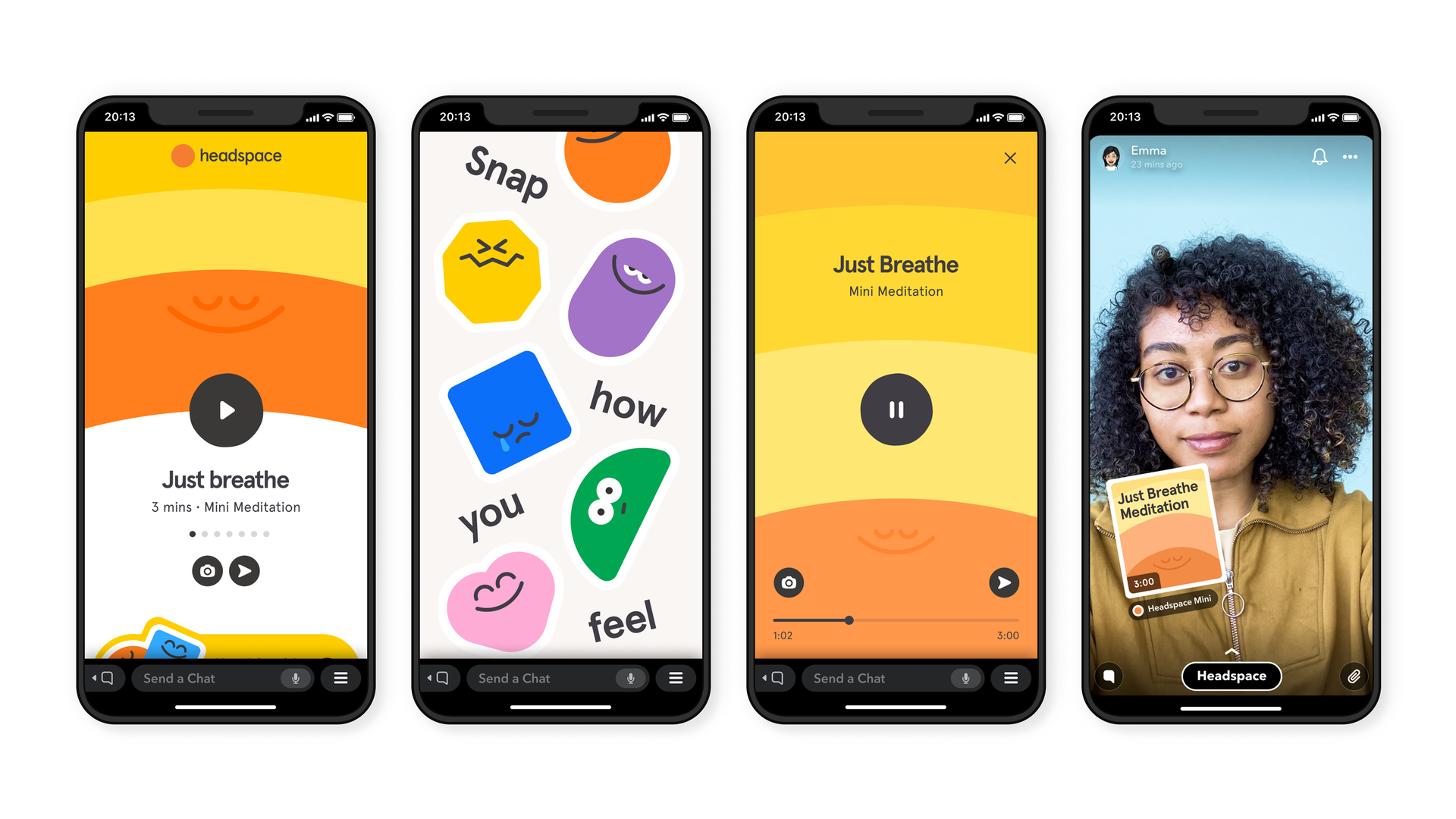
Snapchat is launching in in-app meditation experience with Headspace, a meditation app often used to help mitigate stress and anxiety. The feature will include expert resources related to emotional and physical well being for users during the pandemic and beyond.
Why it matters: Snapchat's core user base is under 30 years old, and many are coping with missing out on school, sports and socialization thanks to COVID-19.