Discord on Tuesday raised $100 million from venture capitalists at a $3.5 billion valuation, reflecting how far the popular chat app has come since being used as an organizing tool for white nationalists in Charlottesville.
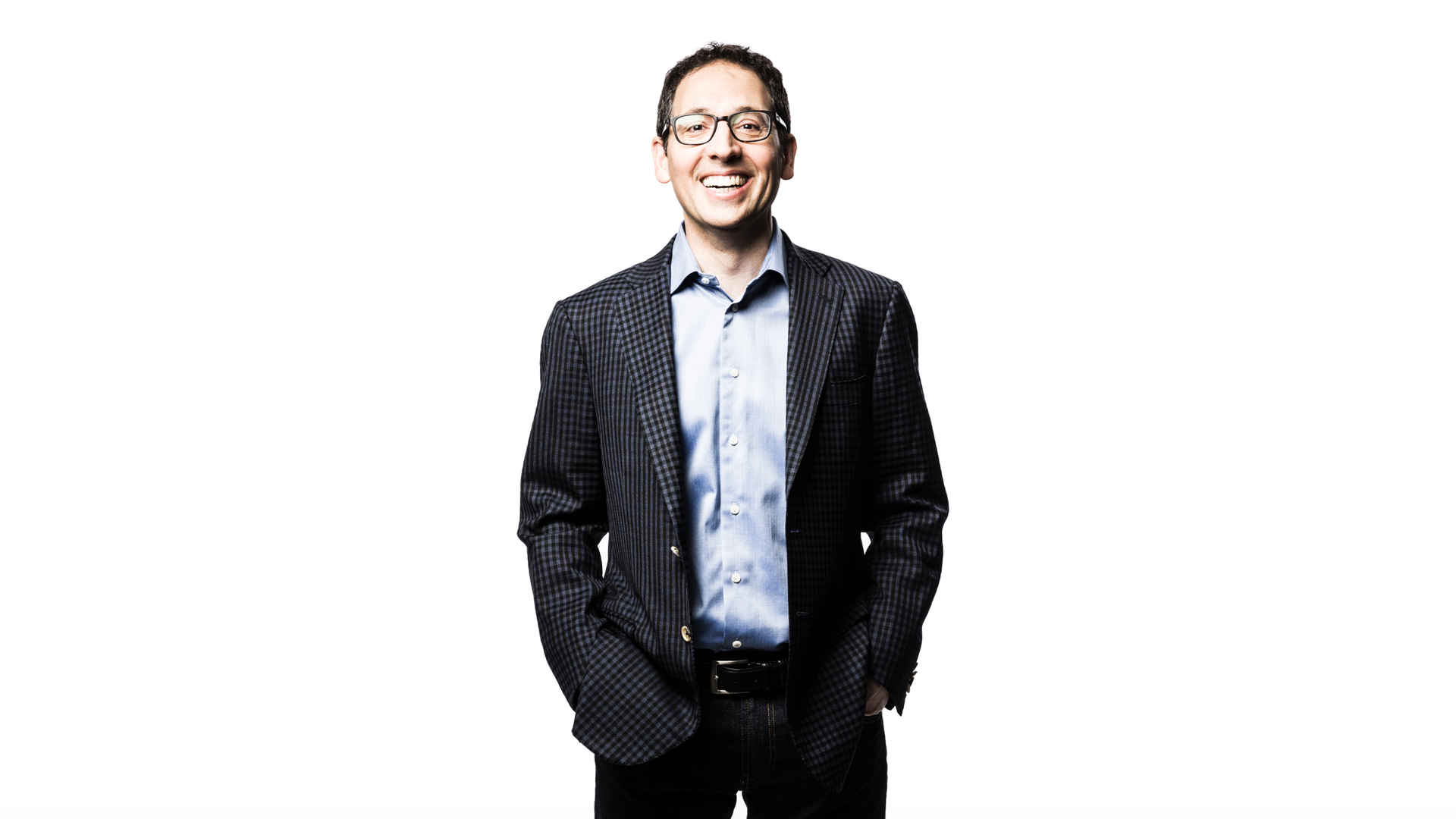
Axios Re:Cap speaks with Discord co-founder and CEO Jason Citron about his company's pivot, user safety and what comes next.
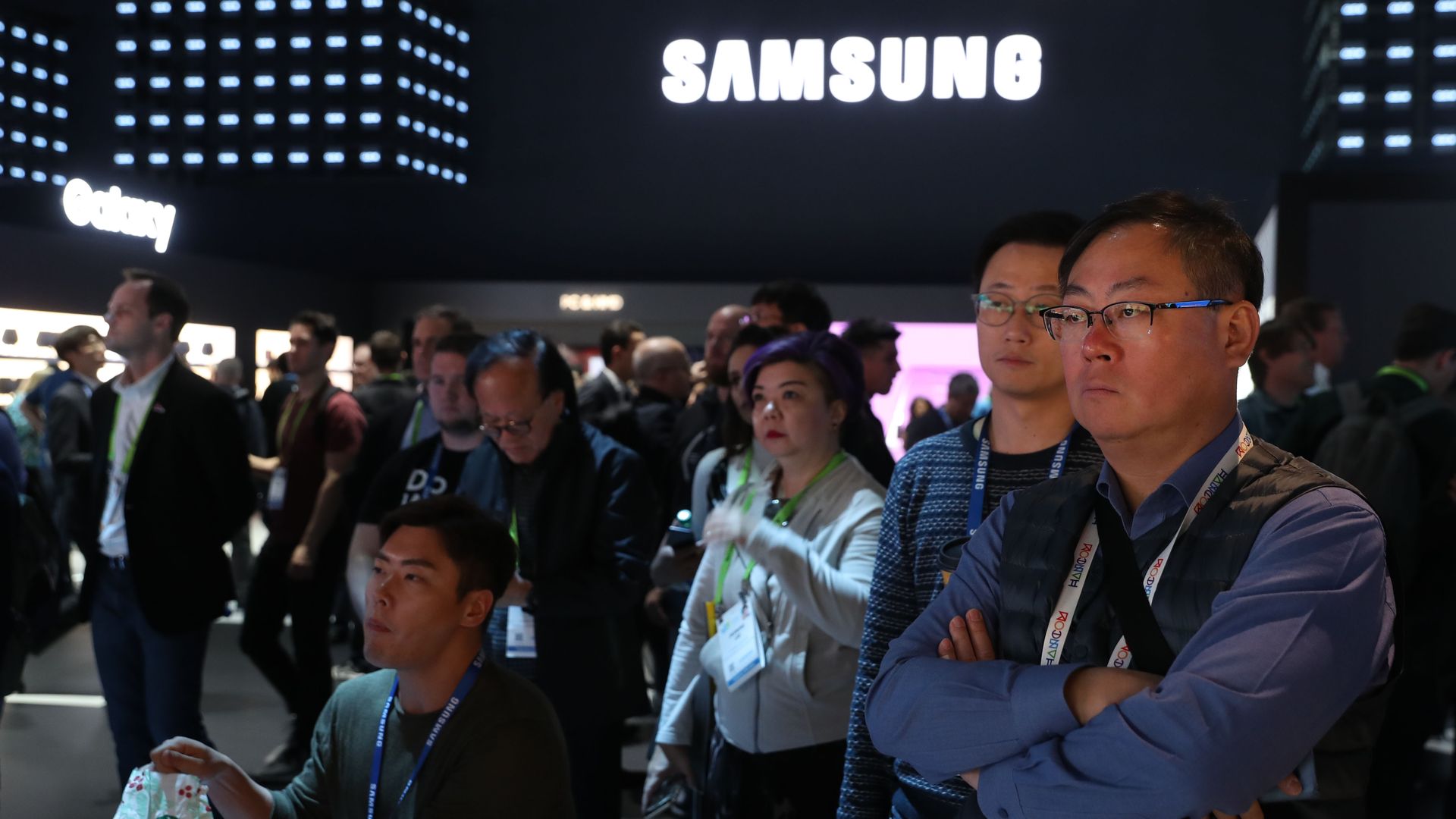
Samsung said Tuesday that it won't participate in the IFA consumer electronics show in Berlin this September, instead hosing a digital event early in the month.
Why it matters: The organizers behind some major tech conferences, including IFA and CES are hoping to move forward with in-person events, but could face steep resistance from key constituencies amid the coronavirus pandemic.
The Federal Communications Commission on Tuesday officially deemed Huawei and ZTE national security threats, barring U.S. providers from using federal subsidies to buy equipment or services from the telecom suppliers.
Why it matters: The FCC finalizing the designation is the latest step in an escalating fight between the U.S. and China over the security of the Chinese firms.
Niantic says it is nearing beta testing for its next release, an augmented reality adventure based on the board game Settlers of Catan.
Why it matters: The Pokemon Go creator, which is also partnering with immersive theater firm Punchdrunk, the team behind Sleep No More, has been making lots of acquisitions and content deals in the AR space as it aims to create a playable map of the world that can be used by a range of games and other apps.
Facebook is rolling out a new function Tuesday which will allow people who work at news organizations to voluntarily register as a journalist on Facebook in order to receive access to benefits, tools and get stronger security features.
Why it matters: Journalists have become a primary target of foreign influence operations, who often use social media cyber attacks to hack accounts, harass journalists or steal their identities.
Beginning today, Facebook will be updating the way news stories are ranked in its News Feed to prioritize original reporting, executives tell Axios. It will also demote stories that aren't transparent about who has written them.
Why it matters: The tech giant has long been criticized for not doing enough to elevate quality news over hyper-partisan noise. Now, it's trying to get ahead of that narrative as the 2020 election inches closer.
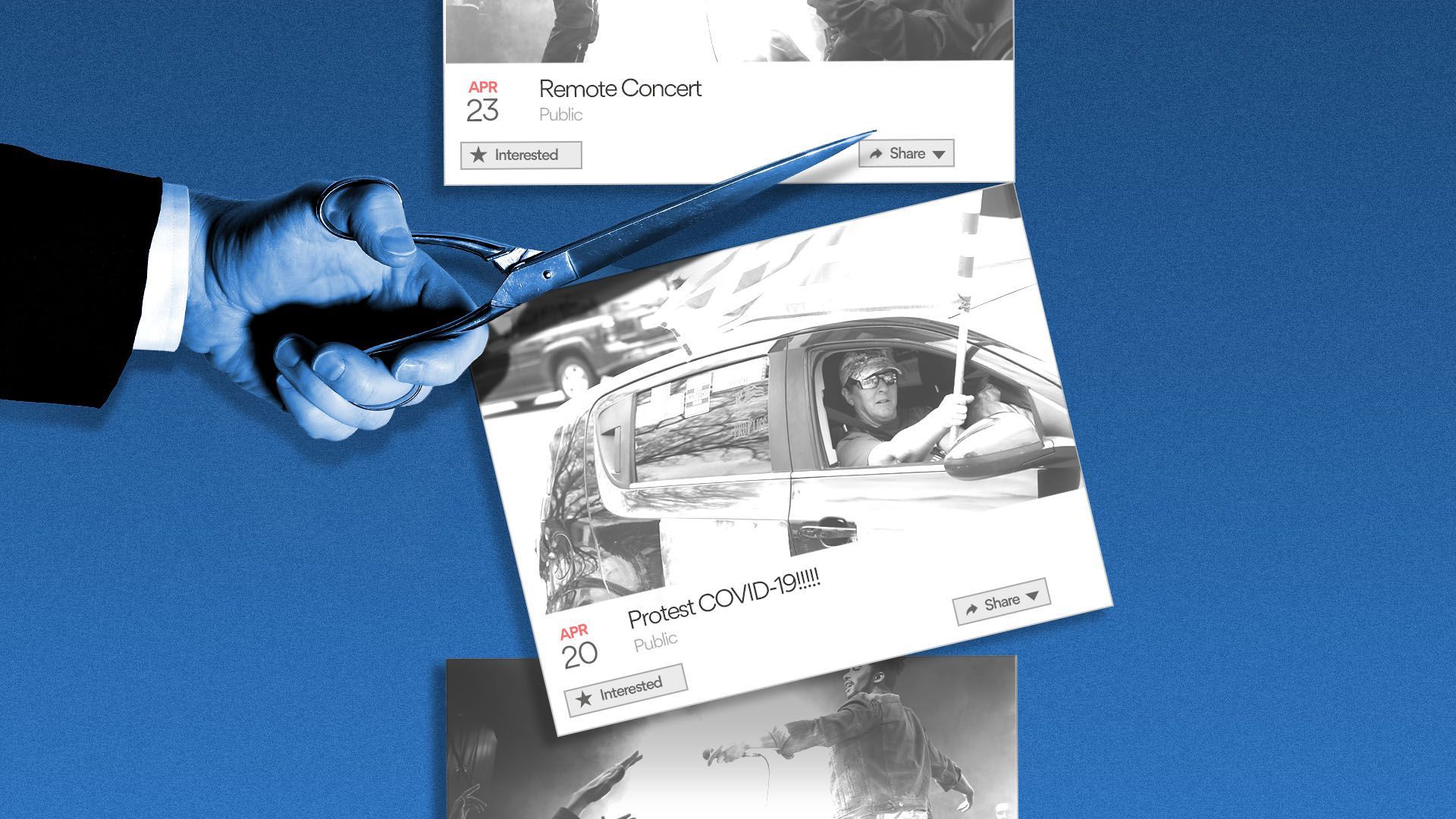
Social media giants are no longer giving Donald Trump, his supporters and the alt-right a free pass for inflammatory or misleading speech online.
Why it matters: For years, President Trump and far-right extremists have relied on the loose content policies of tech platforms to reach millions of Americans unfiltered. Ahead of the 2020 election, social media may be turning down the volume on Trump's online megaphone.
Reddit's decision to shut down a forum for notoriously combative Trump supporters puts a final nail in the coffin of one particular dream of internet idealists: the idea that online discussion spaces could, and should, serve as a universal meeting ground.
Why it matters: There's a dwindling number of environments in news media, social media, and society where Americans across the Trump era's great political divide communicate with one another — or have a chance to hear what the other side is saying.
Almost 40% of our workforce is made up of working parents. It's been a huge struggle to juggle homeschooling and work in the middle of a pandemic — and it's likely going to get worse. Though many workplaces could reopen this fall, many K-12 schools aren’t.
Major brands are suspending their advertising on Facebook properties as part of a coordinated campaign to pressure the social media giant into changing several of its content policies.
Axios Re:Cap digs in with Chris Miller, head of activism strategy at Ben & Jerry's, which was one of the first companies to hit pause.
Microsoft suspended its advertising on Facebook and Instagram in the U.S. in May and recently expanded that to a global pause, according to an internal chat transcript seen by Axios.
Between the lines: Unlike the many advertisers who recently joined a Facebook boycott, Microsoft is concerned about where its ads are shown, not Facebook's policies. But the move still means yet another big advertiser is not spending on Facebook right now.
Twitch, the live-streaming service owned by Amazon, said Monday it issued a temporary suspension of President Trump’s channel "for comments made on stream," but that "the offending content has been removed," according to a spokesperson.
Why it matters: It's the latest major tech company to take action against one of the president's accounts for hate speech or conduct.
Reddit says it is banning its controversial subreddit channel r/The_Donald, one of the company's largest political communities and a longstanding hub of support for President Trump, along with 2,000 other subreddit groups and users that violate new content policies aimed at hate speech.
Why it matters: Reddit becomes the latest social media platform, in the wake of George Floyd's death and the ensuing protests, to take action against Trump or his supporters for violating rules or misleading users.
The Indian government announced Monday it would ban 59 apps developed by Chinese firms, citing national security and privacy concerns.
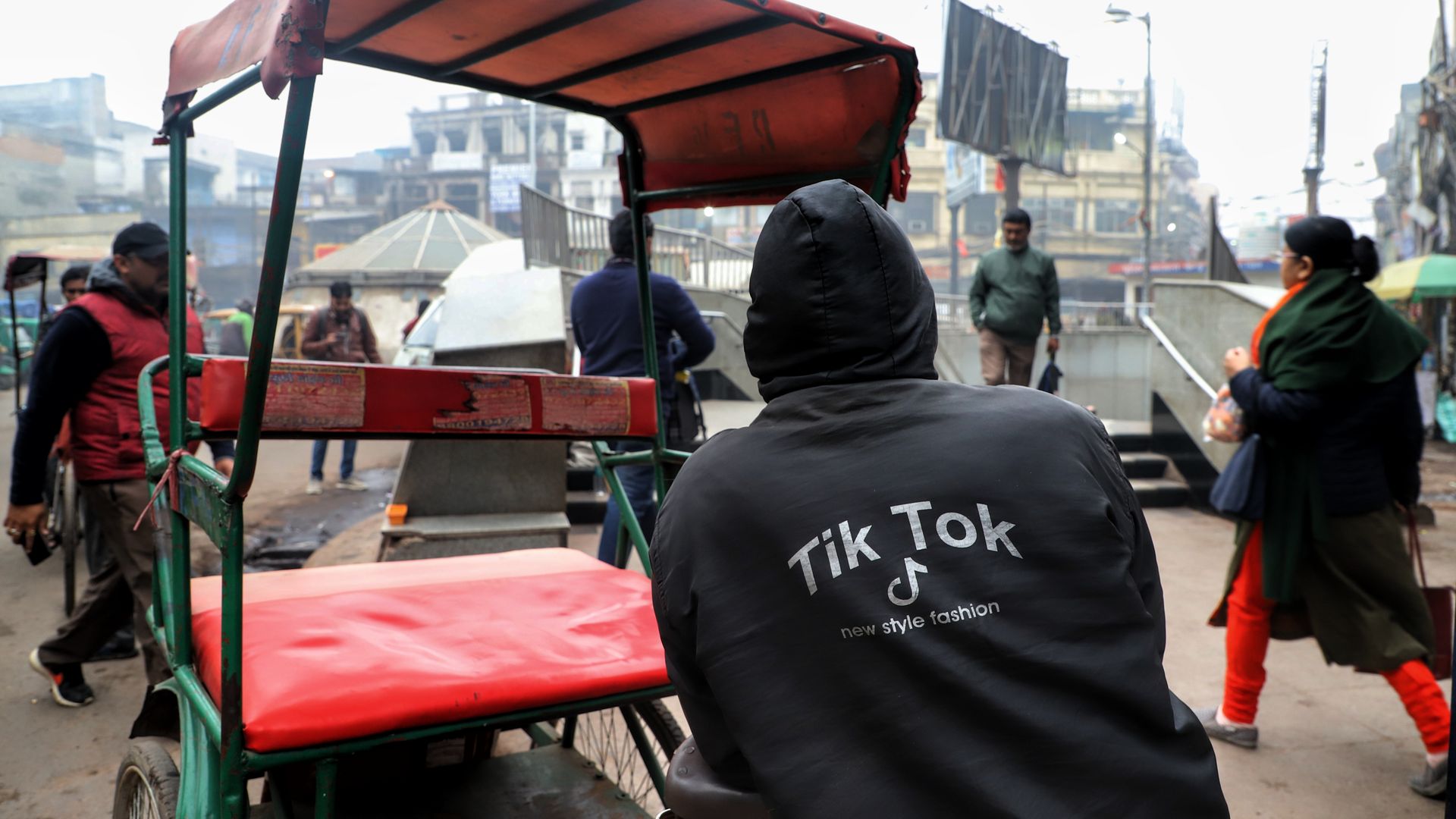
Why it matters: The applications blocked include ByteDance’s TikTok, a massively popular short-form video app that has come under scrutiny in the U.S. and elsewhere amid growing concerns about Chinese technological threats. India is TikTok's largest market, according to TechCrunch.
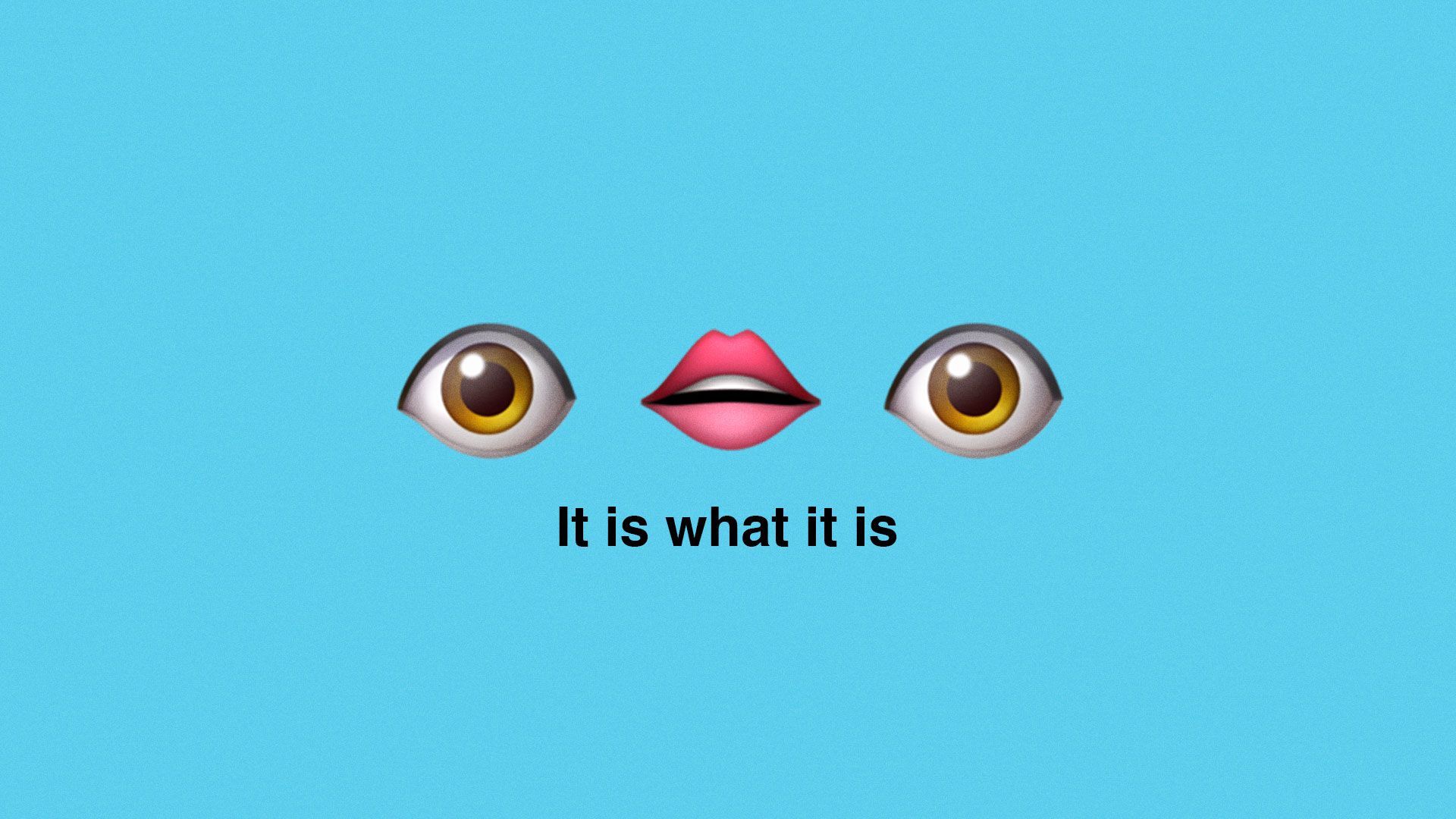
Tech insiders on Twitter last week were fed a dose of their industry's own marketing medicine by an impromptu group of young tech workers who stumbled into what they called a "hype cycle."
What happened: The group of about 60 mostly twenty-somethings began tweeting "👁👄👁" as a lark, along with the phrase “it is what it is," and then linked to an email signup form that appeared to be for a secretive invite-only app launch. When signs-ups reached about 30,000 email addresses, they began encouraging donations to organizations helping Black Americans and selling merchandise.
The Madison Avenue boycott against Facebook has quickly grown into a worldwide movement against the content moderation policies of social media giants.
Why it matters: The initial Facebook boycott among advertisers, prompted by Facebook's refusal to fact-check a post by President Trump, has hit a nerve amongst people outside of the marketing community, who think boycotting social media advertising altogether could help to create a healthier internet.





/2020/06/29/1593470741092.gif?w=3840)