A bipartisan group of Senators on Wednesday wrote a letter to Michael Pack, the newly-confirmed CEO of the U.S. Agency for Global Media (USAGM), that they plan to review the agency's funding, after Pack abruptly fired the heads of five organizations funded by USAGM.
Why it matters: The sudden dismissal of all five heads last week prompted concerns amongst the senators about Pack's leadership and the future of the agency, which has aimed to promote American democratic values through unbiased journalism abroad.
New research offers strategies to prevent algorithms used in business from pushing unethical policies.
Why it matters: Machine-learning algorithms are increasingly being deployed in commercial settings. If they are optimized only to seek maximum revenue, they can end up treating customers in unethical ways, putting companies at reputational or even regulatory risk.
The CEOs of Apple, Google, Amazon and Facebook have agreed to testify at a hearing at the end of the month as part of a congressional antitrust investigation into the power of online platforms.
Why it matters: The high-profile hearing will let lawmakers directly question company leaders before releasing a report that will detail the findings of their year-long probe and possibly recommend changes to antitrust law.
Congress is gearing up for another run at passing encryption laws that proponents say will allow U.S. law enforcement to do its job and security experts say will make everyone’s communications less safe.
The big picture: As companies like Facebook and Apple encrypt more of their platforms by default, U.S. authorities fear the world is “going dark” on them. The consensus is stronger than ever among security experts, human rights advocates and the industry that weakening encryption hurts everyone.
With so many people working from home during the COVID-19 pandemic, more cyber criminals are using “brute force” attacks to break the passwords of employees signing into their company networks remotely, according to ESET, a cybersecurity and antivirus protection firm.
How it works: Brute force attacks break into systems by trying out vast numbers of possible passwords.
A bipartisan bill taking aim at tech's liability shield will be narrowed so that it no longer threatens online platforms with losing that shield's protections if they don't meet government-set standards.
Why it matters: The EARN IT Act represents one of the most pressing threats to websites' immunity from liability over user-posted content amid Trump administration attacks on the shield, Section 230 of the Communications Decency Act.
Dish Network is now in the wireless business, having closed its $1.4 billion purchase of Boost Mobile and other prepaid assets from T-Mobile.
Why it matters: The deal was a condition for regulatory approval of T-Mobile's Sprint purchase and is part of an effort to create a fourth national wireless carrier.
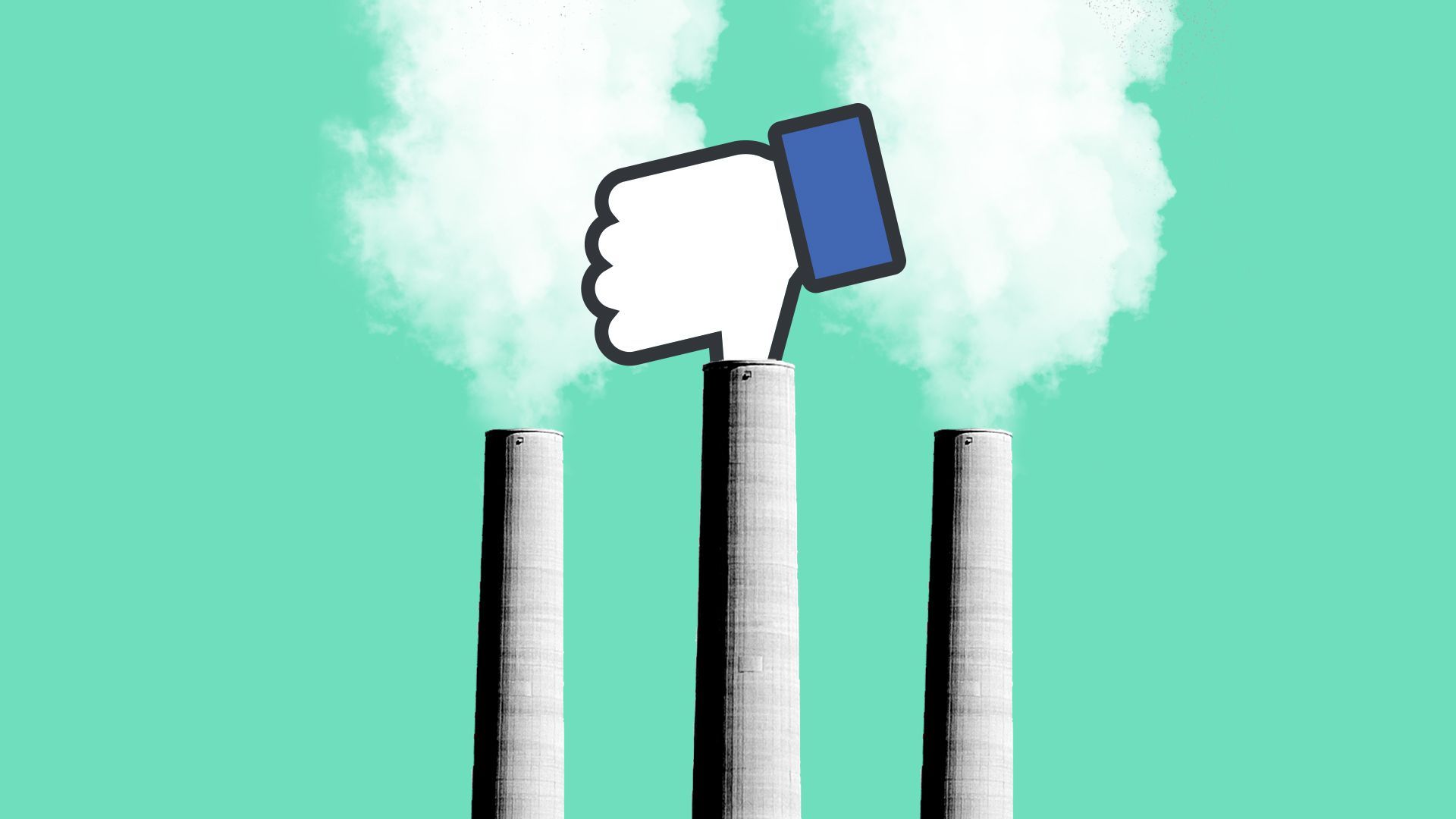
Prominent environmentalists and Democratic activists say Facebook is "allowing the spread of climate misinformation to flourish, unchecked" and urging the company's external oversight board to intervene.
Driving the news: A new open letter with signatories including Stacey Abrams, John Podesta and Tom Steyer takes aim at distribution of content from a group called the CO2 Coalition without warning labels or restrictions.
Google formally announced on Tuesday that it is buying North, the Canadian smart glasses firm — a deal that had been reported last week to be in the works.
Why it matters: The move shows that Google, one of the earliest to explore high-tech eyewear, remains interested in the category.