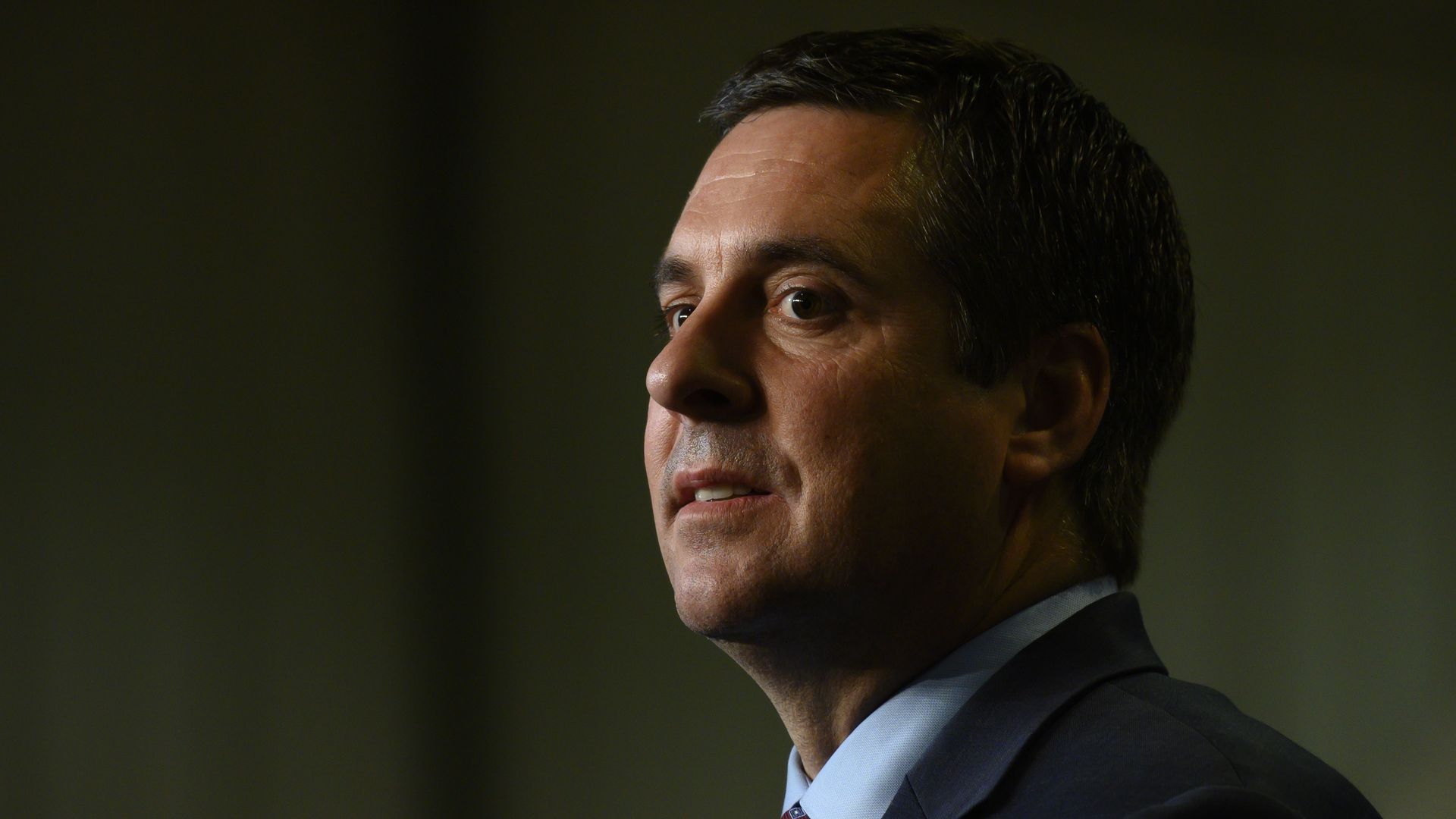
A judge determined on Wednesday that Twitter is immune from House Intelligence Ranking Member Devin Nunes' (R-Calif.) defamation suit.
Catch up quick: Judicial circuit Judge John Marshall's ruling did not find that Twitter is a publisher or speaker of the content posted by users to its site, or that Twitter is biased against conservatives.
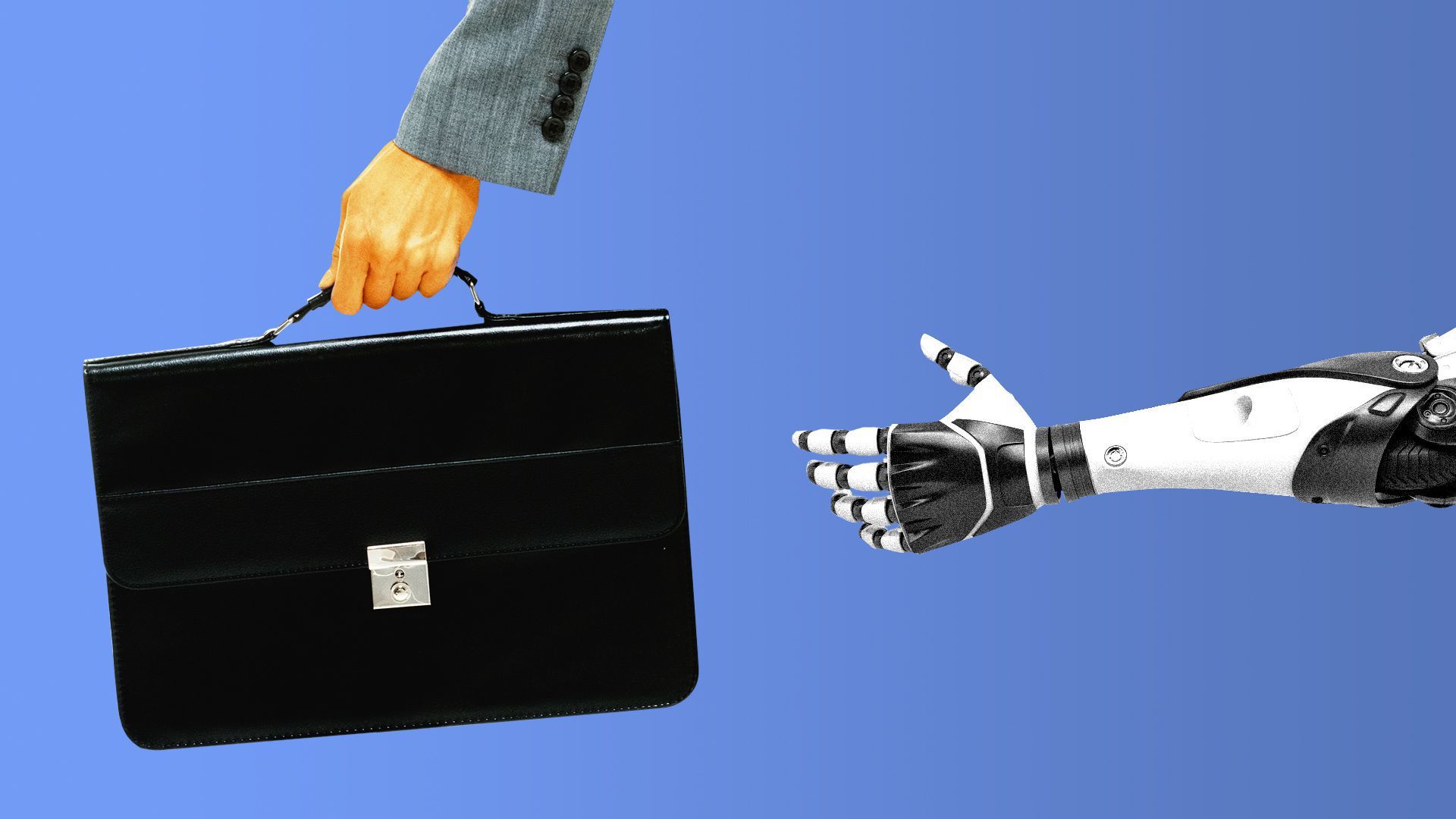
XPRIZE, a nonprofit organization that holds grand competitions to inspire innovation, announced this week that it would launch a $5 million contest to help retrain workers who lost employment to automation.
Why it matters: The pandemic has only accelerated the job-destroying effects of automation. As the U.S. looks to put tens of millions of people back to work, truly big solutions will be needed.
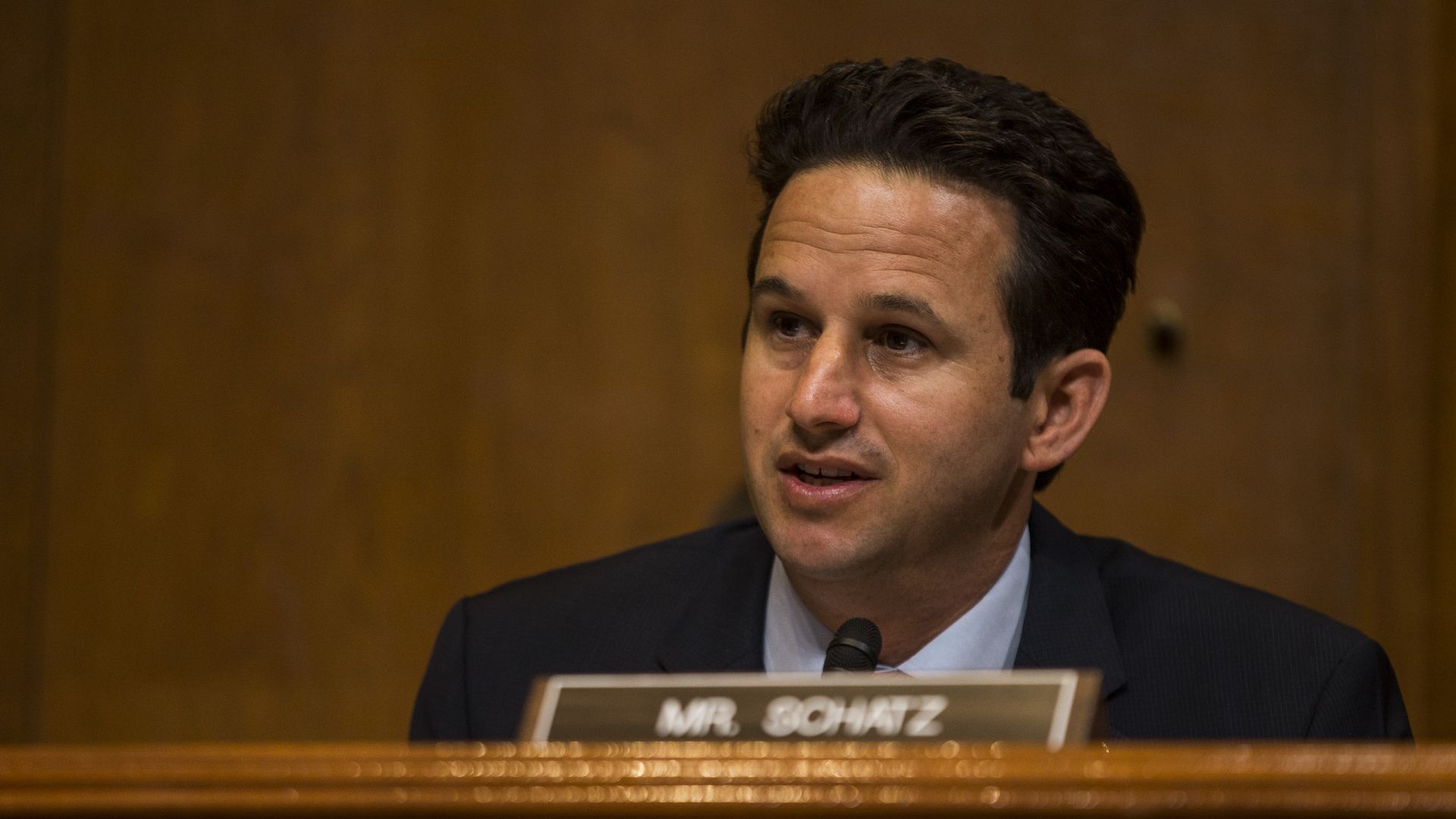
A bipartisan pair of senators introduced legislation Wednesday that would require online platforms to explain content moderation decisions to users, the latest push to change tech's liability shield.
Why it matters: While the Trump administration's push to update the liability shield by executive order focuses on charges of anti-conservative censorship, Democrats and Republicans are finding common ground on other areas to change the law.
Individuals affiliated with Anonymous, the loosely organized hacker collective, pilfered a massive amount of data from police organizations nationwide that was later made public, Wired's Andy Greenberg reports.
Driving the news: Anonymous provided the tranche to Distributed Denial of Secrets (DDoSecrets), a transparency collective that serves as a repository for prior hacks. On Friday, DDoSecrets posted the tranche, known as “BlueLeaks,” to its website.
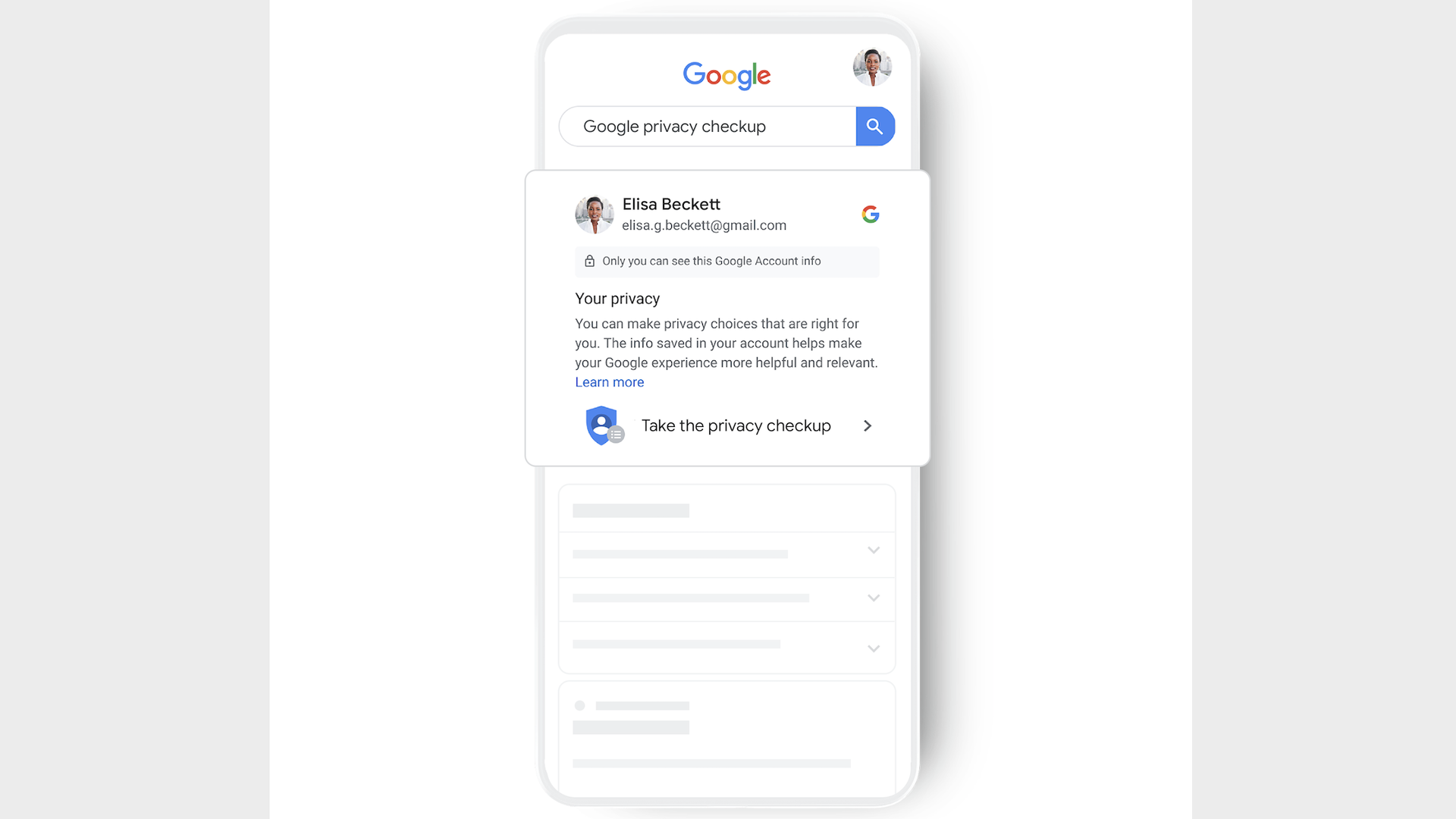
Google on Wednesday announced new limits on how long it will maintain data for some of its services, expanding a data minimization push that began last year.
Why it matters: Google has been trying to strengthen its privacy policies even as it continues to make most of its money by selling advertising.
Chinese tech giant Lenovo is joining a growing list of tech firms that see a business in helping other companies reopen amid the COVID-19 pandemic.
Why it matters: Technology can't address all the issues related to a return to office life, but there are lots of opportunities in the software and hardware needed to detect fevers, keep workers physically separated and track which workers have been in contact with one another.
As loud as the fight has been between the Trump administration and Big Tech over charges the industry censors conservatives, the White House's move to extend a ban on skilled-worker visas used widely by tech companies hits Silicon Valley closer to home.
The big picture: In a global tech economy where China and other countries threaten to surpass the U.S. in fields like artificial intelligence, 5G networking and automation, American CEOs treasure what they see as Silicon Valley's brain-and-innovation edge, and fear Trump's order will undermine that advantage.
Germany's top court ruled Tuesday that Facebook abused its market power by illegally harvesting user data in the country, the New York Times reports.
Why it matters: The case against Facebook, pushed forward by Germany's competition regulator last year, represents one of the first major antitrust actions against Facebook.
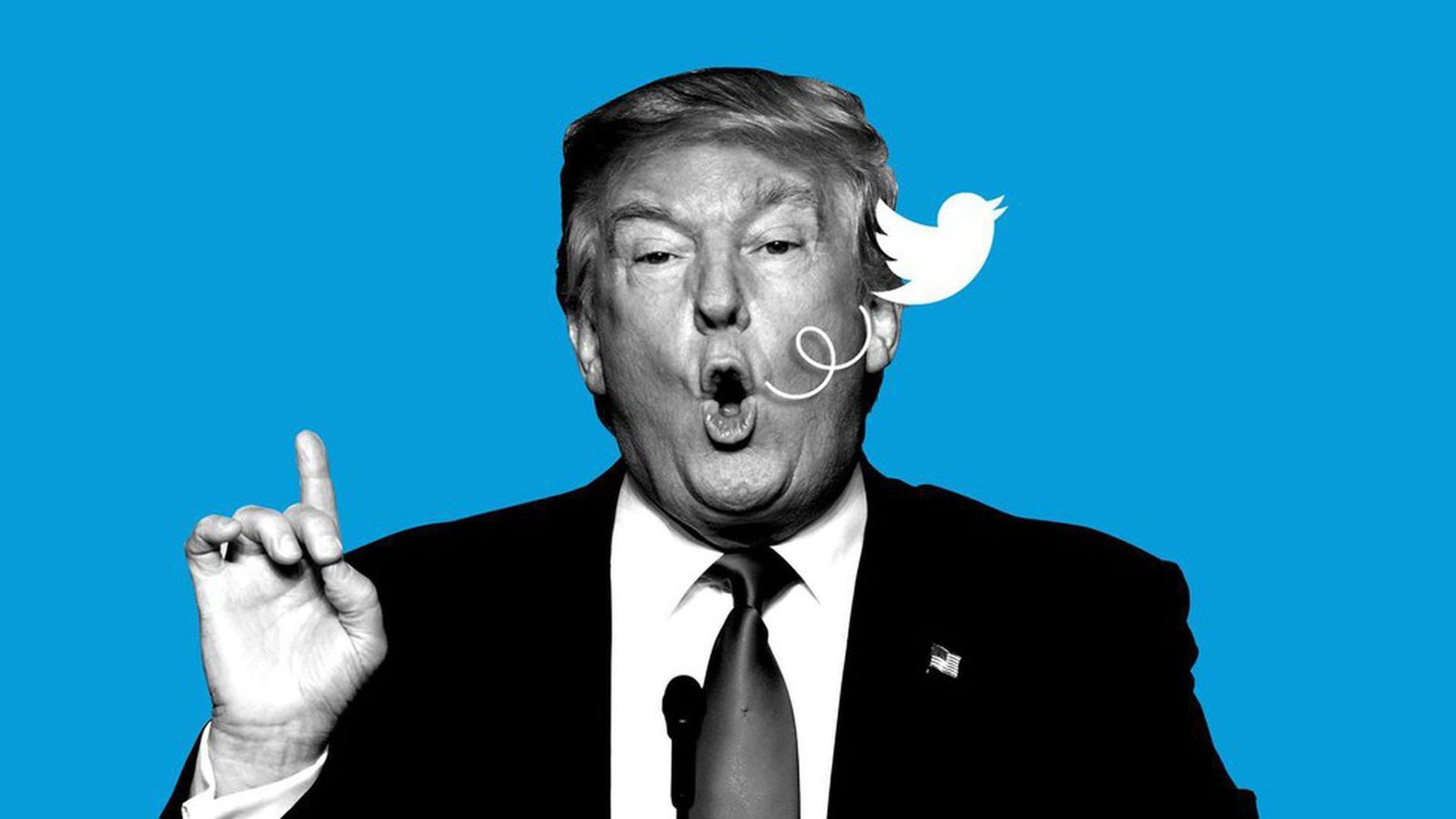
Twitter on Monday opted not to take down or flag a tweet from President Trump that baselessly tied mail-in ballots to voter fraud and foreign election interference. On Tuesday, meanwhile, the platform flagged a Trump tweet threatening "serious force" against protesters seeking to set up an "autonomous zone" in Washington for violating its rules on abusive behavior.
The big picture: President Trump continues to test tech platforms' willingness to crack down on abuse and misinformation he spreads on his social media accounts, a dynamic that will likely intensify as the election approaches and he seeks to raise doubts about potentially unfavorable outcomes.
Mercedes Benz is teaming up with Nvidia to create a perpetually upgradable computing platform for vehicles that will allow cars to add automated driving functions over time, becoming smarter and more valuable the longer they are on the road.
Why it matters: Self-driving technology won't arrive in a snap. Instead, it will roll out gradually through periodic software updates, similar to the way people refresh their smartphones. It's a fundamental shift in thinking that will extend the life of cars, and allow even used-car buyers to get the latest technologies.
While not heavily touted by Apple on Monday, the company made several moves designed to address some key criticisms leveled by developers and antitrust authorities in recent weeks.
Why it matters: The moves likely won't end all the grumbling or stop regulators in their tracks, but they might turn down the heat for Apple over charges that it is increasingly behaving like a monopolist.
Though Apple's announcement that it will move the Mac to homegrown chips was long expected, the company has now filled in the blanks for when that shift will start, how long it will take and what developers must do to get ready.
Between the lines: Apple laid out the shape of its chip transition and lined up its key partners Adobe and Microsoft — but some observers say the company didn't fully explain how the shift will benefit developers and consumers.
Apple is adding a feature to its new iOS 14 phone operating system aimed at making it easier for EV drivers to find places to plug in.
Driving the news: "Electric vehicle routing adds charging stops along a planned route based on current vehicle charge and charger types," the company announced.
Google, the world's largest advertising company, is expected to lose ad revenue compared to last year due to the novel coronavirus pandemic, according to new figures from eMarketer.
Why it matters: It's the first time it's expected to see advertising declines year-over-year since eMarketer began tracking the company over a decade ago.
Patagonia became the third major outdoor brand to say it was boycotting Facebook and Instagram on Sunday, following similar moves by North Face and REI.
Why it matters: Tension between advertisers and the tech giant has existed for years, but now — as the country faces a reckoning over systemic racism — marketers feel more compelled to take a public stand on filtering hate speech.
Internet service providers' pledges to waive fees and forgive missed payments end on June 30, likely cutting off service for some families who can't pay their bills due to the economic impact of the pandemic.
Why it matters: Cutting off internet service for families and students will worsen the loss of knowledge and academic skills that students face over the summer, as well as sever lifelines for those who need broadband connections for work, summer school, searching for jobs and getting news.
Tech companies reacted quickly and negatively Monday to news out of the Trump administration that it is extending a ban on entry of those with visas through the end of the year. Among those speaking out against the move are Facebook, Amazon, Google, Intel and Twitter, along with several tech trade groups.
The big picture: The Trump administration argues that visas like the H-1B widely used in the tech industry are responsible for taking jobs that American citizens could fill. Tech companies say they rely on these visas to fill positions with skilled workers from overseas when they've tapped out the American workforce.










/2020/06/23/1592922988001.gif?w=3840)