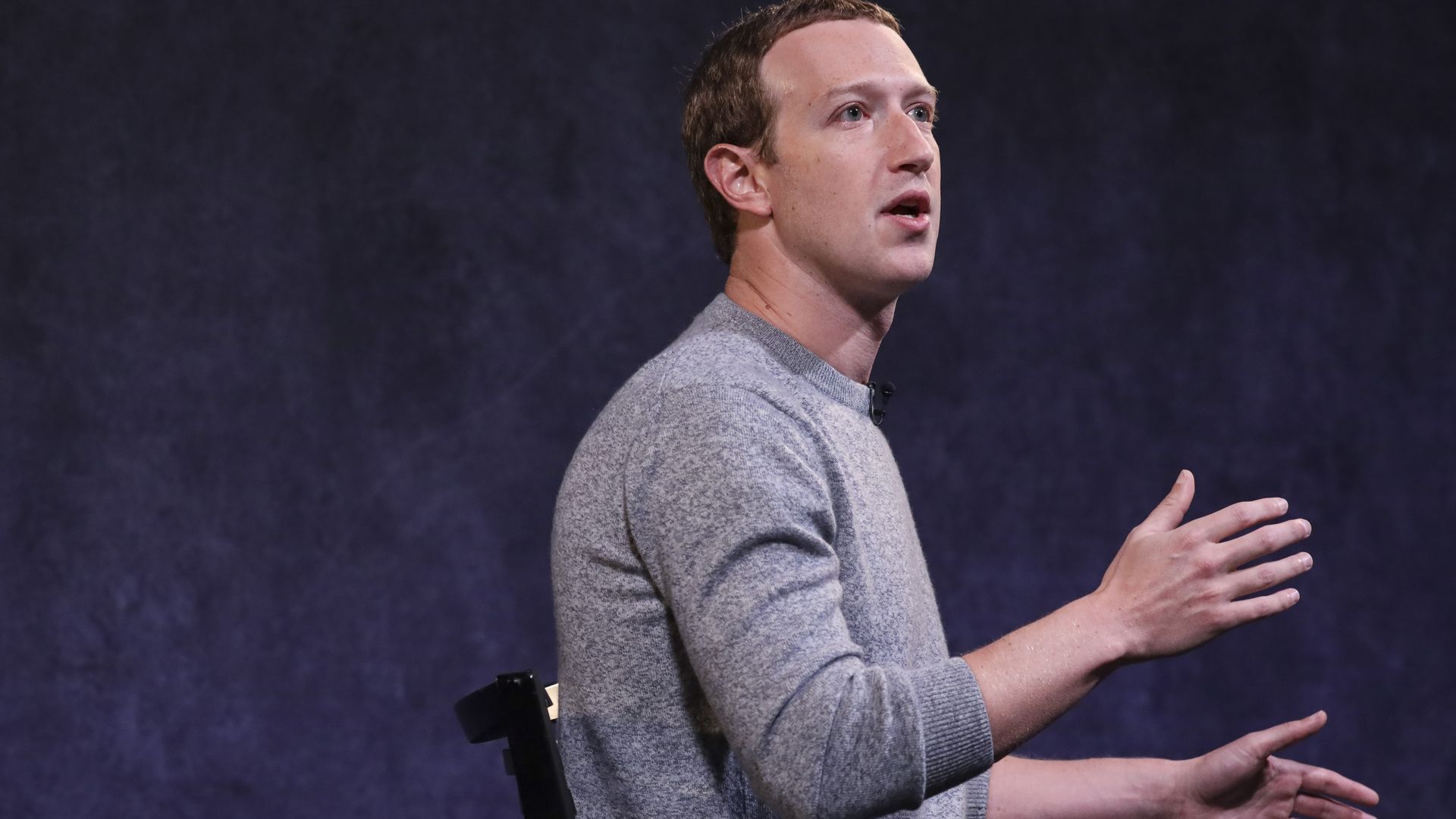
Facebook will begin labelling posts that break its rules but are deemed "newsworthy" — for instance, because they come from public figures — CEO Mark Zuckerberg said Friday.
Why it matters: This is Facebook's attempt to thread the needle between allowing inflammatory posts from politicians and tamping down on problematic content.
Democrats in both houses of Congress said Thursday they are introducing a bill that would ban government use of facial recognition technology.
Why it matters: A handful of cities have banned government use in their jurisdictions, but there are no national laws governing how facial recognition can be used, and there's wide concern over how the tech today encodes racial and other kinds of biases.
Email remains the dominant form of digital communication, especially in business, but the experience has been frozen in time for a decade. Now, however, a new wave of efforts aims to disrupt it.
Why it matters: Many workers still spend hours a day in their inboxes. Anyone who can make that time more efficient and less painful should find a market.
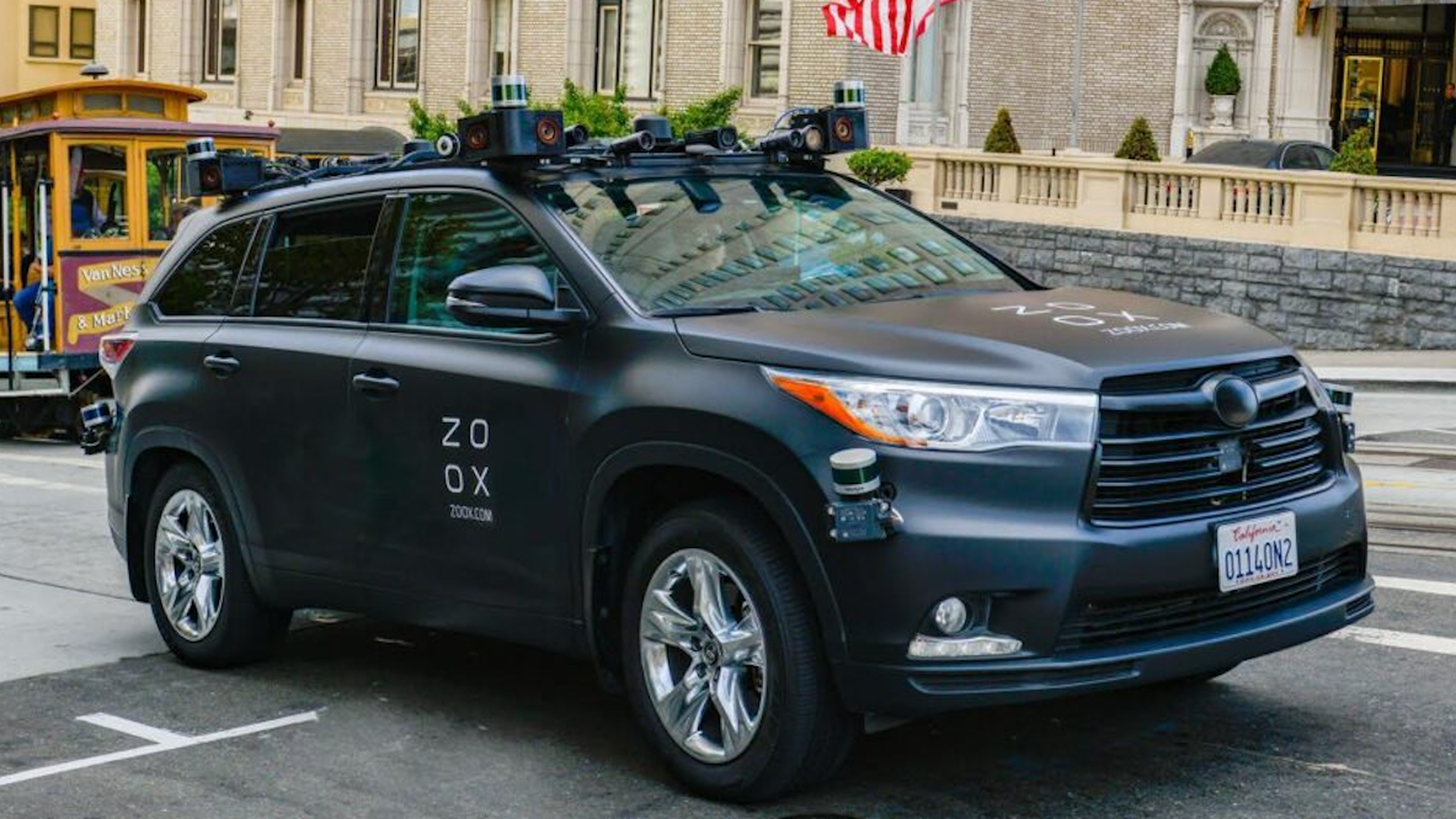
Amazon is buying Zoox, a self-driving car startup, its biggest move yet into autonomous technology. Amazon is paying around $1.2 billion, according to a source familiar with the price.
Why it matters: While previous investments in electric truck manufacturer Rivian and self-driving tech company Aurora Innovation seemed focused on facilitating package delivery, Amazon made clear today it will help bring Zoox's ambitious robot-taxi plan to fruition.
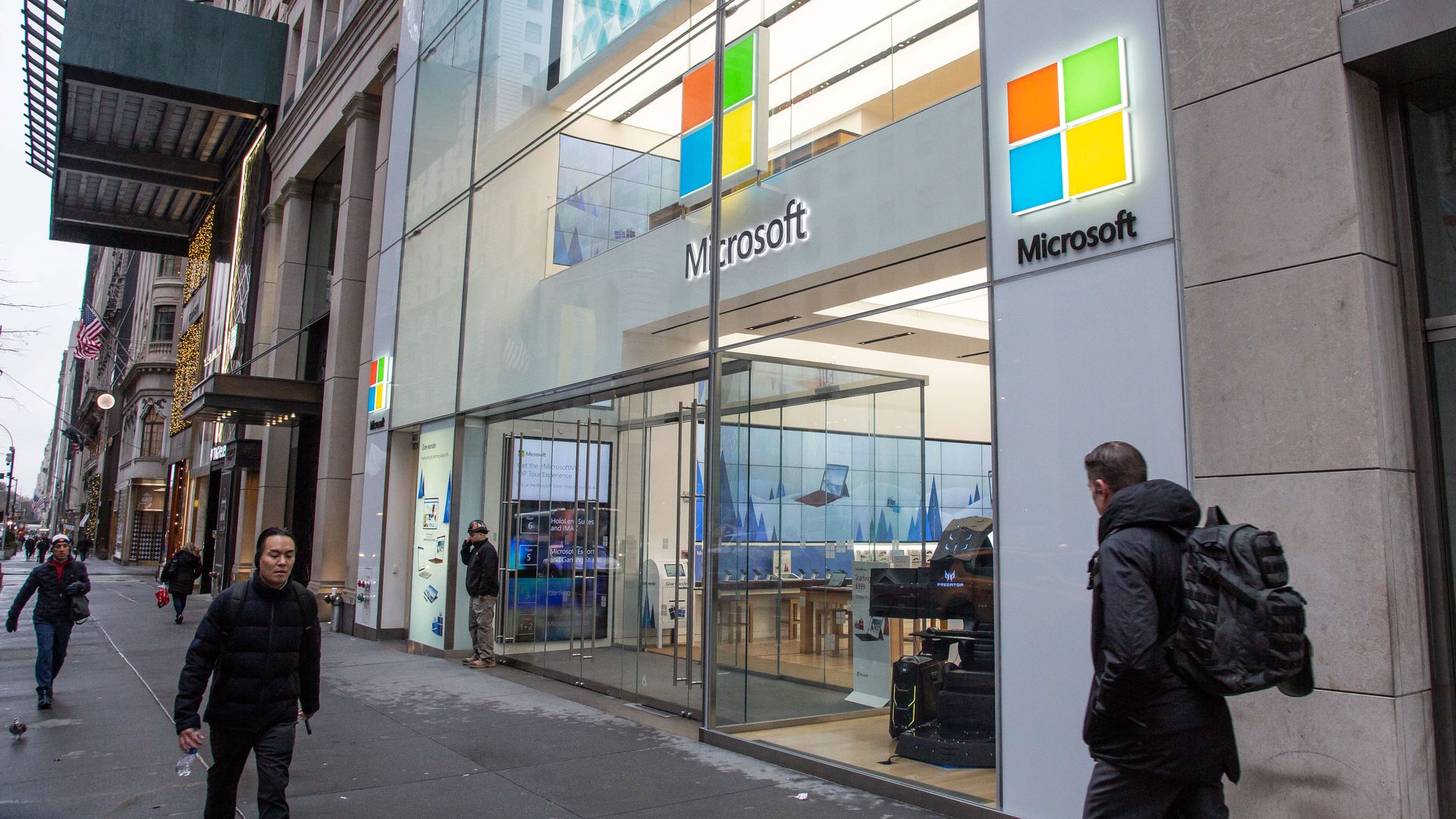
Microsoft will permanently close most of its physical retail stores, but its London, New York City, Sydney and Redmond campus locations will remain open as Microsoft showrooms dubbed "experience centers," the company announced Friday.
Why it matters: Microsoft has yet to re-open any of its physical stores since it closed them all due to the coronavirus pandemic, even as states started easing restrictions, The Verge notes.
Amazon announced a deal to purchase self-driving vehicle technology provider Zoox for upwards of $1 billion.
Why it matters: While Apple, Google and others have invested in self-driving technology, Amazon is the one whose core business could benefit the most, given how much the company spends to deliver goods to consumers.
Verizon announced on Thursday it will pull advertisements from Facebook and Instagram, per the company's chief media officer.
Why it matters: Verizon is one of the largest companies to join a growing boycott of the social network over its content moderation policies, including how it polices misinformation about Black Lives Matter protests, and handles content posted by President Trump..
With people largely stuck at home during the coronavirus pandemic, startup Globe says it's been able to provide customers with a space away from home to get some work done or have quiet time by renting someone else's empty home by the hour. But San Francisco officials are not fans of the service and have said that it's violating regulations.
Driving the news: In a letter he is sending to San Francisco’s mayor and California’s governor, Globe co-founder and CEO Manny Bamfo argues that his company’s business is helping alleviate challenges residents are facing during the current pandemic.
Congress' efforts to revise the legal shield that protects online platforms from lawsuits over user posts and content moderation entered a new phase this week, as members of both parties pushed new and existing remedies for their grievances.
The state of play: For a while, this debate looked to be splintering along partisan lines, with President Trump calling for its repeal on Twitter and claiming it lets tech companies censor conservatives. But changing the law will depend on winning support from both sides of the aisle.
What started out as a few whispers about advertisers pulling Facebook ads has turned into a growing boycott of the social network over its content moderation policies — a situation the company is now describing as a "trust deficit."
Why it matters: Given Facebook's size, the boycott likely won't hurt the company's bottom line in the short term, but it turns up the political pressure on Facebook ahead of the 2020 election and underscores the company's challenges managing its public image.
In a major departure from its long-standing practice of not paying publishers directly to distribute their work, Google executives tell Axios that the search giant is creating a licensing program to pay publishers "for high-quality content" as a part of a new news product launching later this year.
Why it matters: Regulators around the world have been threatening Google with broad-based policies that would force it to pay publishers on policymakers' terms. Google aims to get ahead of that threat by introducing its own payout terms, while also strengthening its relationship with the embattled publishing community.