Verizon announced on Thursday it will pull advertisements from Facebook and Instagram, per the company's chief media officer.
Why it matters: Verizon is one of the largest companies to join a growing boycott of the social network over its content moderation policies, including how it polices misinformation about Black Lives Matter protests, and handles content posted by President Trump..
With people largely stuck at home during the coronavirus pandemic, startup Globe says it's been able to provide customers with a space away from home to get some work done or have quiet time by renting someone else's empty home by the hour. But San Francisco officials are not fans of the service and have said that it's violating regulations.
Driving the news: In a letter he is sending to San Francisco’s mayor and California’s governor, Globe co-founder and CEO Manny Bamfo argues that his company’s business is helping alleviate challenges residents are facing during the current pandemic.
Congress' efforts to revise the legal shield that protects online platforms from lawsuits over user posts and content moderation entered a new phase this week, as members of both parties pushed new and existing remedies for their grievances.
The state of play: For a while, this debate looked to be splintering along partisan lines, with President Trump calling for its repeal on Twitter and claiming it lets tech companies censor conservatives. But changing the law will depend on winning support from both sides of the aisle.
What started out as a few whispers about advertisers pulling Facebook ads has turned into a growing boycott of the social network over its content moderation policies — a situation the company is now describing as a "trust deficit."
Why it matters: Given Facebook's size, the boycott likely won't hurt the company's bottom line in the short term, but it turns up the political pressure on Facebook ahead of the 2020 election and underscores the company's challenges managing its public image.
In a major departure from its long-standing practice of not paying publishers directly to distribute their work, Google executives tell Axios that the search giant is creating a licensing program to pay publishers "for high-quality content" as a part of a new news product launching later this year.
Why it matters: Regulators around the world have been threatening Google with broad-based policies that would force it to pay publishers on policymakers' terms. Google aims to get ahead of that threat by introducing its own payout terms, while also strengthening its relationship with the embattled publishing community.
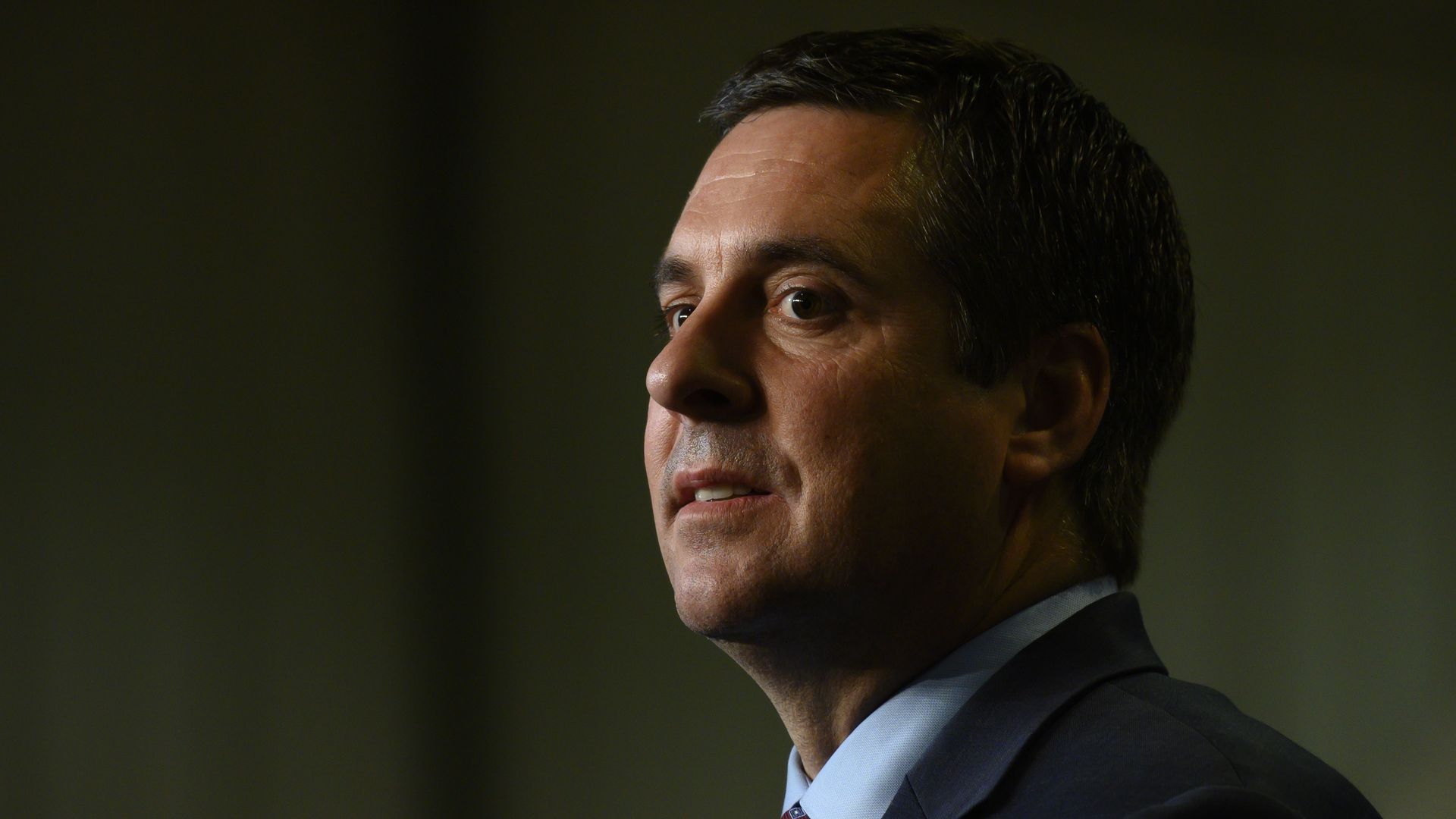
A judge determined on Wednesday that Twitter is immune from House Intelligence Ranking Member Devin Nunes' (R-Calif.) defamation suit.
Catch up quick: Judicial circuit Judge John Marshall's ruling did not find that Twitter is a publisher or speaker of the content posted by users to its site, or that Twitter is biased against conservatives.
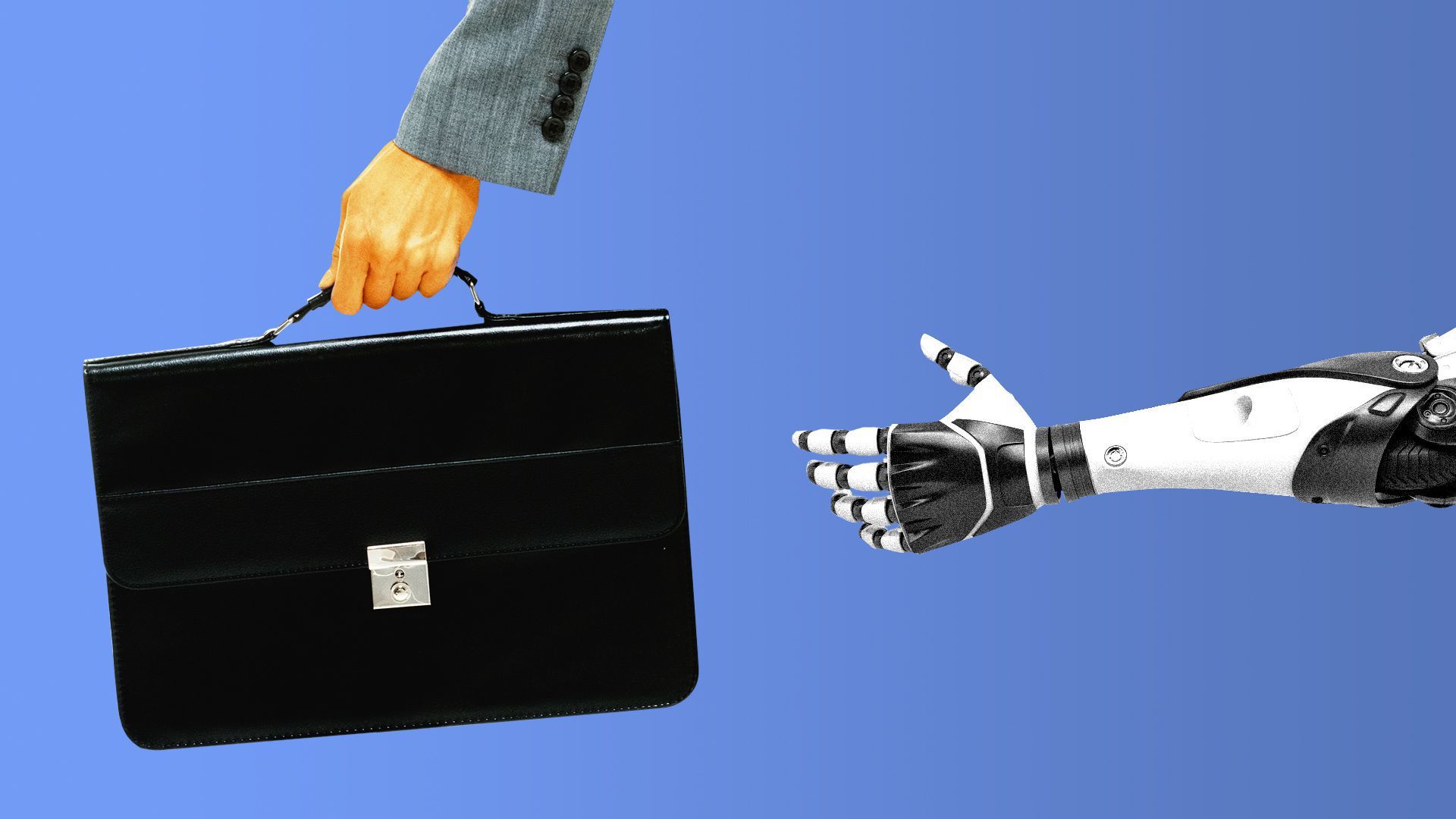
XPRIZE, a nonprofit organization that holds grand competitions to inspire innovation, announced this week that it would launch a $5 million contest to help retrain workers who lost employment to automation.
Why it matters: The pandemic has only accelerated the job-destroying effects of automation. As the U.S. looks to put tens of millions of people back to work, truly big solutions will be needed.
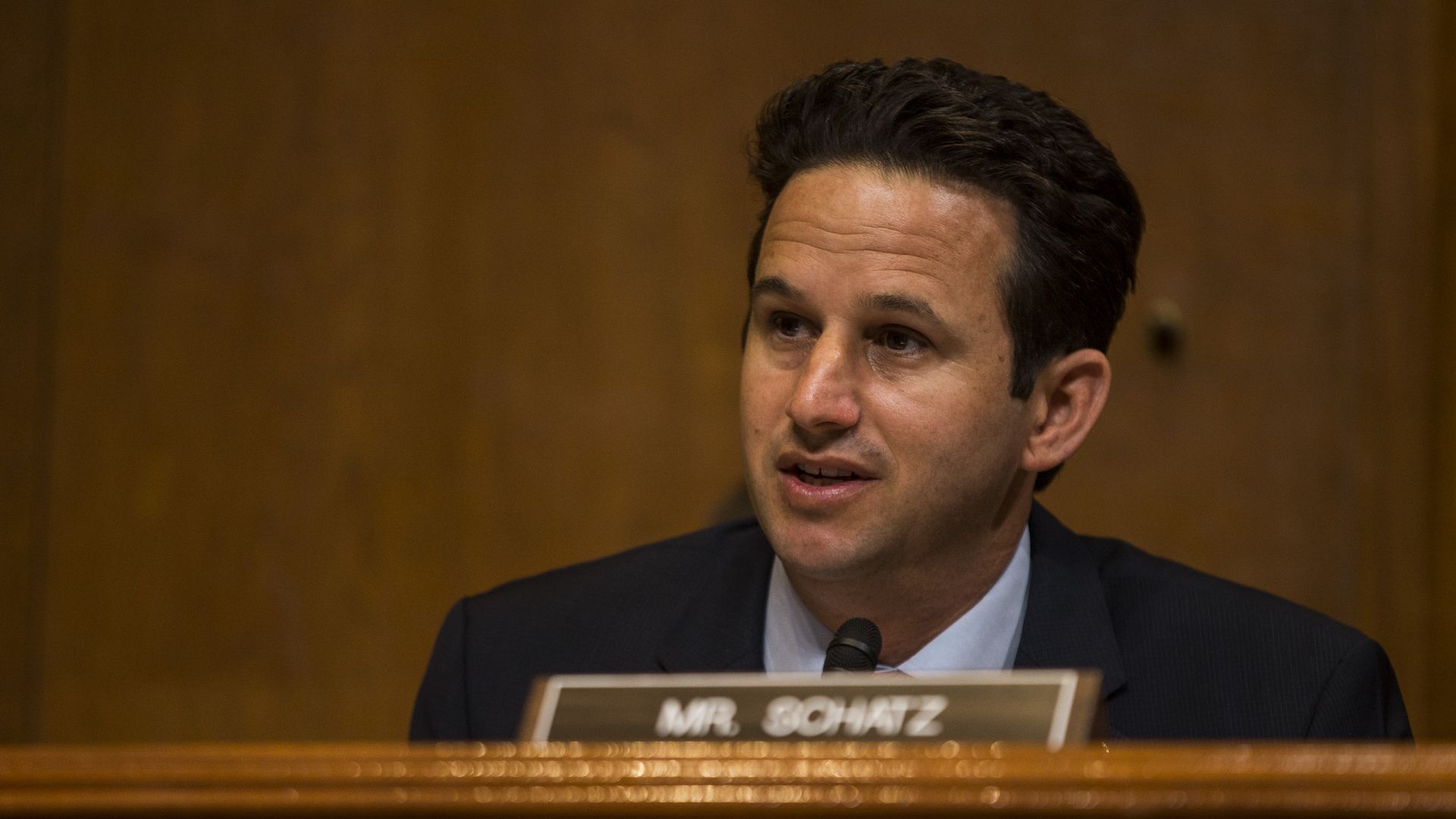
A bipartisan pair of senators introduced legislation Wednesday that would require online platforms to explain content moderation decisions to users, the latest push to change tech's liability shield.
Why it matters: While the Trump administration's push to update the liability shield by executive order focuses on charges of anti-conservative censorship, Democrats and Republicans are finding common ground on other areas to change the law.
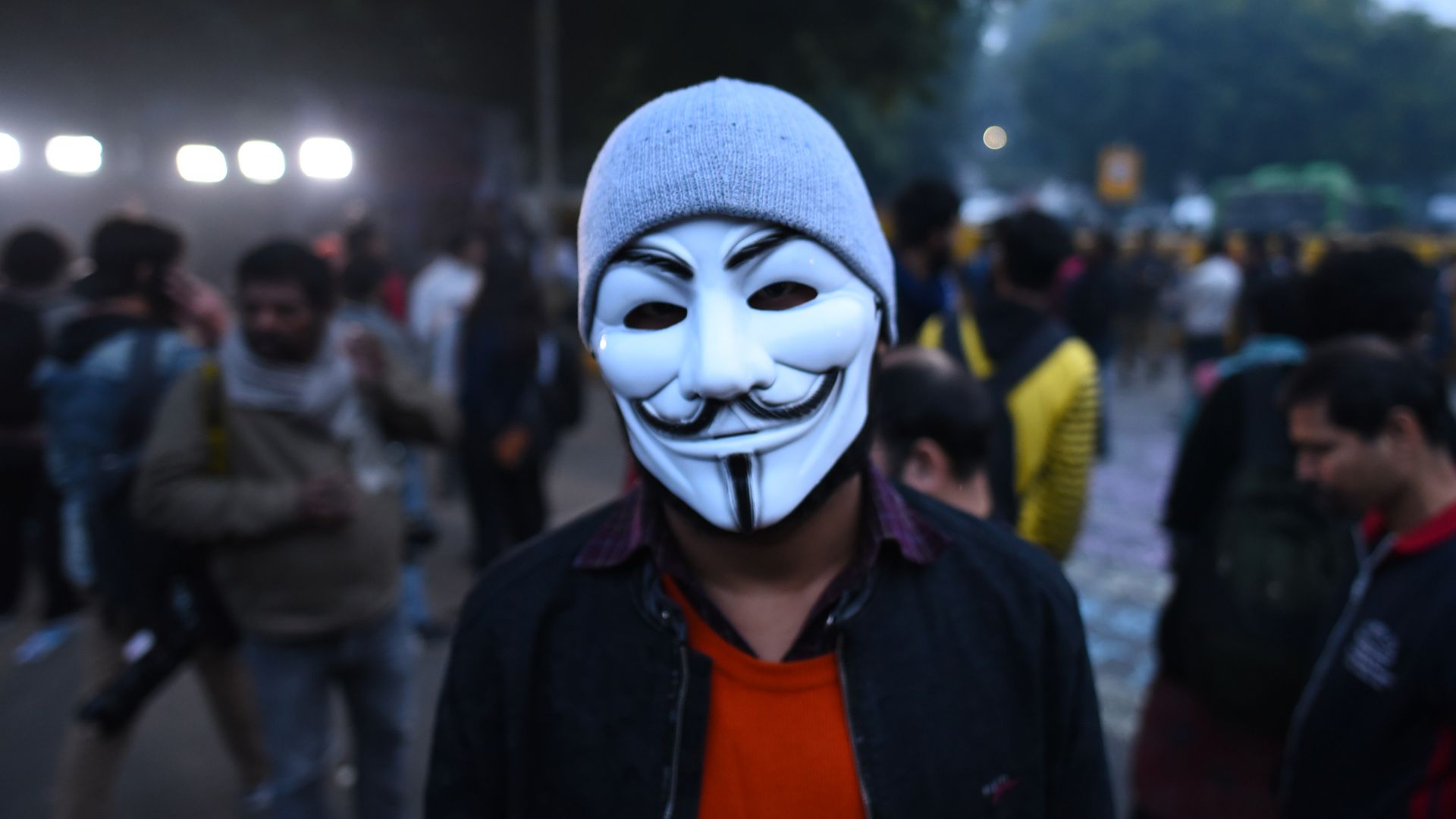
Individuals affiliated with Anonymous, the loosely organized hacker collective, pilfered a massive amount of data from police organizations nationwide that was later made public, Wired's Andy Greenberg reports.
Driving the news: Anonymous provided the tranche to Distributed Denial of Secrets (DDoSecrets), a transparency collective that serves as a repository for prior hacks. On Friday, DDoSecrets posted the tranche, known as “BlueLeaks,” to its website.
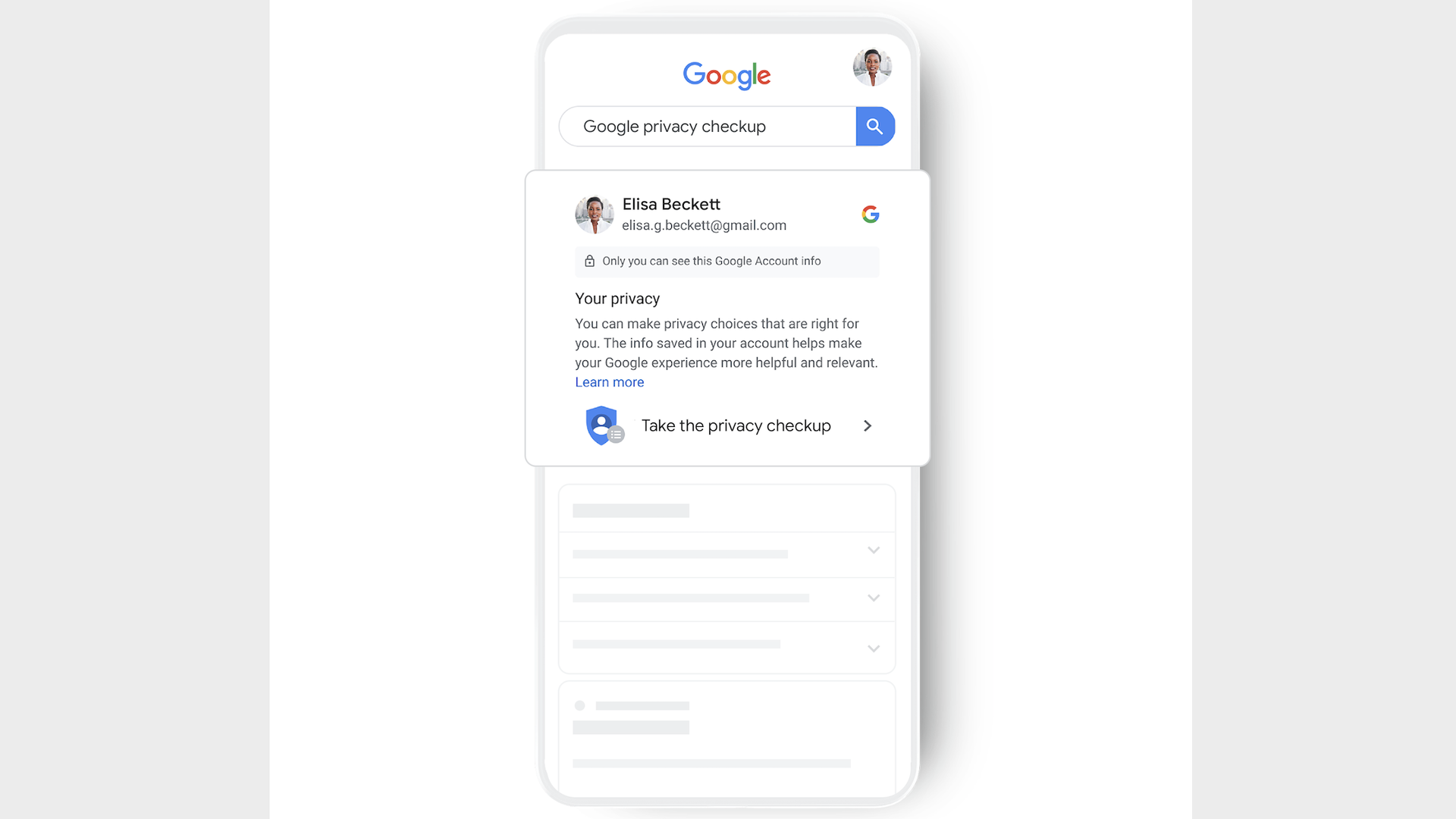
Google on Wednesday announced new limits on how long it will maintain data for some of its services, expanding a data minimization push that began last year.
Why it matters: Google has been trying to strengthen its privacy policies even as it continues to make most of its money by selling advertising.
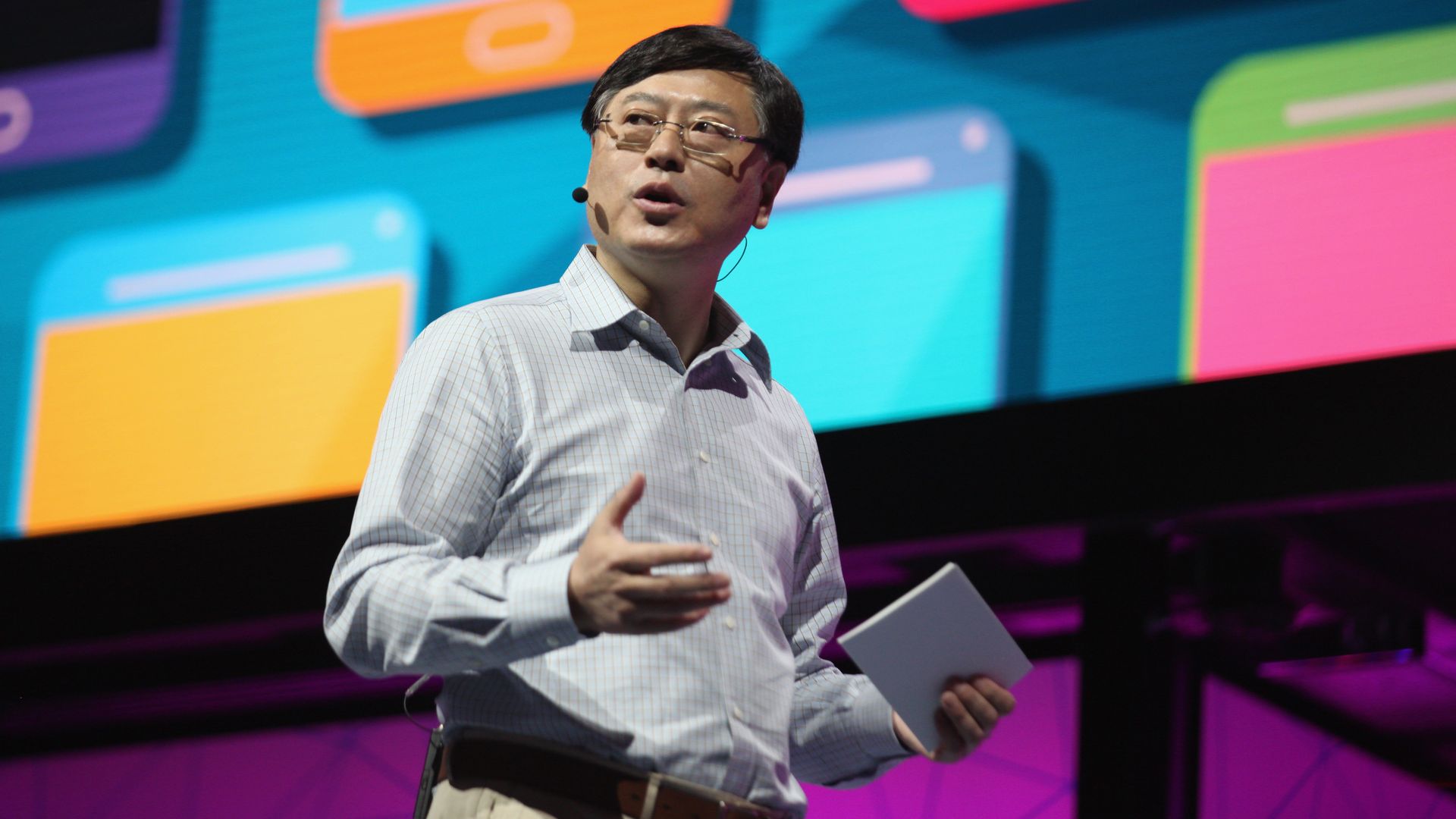
Chinese tech giant Lenovo is joining a growing list of tech firms that see a business in helping other companies reopen amid the COVID-19 pandemic.
Why it matters: Technology can't address all the issues related to a return to office life, but there are lots of opportunities in the software and hardware needed to detect fevers, keep workers physically separated and track which workers have been in contact with one another.
As loud as the fight has been between the Trump administration and Big Tech over charges the industry censors conservatives, the White House's move to extend a ban on skilled-worker visas used widely by tech companies hits Silicon Valley closer to home.
The big picture: In a global tech economy where China and other countries threaten to surpass the U.S. in fields like artificial intelligence, 5G networking and automation, American CEOs treasure what they see as Silicon Valley's brain-and-innovation edge, and fear Trump's order will undermine that advantage.
Germany's top court ruled Tuesday that Facebook abused its market power by illegally harvesting user data in the country, the New York Times reports.
Why it matters: The case against Facebook, pushed forward by Germany's competition regulator last year, represents one of the first major antitrust actions against Facebook.