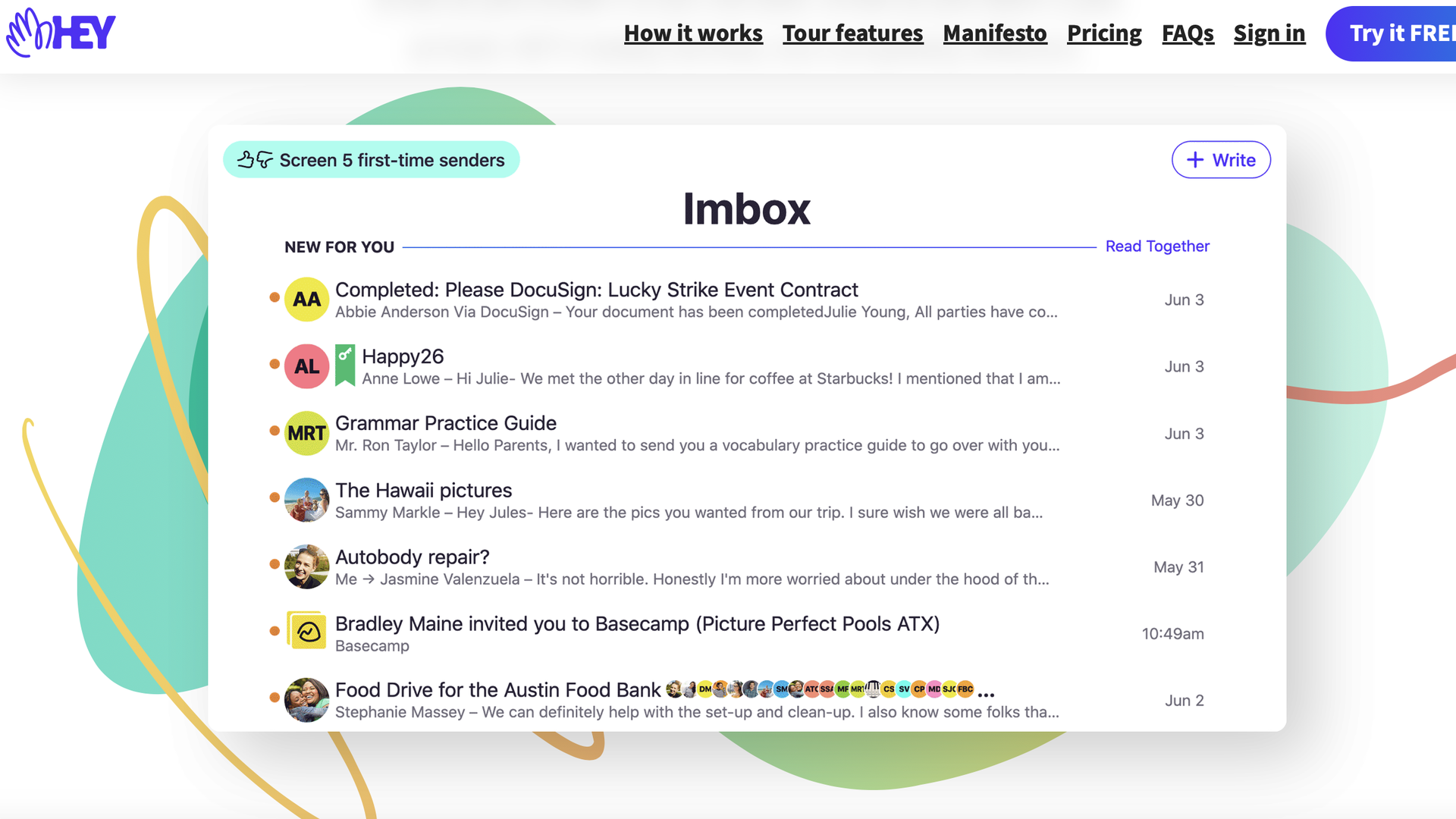
Apple on Thursday rejected an appeal from Basecamp over the availability of its new email app Hey in Apple's App Store.
Driving the news: Apple said the company needs to either offer an in-app subscription option or offer an email reader for nonsubscribers in order to be in compliance with its App Store rules.
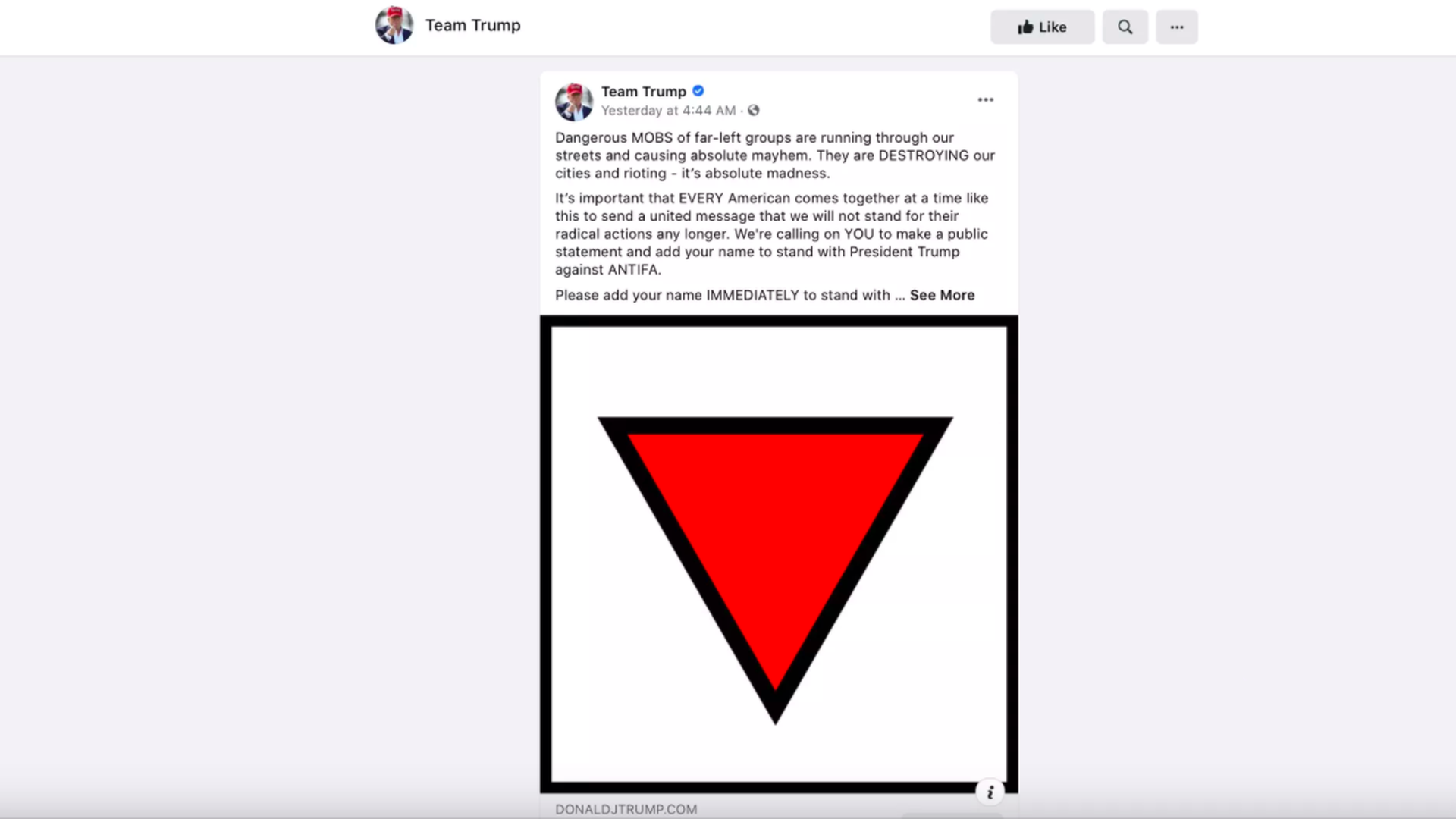
Facebook has taken down an ad from the Trump campaign that went after antifa and leftist groups with a prominent display of an inverted red triangle in a black outline, a symbol the Nazis used for political dissenters.
Why it matters: Facebook has given politicians and campaigns wide latitude in what they say on its platform, but this appears to have been a step too far.
Salesforce chief Marc Benioff and PayPal Ventures are joining the latest funding round for Oakland-based start-up Even, which aims to provide a better alternative to payday loans.
Why it matters: Historically, those who need an advance on their pay often have few options and pay extremely high fees and interest rates.
San Francisco’s board of supervisors has proposed November ballot measures that would tax companies that grant stock to their employees and those who pay top execs more than 100 times their median salary.
Why it matters: If passed, the measures, which aim to raise money for the cash-strapped city, could add to the growing acrimony between San Francisco and its tech-focused companies.
Spotify announced two mega podcast deals in the past 24 hours: A deal with Warner Bros. and DC Entertainment to produce a slate of original podcasts, and a deal to distribute podcasts exclusively from Kim Kardashian West.
The big picture: The company is doubling down on its commitment to podcasting, a medium it thinks can drive higher profits for the company through advertising. Spotify also aims to use its partnership with Warner Bros. and DC to unlock a new type of podcast storytelling.
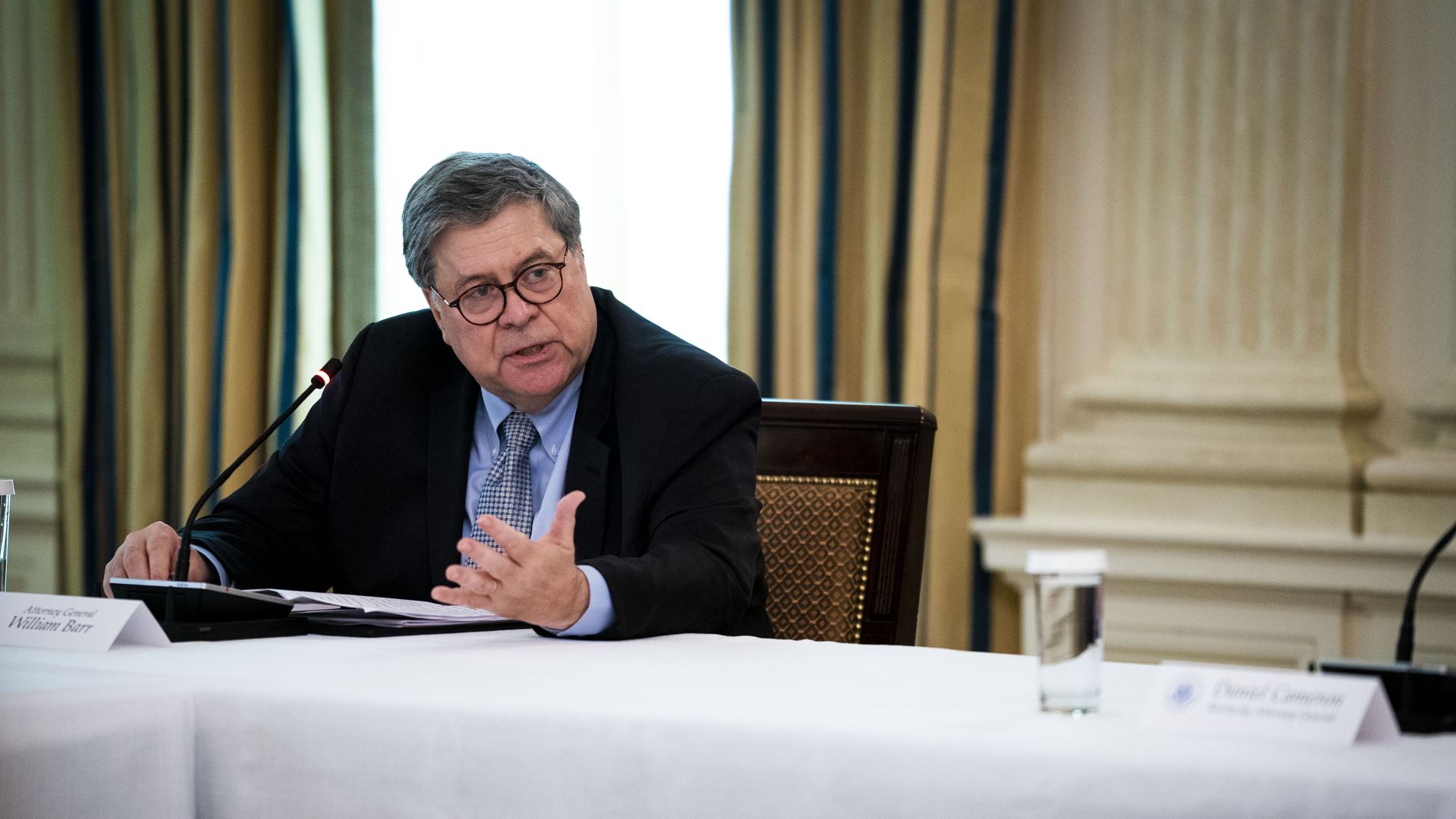
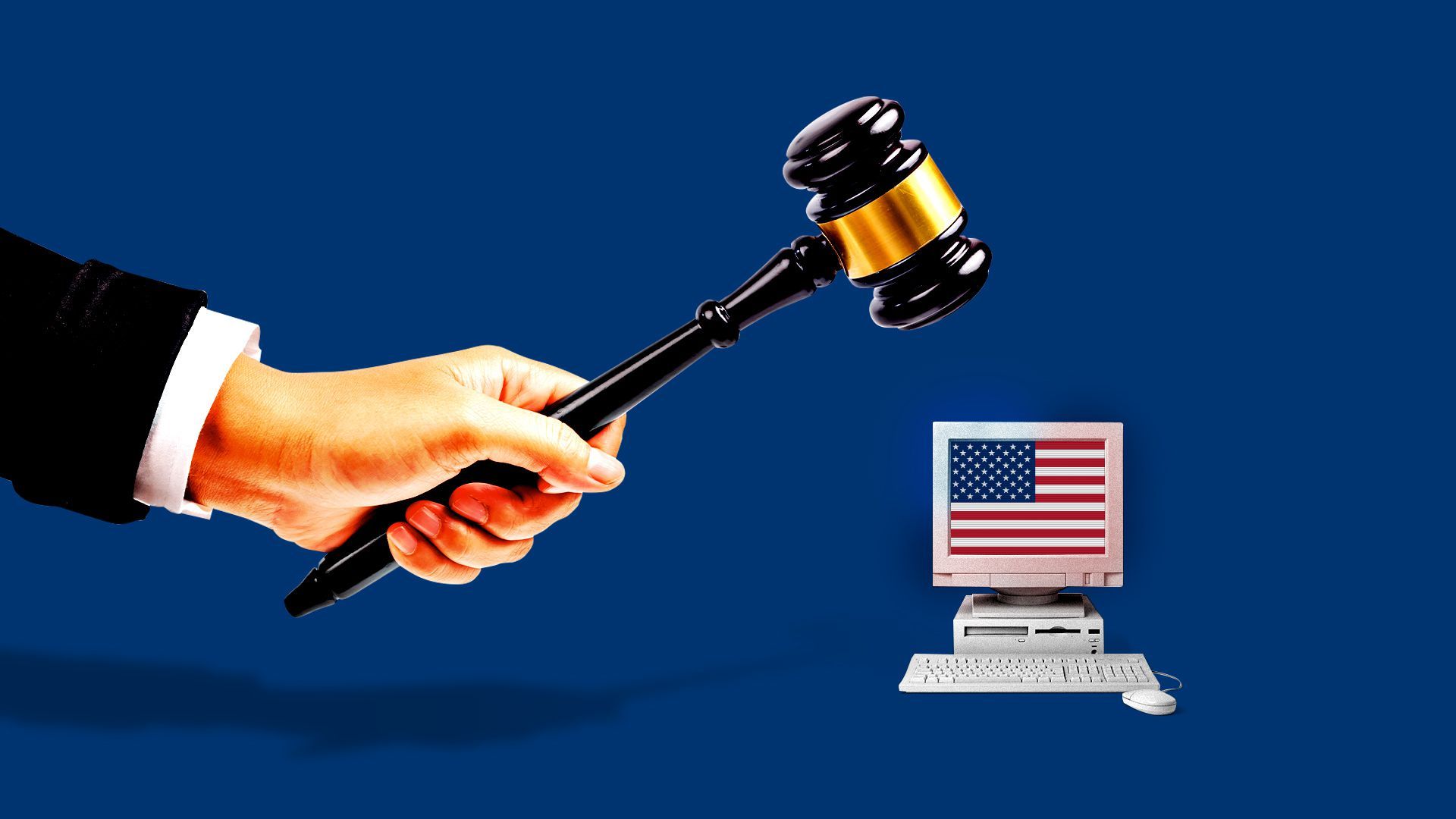
A new Justice Department proposal Wednesday accelerates a headlong charge in Washington to rewrite a law that protects online services from being sued over user-created content.
Why it matters: If Congress approves any of the bills in play, every dispute over content moderation on platforms like Facebook, Google and Twitter could turn into a court case — while the government could find itself with a big new job deciding whether companies like Facebook and Twitter are acting neutrally and "in good faith."
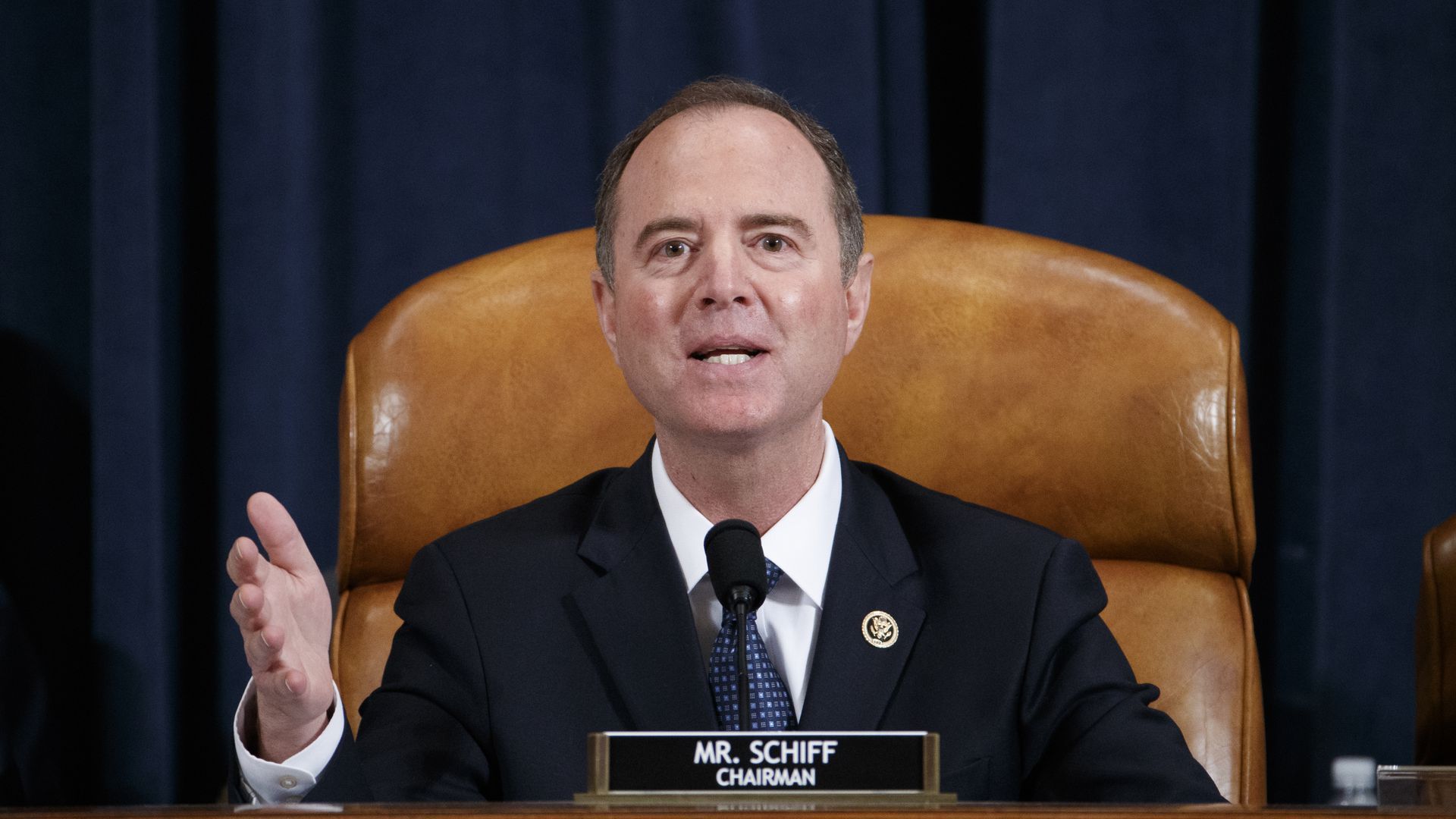
Ahead of a House Intelligence Committee virtual hearing with Facebook, Google and Twitter on Thursday, committee chairman Adam Schiff (D-Calif.) tells Axios that he worries the president's attacks on Twitter and other tech companies could complicate Congress' and the intelligence community's efforts to learn more about election interference.
Driving the news: Schiff says the president's criticism "certainly heightens the concerns of the social media companies and how they interact with the Congress and with the Administration which threaten to make it more difficult to get information from them. I hope it won't have that impact."
Americans — especially young heterosexual men — are reporting less sexual activity, per a study that looks at the past 18 years.
Why it matters: Given that sex and reproduction are fairly key to a society having a future, the results raise eyebrows. But what the survey really shows is how technology has fundamentally altered how human beings socialize.
A proprietary machine-learning platform has driven more than $100 million in portfolio-company investments for the venture capital firm EQT Ventures, according to numbers first seen by Axios.
Why it matters: EQT Venture's home-brewed Motherbrain platform represents a notable effort to adapt machine learning to the failure-prone process of picking and choosing early-stage tech investments.
Twitter said Wednesday that it will add voice messages to tweets — allowing up to 140 seconds of audio.
Why it matters: Twitter is already the go-to platform for breaking news in the U.S. and often around the world. Voice Tweets will add a new dimension to breaking news for the site, as users can record what's happening around them or record their thoughts and reflections immediately and post them as events unfold.
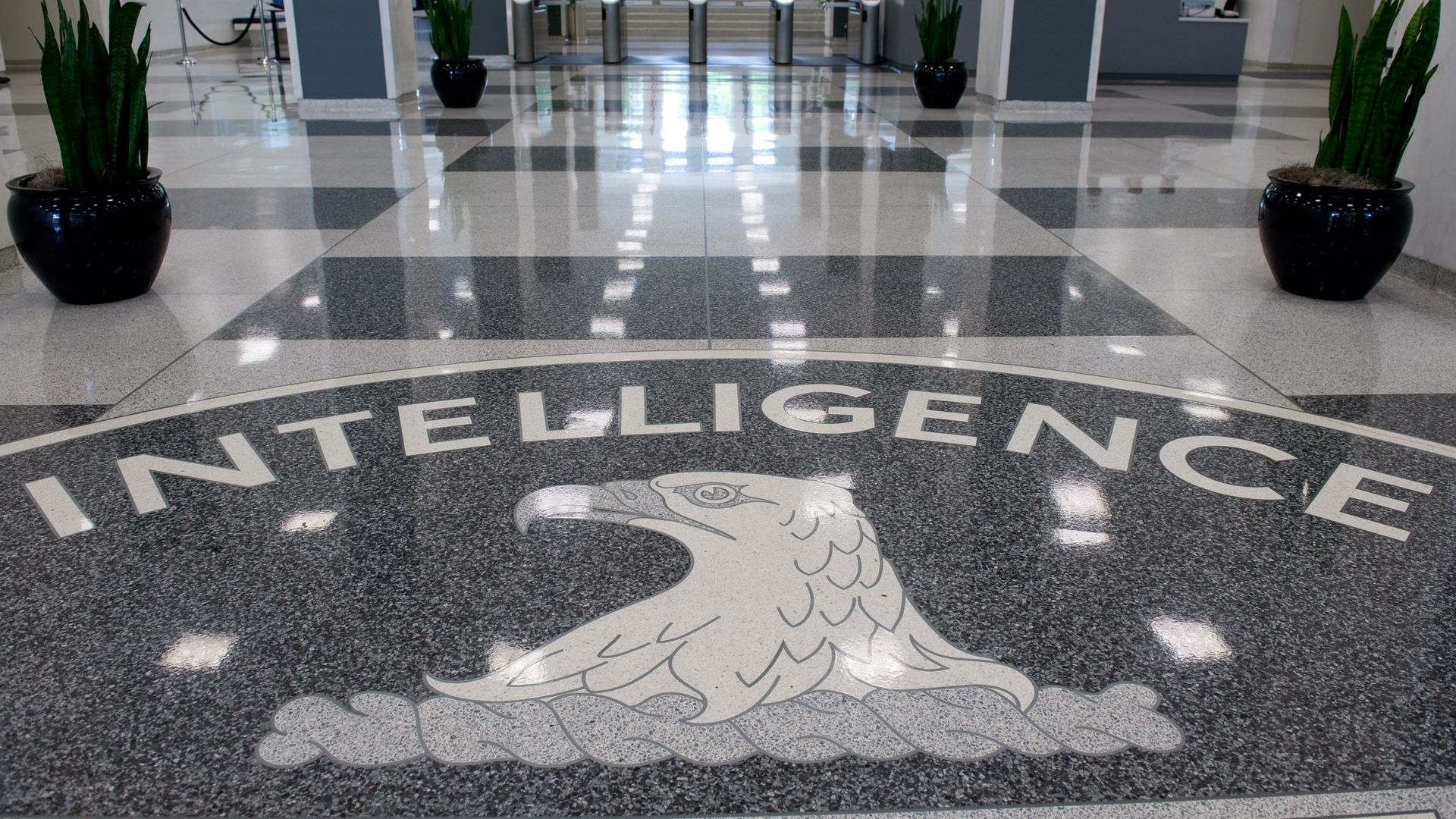
Systematic security failures at an elite CIA hacking unit helped lead to the biggest information breach in the agency’s history, according to a partially declassified CIA report provided to Sen. Ron Wyden’s office.
Details: The 2017 report, first reported by the Washington Post, is a postmortem on the 2016 breach, conducted by the CIA’s WikiLeaks task force.
Cyber criminal networks and individual opportunists have leveraged the coronavirus crisis to ramp up schemes to defraud businesses, credulous consumers and governments at all levels.
The big picture: This new wave of cyber crime, documented in a series of indictments, public disclosures and statements from U.S. officials, illustrates why the U.S. government sometimes refers to the “big four plus one” of cyber threats.
The Justice Department is urging Congress to limit the legal protections enjoyed by online platforms, seeking to narrow the law so they shoulder more responsibility for what appears on their websites.
Why it matters: The DOJ's move is the latest in escalating attacks by lawmakers and the Trump administration on the law that gives websites protection from liability over content their users post.
Logitech is adding labels to its computer accessories showing how much carbon the products consume — from the raw materials to the manufacture, distribution and use of the products.
Why it matters: The company hopes other firms will follow suit, giving consumers better info about the environmental impact of the products they buy.
In the wake of Europe's announcement of the Apple antitrust investigation, several iOS developers are publicly criticizing the policies that govern the App Store — in particular the up-to-30% cut Apple takes for the sale of digital goods.
Why it matters: The public criticism could encourage other developers to speak out and form the basis for antitrust investigations beyond Europe.
The European Union's move to open antitrust investigations of Apple Tuesday is a reminder that the attack against tech giants over their market power is not limited to America's borders.
Why it matters: Tech companies have historically faced some of their harshest criticism and judgments from Europe, though companies including Microsoft, Facebook and Google have been able to largely absorb the punishments levied. But a wider antitrust press by the EU could inform the accelerating U.S. probes, pry additional data and concessions from the companies, and add pressure on U.S. regulators to act.
Sen. Josh Hawley (R-Mo.) Wednesday will introduce legislation that would give consumers grounds to sue companies like Facebook or Twitter over accusations of selective censorship of political speech.
The big picture: The legislation is the latest attack on online platforms' legal protections from liability over content posted by users, and comes after President Trump signed an executive order taking aim at the protections in May.
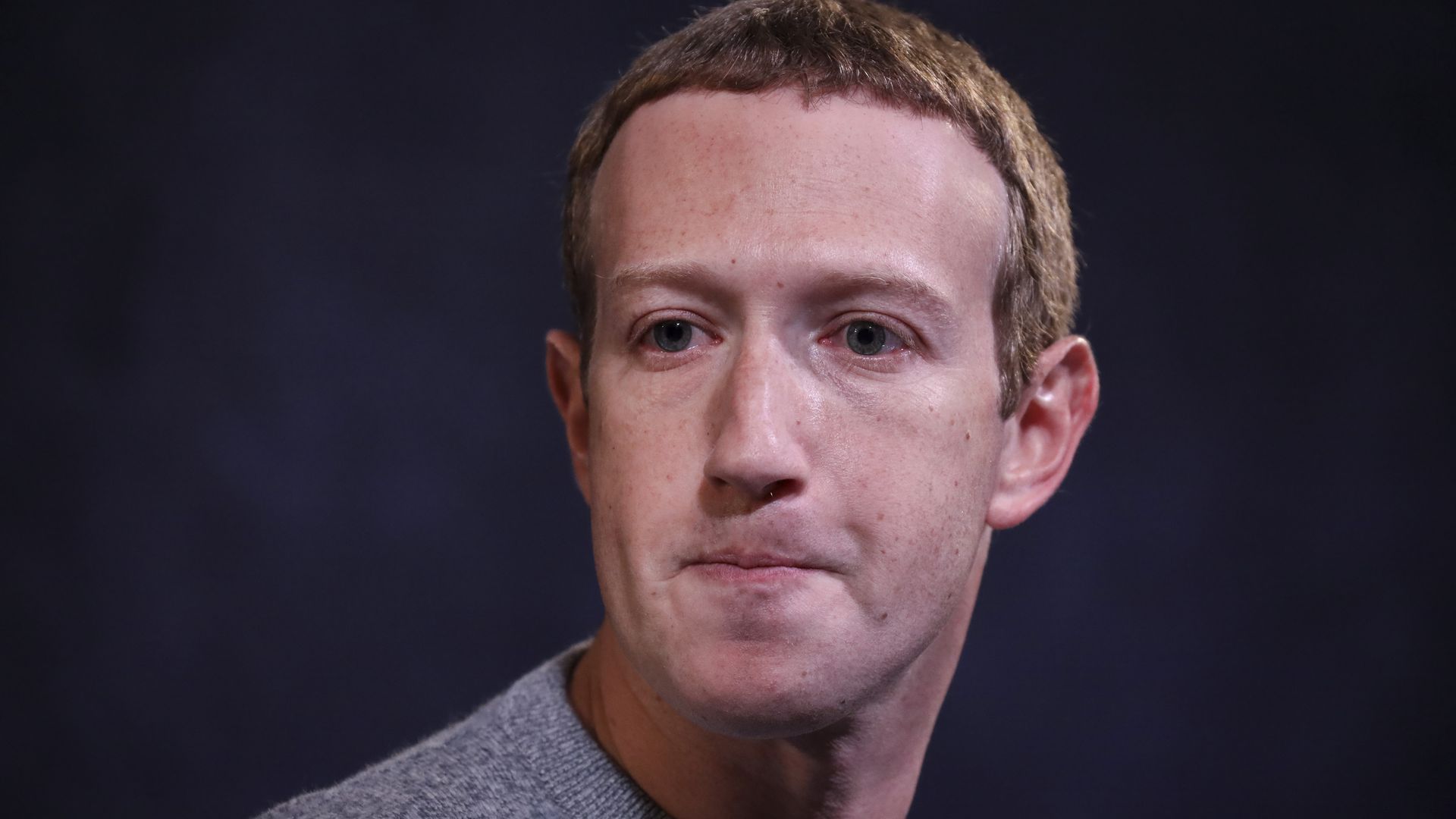
CEO Mark Zuckerberg wrote Tuesday in an op-ed that Facebook's 2020 goal is "to help 4 million people register to vote."
Why it matters: Facebook has faced scrutiny over the last four years for the way its platform was unwittingly used in spreading misinformation during the 2016 election cycle. Now, the company is doing everything in its power to bolster civic engagement ahead of the November election.
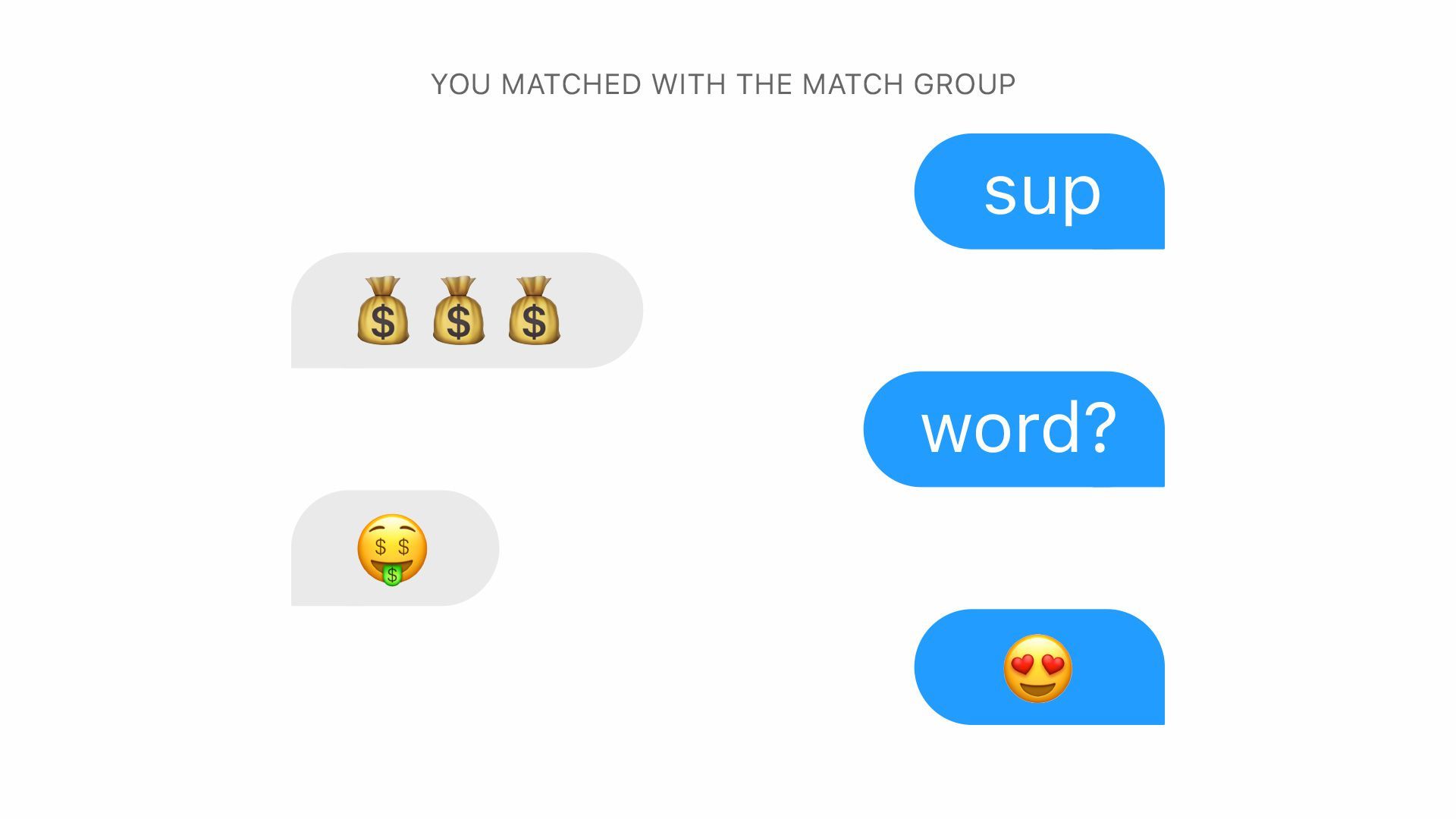
Match Group, the parent company of Tinder, OKCupid, Match and other dating sites, issued a statement Tuesday criticizing Apple's 30% take on App Store purchases.
Why it matters: The move comes the same day that the European Union announced an antitrust investigation into Apple's practices.