The Federal Communications Commission said the number of Americans with access to high-speed internet service has grown since 2017, according to a report Friday.
The big picture: The coronavirus pandemic has put in sharper focus the toll of the digital divide — the gap between those who have broadband internet and those who do not.
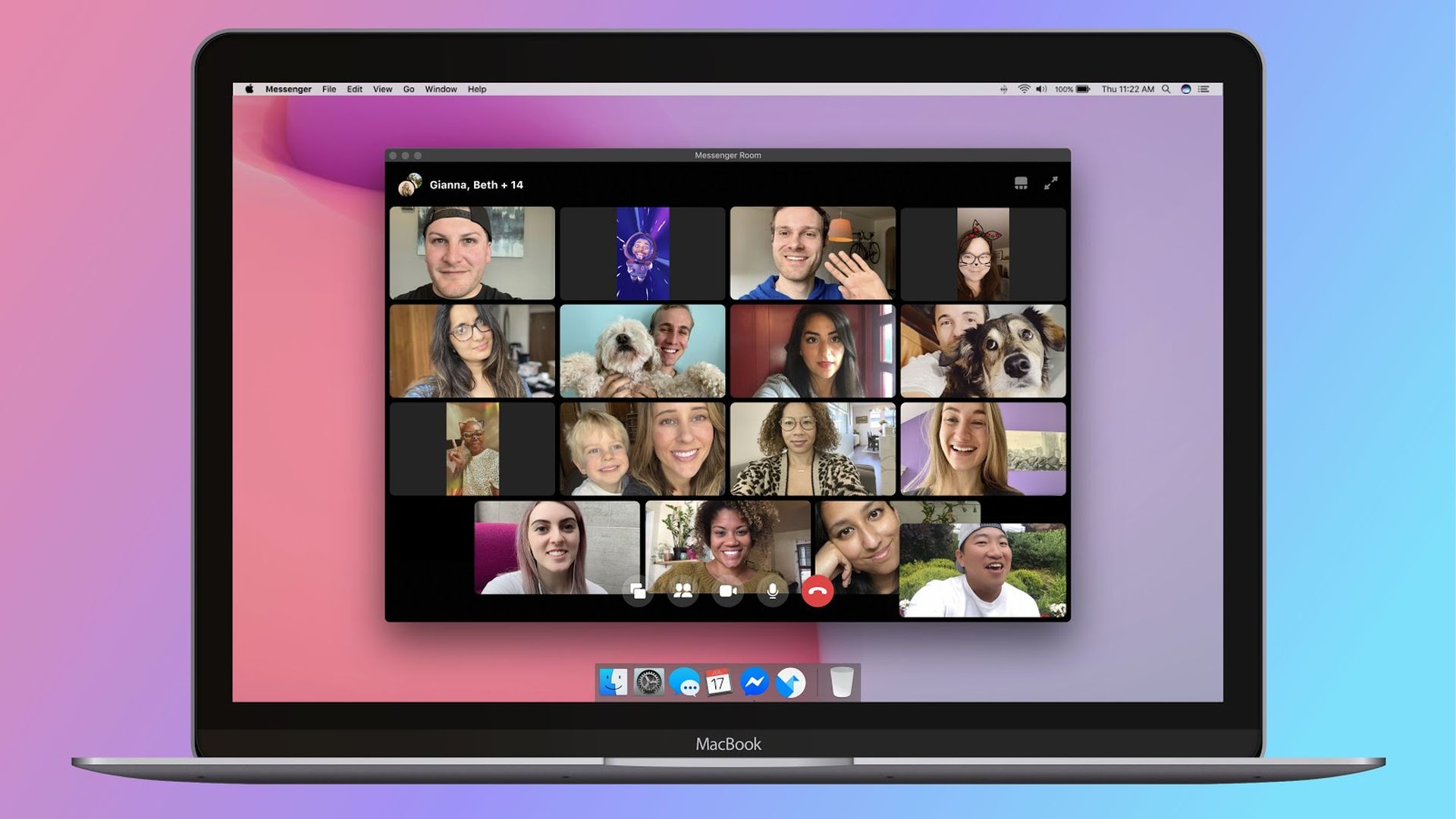
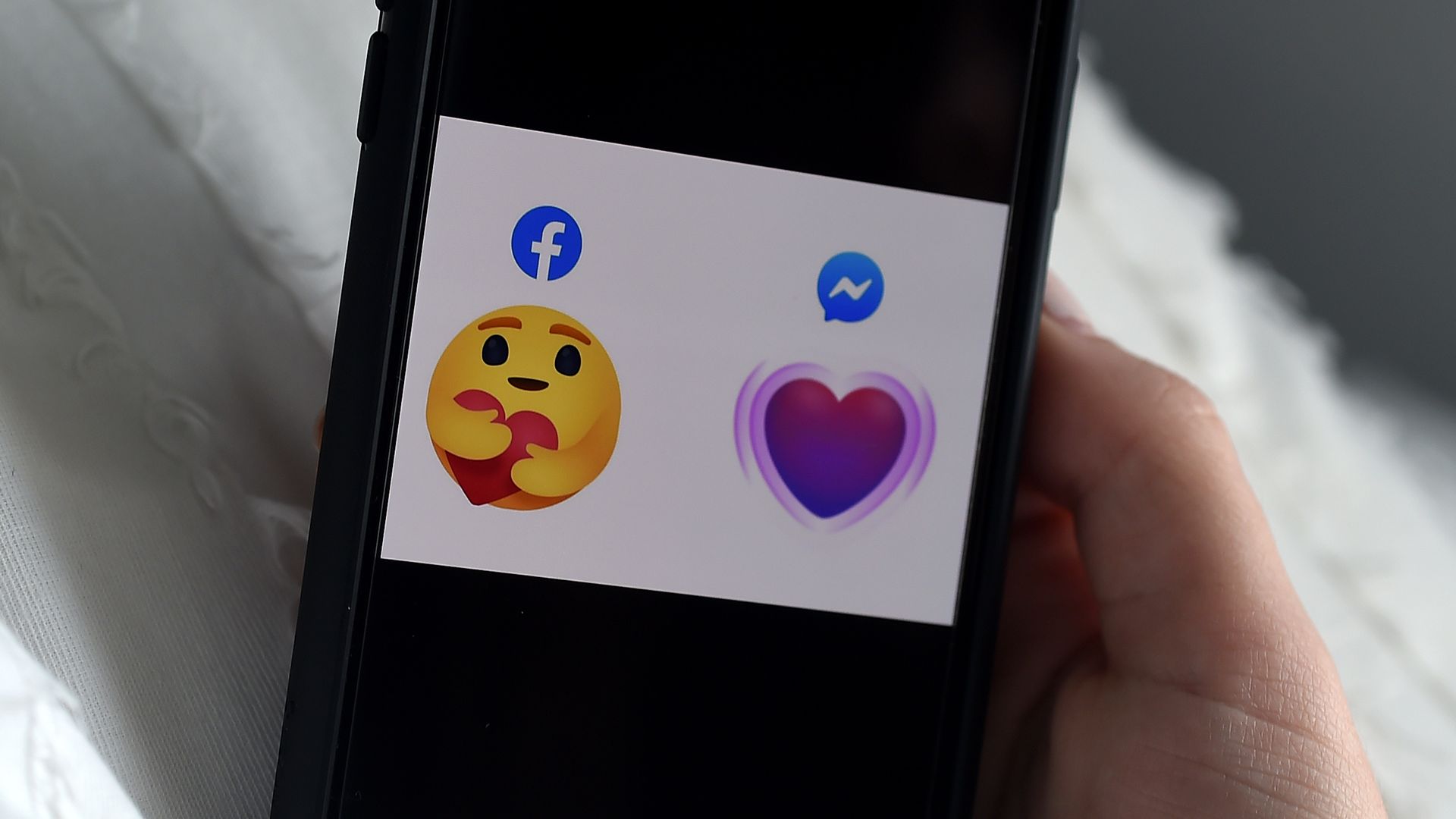
Facebook said Friday that it's launching a new video chat feature called "Messenger Rooms" that looks and functions similar to Zoom, except it allows far more people — up to 50 — to join at once for free.
Why it matters: It shows the company is willing to quickly innovate to keep up with new demand and opportunities. Facebook also announced alongside several other new video products, citing a major increase in calls and video chatting on its platforms throughout the coronavirus pandemic.
Apple and Google announced a series of small changes to their coronavirus contact-tracing technology and shared additional technical details ahead of a launch in the coming weeks.
Why it matters: The system is likely to serve at the heart of major efforts around the world to use technology to detect potential coronavirus exposure, as it will be built into the two main smartphone operating systems.
A government watchdog found key security deficiencies in the Federal Communications Commission's IT systems, including the public comment system, according to a report out Friday.
Why it matters: The FCC relies on feedback from the public to help shape policy, but its system for collecting it has been marred by fake comments and outages during high-profile debates — most publicly in the fight over net neutrality.
Intel reported strong quarterly earnings Thursday, but its shares fell in after-hours trading amid concerns around its near-term outlook.
Why it matters: Investors are trying to figure out what to expect from the tech sector as the impact of the coronavirus and related shutdowns works its way through the economy. Some parts of the tech sector would appear to still be seeing strong demand amid the shift to remote work and e-commerce.
While usage of most mobile apps has remained neutral during the coronavirus pandemic, social media app usage has exploded during the lockdown, according to new data from Nielsen.
Despite the tech industry's relative health during the pandemic, tech product roadmaps and schedules have been revisited, shaken up and in some cases completely rewritten thanks to the coronavirus.
What's happening: Both giants and startups are trying to focus on projects that are doable, relevant and critical. Those that don't meet any of these criteria are likely to fall by the wayside.
Google plans to cut its marketing budgets by as much as 50% for the second half of 2020, CNBC reports, citing internal emails from the company.
The big picture, via Axios' Ina Fried: Google is doing what most big tech companies are or will be doing soon — looking for budget cuts that can mitigate the coronavirus fallout, with marketing expenses likely to be on the chopping block.
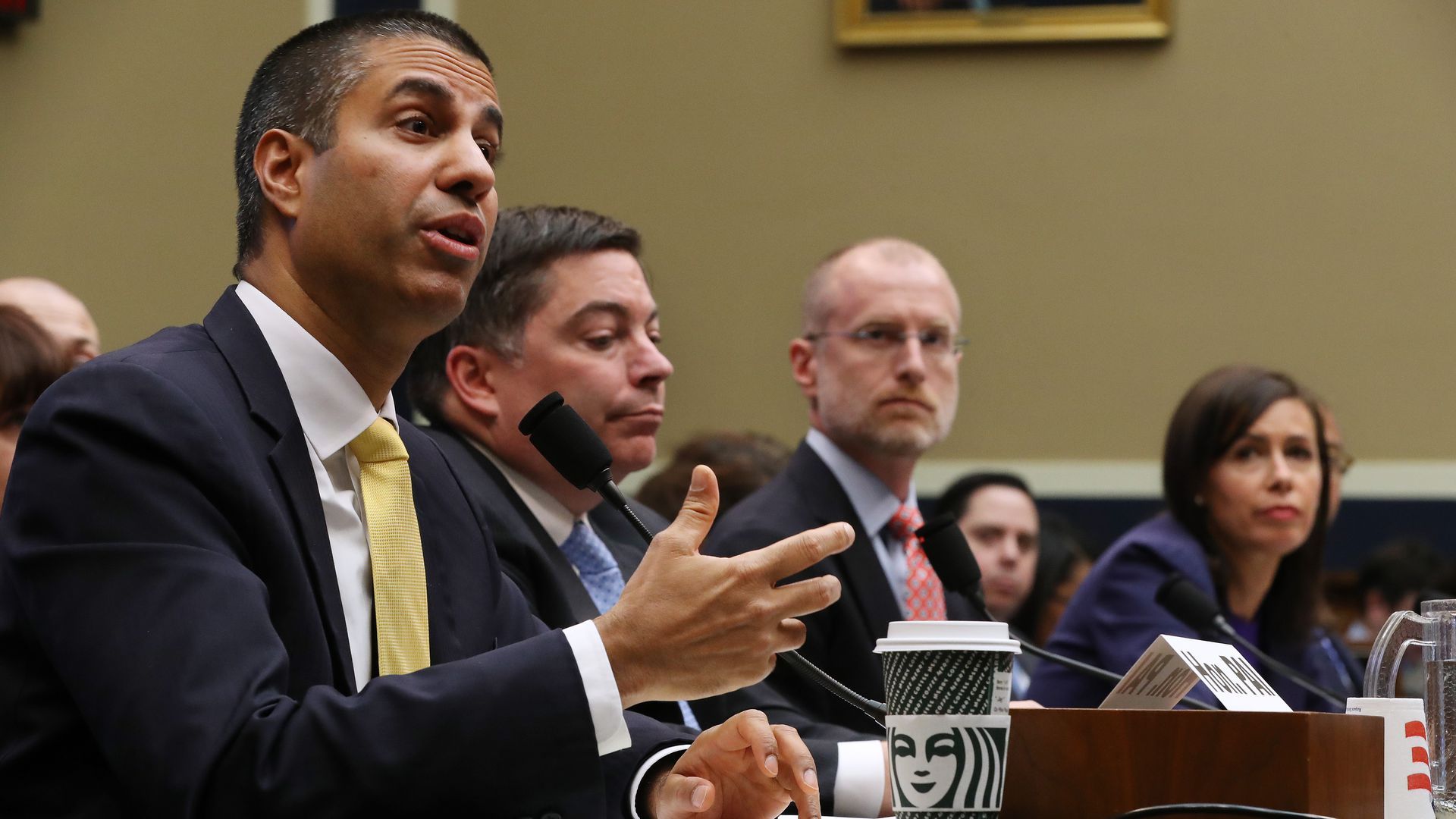
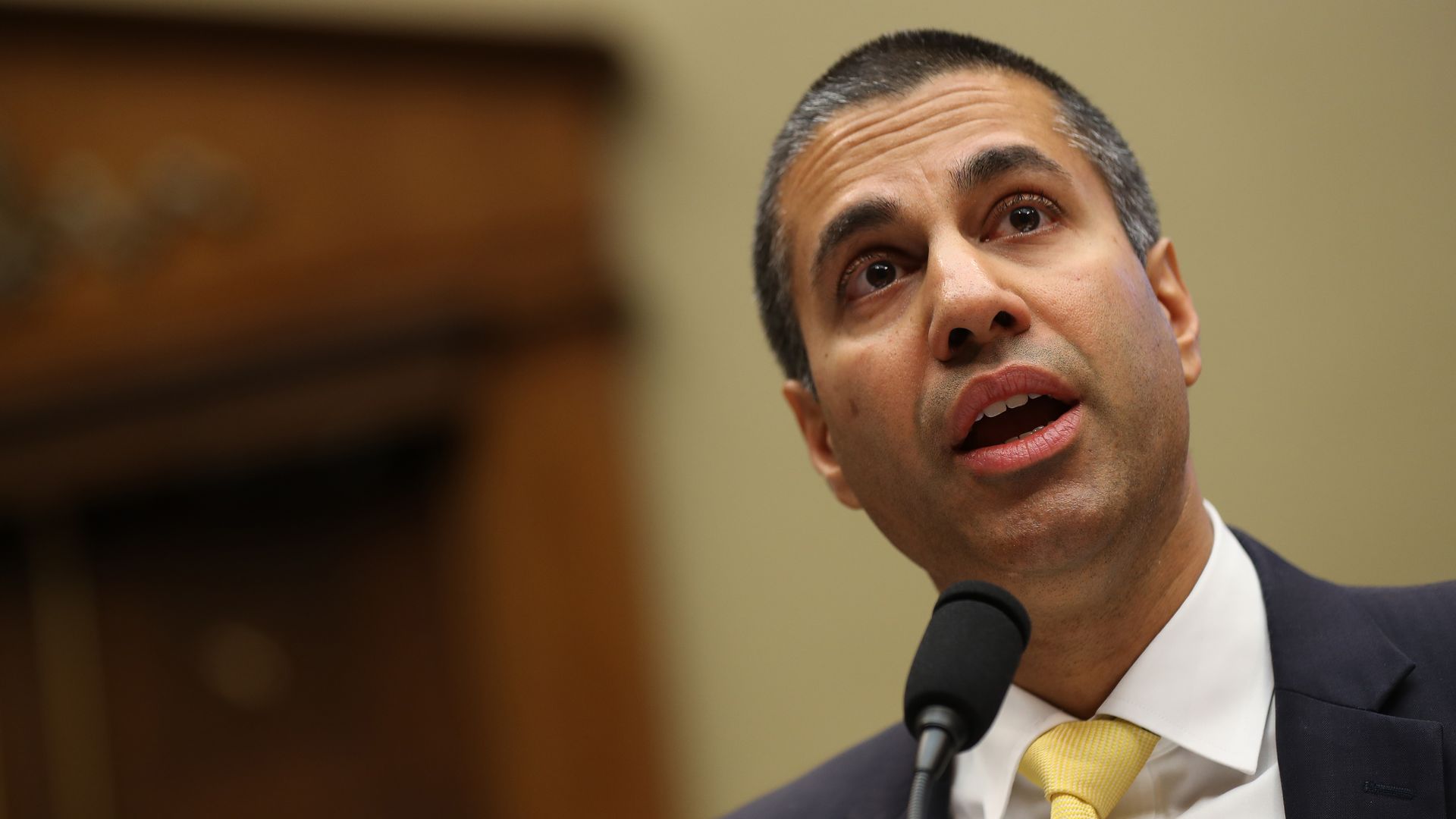
FCC Chair Ajit Pai said Thursday during an Axios virtual event that internet connectivity is "the glue" for many Americans' daily lives during the coronavirus pandemic.
Why it matters: Pai specifically cited both education and telehealth as reasons why internet access is so important in the age of social distancing. He added that he hopes that both Democrats and Republicans in Washington use this time to recognize the issue's importance in order to move to create more opportunities for access in underserved communities.
This week was to be the annual TED conference, with thousands of business leaders, celebrities, artists and scientists gathered in Vancouver to share ideas. Instead, Wednesday became the first step in the organizers’ effort to take their entire event online.
Why it matters: While many conferences have moved online, the shift is particularly tricky for luxury events, where much of the value is around in-person networking and socializing.
Americans are looking more favorably on the tech industry and are especially cheered by efforts to help track coronavirus cases, according to recent polling.
Why it matters: The industry's image was taking a beating over concerns around misinformation, privacy and other issues before the coronavirus pandemic, but sentiment has shifted as the virus has forced more Americans to rely on online services.
Google is deploying a new tool in its ongoing quest to eventually run its energy-thirsty data centers on carbon-free power around the clock.
The state of play: The company said in a blog post Wednesday that it's beginning to deploy a "carbon-intelligent computing platform" at its very large data centers. The goal is to align energy use to the time period when the supply is cleanest.
Snap announced Thursday that it is planning to raise up to $750 million through a private debt offering.
In a note to staff obtained by Axios, CEO Evan Spiegel says that the "proceeds from this offering will further bolster our balance sheet which will allow Snap the flexibility to continue to invest in the long-term growth of our business, even if challenging conditions continue."
Google has changed its advertising policies to require all advertisers, not just those with political affiliations, to complete an identity verification program to show ads on its platforms, which include Google Search, Google News, YouTube and more.
Why it matters: Verification tends to weed out spammy advertisers, including those that sell things like price-gauged hand sanitizer or fake coronavirus face masks.
A majority of Americans are willing to share their coronavirus test results with public health officials, but fewer are willing to download an app that tracks who they come in contact with, according to new poll by the Kaiser Family Foundation.
Why it matters: To lift social distancing measures without allowing the virus to spread rampantly again, we'll need to know in real time who has the virus, and who they could have potentially infected.
The coronavirus pandemic is creating cracks in the federal government's long-held opposition to conducting business online.
The big picture: Quarantines and social distancing are challenging the way legislators, judges and policymakers are used to operating — though some remain hesitant to upend centuries of tradition and rules.