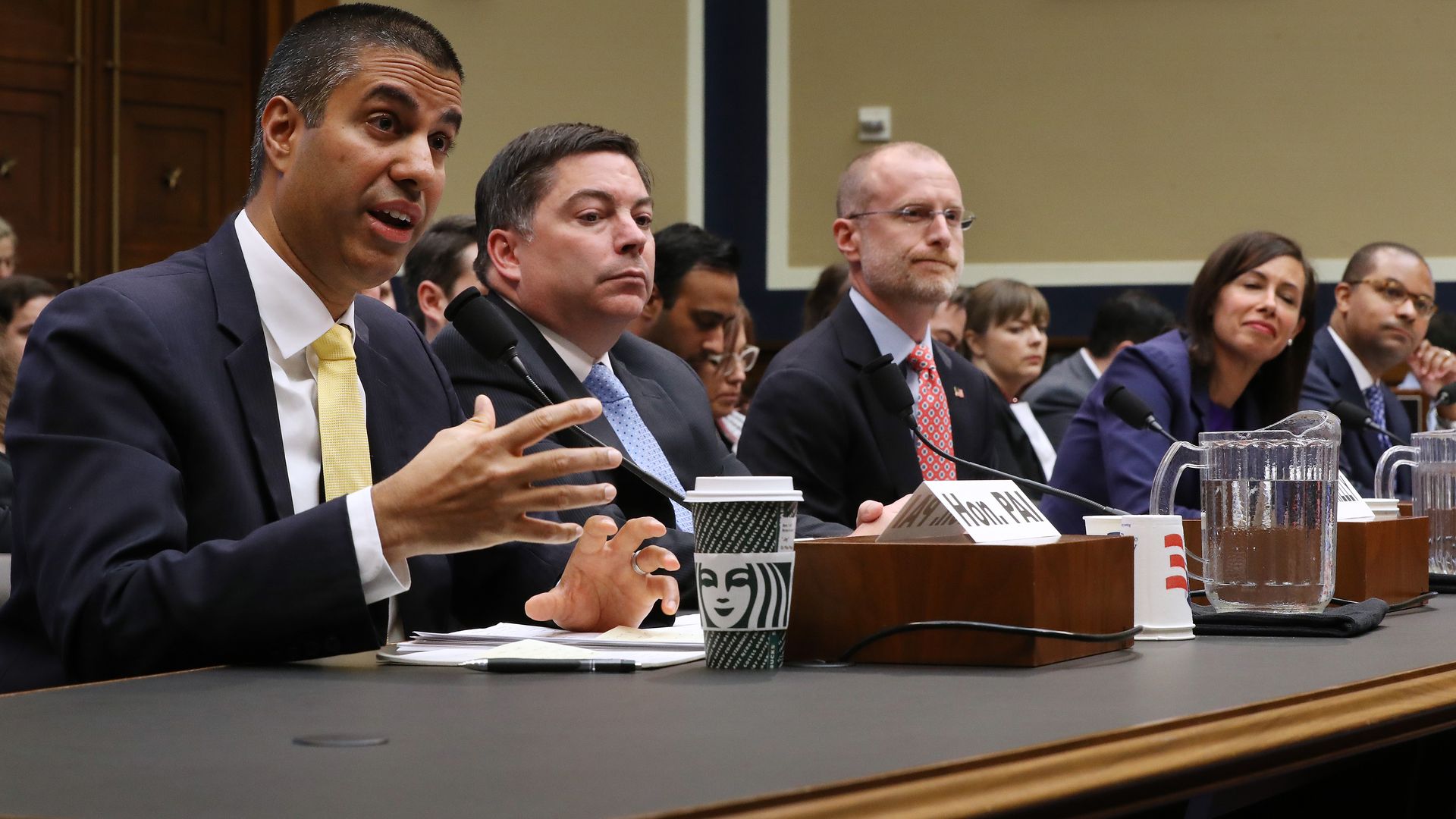
The FCC plans to propose fines against wireless carriers totaling roughly $200 million for improperly sharing customers' location information with outside parties, according to people familiar with the matter.
Why it matters: Lawmakers and others have been calling for agency action for over a year after revelations that location data from AT&T, T-Mobile and Sprint made its way to a resale market used by bounty hunters.
Facebook on Thursday sued OneAudience, a mobile data analytics company, for collecting data from its users beginning in September 2019.
Details: Facebook alleges that OneAudience plugged software development kits (SDK) — designed to scrape user data from its site as well as Google and Twitter — into shopping and gaming apps distributed through stores like Google Play.
The Federal Communications Commission is planning a field hearing in California following bipartisan pressure to get out of Washington and hear firsthand how last fall's wildfires affected communications networks in the state.
Why it matters: Power outages prompted by the fires brought cell sites down, interrupting wireless service for California residents. Policymakers hope informed guidance out of Washington could help minimize widespread outages next fire season.
Facebook has canceled its annual developer conference in San Jose, scheduled for May 5–6, due to concerns over the coronavirus, the company said on Thursday.
The big picture: Facebook's F8 is the latest tech conference to be canceled over these health concerns given the international nature of its attendees. Mobile World Congress, the annual confab in Barcelona, was also canceled, as was another small Facebook conference, while a number of major sponsors have pulled out of other events, like the RSA security conference and the Game Developers Conference in San Francisco.
As the tech industry weaves its products into the fabric of the physical world, it's also extending the insecurities and dangers of digital systems in perilous new ways.
Why it matters: Just as we're finally getting used to the idea of protecting our online accounts and data, we have to start thinking about the vulnerability of the spaces and objects around us to small acts of trickery and sabotage that mess with computers' heads.
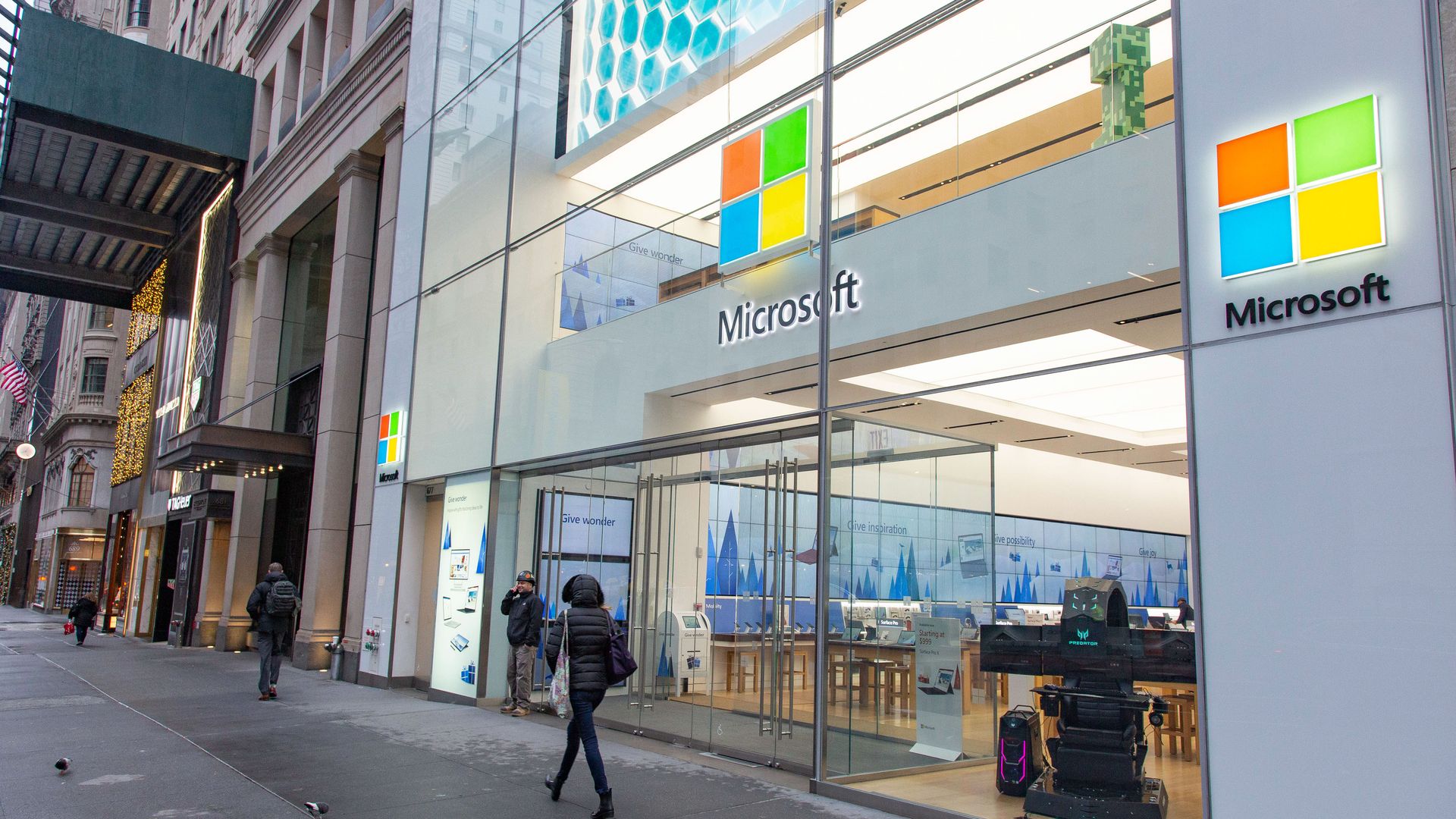
More companies are saying publicly that disruptions caused by the coronavirus are hitting their bottom lines. Microsoft warned Wednesday that its personal computing unit, which includes Windows and Surface, will likely miss revenue expectations due to a slower-than-expected return to production after the Lunar New Year.
The big picture: Although Apple was the first big tech company to warn of a financial impact from the outbreak, most industry watchers said they expected the impact to be felt broadly across the industry, which depends heavily on China for manufacturing.
Facebook has hired the World Economic Forum's former head of technology policy, Zvika Krieger, as its new director of responsible innovation, Axios has learned.
Why it matters: In the wake of its many scandals and amid growing regulatory scrutiny, Facebook is looking to make sure it addresses ethical issues earlier in the design and engineering processes.
Two top Huawei U.S. executives are at the RSA Conference in San Francisco this week, hoping the crowd of security experts will be more receptive to its position than have been policymakers in Washington, where the Chinese giant has gotten an increasingly hostile reception.
The big picture: Huawei's business has been under all manner of attack from the U.S. government, from trade sanctions to criminal charges to efforts to persuade allies not to buy their gear.
A new analysis provides the latest evidence that the explosive growth of ride-hailing services like Uber and Lyft is making it harder to fight CO2 emissions from transportation.
Driving the news: The Union of Concerned Scientists studied the triple-whammy of trips replacing climate-friendly transit, inducing new travel and "deadhead" miles — that is, when ride-hailing vehicles move without passengers.
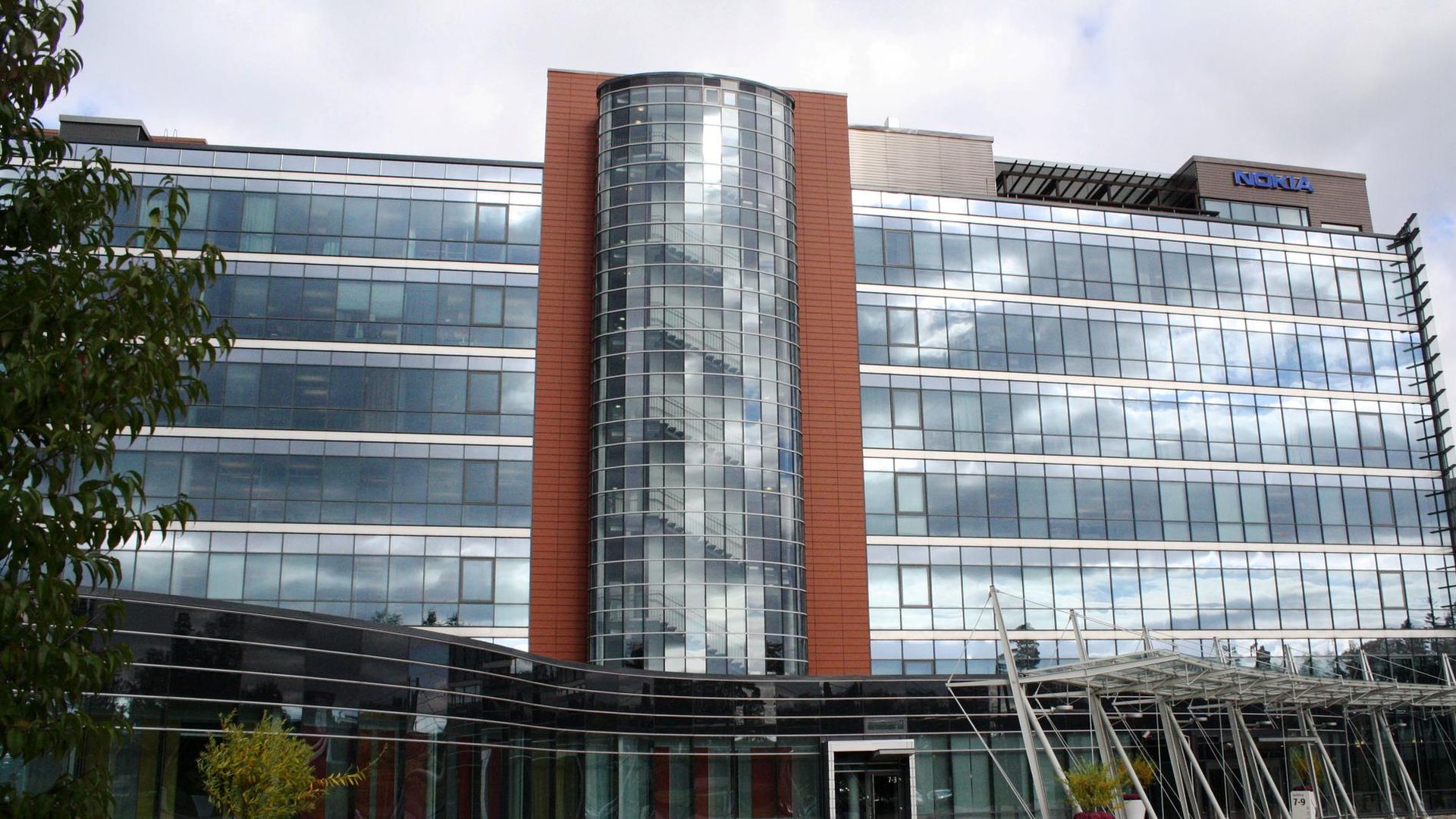
Finnish network gear-maker Nokia has hired advisers to consider merger possibilities, asset sales or other strategic alternatives, according to a report Wednesday from Bloomberg.
Why it matters: Although Nokia has been struggling amid intense competition, it is one of only a handful of companies that make gear for 5G and other cellular networks, an area of increasing geopolitical focus and concern.
Microsoft does not expect its PC unit, which includes Windows and Surface, to meet its previous quarterly revenue guidance due to the impact of the coronavirus on computer production, the company said in a Wednesday statement.
Our thought bubble, via Axios' Ina Fried: It's PC supply, not demand, that is below expectations, as the supply chain — much of which is in China — has been slower to return to full production.
An enormous amount of change has been crammed into the first two decades of the 21st century — but what’s coming next will break every speed record.
The big picture: The world is being buffeted by rapid yet uneven advances in technology that will revamp work and what it means to be human. At the same time, fundamental demographic changes willalter democracies and autocracies alike while theeffects of climate change accumulate, physically redrawing our globe.
Controversial facial recognition startup Clearview AI told its customers that its complete list of clients, which includes law enforcement agencies all over the country, was stolen in a data breach, The Daily Beast reported Wednesday.
Why it matters: An intruder gaining access to Clearview's client list will likely trigger alarm bells for both would-be customers and privacy advocates, who have already denounced the company following a New York Times report on Clearview culling more than 3 billion images from websites like Facebook to create its database.
With the opening of its first large-format cashier-less grocery store in Seattle on Tuesday, Amazon is on its way to further expanding its physical footprint across U.S. cities.
The big picture: Amazon’s 2017 purchase of Whole Foods was never the end of its grocery ambitions — or its fight to win a bigger share of the whopping $700 billion per year American grocery industry. With its own network of stores, Amazon could attract shoppers looking for cheaper prices than Whole Foods and dramatically grow its brick-and-mortar reach.
The San Jose City Council approved the first batch of community grants as part of the city's Digital Inclusion Fund intended to connect unserved residents to broadband.
Why it matters: The Digital Inclusion Fund was established a year ago during negotiations with 5G providers wanting to erect small cell antennas on city infrastructure. A portion of lease revenue collected from telecom companies goes into the fund — along with significant private funding — to help connect unserved residents.
Google is doubling down on investments in offices and data centers around the country, pledging Wednesday to spend $10 billion this year on top of the $13 billion in 2019 it spent expanding its footprint across the country.
The big picture: Google is growing its presence across the country as lawmakers and state attorneys general scrutinize its power.
Wall Street's two-day-old coronavirus crash is a wakeup alarm for Silicon Valley.
The big picture: Tech has been booming for so long the industry barely remembers what a down market feels like — and most companies are ill-prepared for one.