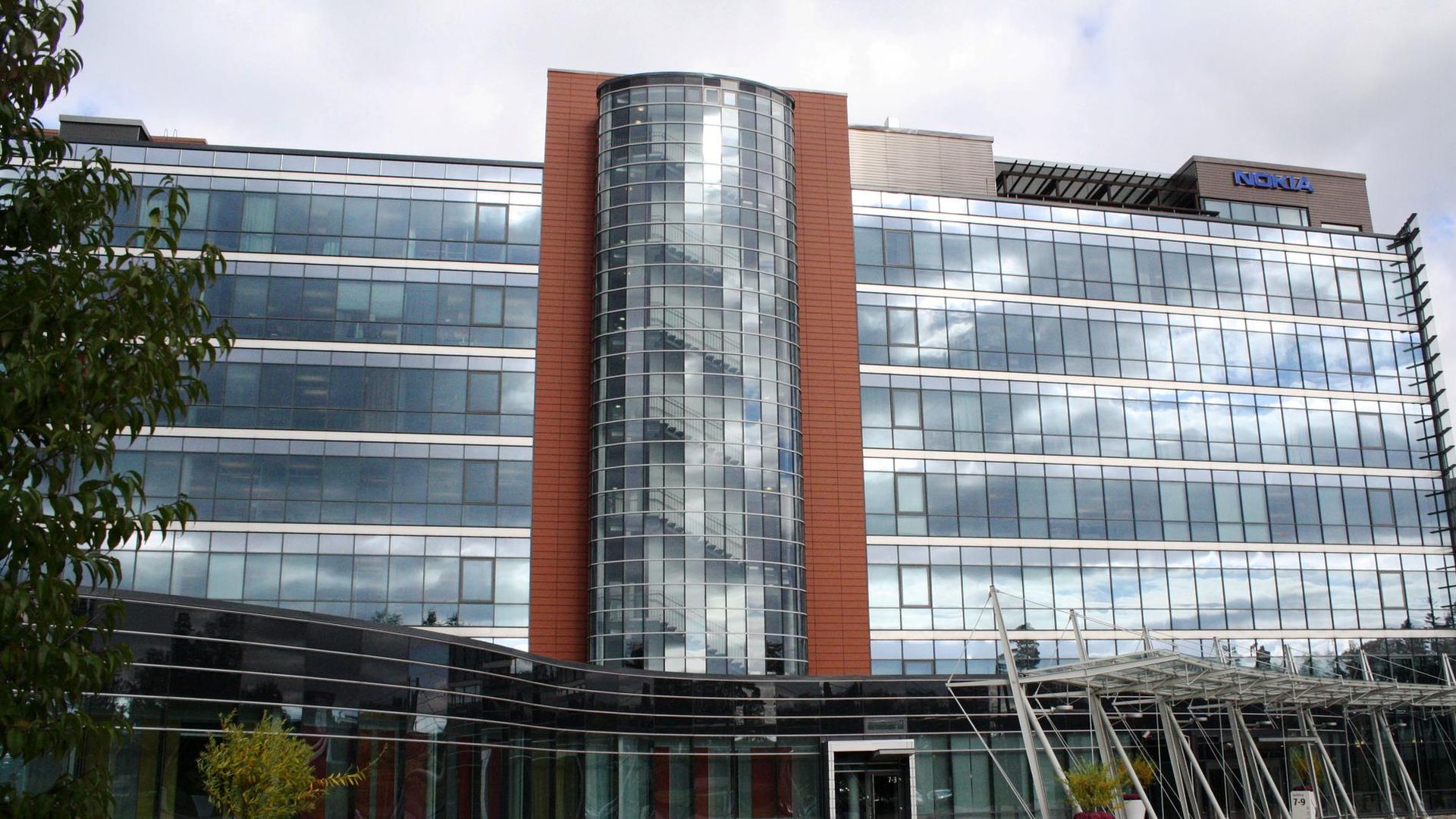
Finnish network gear-maker Nokia has hired advisers to consider merger possibilities, asset sales or other strategic alternatives, according to a report Wednesday from Bloomberg.
Why it matters: Although Nokia has been struggling amid intense competition, it is one of only a handful of companies that make gear for 5G and other cellular networks, an area of increasing geopolitical focus and concern.
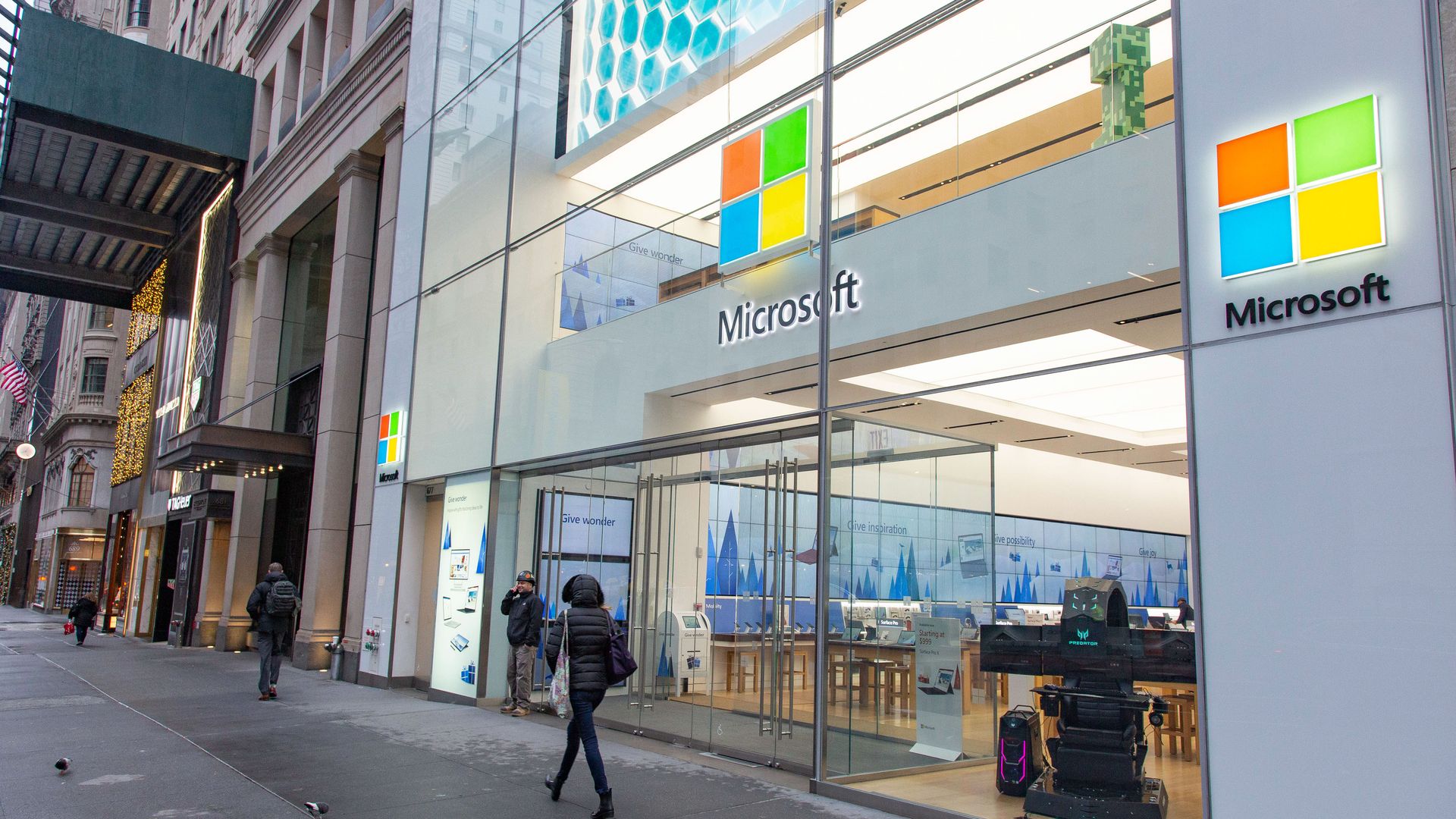
Microsoft does not expect its PC unit, which includes Windows and Surface, to meet its previous quarterly revenue guidance due to the impact of the coronavirus on computer production, the company said in a Wednesday statement.
Our thought bubble, via Axios' Ina Fried: It's PC supply, not demand, that is below expectations, as the supply chain — much of which is in China — has been slower to return to full production.
An enormous amount of change has been crammed into the first two decades of the 21st century — but what’s coming next will break every speed record.
The big picture: The world is being buffeted by rapid yet uneven advances in technology that will revamp work and what it means to be human. At the same time, fundamental demographic changes willalter democracies and autocracies alike while theeffects of climate change accumulate, physically redrawing our globe.
Controversial facial recognition startup Clearview AI told its customers that its complete list of clients, which includes law enforcement agencies all over the country, was stolen in a data breach, The Daily Beast reported Wednesday.
Why it matters: An intruder gaining access to Clearview's client list will likely trigger alarm bells for both would-be customers and privacy advocates, who have already denounced the company following a New York Times report on Clearview culling more than 3 billion images from websites like Facebook to create its database.
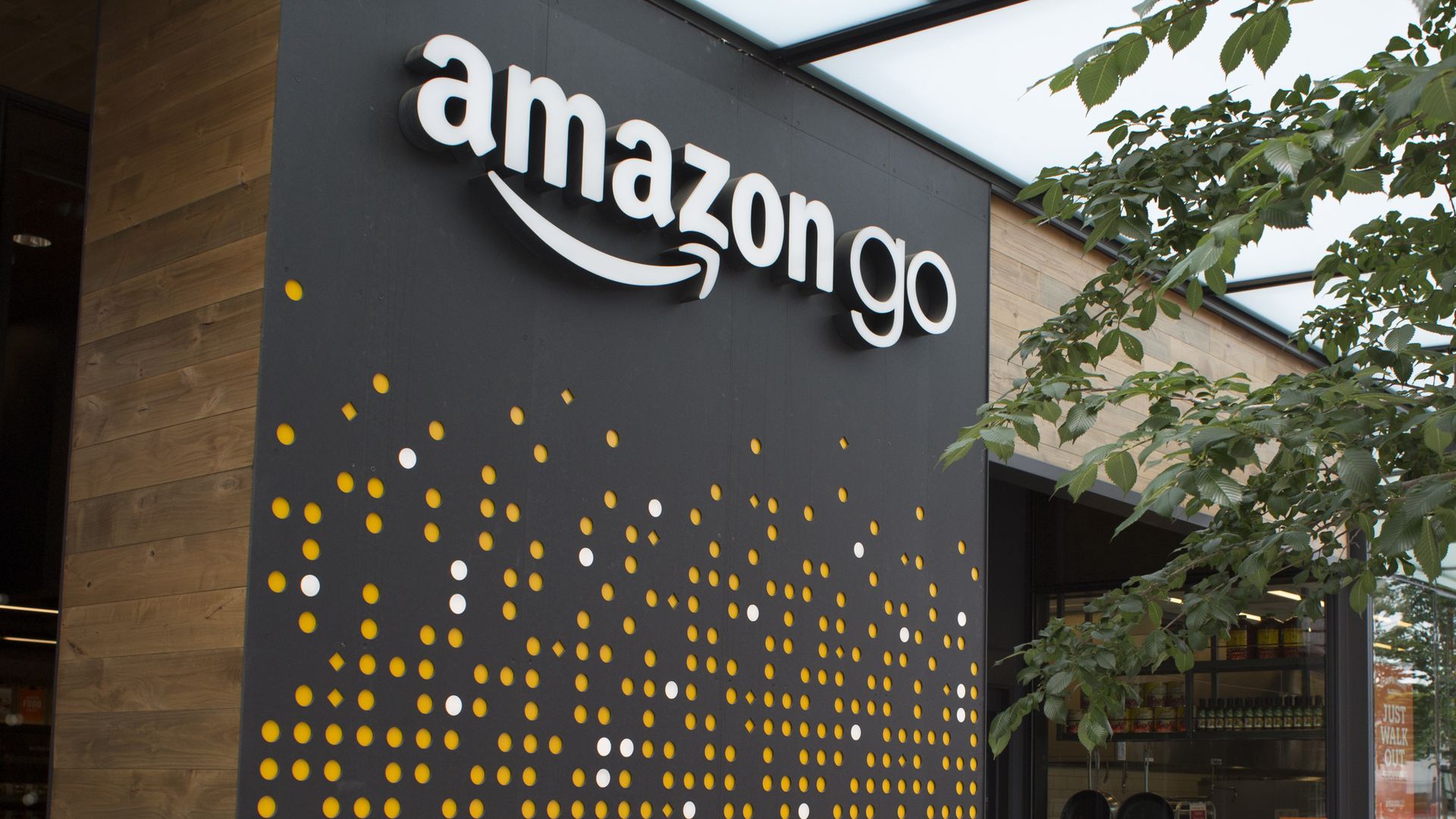
With the opening of its first large-format cashier-less grocery store in Seattle on Tuesday, Amazon is on its way to further expanding its physical footprint across U.S. cities.
The big picture: Amazon’s 2017 purchase of Whole Foods was never the end of its grocery ambitions — or its fight to win a bigger share of the whopping $700 billion per year American grocery industry. With its own network of stores, Amazon could attract shoppers looking for cheaper prices than Whole Foods and dramatically grow its brick-and-mortar reach.
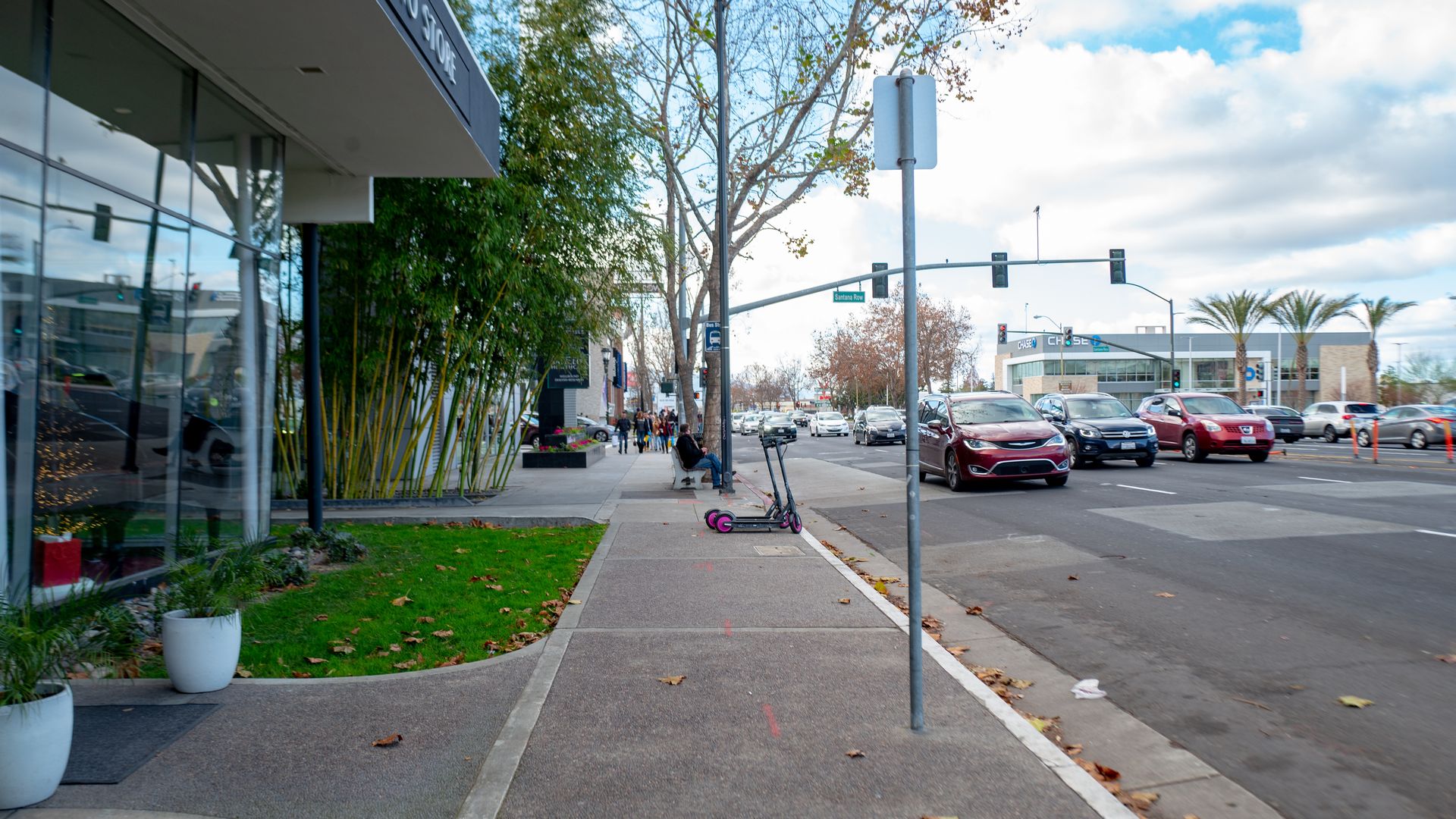
The San Jose City Council approved the first batch of community grants as part of the city's Digital Inclusion Fund intended to connect unserved residents to broadband.
Why it matters: The Digital Inclusion Fund was established a year ago during negotiations with 5G providers wanting to erect small cell antennas on city infrastructure. A portion of lease revenue collected from telecom companies goes into the fund — along with significant private funding — to help connect unserved residents.
Google is doubling down on investments in offices and data centers around the country, pledging Wednesday to spend $10 billion this year on top of the $13 billion in 2019 it spent expanding its footprint across the country.
The big picture: Google is growing its presence across the country as lawmakers and state attorneys general scrutinize its power.
Wall Street's two-day-old coronavirus crash is a wakeup alarm for Silicon Valley.
The big picture: Tech has been booming for so long the industry barely remembers what a down market feels like — and most companies are ill-prepared for one.
Keith Block is stepping down as co-CEO of Salesforce, leaving co-founder Marc Benioff as the sole chief executive of the company once again.
The big picture: Block, who joined the company in 2013 from Oracle, was promoted to co-CEO less than two years ago to give Benioff more time to focus on other interests. Block will stay on as an adviser to Benioff, the company said.
Meanwhile: Salesforce separately agreed Tuesday to buy Vlocity, which makes cloud-based apps that run on Salesforce's signature platform, for $1.33 billion.
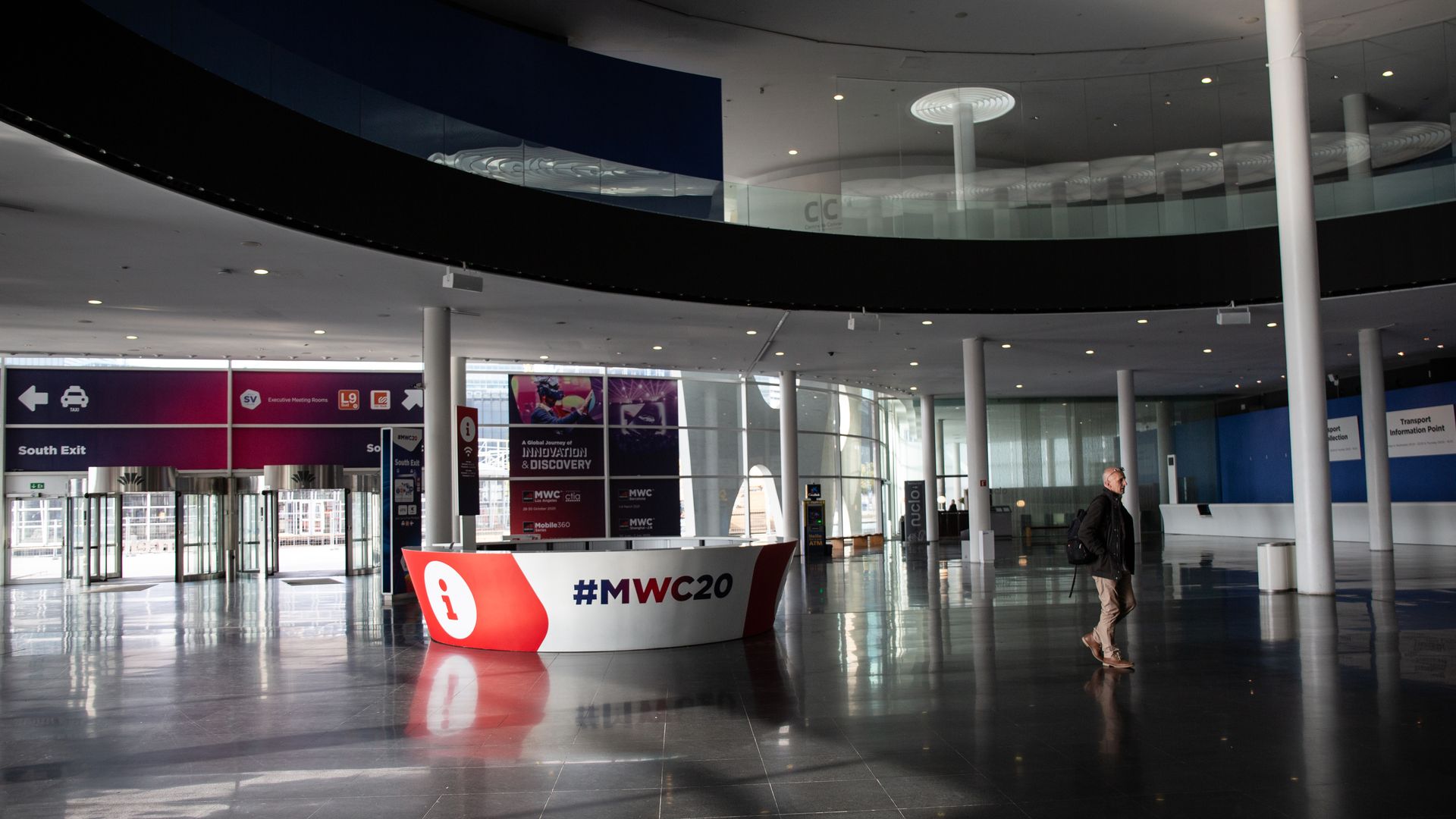
With the cancellation of Mobile World Congress, many tech companies now have lots of products to announce and no physical place to do it. The result has been a flurry of press releases and webcasts designed to replace planned in-person gatherings. In the last 24 hours or so, Intel, Sony and Huawei have all announced new products and components.
Why it matters: The show was to have been a key launching point for a number of products, including several high-end 5G-capable phones.
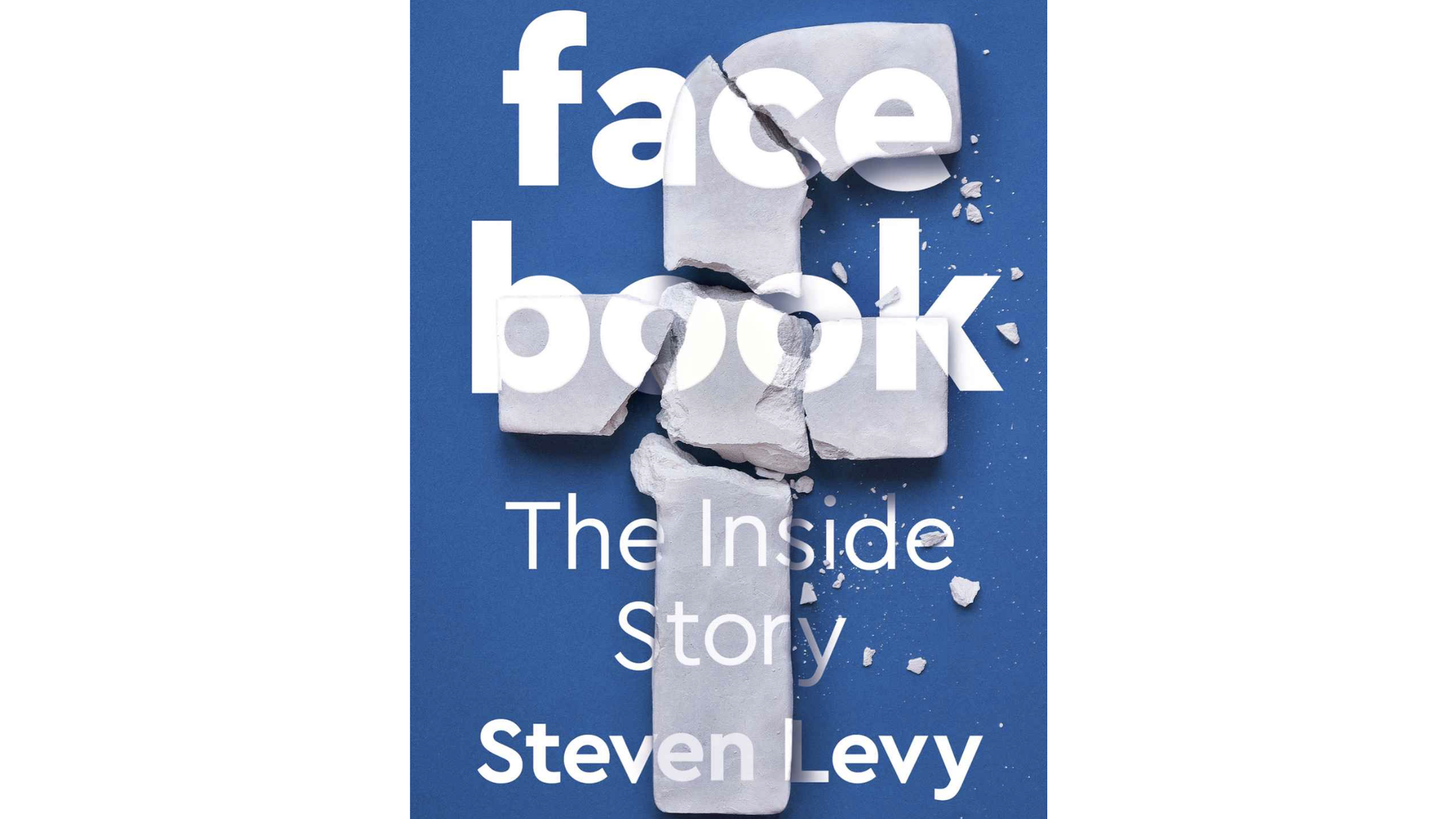
Tech writer Steven Levy's new book, "Facebook: The Inside Story,"goes on sale on Tuesday. He told Axios his reporting for the 583-page tome, which he started working on in 2015, took a dramatic turn after the Cambridge Analytica scandal and revelations following the 2016 election.
Why it matters: Since Levy already had a seat inside the company when its broader problems arose, he was on the frontlines as Facebook scrambled to address an onslaught of challenges posed by policymakers in Washington and elsewhere.
The backlash against Big Tech has long flourished among pundits and policymakers, but a new survey suggests it's beginning to show up in popular opinion as well.
Driving the news: New data from Edelman out Tuesday finds that trust in tech companies is declining and that people trust cutting-edge technologies like artificial intelligence less than they do the industry overall.
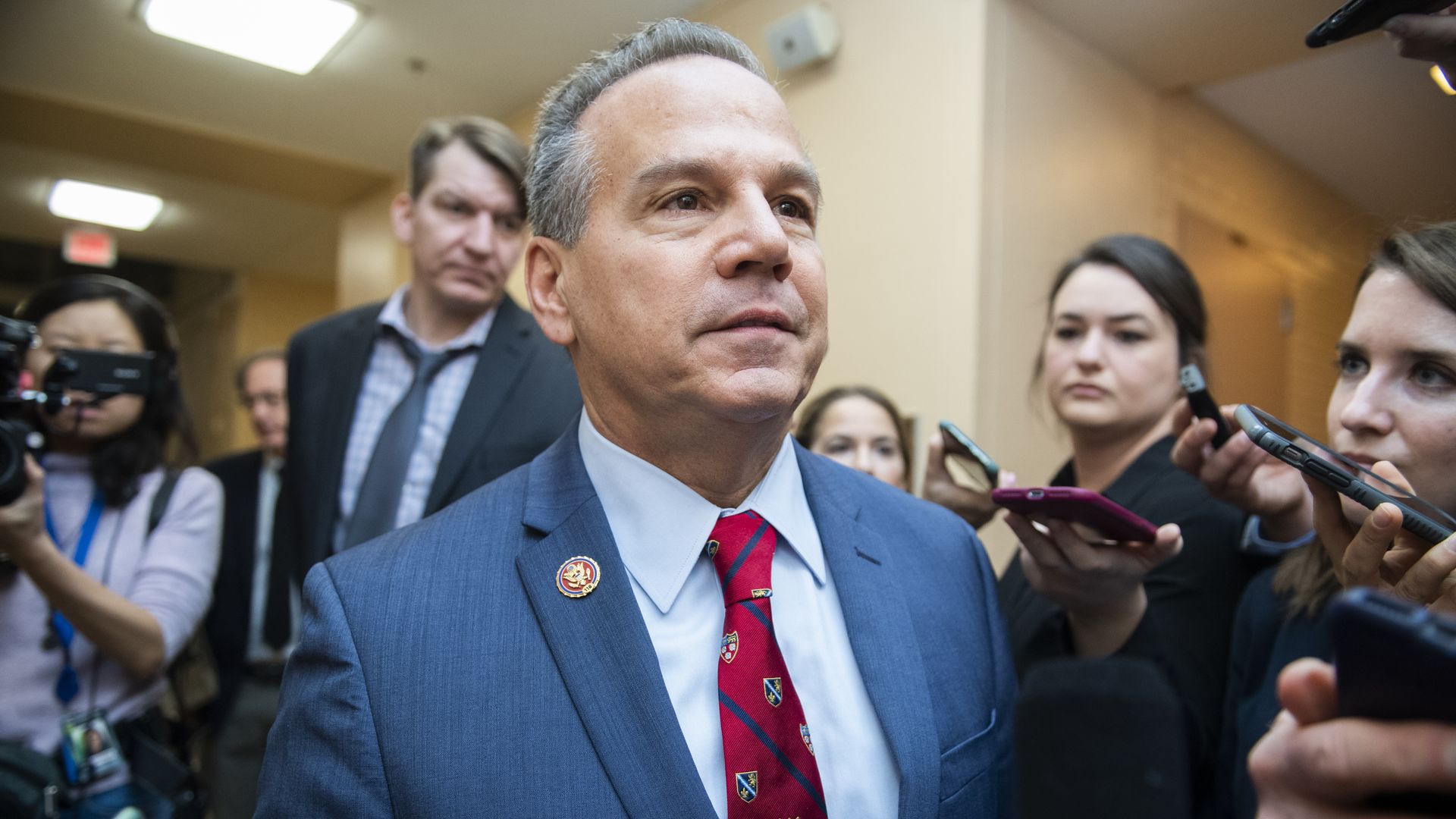
The chair of the House Judiciary antitrust subcommittee is preparing a bill that would remove liability protections from tech platforms that don't take down false political ads, Bloomberg Law reported Monday.
The big picture: Facebook's policy of not fact-checking political ads has angered Democrats, and tinkering with Section 230 of the Communications Decency Act, which immunizes internet platforms from lawsuits over user-posted material, has become an increasingly popular threat for lawmakers looking to bring Big Tech to heel.