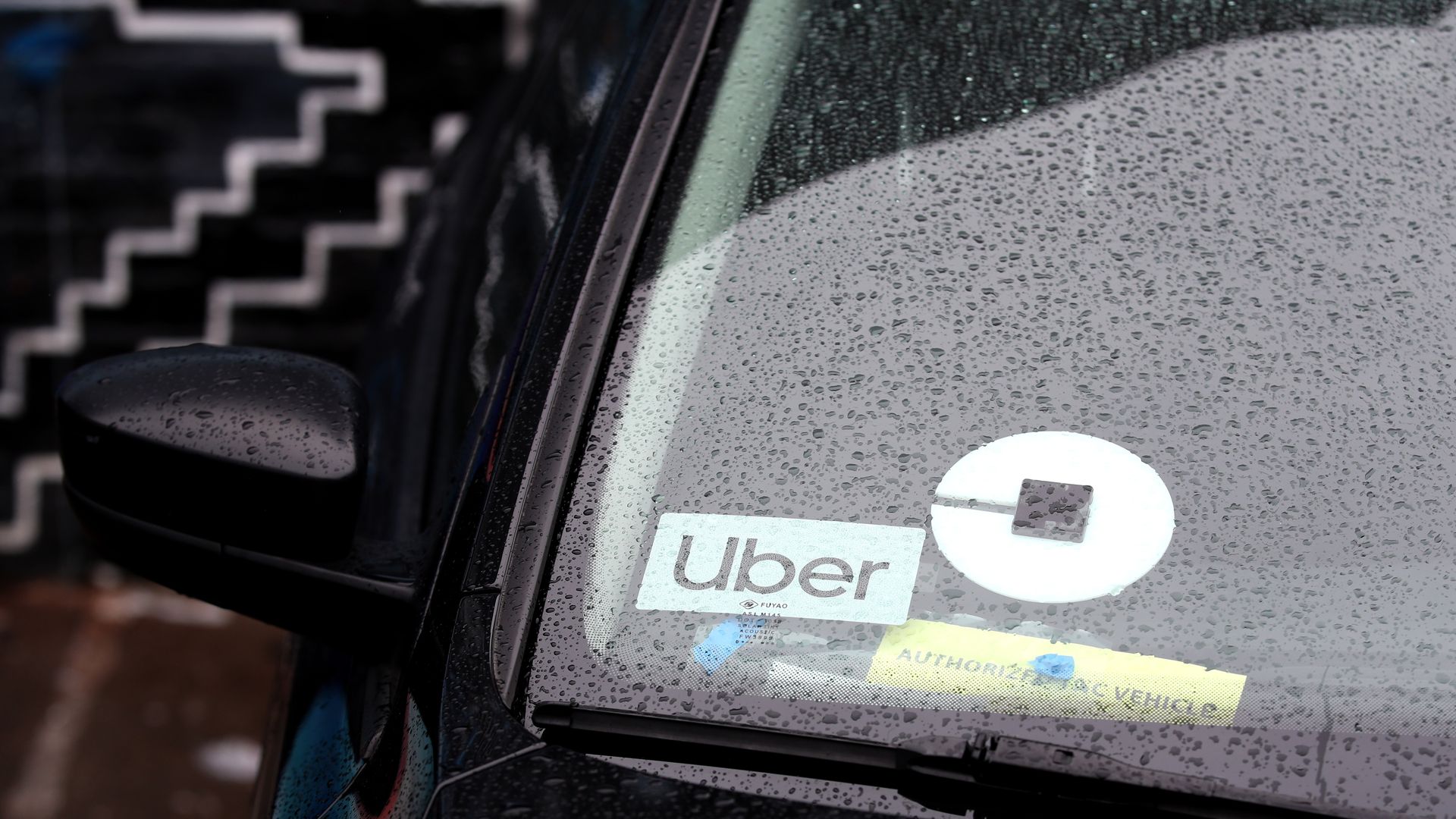
Uber will begin experimenting next week with a new pricing scheme in 10 U.S. cities aimed at shifting ride-hailing demand away from city centers — and making more off each ride that does originate in an urban core.
Why it matters: Uber, like its rival Lyft, is under pressure to show it can turn a profit, and drivers have long complained of falling or inconsistent earnings. The move could help address both concerns while also nodding to criticism that ride-sharing apps have exacerbated urban congestion.
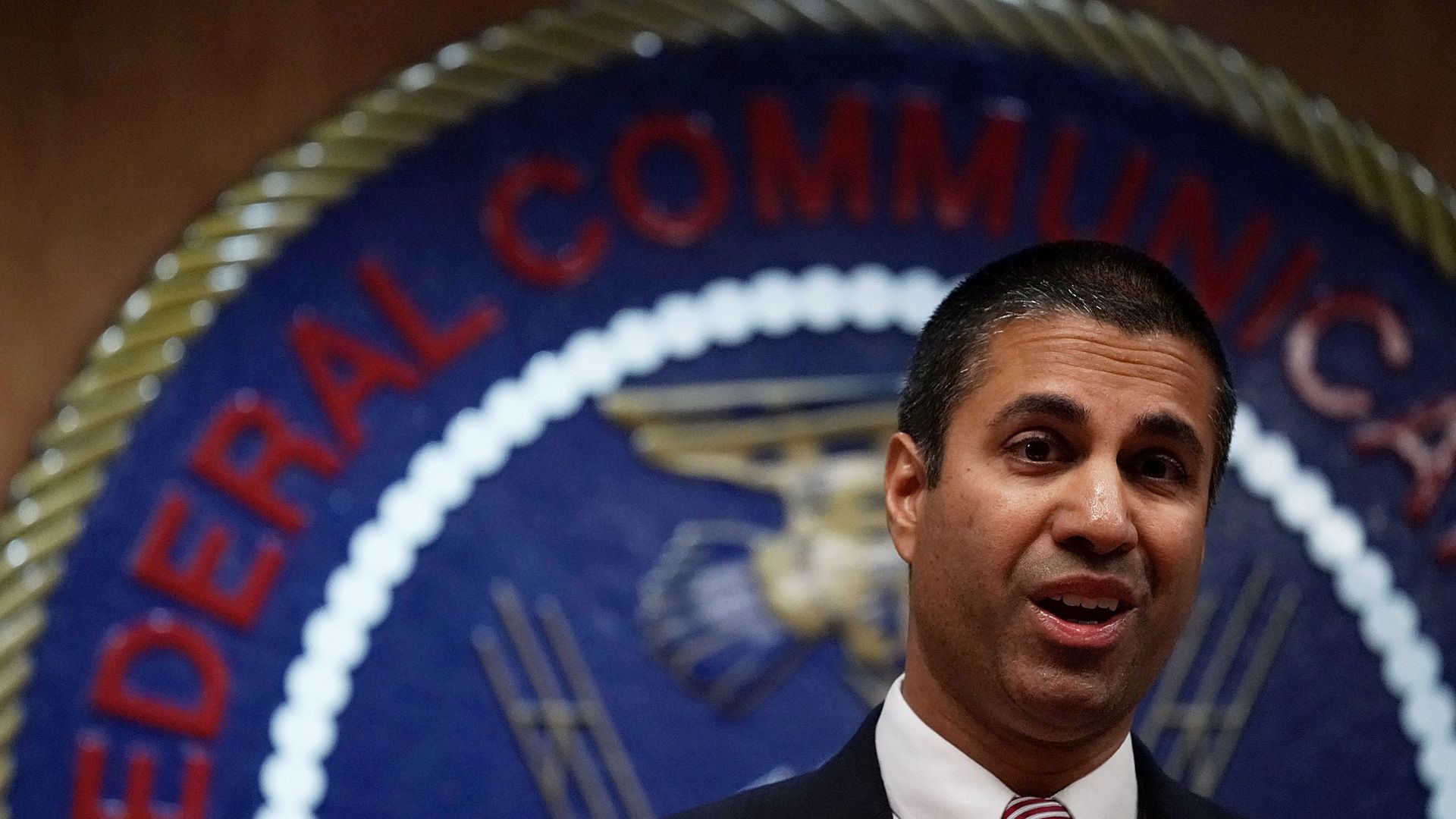
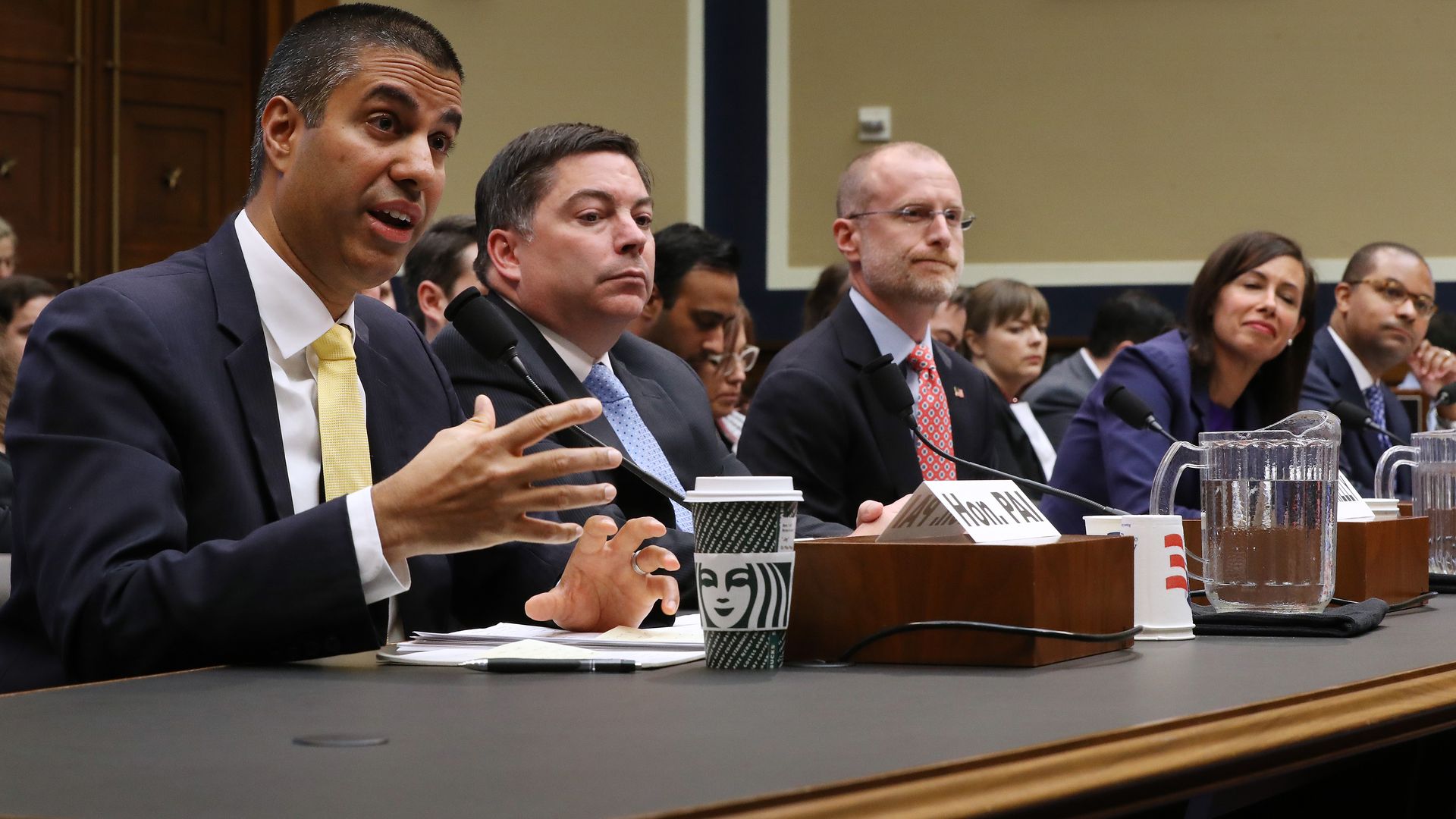
The Federal Communications Commission proposed fines totaling more than $200 million against the nation's biggest wireless carriers for sharing customers' location information with outside parties without proper safeguards, Chairman Ajit Pai said Friday.
Why it matters: The proposed penalties reflect the FCC's assessment that the carriers broke the law by sharing customers' real-time location data, which Motherboard reported made its way to bounty hunters in some cases.
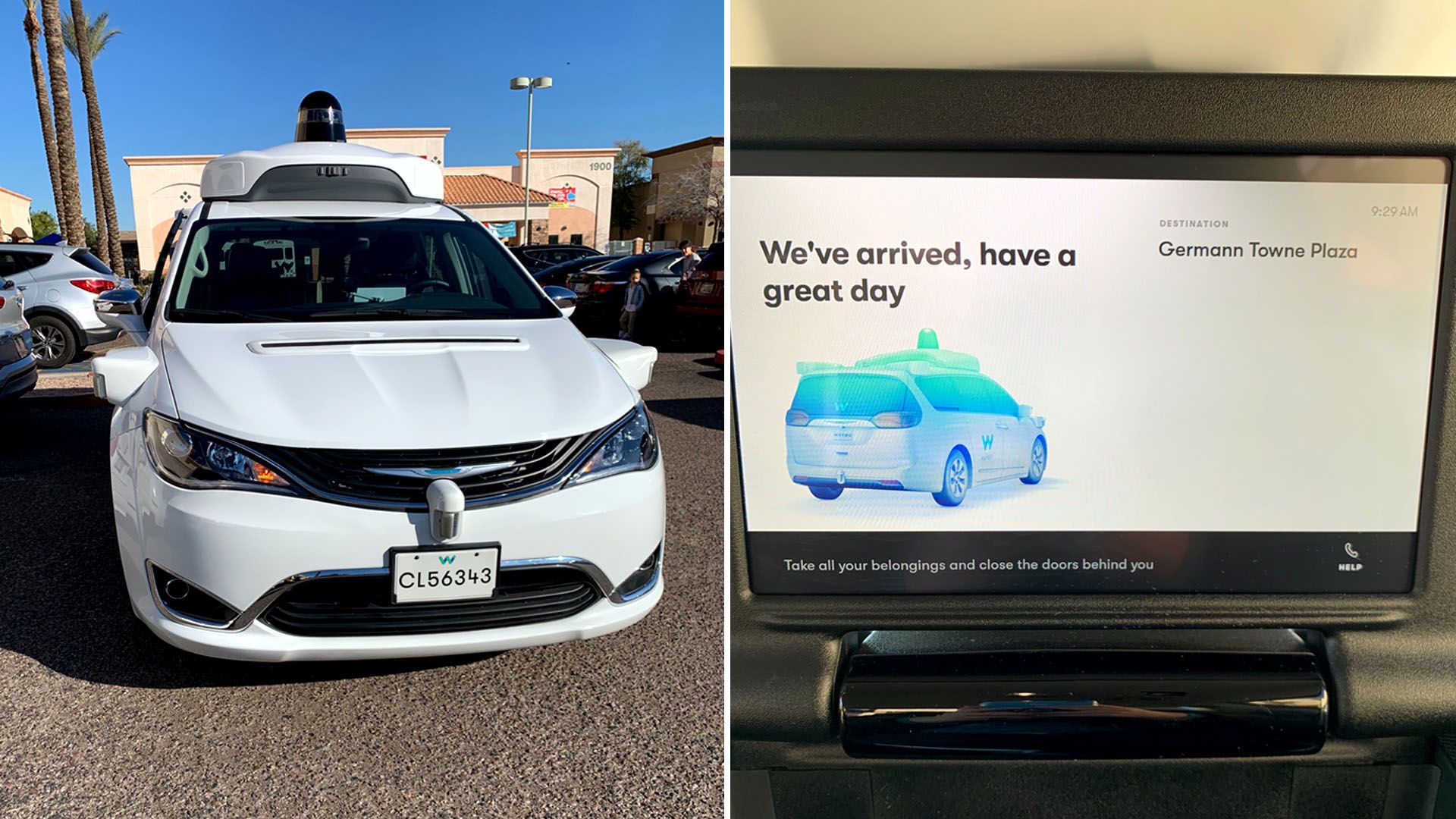
A ride in Waymo's driverless minivan is awe-inspiring, but also a reminder of how industry hype has skewed our expectations for self-driving cars.
Why it matters: Waymo is the first company to deploy automated vehicles on public roads without anyone behind the wheel, but all that means is they've crossed the starting line in the self-driving race.
Catholic leaders presented Pope Francis with a broad proposal for AI ethics, education and rights on Friday as part of an AI conference at the Vatican in Rome.
Why it matters: Algorithms are already starting to replace human decision-making, but ethicists and activists say now is the time to speak up on the values those algorithms should embody.
Wall Street has become fascinated with a battle over 5G airwaves at the Federal Communications Commission — not because of the next-generation technology itself, but because of the potential investment wins.
Why it matters: The twists and turns of the FCC's debate over a swath of satellite airwaves has put billions on the line and shows a divide between D.C. and Wall Street on how to think about 5G.
The FCC plans to propose fines against wireless carriers totaling roughly $200 million for improperly sharing customers' location information with outside parties, according to people familiar with the matter.
Why it matters: Lawmakers and others have been calling for agency action for over a year after revelations that location data from AT&T, T-Mobile and Sprint made its way to a resale market used by bounty hunters.
Facebook on Thursday sued OneAudience, a mobile data analytics company, for collecting data from its users beginning in September 2019.
Details: Facebook alleges that OneAudience plugged software development kits (SDK) — designed to scrape user data from its site as well as Google and Twitter — into shopping and gaming apps distributed through stores like Google Play.
The Federal Communications Commission is planning a field hearing in California following bipartisan pressure to get out of Washington and hear firsthand how last fall's wildfires affected communications networks in the state.
Why it matters: Power outages prompted by the fires brought cell sites down, interrupting wireless service for California residents. Policymakers hope informed guidance out of Washington could help minimize widespread outages next fire season.
Facebook has canceled its annual developer conference in San Jose, scheduled for May 5–6, due to concerns over the coronavirus, the company said on Thursday.
The big picture: Facebook's F8 is the latest tech conference to be canceled over these health concerns given the international nature of its attendees. Mobile World Congress, the annual confab in Barcelona, was also canceled, as was another small Facebook conference, while a number of major sponsors have pulled out of other events, like the RSA security conference and the Game Developers Conference in San Francisco.
As the tech industry weaves its products into the fabric of the physical world, it's also extending the insecurities and dangers of digital systems in perilous new ways.
Why it matters: Just as we're finally getting used to the idea of protecting our online accounts and data, we have to start thinking about the vulnerability of the spaces and objects around us to small acts of trickery and sabotage that mess with computers' heads.
More companies are saying publicly that disruptions caused by the coronavirus are hitting their bottom lines. Microsoft warned Wednesday that its personal computing unit, which includes Windows and Surface, will likely miss revenue expectations due to a slower-than-expected return to production after the Lunar New Year.
The big picture: Although Apple was the first big tech company to warn of a financial impact from the outbreak, most industry watchers said they expected the impact to be felt broadly across the industry, which depends heavily on China for manufacturing.
Facebook has hired the World Economic Forum's former head of technology policy, Zvika Krieger, as its new director of responsible innovation, Axios has learned.
Why it matters: In the wake of its many scandals and amid growing regulatory scrutiny, Facebook is looking to make sure it addresses ethical issues earlier in the design and engineering processes.
Two top Huawei U.S. executives are at the RSA Conference in San Francisco this week, hoping the crowd of security experts will be more receptive to its position than have been policymakers in Washington, where the Chinese giant has gotten an increasingly hostile reception.
The big picture: Huawei's business has been under all manner of attack from the U.S. government, from trade sanctions to criminal charges to efforts to persuade allies not to buy their gear.
A new analysis provides the latest evidence that the explosive growth of ride-hailing services like Uber and Lyft is making it harder to fight CO2 emissions from transportation.
Driving the news: The Union of Concerned Scientists studied the triple-whammy of trips replacing climate-friendly transit, inducing new travel and "deadhead" miles — that is, when ride-hailing vehicles move without passengers.