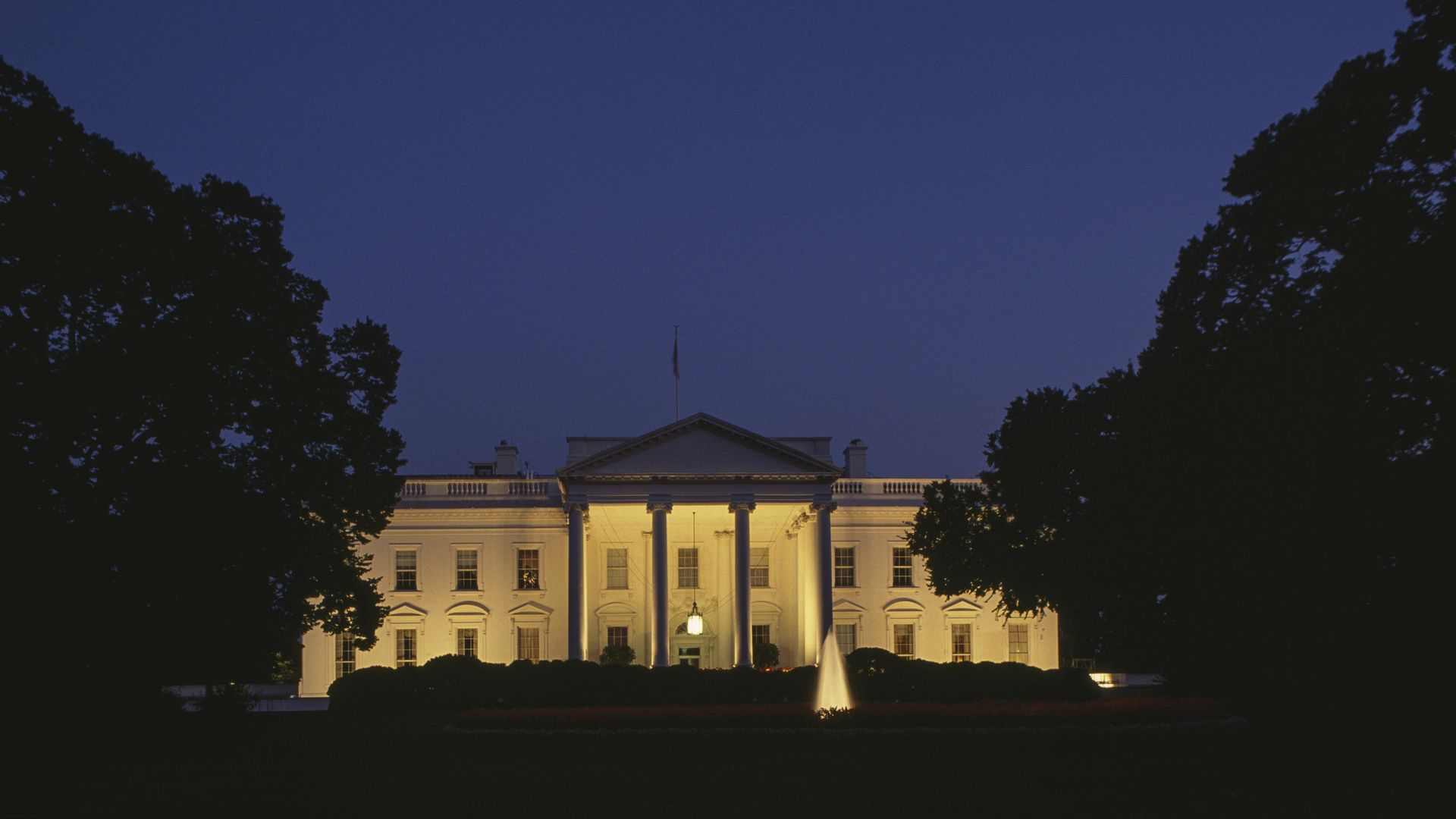
The Trump administration wants to double federal spending on R&D for artificial intelligence and quantum computing over the next two years.
Why it matters: AI and quantum computing have the potential to upend everything from labor markets to civil liberties to encryption, and some policymakers and industry players say American leadership is needed on both fronts to stave off economic and technological threats from other countries, particularly China.
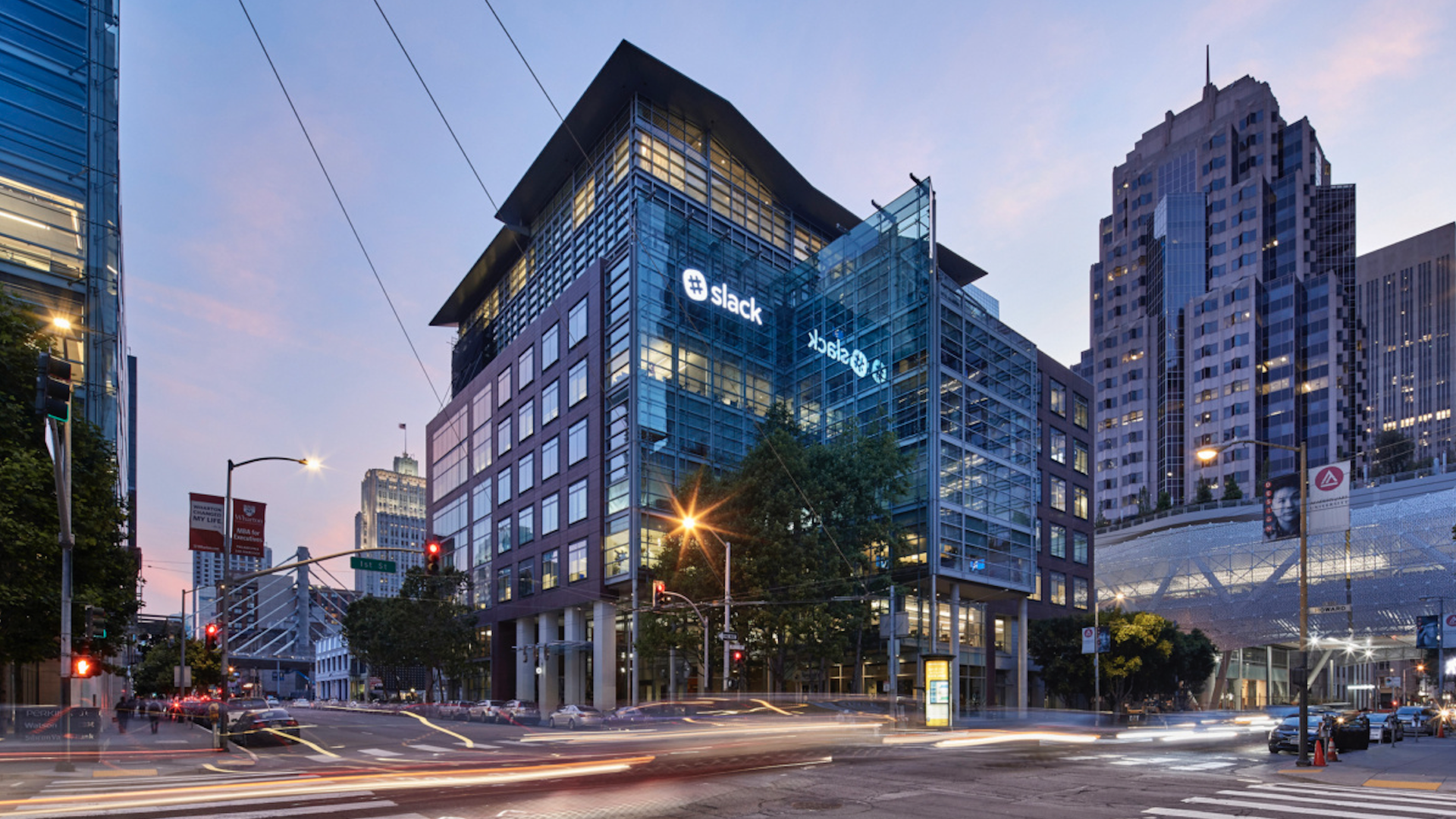
Slack shares soared and trading in the workplace collaboration company was briefly halted on Monday, after a report stating the company had landed IBM as its biggest-ever customer.
Yes, but: The thing is, IBM was already Slack's largest customer and has been for a couple of years. In an SEC filing, Slack said IBM has been adding additional Slack licenses over time and that it is not changing its financial forecast for the current quarter.
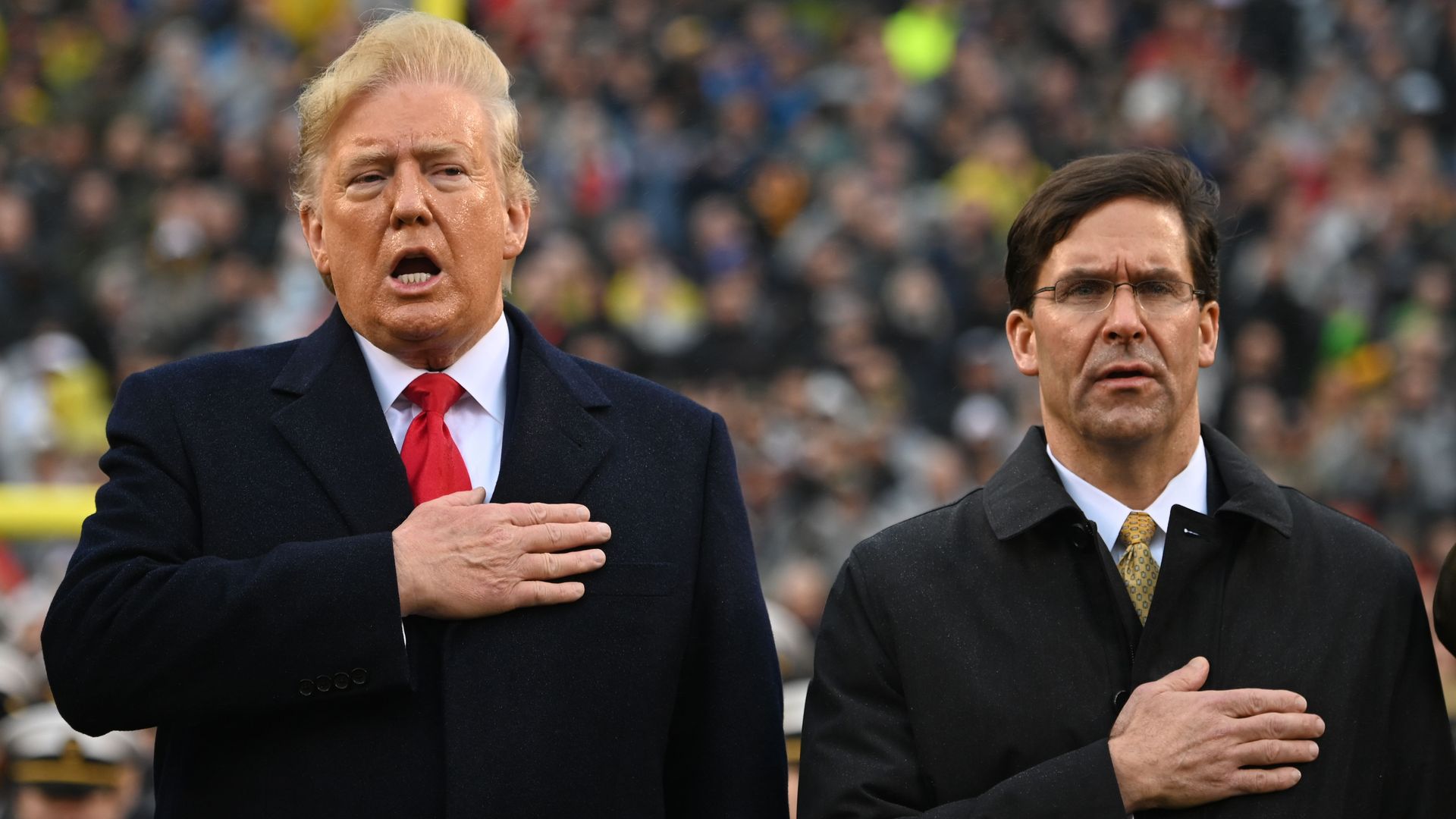
Amazon wants to depose President Trump, Defense Secretary Mark Esper and former Defense Secretary James Mattis as part of its lawsuit against the Pentagon for granting a $10 billion cloud computing contract to Microsoft, court documents filed on Monday show.
Why it matters: Amazon claims the decision last year to hand Microsoft a $10 billion contract for the Joint Enterprise Defense Infrastructure (JEDI) was influenced by Trump, who has repeatedly and publicly taken shots at Amazon and its owner Jeff Bezos.
Russian President Vladimir Putin is considering ways to limit access to YouTube within Russia, where it's become a crucial platform for his critics and a popular source for news. Dan digs in with Axios World editor David Lawler.
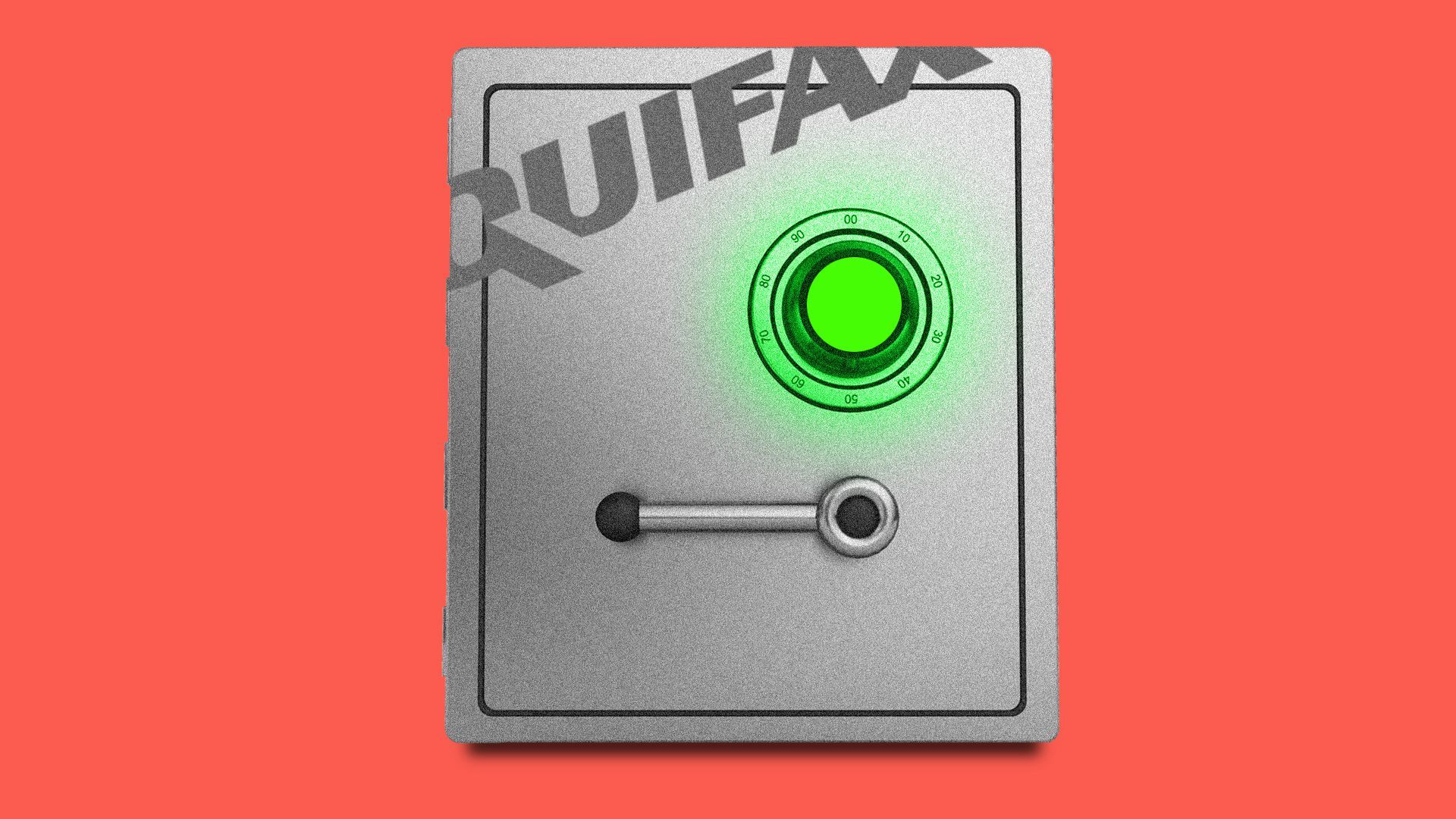
The Justice Department announced Monday that it indicted four members of China's military in relation to the 2017 Equifax data breach that compromised the data of more than 147 million Americans.
Why it matters: The announcement comes at a fraught time for U.S.-China relations — just weeks after the signing of a critical "phase one" trade deal that ratcheted down economic tension between the two nations — and marks only the second time that the U.S. government has charged Chinese military hackers.
Samsung just couldn't wait until Tuesday's Unpacked event to show off its new foldable smartphone. The company used a commercial during the Oscars to tease the new phone, which has already been widely leaked.
The big picture: Foldables, led by the original Galaxy Fold and Motorola's Razr, are the current novelty of the smartphone market.
People warning about the potentially chilling collision of big data sets and emerging technologies can now point to Clearview, the secretive facial recognition startup that scraped images from some of the largest public internet sites to create a database now used by hundreds of law enforcement agencies across the country.
Why it matters: Facial recognition tools have already raised privacy concerns in the U.S. and abroad, particularly when they're used by government, but the controversy over Clearview has shown that both industry and law enforcement are moving faster than the debate.
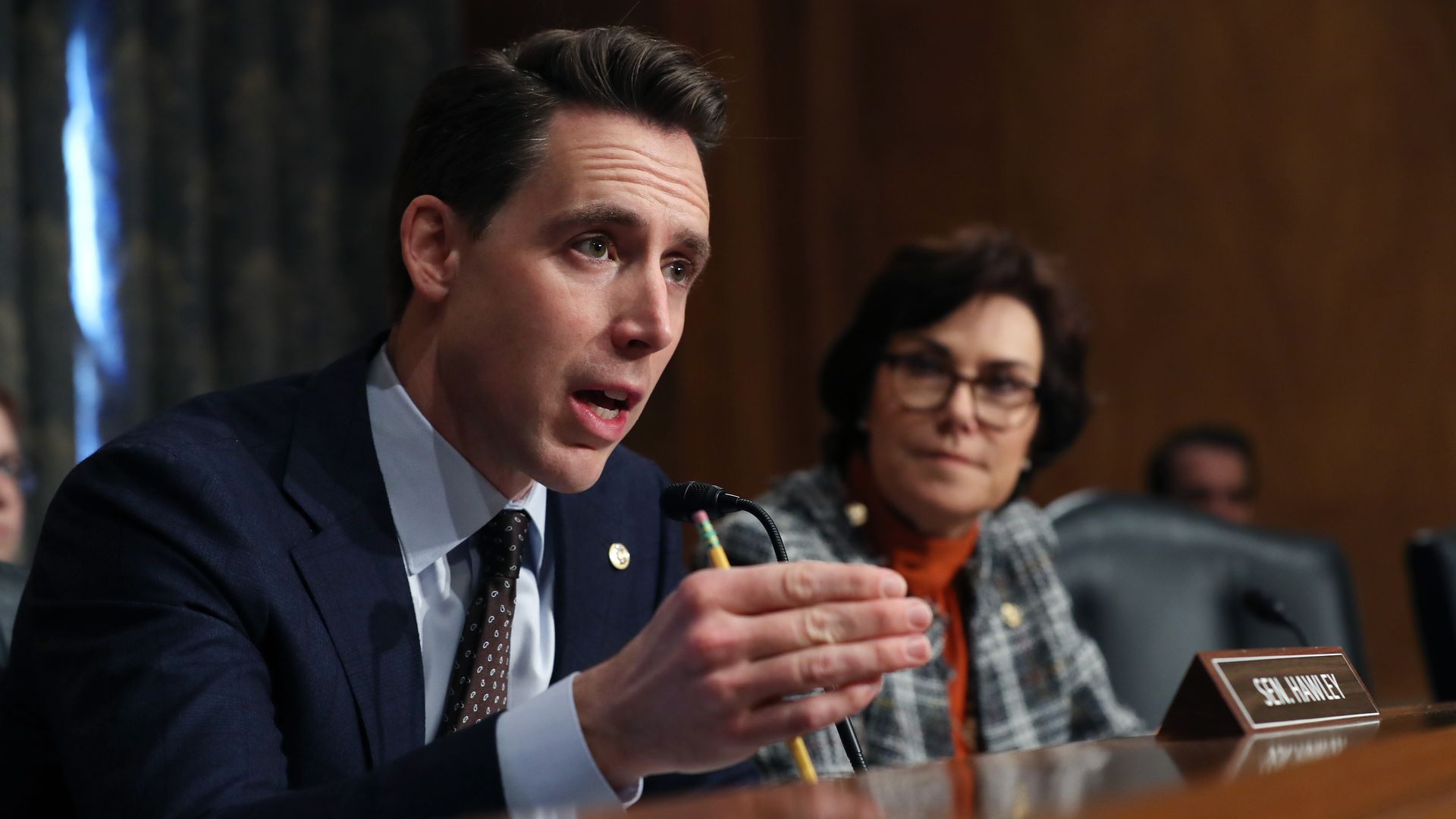
GOP Sen. Josh Hawley's frustration with the FTC's policing of the tech industry has prompted him to propose taking the more-than-100-year-old agency off of merger reviews and turning what remains into a wing of the Justice Department.
The big picture: The FTC has been under fire from both Republicans and Democrats calling for tougher action on Big Tech; Hawley's pitch is to hand the agency's competition authority to the DOJ's antitrust division so that a reimagined FTC could hone its focus on privacy and other digital issues.