Axios Cities reporter Kim Hart hosts conversations on AI, the internet of things and the future of smart cities with co-chairs of the Congressional Smart Cities Caucus Rep. Susan Brooks (R-Ind.) and Rep. Yvette Clarke (D-N.Y.), Jeff Marootian of the Washington, D.C. Department of Transportation and Kim Nelson, an executive director at Microsoft.
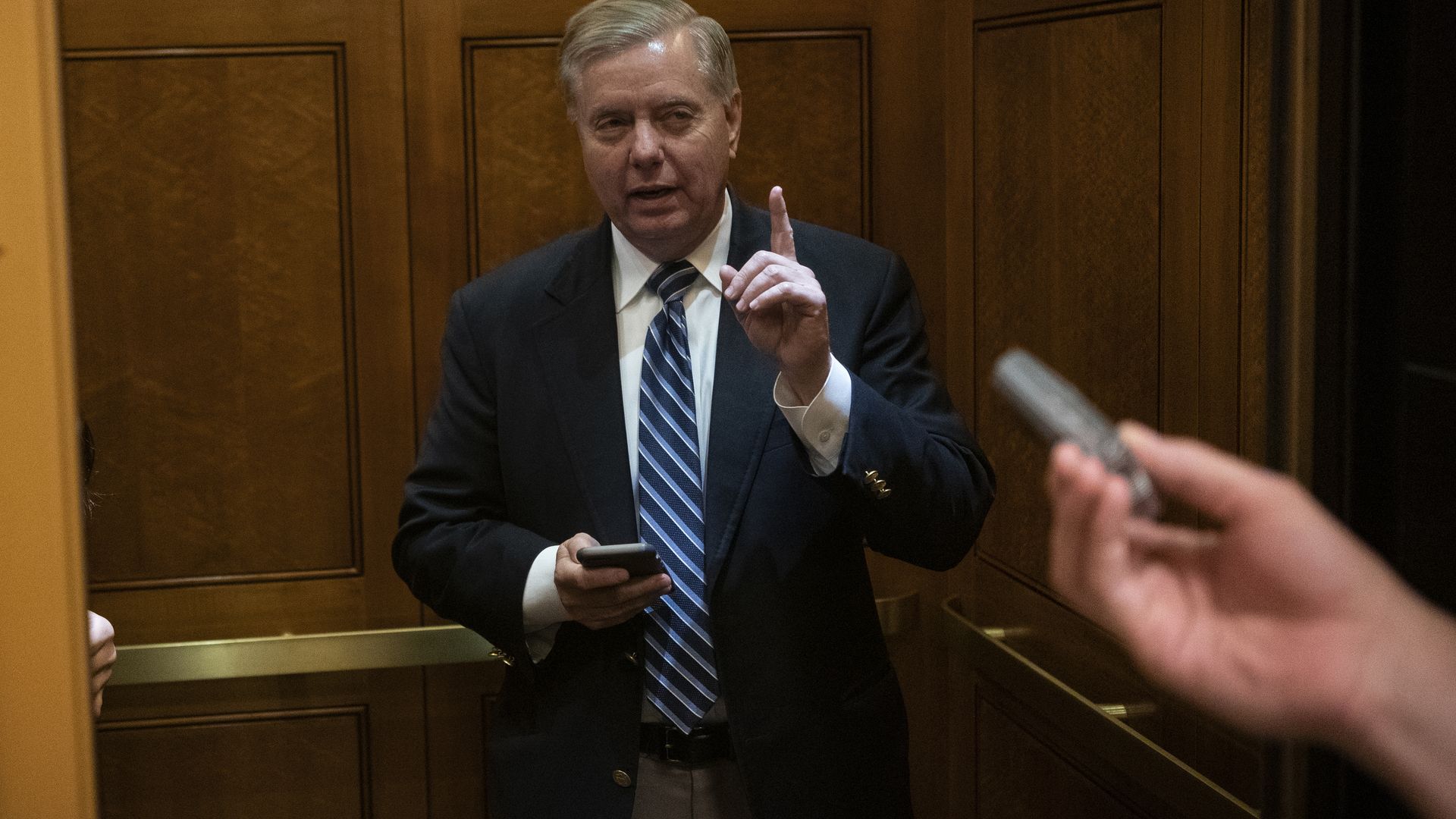
The long-running fight over encryption looked set to enter a hot new phase Tuesday as representatives of Apple and Facebook took a grilling from members of the Senate Judiciary Committee, while Facebook sent a letter to Attorney General Bill Barr saying it won't accede to government pressure to add "back doors" to its products.
Why it matters: Encryption is increasingly baked into tech devices and communications platforms. That enhances personal privacy — but law enforcement authorities have long maintained that it also harms their ability to apprehend criminals, terrorists and child abusers.
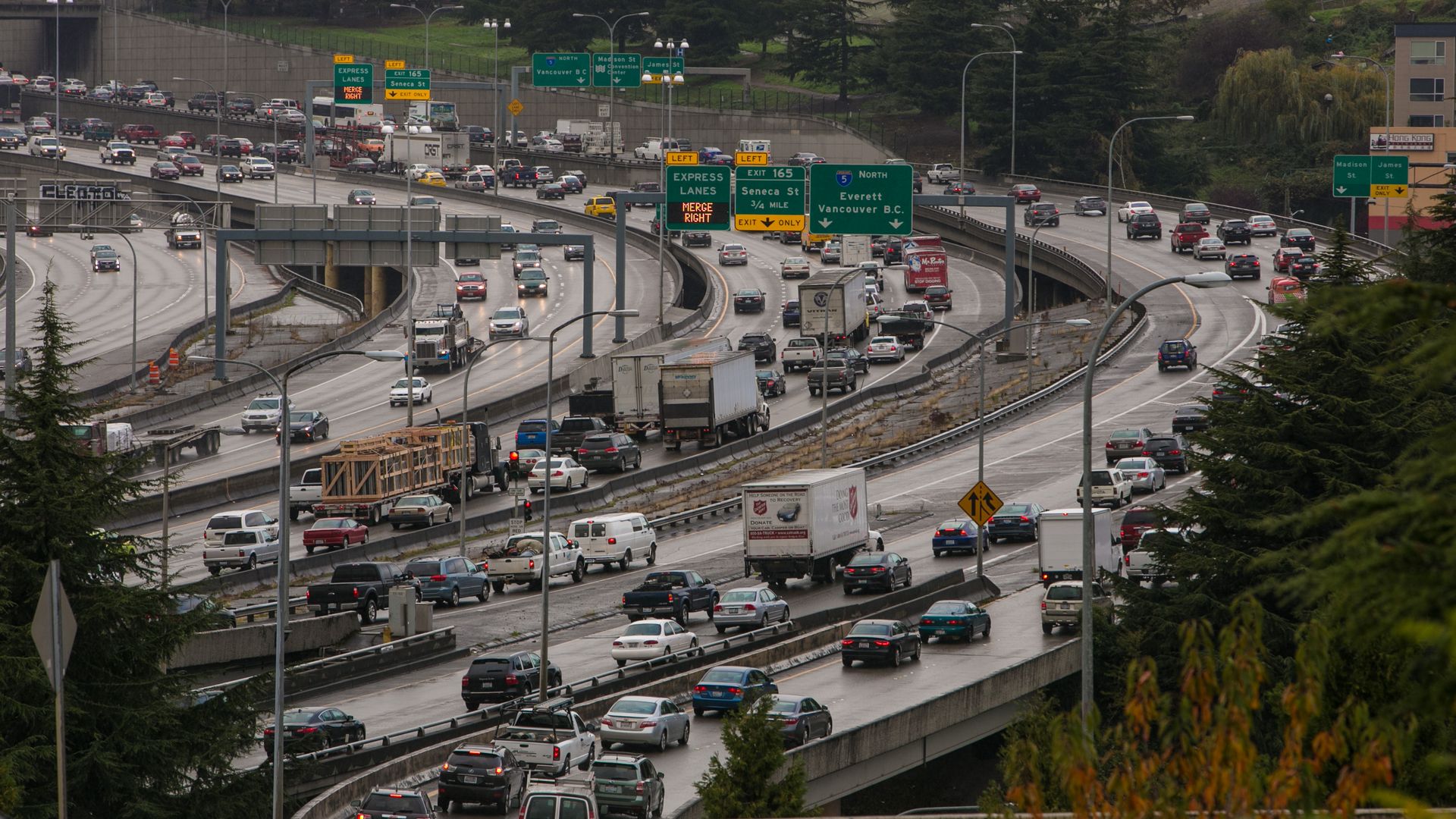
Ford and Microsoft have figured out how to leverage quantum computing — the powerful but not yet commercialized technology — to tackle traffic in Seattle.
Why it matters: By running quantum-inspired algorithms on conventional computer hardware, companies can process more data, giving them a head start on solving complex problems like how to direct thousands of vehicles simultaneously to smooth traffic flow.
The official Twitter account for the state of New Jersey has been blowing up the internet over the past few weeks.
What's happening: The account tweets important government information alongside a witty mix of New Jersey inside jokes about good pizza and central New Jersey.
Pete Buttigieg and President Trump are going head to head in Snapchat ad spend, according to data pulled from Snapchat's public ads library provided by social analytics company Storyful.
Why it matters: While the spend on Snapchat is dwarfed by the millions spent by Democratic candidates on Facebook and Google ads, the data provides an insight into how candidates are targeting young and first-time voters ahead of the 2020 presidential election.
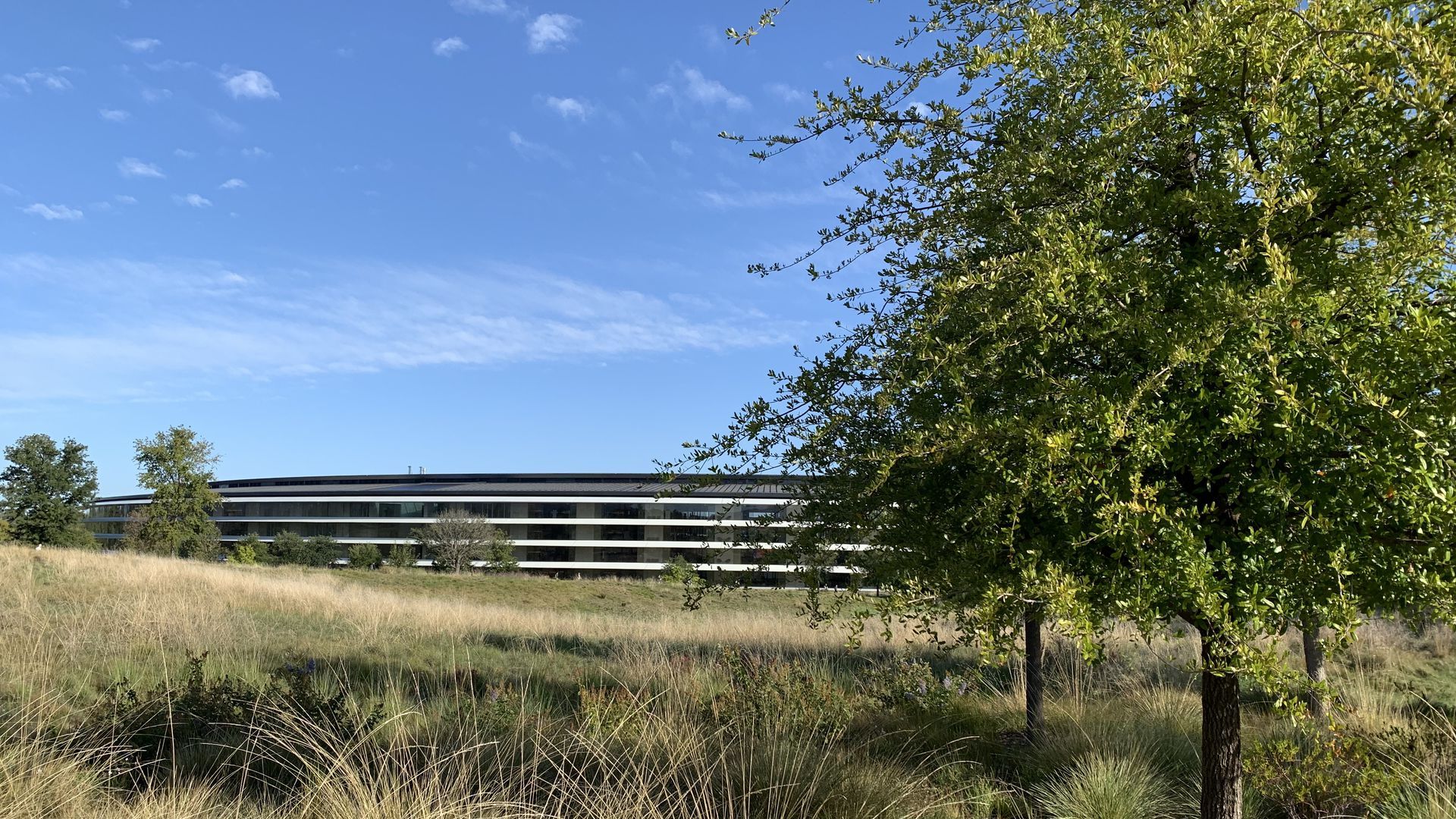
Apple is suing a former employee who started Nuvia, a server chip startup that has hired at least 8 former Apple workers.
Why it matters: The suit is already bringing forth unusual disclosures from inside the secretive tech giant, including allegations Apple illegally searched its former employees' private text messages.
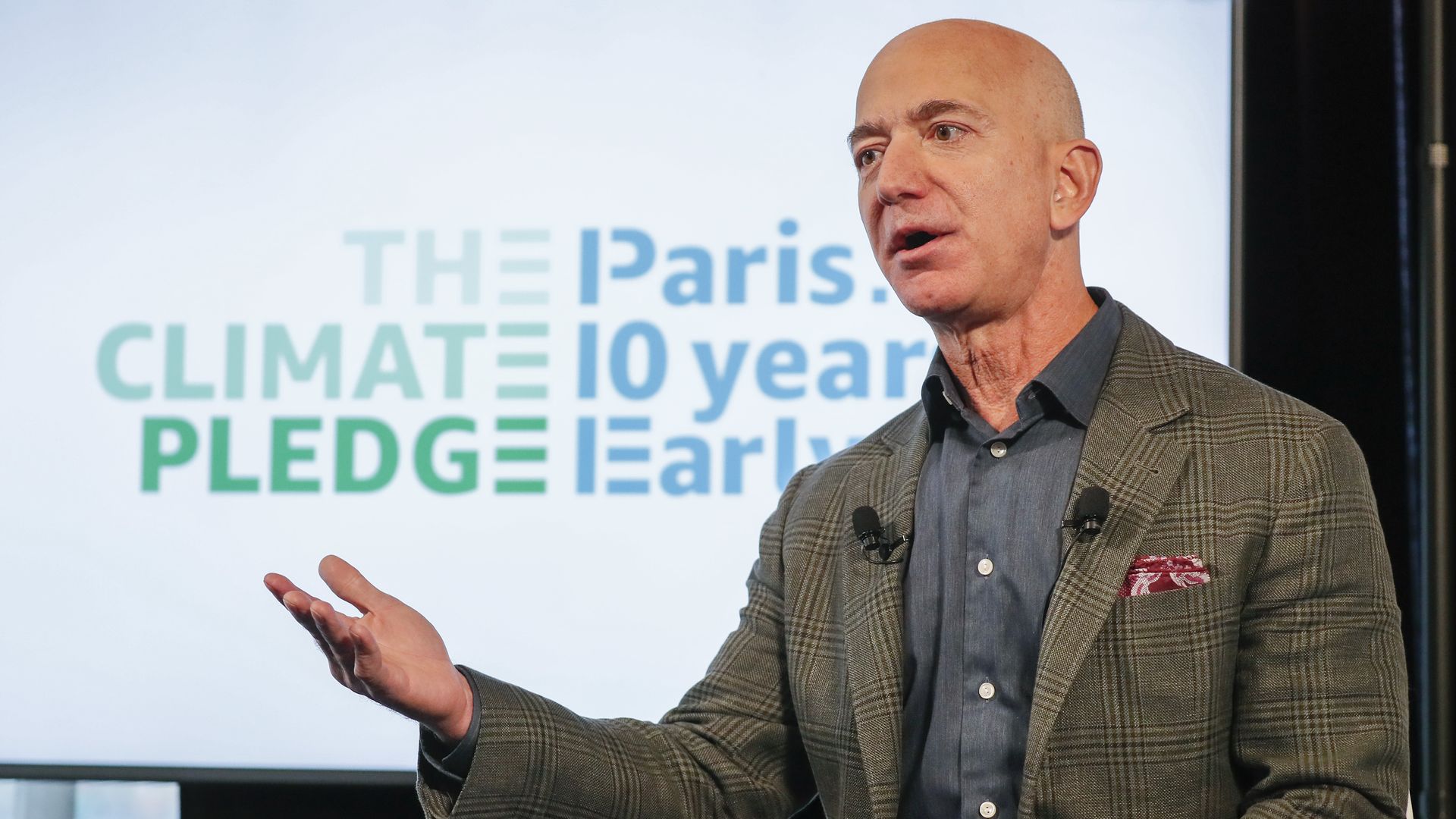
Amazon Web Services — which is suing the Pentagon after it selected Microsoft for a massive cloud computing contract — has filed a complaint alleging that President Trump pressured the agency to keep the $10 billion JEDI contract from Amazon and Jeff Bezos.
The big picture: The contract has become a flash point between Amazon and Trump, who has singled out the tech giant and mentioned the JEDI contract in tweets and private conversations. The complaint alleges that Trump “launched repeated public and behind-the-scenes attacks" to steer the contract away from "his perceived political enemy," Jeff Bezos.
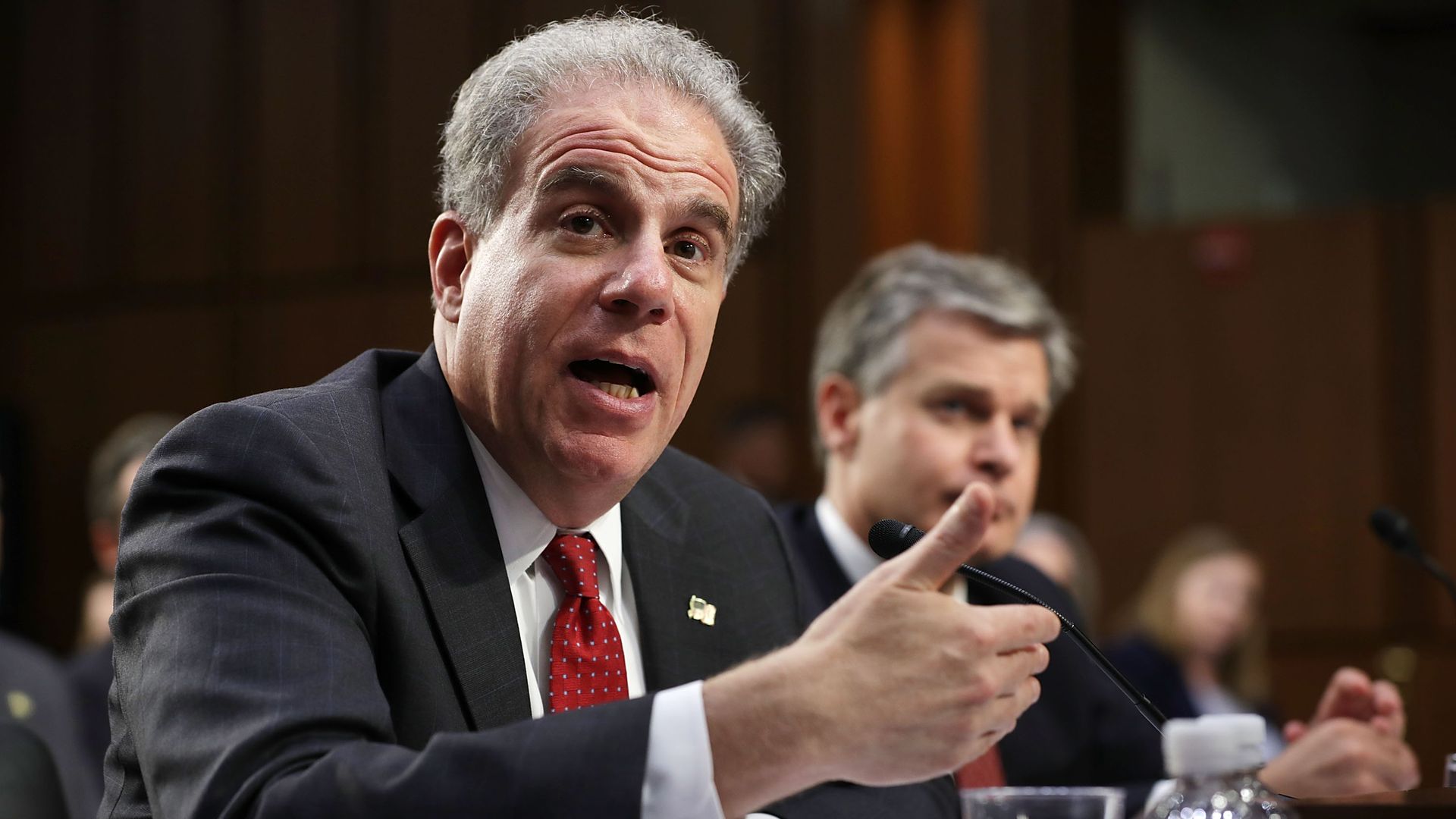
In his long-awaited report into the origins of the 2016 Russia probe, Justice Department Inspector General Michael Horowitz found "serious performance failures" by some FBI officials, but ultimately concluded that the investigation was not tainted by political bias.
Why it matters: President Trump and his allies have long believed that Horowitz would find bias and wrongdoing at the top ranks of the FBI, advancing allegations that the Russia investigation was a politically motivated hit job. While Horowitz does rebuke some low-level officials for carelessness and impropriety while filing surveillance applications, his report ultimately concludes that the basis for the FBI's investigation was legitimate.
Netflix is leading the pack in 2020 Golden Globe nominations for both television and film, marking the first time the same company has led in both categories.
Why it matters: It's become the new normal that streaming companies like Netflix, Amazon or Hulu have an outsized presence at awards ceremonies for their major investments in original content.
Uber has issued its first-ever safety report, which discloses that there were over 3,000 sexual assaults during rides in 2018. Dan digs in with the New York Times' Mike Isaac on what the disclosure means for riders, Uber and the future of transportation.
The success of T-Mobile's long-fought-for bid to acquire Sprint is about to come down to whether a federal judge believes that the deal will boost or harm competition.
Why it matters: The FCC has approved the deal and the Justice Department has settled with the companies, leaving this case, in which 14 state attorneys general have sued to block the merger, as the primary remaining obstacle.
Without getting billions in tax write-offs or a signature helipad for CEO Jeff Bezos, Amazon announced it had signed a new lease for 335,000 square feet of real estate in the developing Hudson Yards neighborhood of Manhattan.
What's happening: The company said the building will be home to 1,500 employees, and represents "Amazon’s largest expansion in New York since the company stunned the city by abandoning plans to locate its second headquarters" there, WSJ's Keiko Morris reported Friday.