More than 150 Facebook pages targeting American soldiers and veterans — with a total reach of more than 32 million people — dealt lies and propaganda for years, many while soliciting donations, according to a new investigation from a leading veterans' group.
What's happening: About a third of these pages and groups, mostly controlled from overseas, were taken down after they were reported to Facebook. Others remain up, gathering followers and sowing divisions — and illustrating the failure of social networks and law enforcement to curb online disinformation.
Facebook is putting flesh on its plan to create an independent content moderation review board with the release Tuesday of a final charter for the body.
Why it matters: As controversies over hate speech, misinformation and privacy multiply, CEO Mark Zuckerberg has poured energy and resources into the plan for a "Facebook Supreme Court." The company hopes the oversight board will help it better navigate its quasi-national role — and deliver more consistent decisions about what kinds of expression are acceptable on its platform.
The United States filed a lawsuit Tuesday against former CIA employee and NSA contractor Edward Snowden alleging his memoir violates non-disclosure disagreements.
The lawsuit argues Snowden did not allow the agencies to review his book before publication, as had been required by a signed agreement. While the lawsuit will not attempt to stop publication of Snowden's book book, Permanent Record, it does seek to recover all proceeds earned by Snowden because of the violation.
The web's trade organization, the Internet Association, became the latest industry group to urge Congress to pass a national privacy law.
Why it matters: Industry organizations, individual companies and consumer groups all say they want privacy legislation. They probably vary in what they would like to see in such legislation, but there could well be room for something that all could get behind.
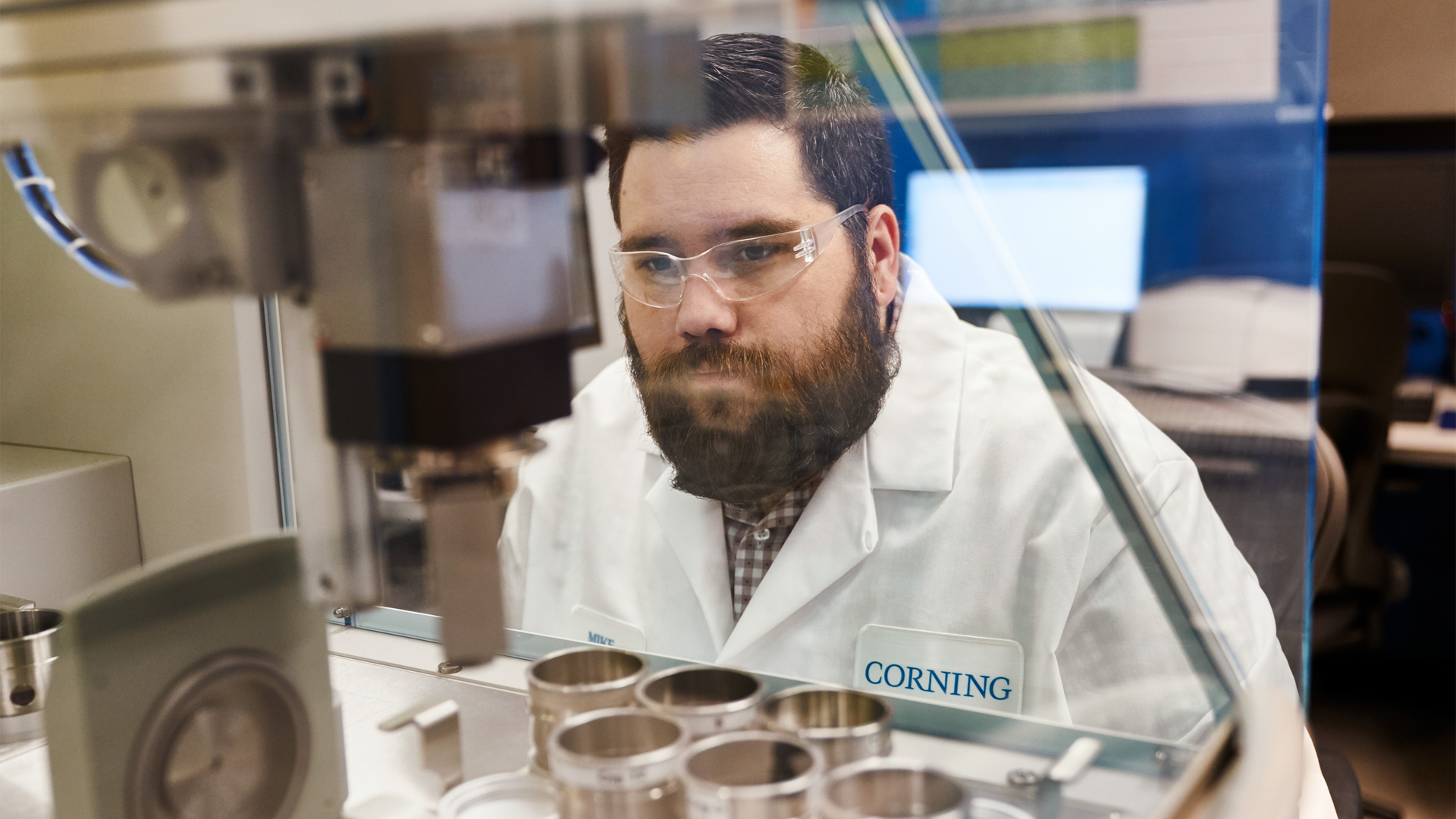
Apple said Tuesday it is awarding key supplier Corning with $250 million from the company's $5 billion Advanced Manufacturing Fund, designed to invest in U.S.-based companies that make parts for the company.
Why it matters: The move aims to help Corning with the massive R&D expense of coming up with ever stronger glass to go on the outside of the iPhone, Apple Watch and other products. The latest deal comes on top of $200 million Apple put into Corning in 2017.
As investigations into tech giants' possible anti-competitive behavior multiply, authorities are beginning to tussle over turf — adding a new potential for discord to the regulatory chess game.
Why it matters: These probes are legally complex and historically difficult to pull off. There's bipartisan support right now for checking Big Tech's power, but the companies have enormous resources and remain popular, and fighting among regulators can only hamper their work.
Bill Gates, in an interview about a Bill & Melinda Gates Foundation report on global inequality that's out Tuesday, told Axios that gender inequality cuts across every single country on earth — a shortfall that unites the U.S. and the developing world.
What he's saying: "The developed world hasn't fully solved the problem, and yet we know it's important and we know we need to work on it," Gates said by phone. "The gender issues are much worse as you get down into these poor countries."

Bill Gates, who donated $2 million to the MIT Media Lab at the request of pedophile Jeffrey Epstein, told Axios on Monday: "I wish I hadn't met with him."
The big picture: The donation was made in 2014, after Epstein pleaded guilty in 2008 to two state charges of soliciting a minor for prostitution. MIT Media Lab director Joi Ito resigned Sept. 7 after the extent of his involvement with Epstein was revealed.
Netflix on Monday finalized a 5-year contract for the streaming rights of Sony Pictures Television's sitcom "Seinfeld" beginning in 2021.
Why it matters: Landing the 180-episode series is a win for Netflix, which recently lost streaming rights to fan favorite sitcoms "Friends" and "The Office." Terms of the transaction were not disclosed, but the rights are for worldwide distribution, the Los Angeles Times first reported.
Google is expected to debut its latest homegrown hardware, including the widely leaked Pixel 4, at a just-announced Oct. 15 event in New York.
Why it matters: Fall is the key season for consumer electronics debuts, coming just ahead of the holidays. Apple and Samsung have already launched their latest, debuting the iPhone 11 family and Galaxy Note 10, respectively.

Grant for the Web, a group funded by the Mozilla Foundation, Coil and Creative Commons, announced on Monday $100 million in funding to innovate new ways to monetize online content without using user behavior for advertising.
Why it matters: At present, the most sustainable way for a website to draw revenue from its content involves promoting advertisements based on detailed assessments of user behavior. Though that's a strategy many find to be a violation of privacy, there aren't other options available.
You wouldn't have known it from the summer heat this weekend in the Bay Area, but Silicon Valley's fall hardware season is upon us in full force — with giant companies scrambling to seize a bigger slice of the consumer electronics pie even as the pie itself isn't growing as fast as it used to.
Why it matters: The winter holidays remain the biggest shopping season and consumer electronics are always a hot category, including TVs, smartphones and other gadgets. However, the mix of how much consumer spending goes to each category can vary significantly from year to year.