As America confronts a mass shooting crisis, schools are increasingly having to balance proactivity on potential school shooters vs. privacy laws and civil liberties meant to protect individuals.
Why it matters: Connor Betts, who killed 9 people this weekend in Dayton, Ohio, was suspended during high school for writing a "hit list" and rape list, the AP reports.
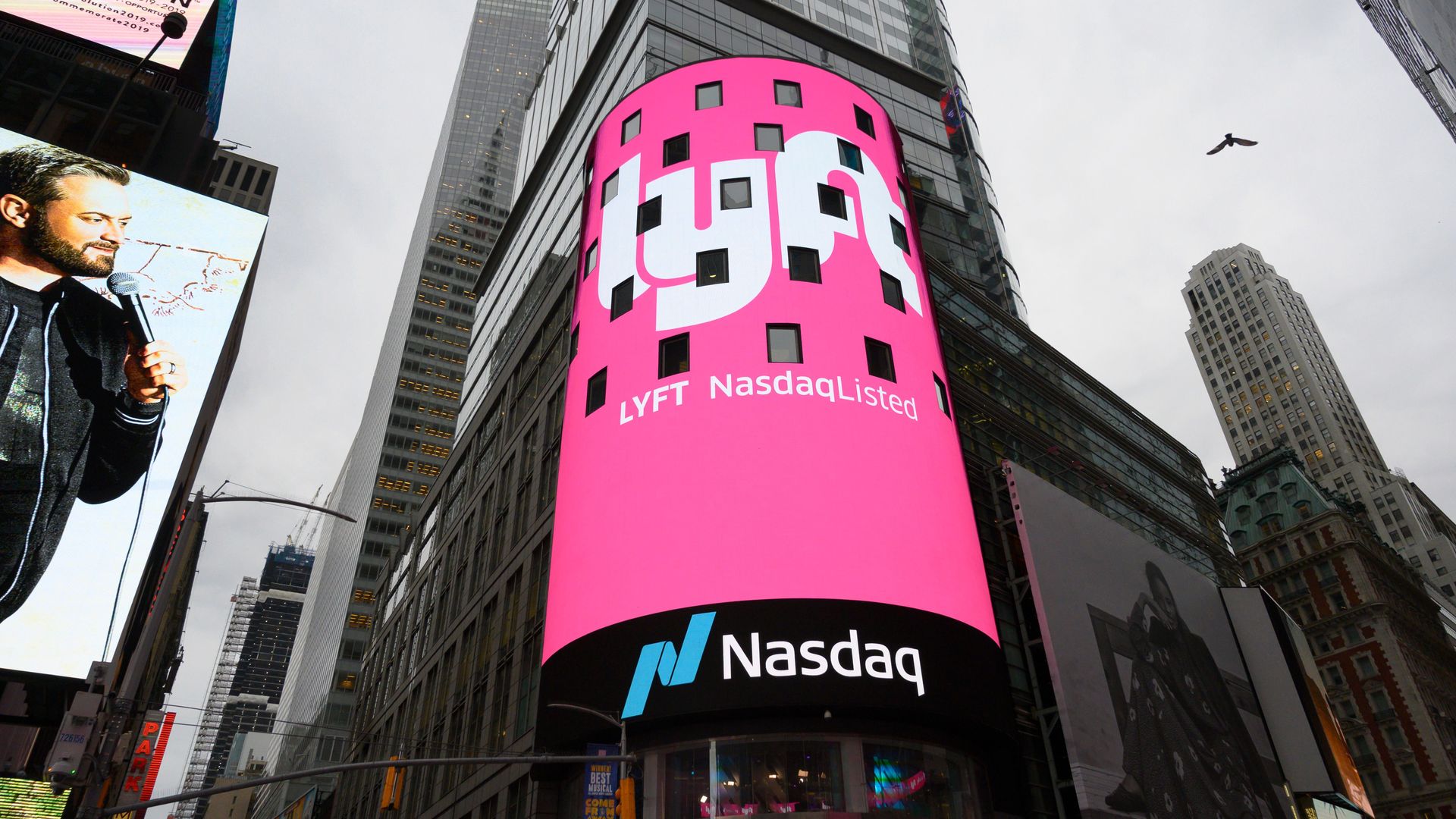
Lyft's share price is up by more than 11% after the company's Q2 earnings beat analyst revenue expectations, but also posted much wider losses than predicted (largely because of IPO-related stock compensation).
The big picture: Lyft also raised its sales outlook for the year to roughly $3.5 billion.
Samsung introduced its latest Galaxy Note smartphones on Wednesday. Among the new features are improved video editing controls, augmented reality doodling and what Samsung is calling "Air Actions"— gestures made using the digital pen to control the camera and other apps.
Why it matters: Samsung's Note customers are its most loyal and demanding, and the high end remains the most lucrative part of the U.S. smartphone market. But the industry is finding it increasingly tough to make phones that are better than the pretty darn good ones most people already have.
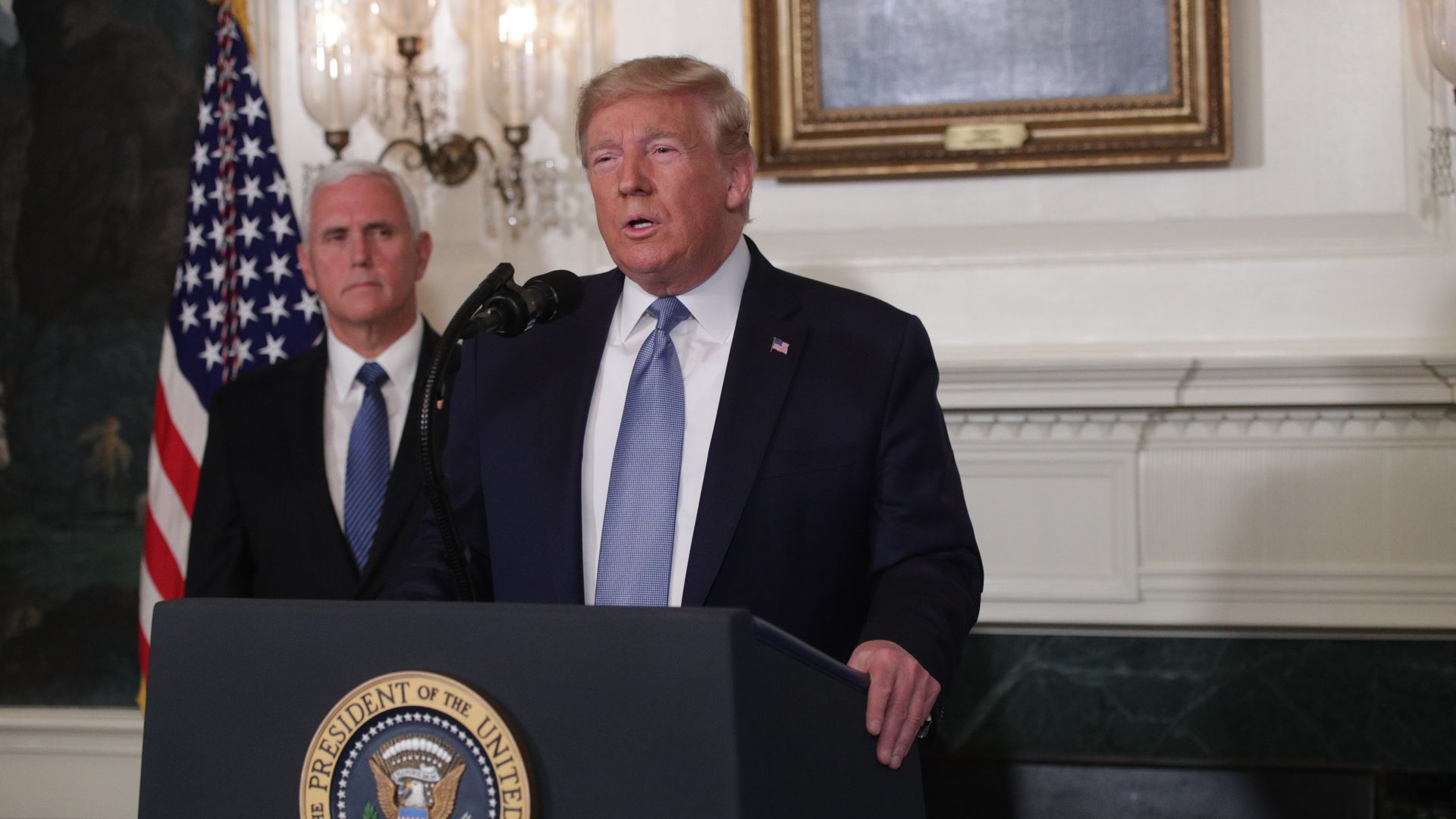
The White House has asked unnamed "internet and technology companies" to attend a meeting with staff and senior administration officials on Friday about "violent extremism online," an administration spokesperson said Wednesday.
Why it matters: The invitation, which was first reported by Politico, comes in the wake of a mass shooting in El Paso, Texas, in which the suspected gunman allegedly posted an anti-immigrant manifesto on the online forum 8chan. The cybersecurity provider Cloudflare has stopped working with 8chan, which has been linked to mass shootings this year in El Paso, New Zealand and San Diego.
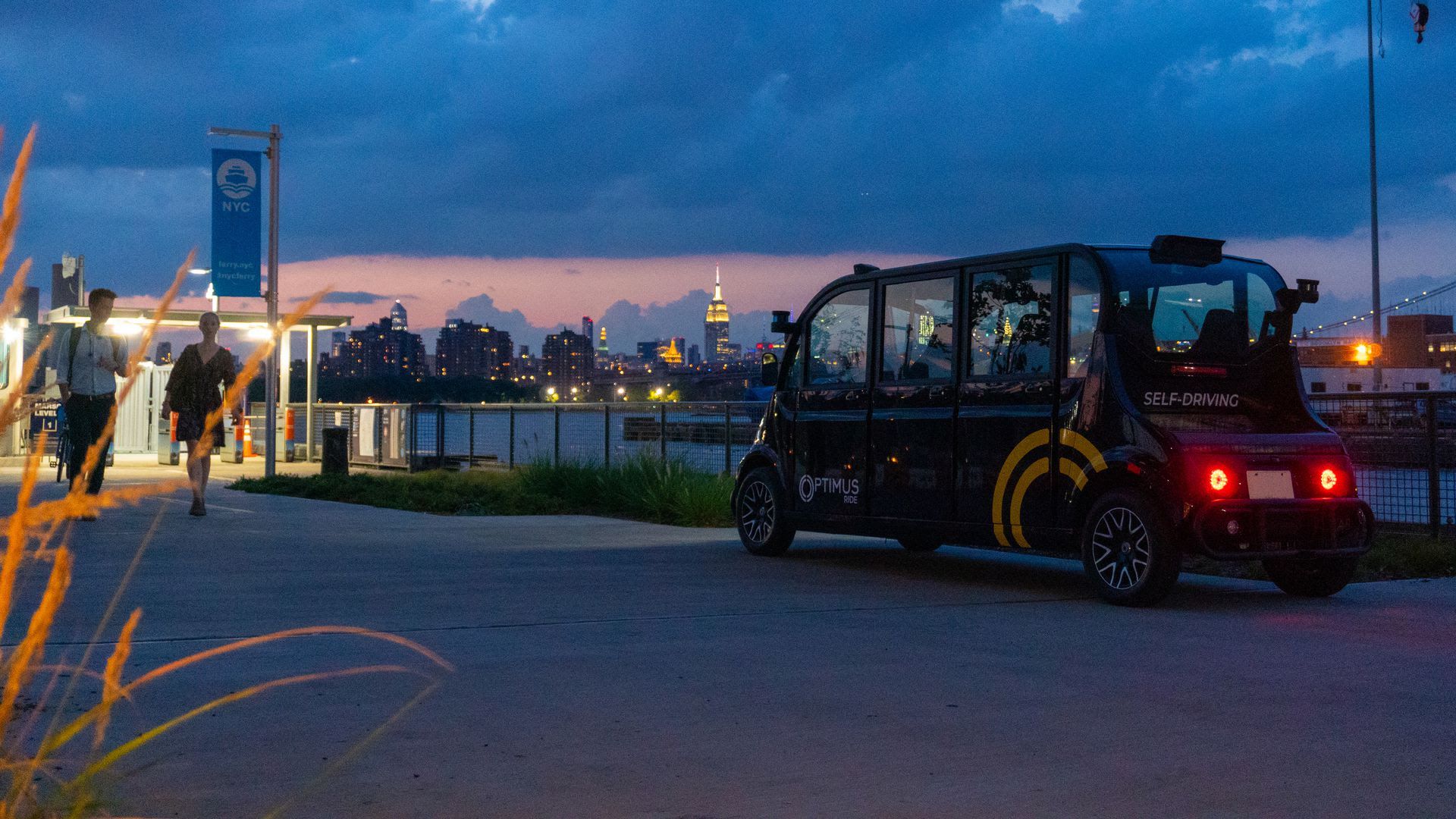
The expected benefits of self-driving cars are widely touted: They will be safer than human drivers and improve access to transportation for people with disabilities, the elderly and the poor.
One other potential benefit: They will be better for the environment (and not just because most AVs will be electric).
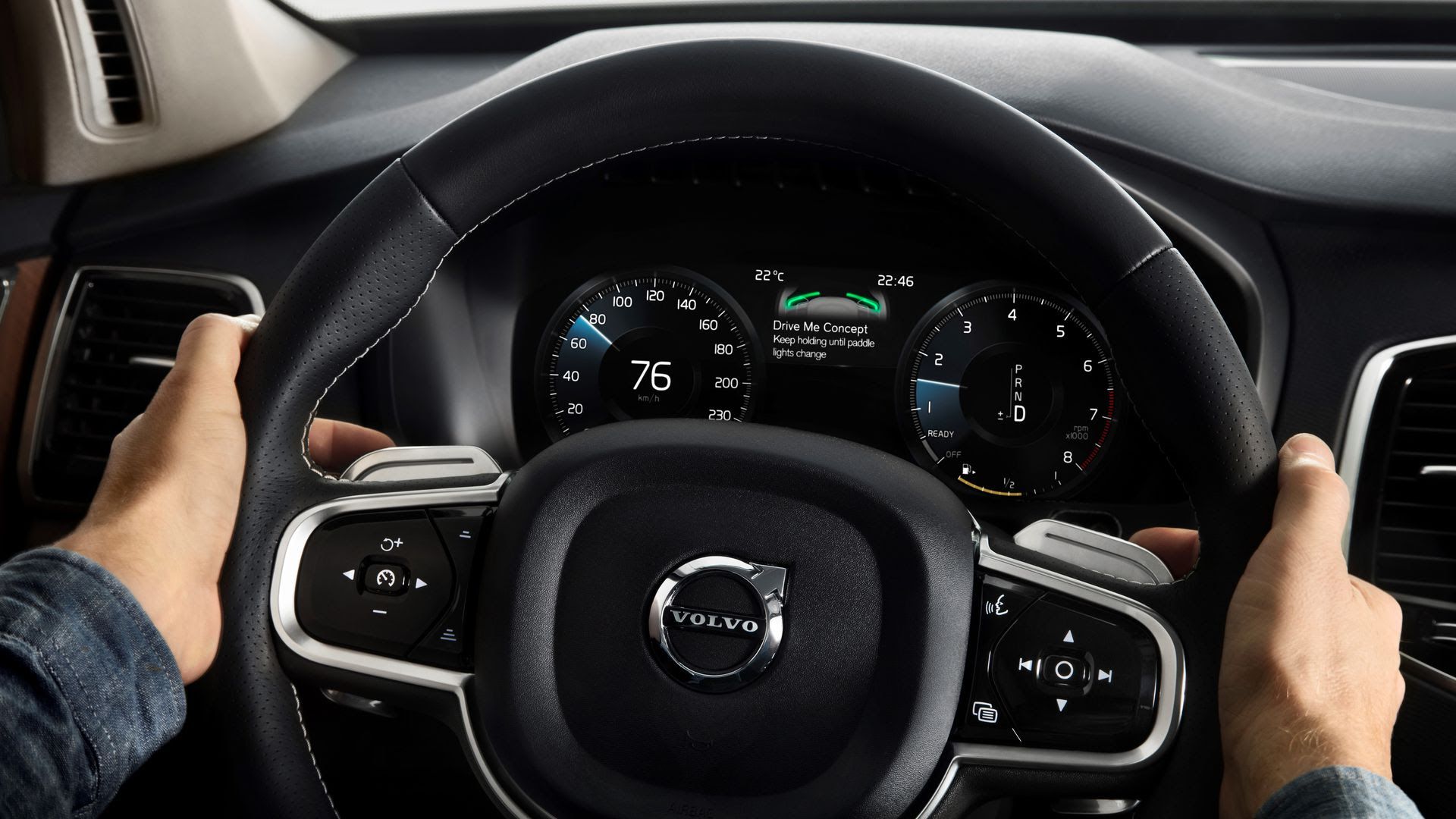
Women are less enthusiastic than men about the prospect of driverless cars. Until researchers understand why, it will be difficult for autonomous vehicle developers to win their trust.
Why it matters: AVs are supposed to bring fewer traffic deaths and improved access to transportation, but only if people trust them. To deliver on those promises, AV companies need to consider women's concerns about the technology, which could be exacerbated by worries about personal safety and a lack of accountability when there is no driver present.
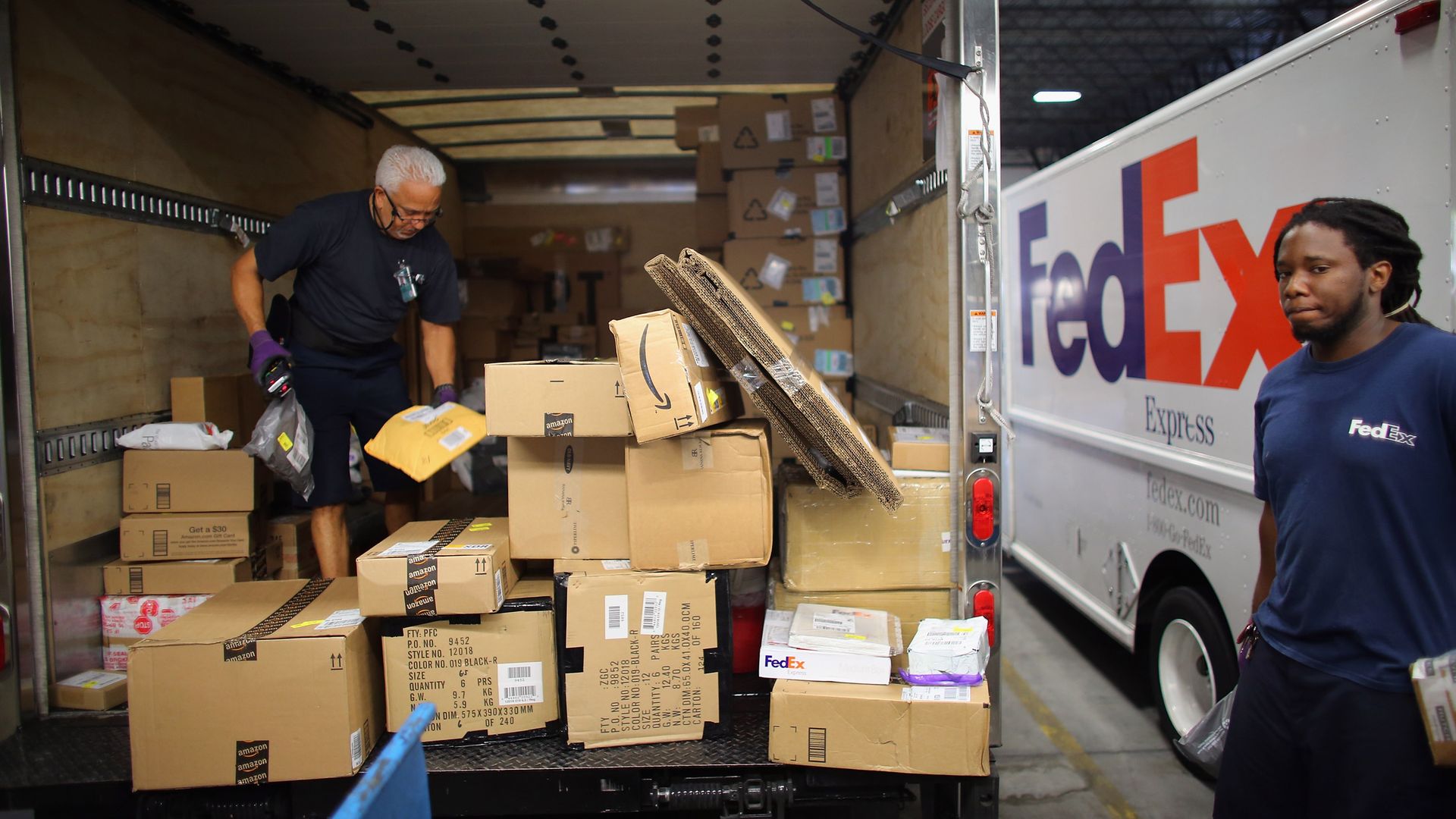
FedEx said Wednesday that it will not renew its U.S. ground delivery contract with Amazon, Bloomberg first reported.
The big picture: The shipping giant's decision, coupled with its move just weeks ago to end its contract to transport Amazon packages by air, comes as Amazon transforms from a customer to a competitor. The e-commerce company is adding trucks, planes, employees and even an air hub to strengthen its logistics arm — directly targeting the big U.S. shippers.
In releasing its first half results last week, Huawei touted a "robust" 23% increase in year-over-year revenue. However, the reality for the Chinese tech giant is that a number of pieces of its business are suffering thanks to U.S. pressure and sanctions.
The big picture: The U.S. has added Huawei to a list of entities with whom U.S. firms are generally banned from doing business. But the Trump administration has delayed some of the impact of its ban and also suggested it will allow U.S. companies to seek exemptions so long as national security is not threatened. It remains unclear what will and won't be allowed.
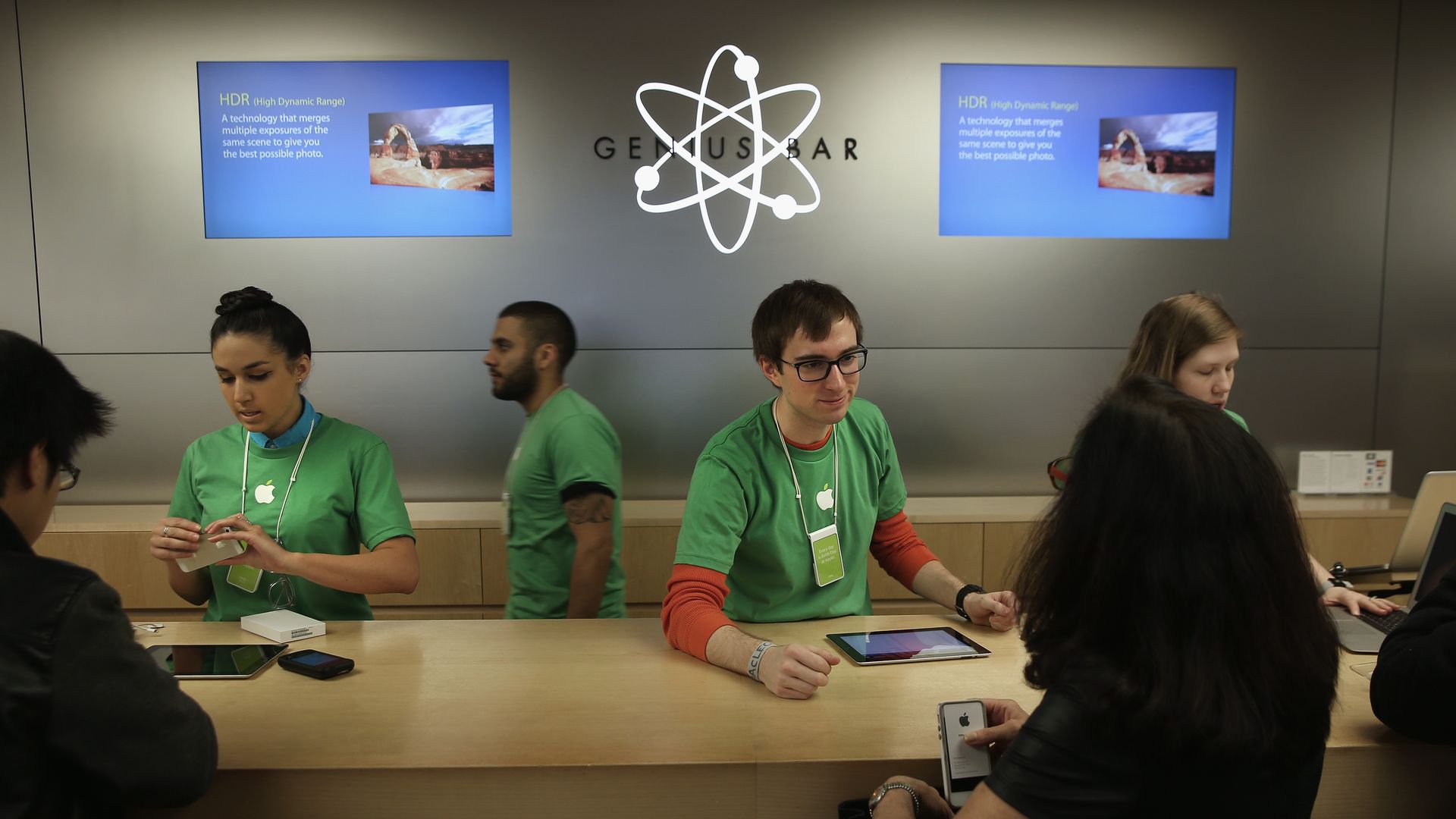
Advocates who say that companies like Apple lock users into costly repair arrangements are trying to influence a growing debate in Washington over whether giant tech firms have become monopolies.
Why it matters: The issue has gotten less airtime than concerns about Apple's iOS App Store, but it's another possible point of scrutiny for regulators as they look at broader concerns over Big Tech's market power.
President Trump has run approximately 2,200 Facebook advertisements warning of an "invasion" at the southern border, according to CNN analysis of the social media giant's political ad archive.
Why it matters: A study by Axios found last month that Trump is spending millions of dollars on Facebook ads, focusing on immigration as a key reelection strategy. However, his divisive rhetoric is being scrutinized amid reports that the suspected El Paso gunman spoke of an "invasion" in an online post just before the shooting massacre, CNN notes.