Congress appears to be trying to revive efforts to pass legislation on self-driving cars, Reuters reports.
Why it matters: Without federal standards, automakers and tech companies have to deal with a patchwork of state laws that they say is hampering the rollout of the technology. Consumer advocates want assurances that AVs are safe.
With a surge of violent crime plaguing the streets of Baltimore, some residents whose lives have been upended by murder are pushing for a drastic measure: citywide surveillance.
Why it matters: Americans have historically valued privacy over security and generally reject the idea of being monitored by anyone, especially law enforcement.
But record-setting homicide rates in Baltimore — not to mention national attention on the city's problems following President Trump's recent Twitter insults — may test that mindset.
Superplastic, a Burlington, Vt.-based designer toy startup founded by Paul Budnitz (Ello, KidRobot), has raised $10 million in Series A funding led by Craft Ventures.
Why it matters: This coincides with Superplastic trying to turn two of its most popular characters into virtual Instagram stars, a burgeoning niche.
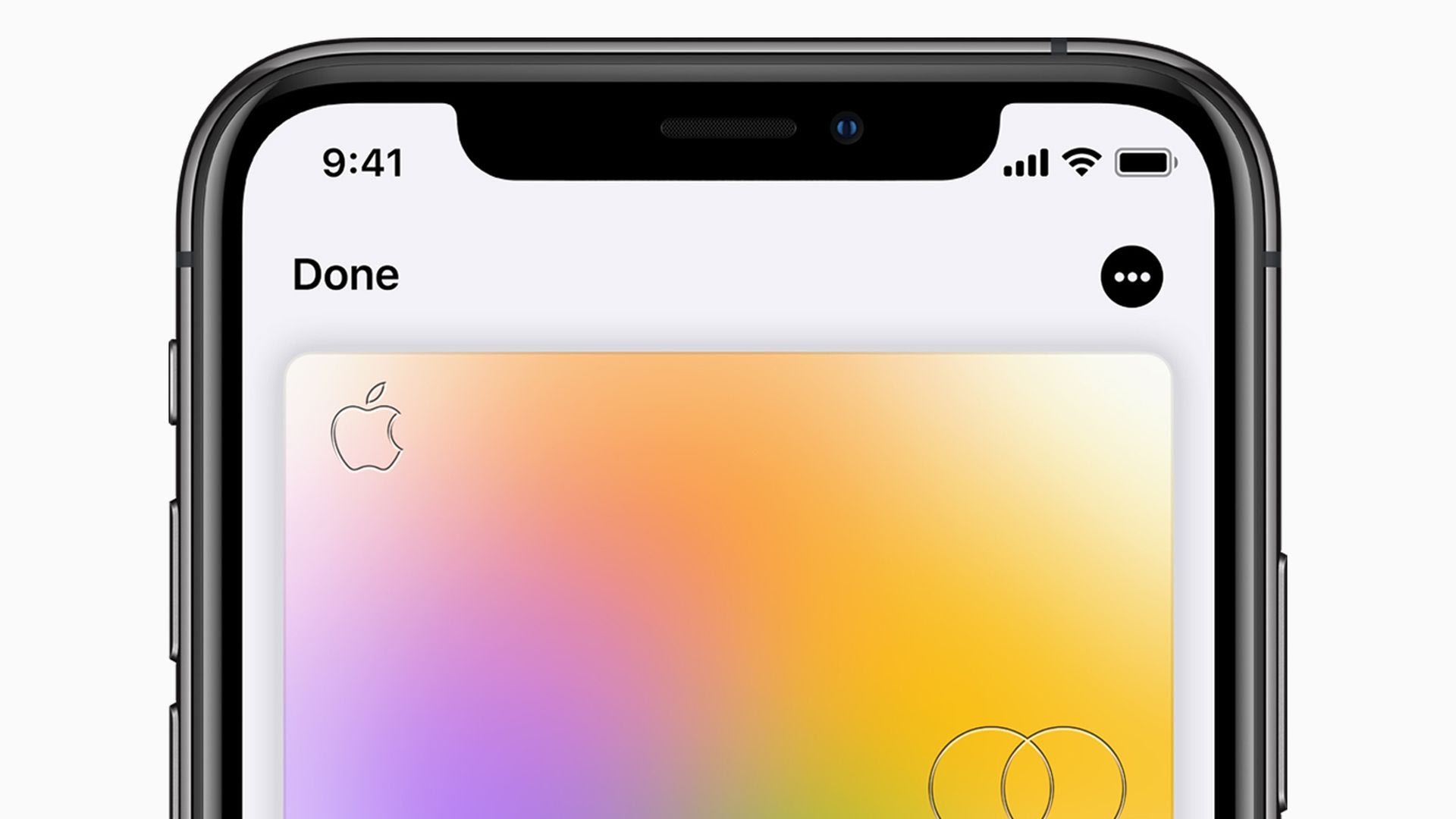
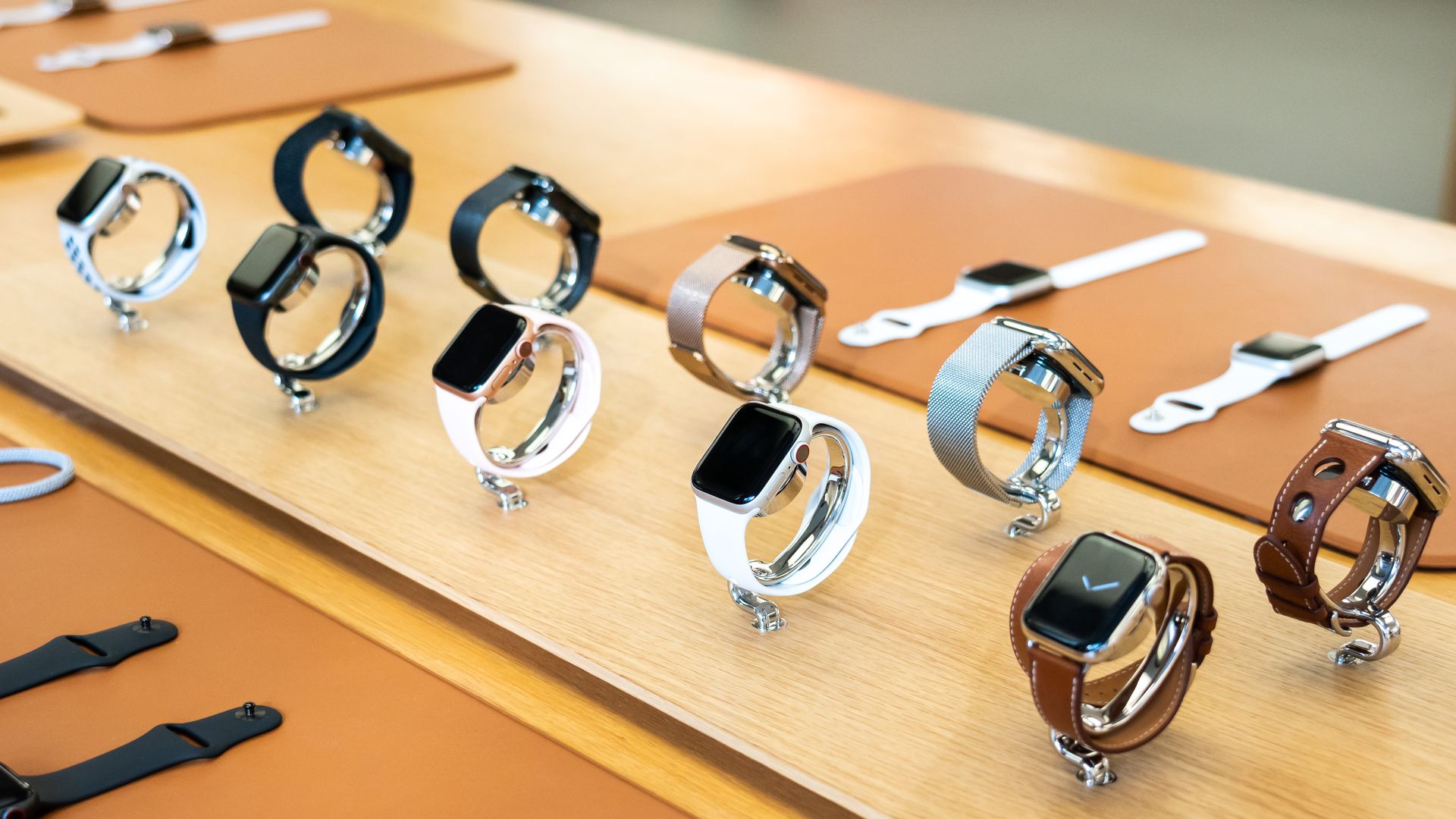
With its latest earnings numbers, Apple proved once again that its growing services and wearables businesses can help lead the company to record financial results even as iPhone sales fall short of prior years.
Why it matters: This strategy is a creative way to manage through a maturing smartphone market, but Apple's business is arguably just as dependent on the iPhone as it has ever been, perhaps more so, because these new businesses are tied at the hip to the device.
Wearable activity trackers have "little benefit" on chronic disease health outcomes, according to a new American Journal of Medicine analysis. Only 1 of 6 studies found that people who wore the devices lost significant weight, and no significant reduction was discovered in cholesterol or blood pressure.
The bottom line: The devices may motivate people to move more, but this increased movement didn't lead to major health outcome changes when they're used without input from a doctor or trainer, TODAY! writes.
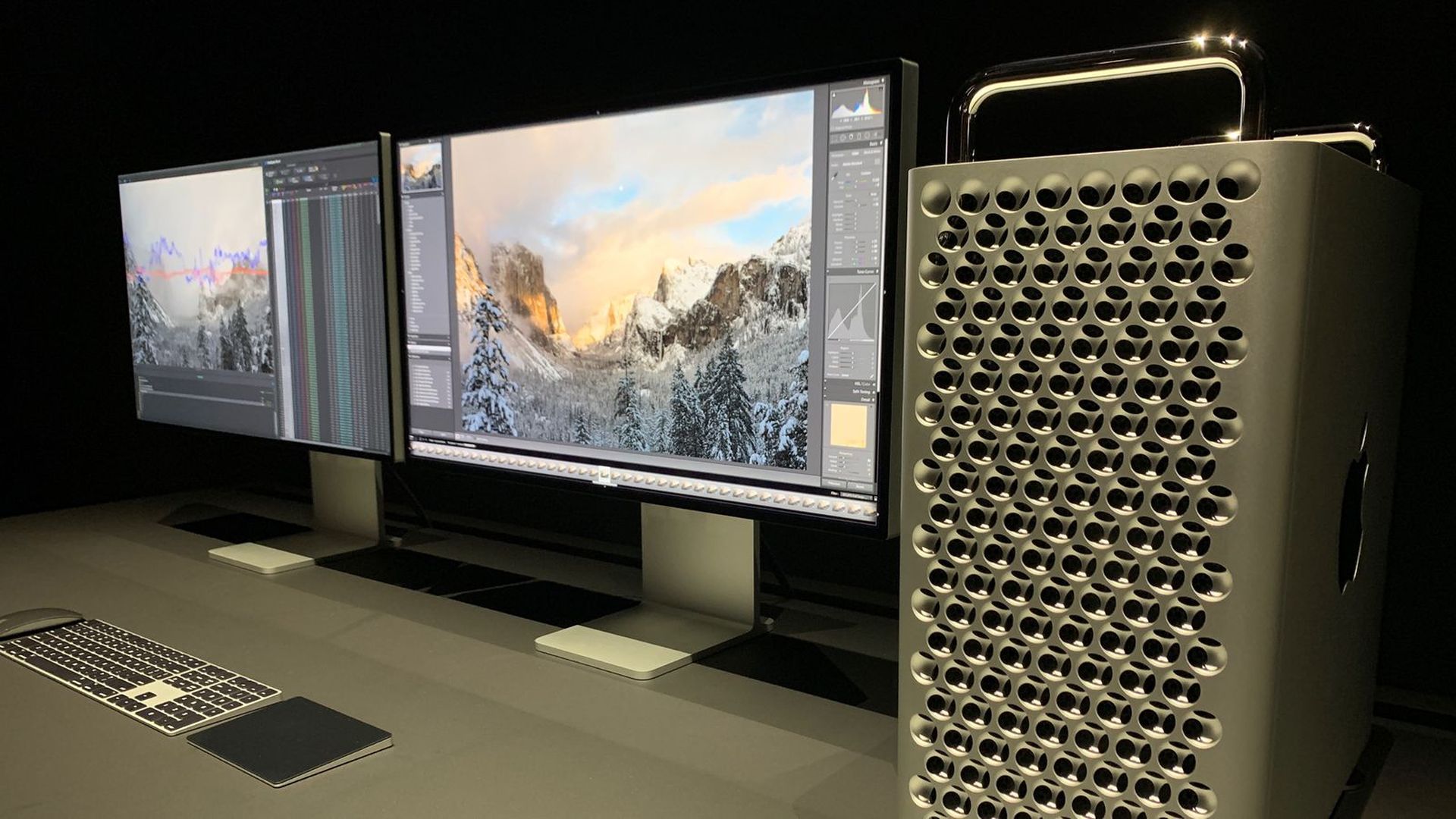
Apple CEO Tim Cook said Tuesday that the company is investing in U.S. manufacturing and hopes to continue to do final assembly of the Mac Pro here.
Why it matters: It was reported that Apple was asking for a tariff exemption related to the Mac Pro, but that was apparently so it could bring partially assembled goods into the U.S. for final assembly without tariffs. President Trump had tweeted in response that Apple should do its manufacturing here and wouldn't get any tariff relief.
Apple reported earnings and revenue ahead of estimates Tuesday as weakness in the iPhone business was offset with growth in wearables.
Why it matters: Apple has been leaning on those newer businesses amid weakness in the smartphone business, but it's still critical for Apple to keep customers on its mobile platform in order to build its services market.
From Earth, you want to pick something up from the surface of the moon. Using a joystick, you control a grabber — but you keep missing. It's the delay: It takes light nearly three seconds to get to the Moon and back, and the control signal even longer.
The big picture: This is a fundamental, insurmountable hurdle to moving stuff around in space if you're not there. The farther you are from Earth, the longer the communications delay — nothing, after all, moves faster than light.
Approximately 100 million Capital One customers in the U.S. and Canada are caught up in a data hack that the bank claims happened in March. If you think you're among them, here are a few steps you can take.
Where to start: The bank says it will notify all affected customers, including 140,000 whose social security numbers were compromised, and offer identify protection services and credit monitoring. Both are worth taking advantage of.
Ford is acquiring another transit technology firm, Journey Holding, and expanding its efforts to reach beyond automobile manufacturing to help cities plan more seamless, efficient transportation networks.
Why it matters: Under CEO James Hackett, the 116-year-old carmaker is trying to reinvent itself as a mobility services provider. By collaborating with cities, civic organizations and urban planners, Ford wants to position itself as the orchestrator of multi-modal transportation systems, from scooter rental to mass transit and even future robo-taxis.
The oil-and-gas industry could realize $50 billion in cost-savings from wider deployment of drones over the next 5 years, a new Barclays report finds.
Why it matters: It's the sector that could see the greatest cost reductions over that period, as a "convergence" of tech developments — 5G, remote computing and AI — enable wider drone use in many industries.
Both Google and Samsung shared details Monday about their next phones ahead of their official announcements, bringing the rest of the fall hardware lineup that will compete with the new iPhones into focus.
Our thought bubble: These companies have experienced enough leaks to know their smartphone secrets won't keep. Announcing key features builds excitement and lets the companies help influence the narrative.
Apple never gives much insight into what's coming next, but in issuing financial guidance for the coming quarter on Tuesday, the company will be providing at least some sense of its expectations regarding initial sales of the next iPhone.
Why it matters: The financial outlook will be for the July-to-September quarter, so its guidance will reflect only its initial expectations, given the devices usually don't go on sale until September. Also closely watched will be what Apple has to say about its business in China as well as trade tensions.
TikTok's explosive rise has given the world a new generation of influencers and memes that befuddle people over the age of 21. It has also handed Facebook a new tool in the social giant's effort to fend off wide-reaching antitrust action.
Why it matters: To neutralize concerns about their market power, Facebook and other tech giants have to successfully define the markets they compete in as broad and teeming with other players ready to challenge their dominance.

















/2019/07/30/1564454036593.gif?w=3840)