Alarm bells are going off in the U.S. and Europe over Big Tech's invasion of our privacy. The companies are betting hard on one thing: That consumers — especially younger ones — won't care too much what you know about them as long as you give them really cool stuff.
Public spaces are underconstant surveillance from AI cameras, cellphone towers and advertisers that can follow people from home to work and back again.
But life inside the home, too, is increasingly transparent to watchful outsiders, the result of mushrooming internet-connected devices that consumers are setting up in their dens and bedrooms.
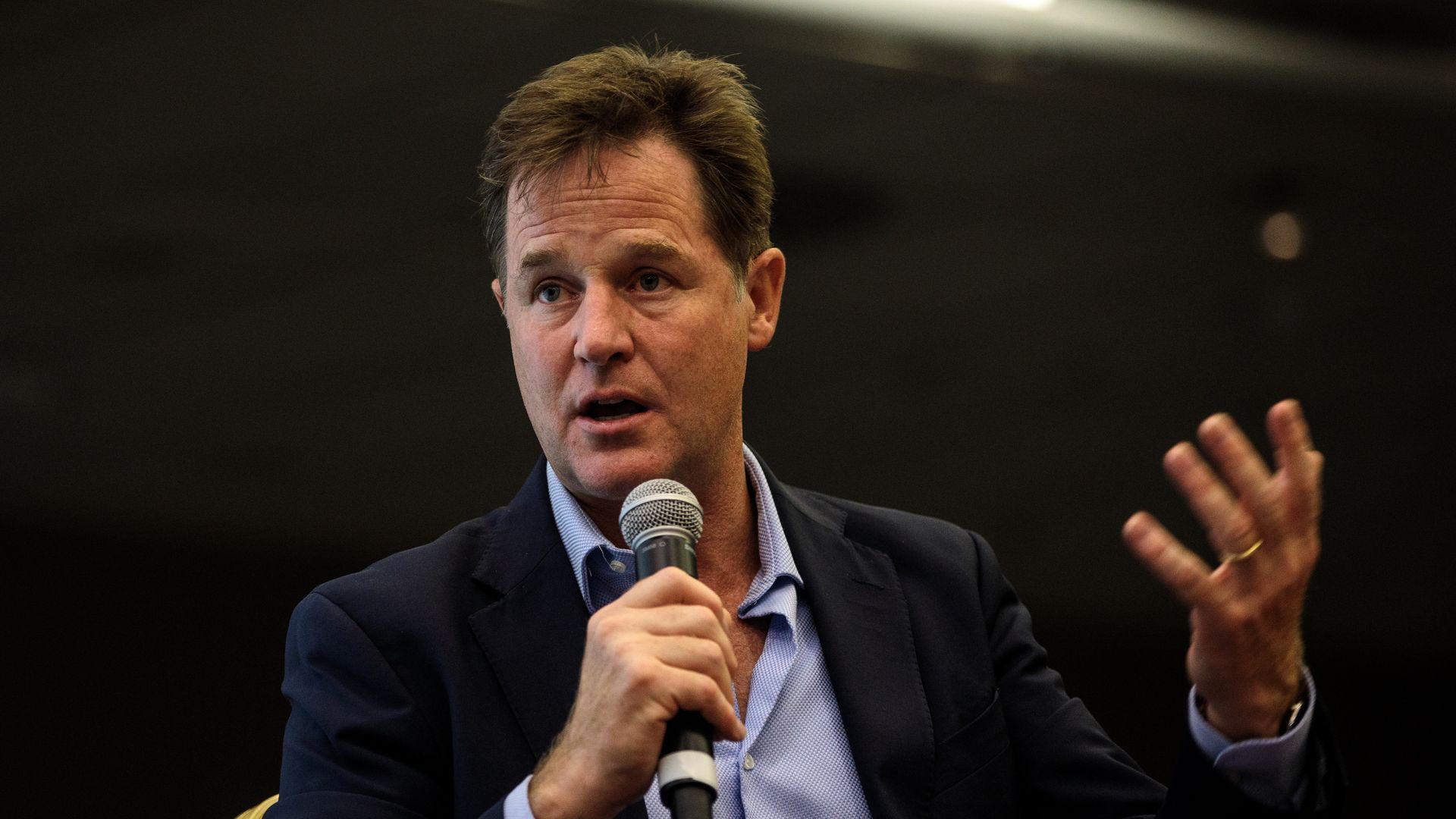
A top Facebook executive on Monday urged Europe and America to move towards regulating major internet companies — saying that if they don’t, the Chinese government will.
Why it matters: Policy and communications chief Nick Clegg’s comments delivered in Berlin are part of the social giant’s push to influence new regulations in areas like hateful content and data privacy.
Senators Mark Warner (D-Va.) and Josh Hawley (R-Mo.) today introduced a bill that would require large tech platforms to disclose how they use consumer data and how they value it. Dan and Axios' Kim Hart dig in.
Female researchers, for decades largely boxed out of computer science, have in recent years entered the field in record numbers, but new research suggests the current rate of change is not nearly rapid enough to bring parity to the field within a lifetime.
Why it matters: The direction of computer science research is determined by the people who make up the field.
As deals from venture capital, private equity and real estate firms produce more headlines about billion-dollar deals and millionaire backers, investors are clamoring for ways to sink their teeth into so-called alternative investments. Big banks and asset managers are finding ways to help them do it.
Driving the news: Indexing giant Vanguard Group has reportedly started discussions with private-equity firms about a push further into alternative investments.
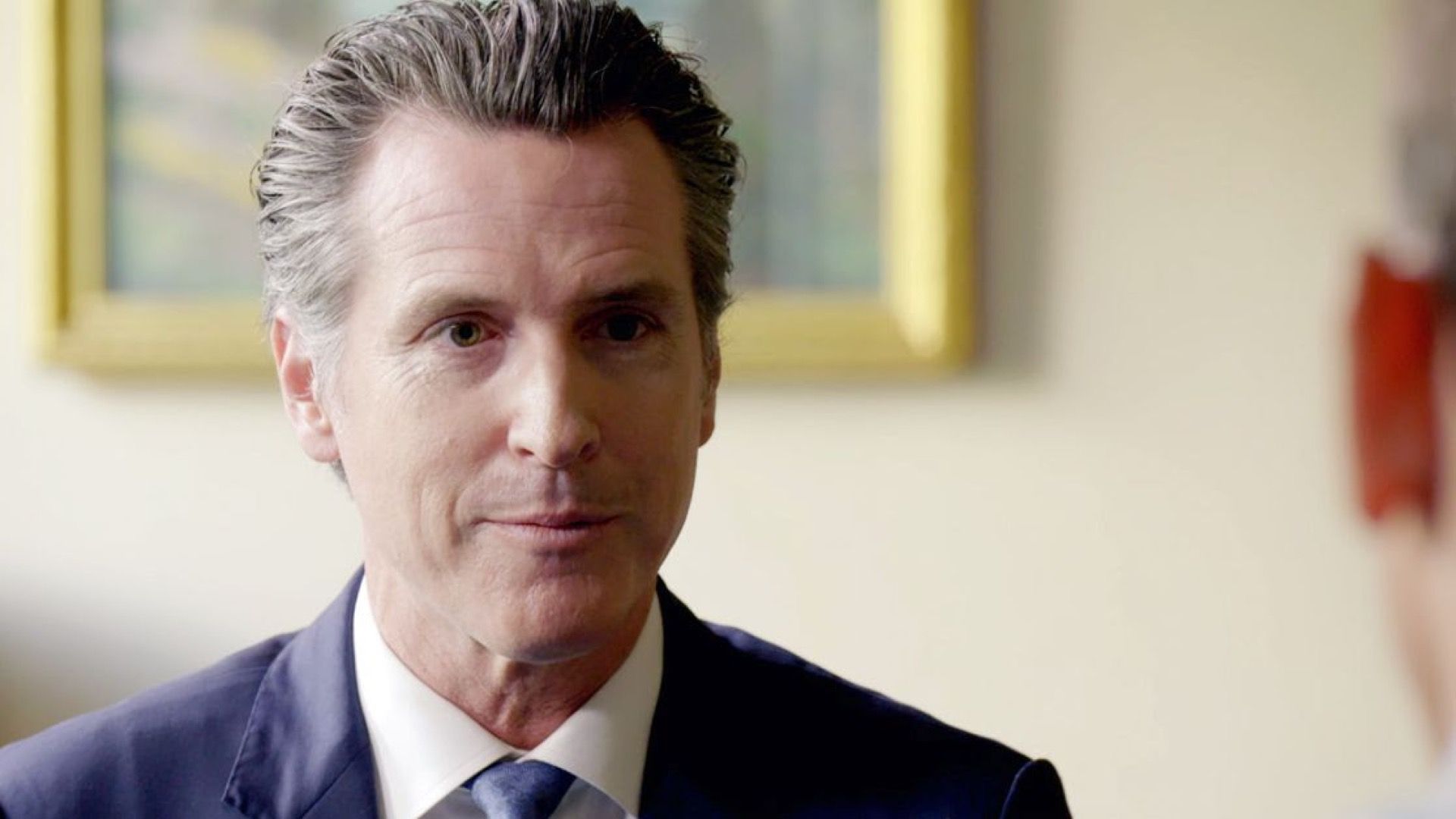
During an interview with "Axios on HBO," California Gov. Gavin Newsom (D) criticized Facebook for not pulling the doctored video of Nancy Pelosi off its platform, saying, "It’s just fake — it's made up. It's doctored. It's done for political purposes."
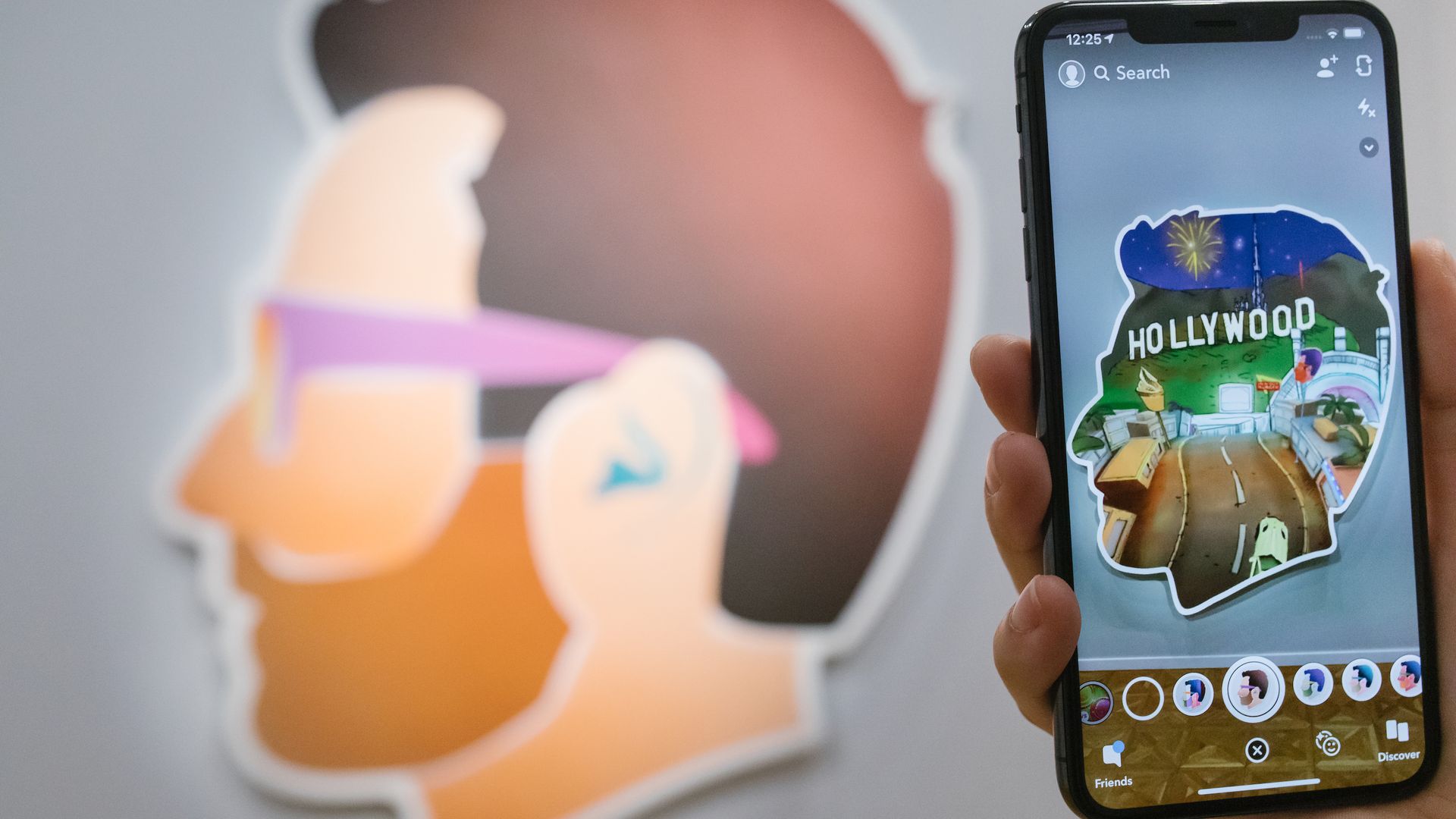
For the second year in a row, Snapchat has chosen to showcase its innovation at the Cannes Lions International Festival of Creativity through an art exhibit, rather than a flashy stunt like the branded Ferris wheel it constructed at the festival in 2017.
Why it matters: Snapchat wants to elevate its brand by proving its technology can make the world a better place. It's doing that by investing in art collaborations around the world, showing ways that art can be redefined through augmented reality (AR).
California Gov. Gavin Newsom warned in an interview for "Axios on HBO" that his state’s Big Tech giants — Google, Facebook and others — will soon get "steamrolled" by federal regulations, and deserve to be hit with new restrictions on their wealth and reach.
Why it matters: Newsom is friends with several tech moguls, including Tesla's Elon Musk and Google co-founder Sergey Brin. And his state relies heavily on the big profits of Big Tech to fund California. Big changes will hit them at the state and federal level, he said.
Senators Mark Warner (D-Va.) and Josh Hawley (R-Mo.) will introduce legislation on Monday to require Facebook, Google, Amazon and other major platforms to disclose the value of their users' data, as first reported Sunday evening on "Axios on HBO."
Why it matters: Our personal data is arguably our most valuable asset in the digital age, but internet users don't have any way of knowing how much their data is actually worth.
One of Facebook's launch partners in its new cryptocurrency Libra is Kiva, a nonprofit that has married the concept of third-world microloans to first-world crowdfunding.
Catch up quick: Ordinary Americans use Kiva to lend money to some of the poorest people in the world, receiving 0% interest in dollars. The dollars go to microfinance institutions in more than 80 countries, which convert them to local currency and then lend them out to individuals who have to repay the loans with interest.
Slack went public this week via the most elegant and efficient way possible — a direct listing. The opening auction of the stock cleared around noon on Thursday, at a price of $38.50. It then traded smoothly, under the ticker symbol WORK, for the rest of the week within a pretty narrow range between $36.50 and $42.
Why it matters: No one received preferential treatment. There was no possibility of the kind of scandalous behavior whereby banks like Goldman Sachs receive millions of dollars' worth of kickbacks from clients they place into hot IPOs.
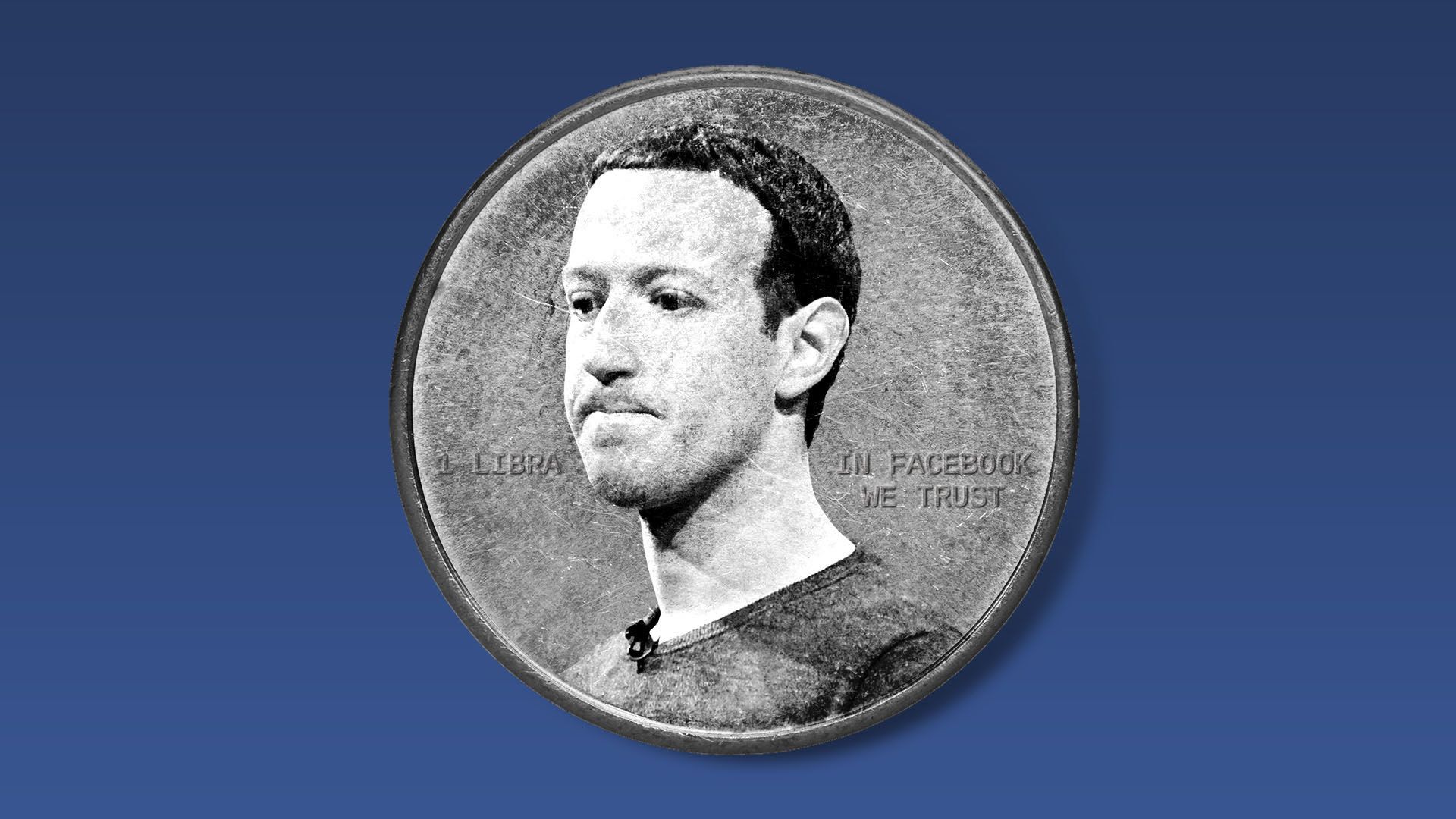
"Reinvent money. Transform the global economy." That's the promise at the top of the homepage of Libra, an almost parodically ambitious pecuniary exercise brought to you by the empire-builders at Facebook.
The big picture: Facebook is no stranger to hubris. Back in 2013, CEO Mark Zuckerberg decided he was going to reinvent the smartphone. “Today, our phones are designed around apps, not people,” he said. “We want to flip that around.”