Senators Mark Warner (D-Va.) and Josh Hawley (R-Mo.) will introduce legislation on Monday to require Facebook, Google, Amazon and other major platforms to disclose the value of their users' data, as first reported Sunday evening on "Axios on HBO."
Why it matters: Our personal data is arguably our most valuable asset in the digital age, but internet users don't have any way of knowing how much their data is actually worth.
One of Facebook's launch partners in its new cryptocurrency Libra is Kiva, a nonprofit that has married the concept of third-world microloans to first-world crowdfunding.
Catch up quick: Ordinary Americans use Kiva to lend money to some of the poorest people in the world, receiving 0% interest in dollars. The dollars go to microfinance institutions in more than 80 countries, which convert them to local currency and then lend them out to individuals who have to repay the loans with interest.
Slack went public this week via the most elegant and efficient way possible — a direct listing. The opening auction of the stock cleared around noon on Thursday, at a price of $38.50. It then traded smoothly, under the ticker symbol WORK, for the rest of the week within a pretty narrow range between $36.50 and $42.
Why it matters: No one received preferential treatment. There was no possibility of the kind of scandalous behavior whereby banks like Goldman Sachs receive millions of dollars' worth of kickbacks from clients they place into hot IPOs.
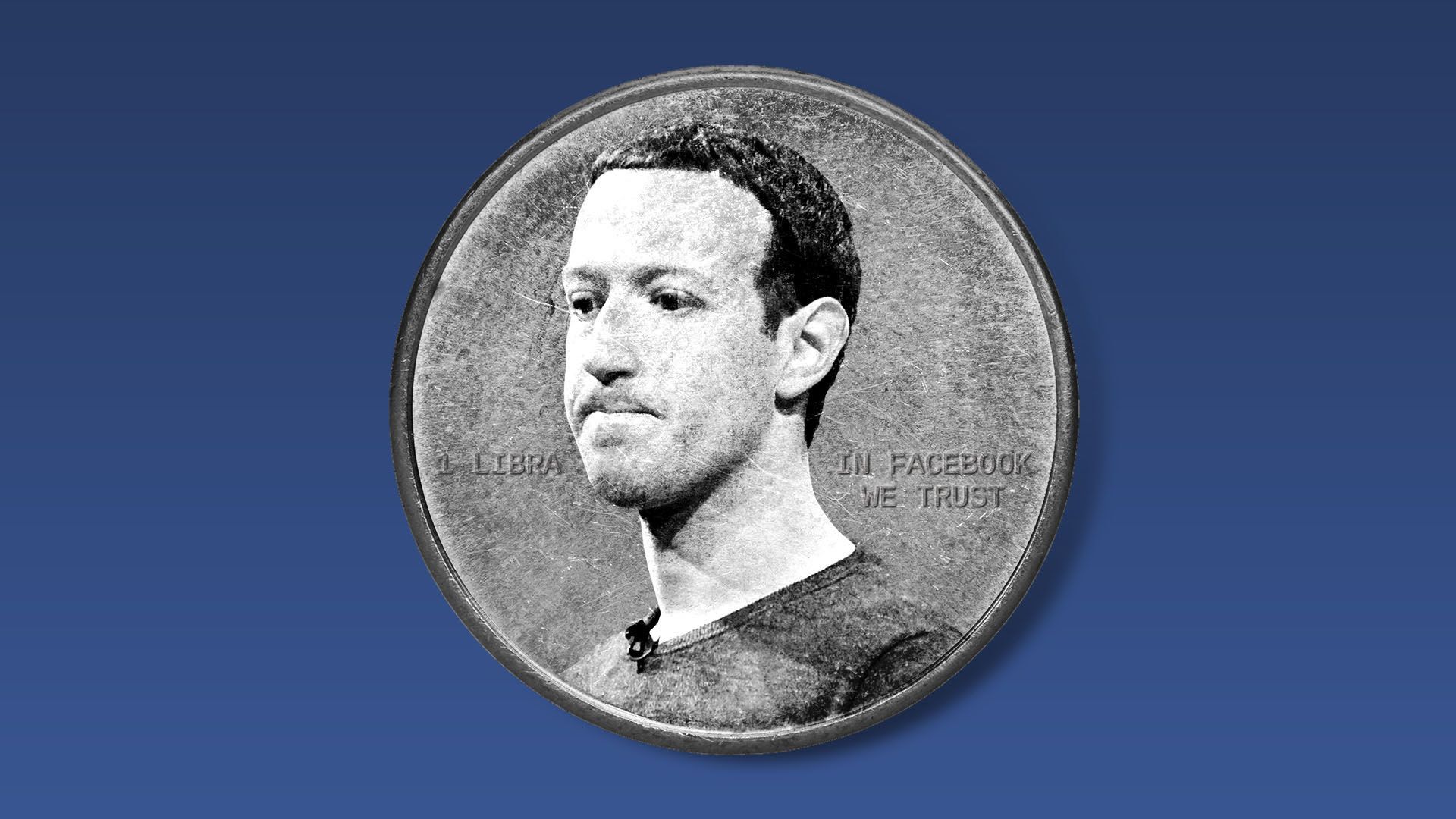
"Reinvent money. Transform the global economy." That's the promise at the top of the homepage of Libra, an almost parodically ambitious pecuniary exercise brought to you by the empire-builders at Facebook.
The big picture: Facebook is no stranger to hubris. Back in 2013, CEO Mark Zuckerberg decided he was going to reinvent the smartphone. “Today, our phones are designed around apps, not people,” he said. “We want to flip that around.”