Snap Inc., the parent company of camera app Snapchat, saw its stock rise nearly 16% in after-hours trading Wednesday, after the company reported record revenues and lowered the margins on its losses.
Why it matters: Wall Street was looking for consistency from Snapchat last quarter, after a tumultuous year in which it lost several high-level executives, suffered a few internal leaks, and faced blowback for the rollout of an app redesign.
Facebook said Tuesday it has removed 22 pages tied to conspiracy theorist Alex Jones.
Why it matters: The social giant's future is tied in part to its ability to better police its platform, even as its user base continues to grow. The Jones pages were removed under an updated "recidivism policy" that stops individuals who already violated Facebook's rules from doing so on a new set of pages. A Facebook spokesman said the pages had similar titles and admins to previous Jones-linked pages that were removed for Community Standards violations.
An email scam outfit is taking advantage of Gmail's "dot" feature to streamline operations, according to email security firm Agari.
Gmail dots? Gmail allows users to add or subtract periods in their email addresses at will. If you own the right to [email protected], you will receive emails sent to [email protected] and [email protected].
Facebook is adding Lead Stories as a new fact-checking partner, the company will announce today.
Why it matters: The announcement comes as Snopes, one of the first online fact-checking websites, says it is reevaluating its relationship with the Facebook fact-checking unit. The Associated Press is renegotiating its contracts with Facebook but says it plans to continue in the Facebook program.
Facebook is building a unified messaging for businesses feature that will let businesses access and manage Instagram Direct Messages alongside its Facebook Messenger messages, according to two sources familiar with the matter.
Why it matters: It's a first step in building a tool to manage messaging across Facebook's apps for businesses. The New York Times reported last month that the company was planning to unit the back-end technology that runs Instagram, Facebook Messenger and WhatsApp on the consumer side.
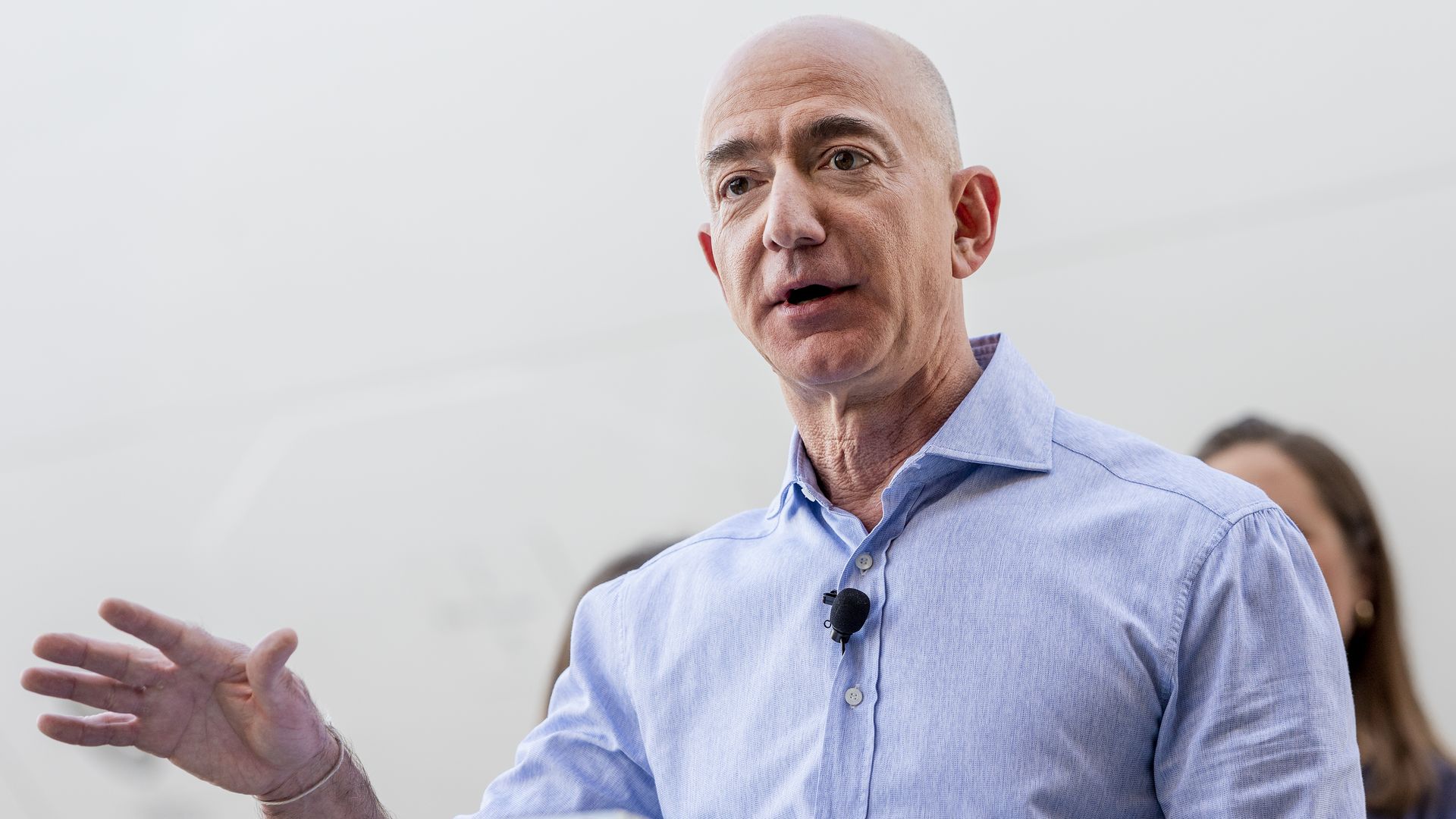
The man who has profited most from the Trump era is his foremost nemesis in the business world, Amazon founder Jeff Bezos, Bloomberg's Justin Sink reports.
By the numbers: Bezos has become the world’s richest person, his net worth swelling by $66.8 billion, since President Trump has been in the White House.
Facebook has deployed a senior executive to Capitol Hill to address questions from concerned policymakers about the company's partnerships with other services.
Why it matters: Tech leaders used to leave worrying about Washington to their lobbyists, but that doesn't cut it any more. Facebook senior executives keep trooping to Washington because the social network sits at the heart of so many policy debates — and those debates are also central to its future.
Google parent company Alphabet's stock was down roughly 4% in after-hours trading Monday after the company reported that it met Wall Street expectations revenue and earnings per share, but reported nearly doubled losses for its "other bets" category, which includes Alphabet-owned side projects like Nest, Waymo and Verily.
Why it matters: Investors are increasingly anxious to see how well Google is able to monetize areas outside of advertising, and high costs for "other bets" could be a signal that it still has a way to go in building out some of those revenue streams.
Dan talks with Alexandra Carbone, a ride-hail driver in Los Angeles who is part of a burgeoning movement to get Uber and Lyft to change their policies.
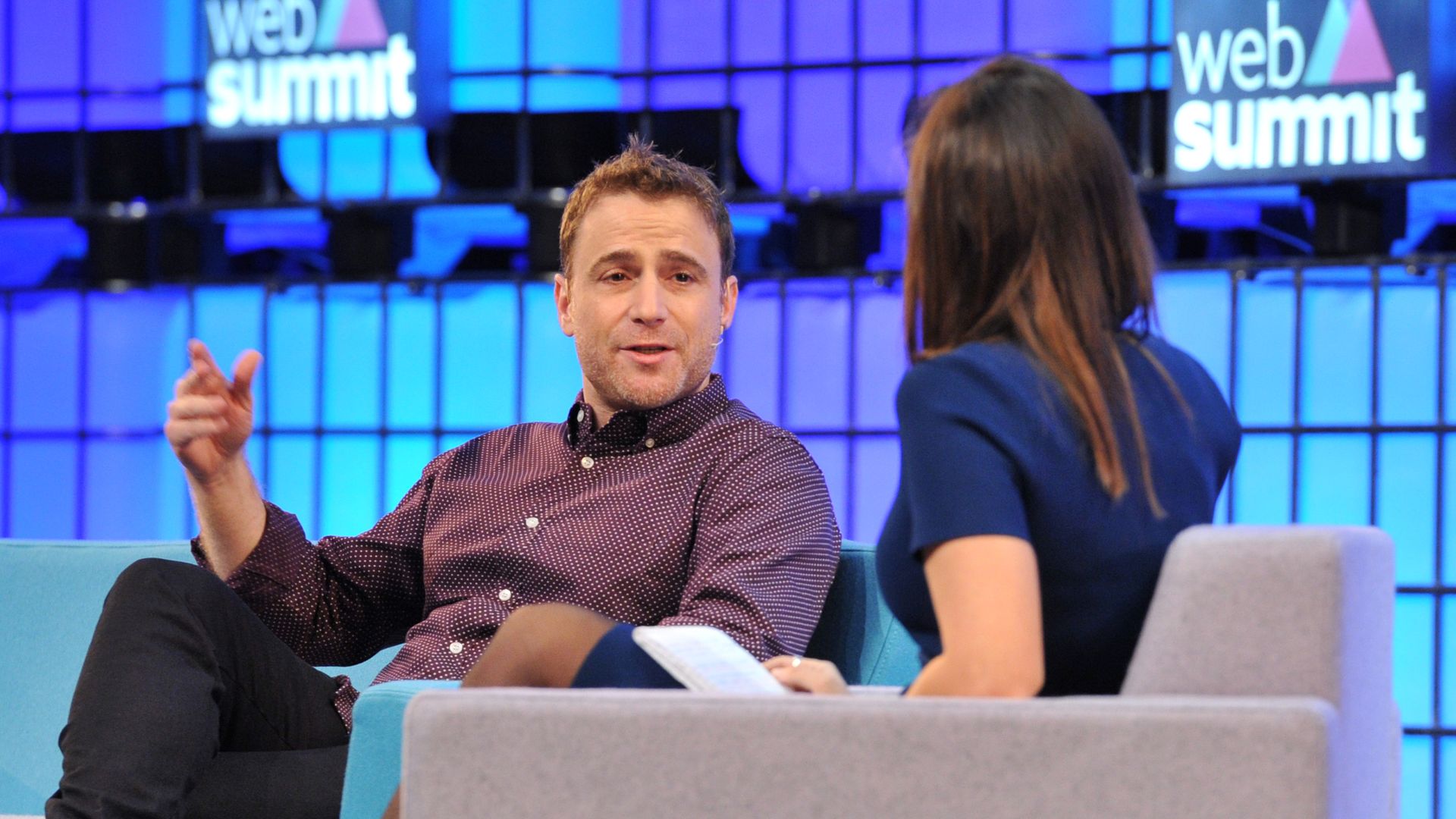
Slack has confidentially filed documents to go public with the U.S. Securities and Exchange Commission, the company announced on Monday.
Why it matters: Slack has been rumored to be considering a direct listing instead of a traditional IPO. Should the workplace messaging behemoth choose that path, it will be the second tech company to do so after Spotify did so last year.
Google is launching two new features aimed at making its mobile operating system more accessible: Live Transcribe and Sound Amplifier.
Why it matters: There are more than a billion people with a disability, some 15% of the world's population. Technology, when implemented thoughtfully, can play a big role in knocking down barriers. Beyond that, advances in accessibility often have a way of making technology more usable for everyone.
One intriguing thing to look for in Uber's S-1, whenever it arrives, is how much information it provides about the other ride-hail companies in which it holds shares.
The bottom line: These holdings, particularly in China's Didi Chuxing, could represent a sizable percentage of Uber's proposed market cap. Investors are going to want more than just the latest VC valuations. This also could be where Uber benefits a bit from an IPO for Lyft — assuming it doesn't get taken out first, Qualtrics-style — in that there will be another third-party data point.






/2019/02/05/1549338340291.gif?w=3840)