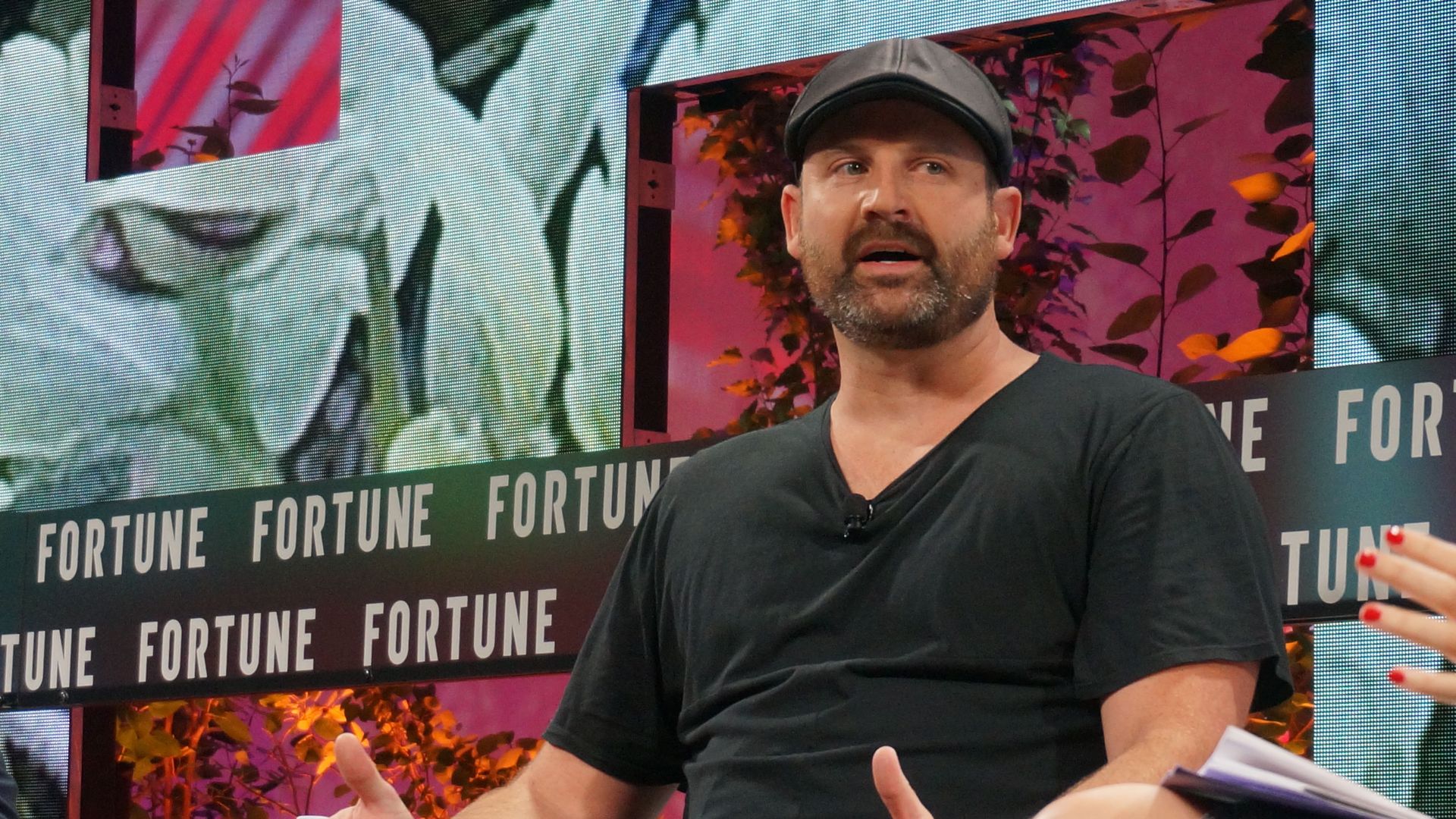
Tim Kentley-Klay, co-founder and CEO of the secretive self-driving car company Zoox, is no longer at the company, as The Information first reported and a source confirms to Axios. The company's board informed the company this morning of the decision.
Why it matters: Just last month, the company announced $500 million in new funding at a $3.2 billion post-money valuation to continue its ambitious project of building a fully-autonomous car.
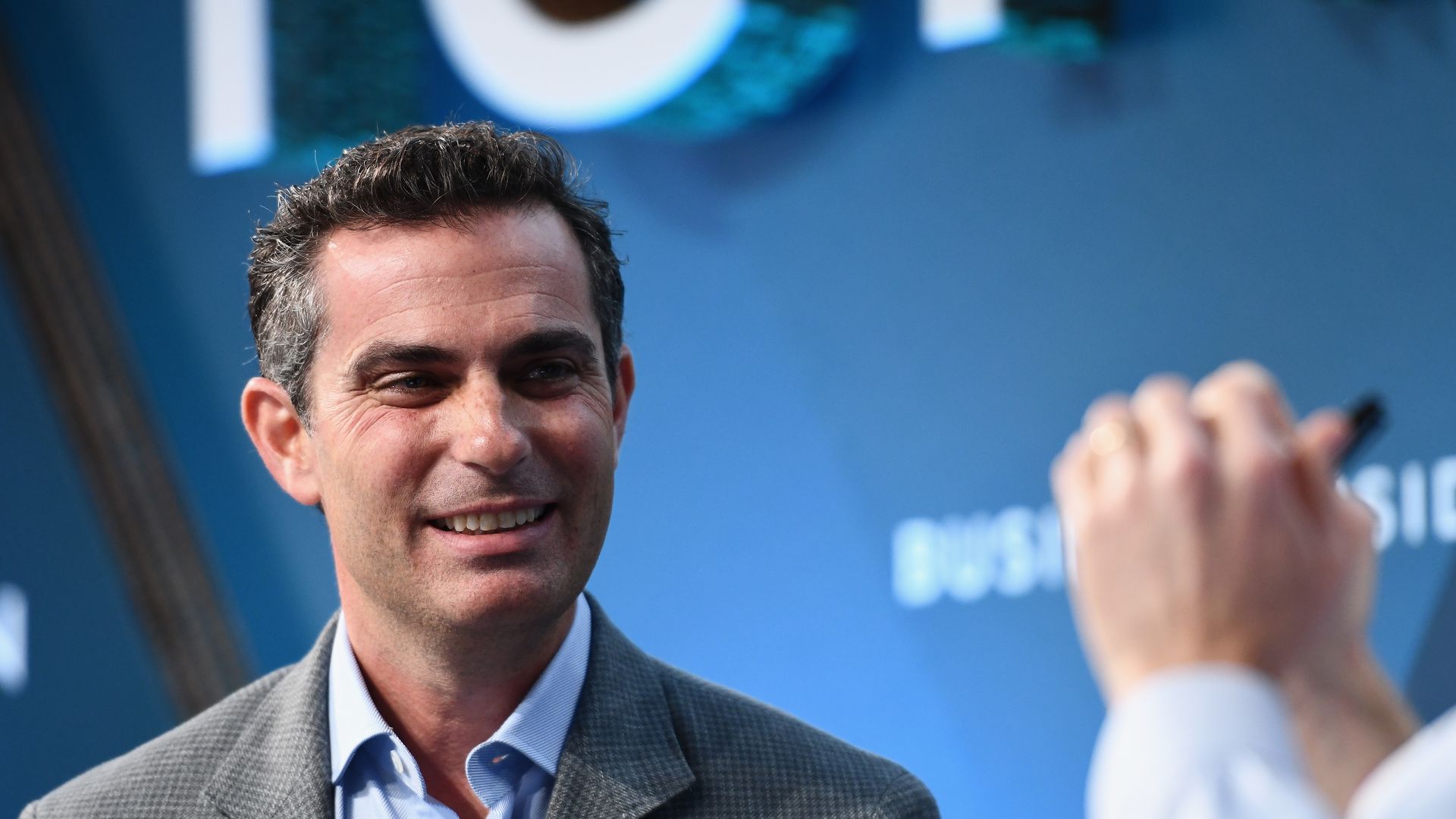
Dan Rose, Facebook's vice president of partnerships and a key business executive who joined in 2006, will leave the company by February, he said in a Facebook post (first covered by Recode).
Why it matters: Rose is the second high-profile exec to announce his departure this summer from a company that very rarely sees anyone leave its top ranks. Rose says he wants to be closer to his family, which now lives in Hawaii. His post makes no mention of the company's tough year of controversies..
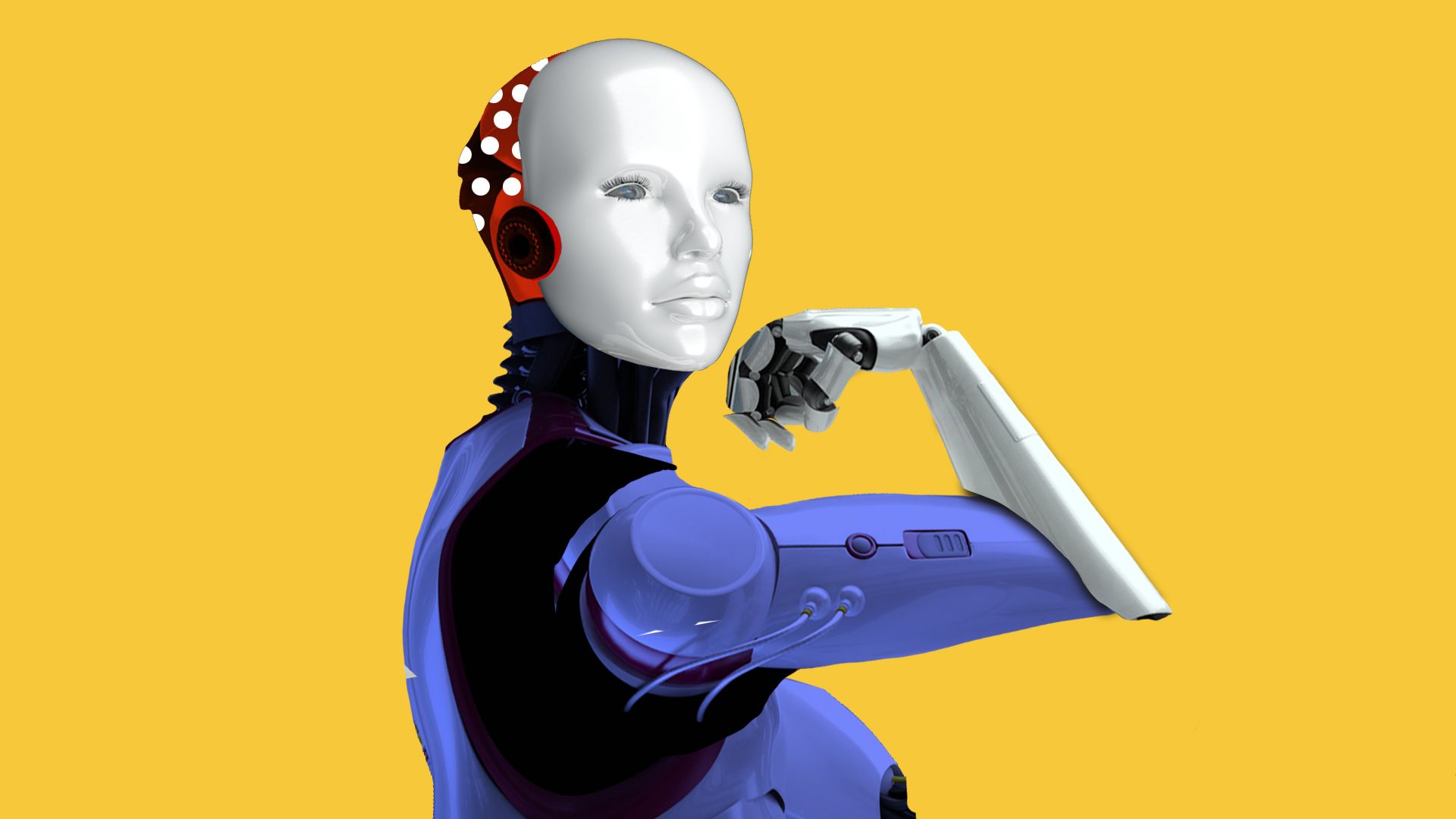
In a move toward humility, robot designers are increasingly shunning the Westworlddream of machines whose behavior is indistinguishable from people's, and opting for greater honesty about what's truly possible now.
Why it matters: When people assume a machine can do what a human does, they can be disappointed at best — and at worst get hurt. Visualizations, explanations and signals that show how robots are actually able to interact can better set expectations, and build the right amount of trust.
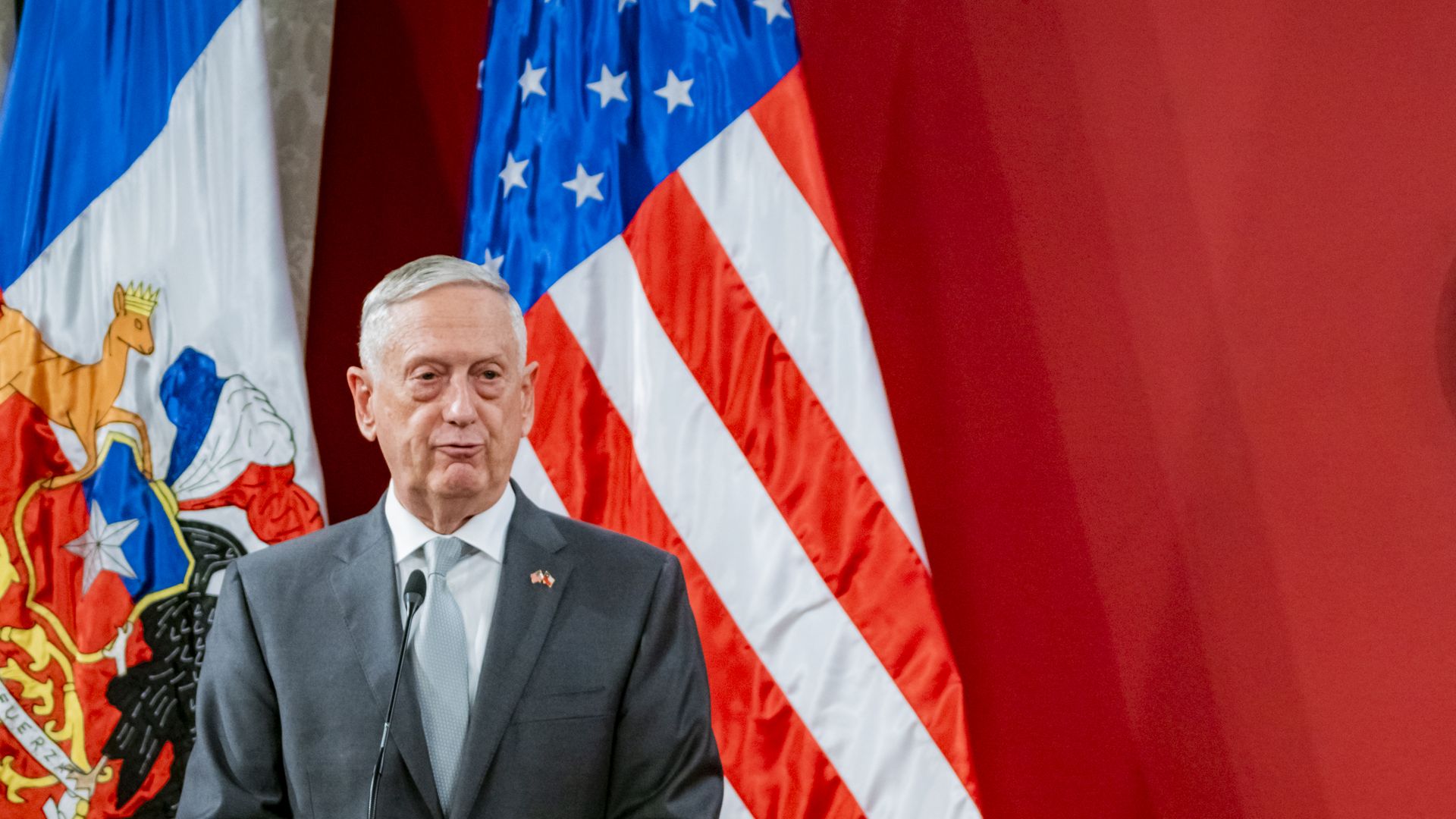
A dossier distributed by a private investigative firm alleges that a Pentagon aide corruptly promoted Amazon's bid for a giant Defense Department cloud-computing contract, Defense One reports.
Why it matters: The controversy underscores the high stakes as the Pentagon decides who will get its 10-year, $10 billion contract. Industry rivals tell Axios that Amazon's Amazon Web Services (AWS) is the favorite in the bidding process.
More than half (54%) of teens say they're worried that they're spending too much time with their devices, according to a new Pew Research Center report.
Why it matters: Americans, and young people in particular, are becoming more aware of the health, safety and productivity risks of being constantly connected. That's significant because more work, economy and lifestyle opportunities are moving online.
Facebook has discovered several new state-sponsored disinformation campaigns stemming from Iran and Russia, the company reported Tuesday.
The details: The company says in a blog post that it has removed 652 fake accounts, groups and pages associated with the campaign, which it says was coordinated from Iran. It has also flagged another new campaign based in Russia that has targeted politics in Syria and Ukraine.
Uber has reached a settlement to pay about $1.9 million to 56 current and former employees who have accused the ride-hailing company of gender discrimination, harassment and unfair work environment, reports CNN.
The details: A hearing to finalize the settlement is reportedly scheduled for November 6.
Facebook will begin ranking users on a trustworthiness scale from zero to one, The Washington Post's Elizabeth Dwoskin reports. It's a system that's been developed over the past year as part of its fight against misinformation.
Why it matters: Authenticating users has become an integral component of technology's fight against fake news, especially because many "users" that have been uncovered as posting false information are actually bots or stolen accounts.
Dan discusses the changing face of fake news with Axios media reporter Sara Fischer. In the "Final Two" Dan talks about Uber finaly hiring a CFO and dueling lawsuits surrounding a Silicon Valley venture capitalist.
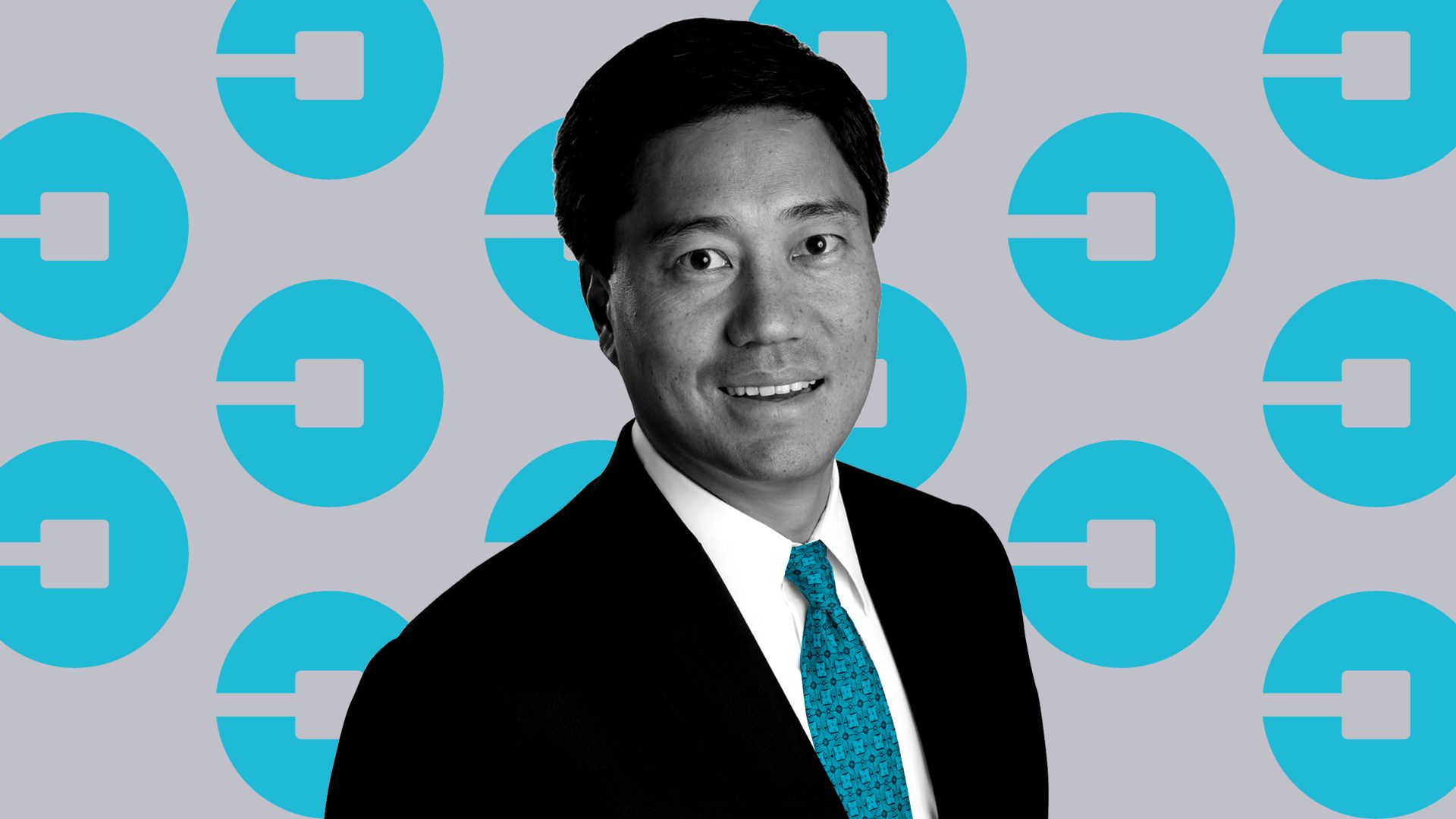
Uber on Tuesday announced that it has hired veteran Wall Street executive Nelson Chai as chief financial officer, a position that has been empty since 2015.
Why it matters: Companies need CFOs to go public, which is what Uber wants to do next year.
Cybersecurity startup exits will most likely come in the form of mergers and acquisitions, rather than initial public offerings, according to a report from SharesPost, a private share exchange for startup investors.
What to watch: The top acquirers of cybersecurity firms will likely be big tech companies like Symantec, Cisco, Microsoft, and Raytheon, which have been snatching up cybersecurity startups lately.
Industrial-scale creators of fake news are becoming increasingly savvy in their efforts to avoid new web platform rules, defensive AI and readers on guard for propaganda.
Why it matters: The tactics used by bad actors during the last election cycle have been modified to avoid more sophisticated detection and to take advantage of new technologies, making some of them harder to identify and stop in real-time.
A report released this morning from Digital Content Next, a trade body representing publishers, shows the breadth of data Google collects about users, often in ways that are not obvious to them.
What they're saying: While the report didn’t break much news about Google’s practices, Google refutes the findings. "This report is commissioned by a professional DC lobbyist group, and written by a witness for Oracle in their ongoing copyright litigation with Google. So, it's no surprise that it contains wildly misleading information," according to a spokesperson from Google.
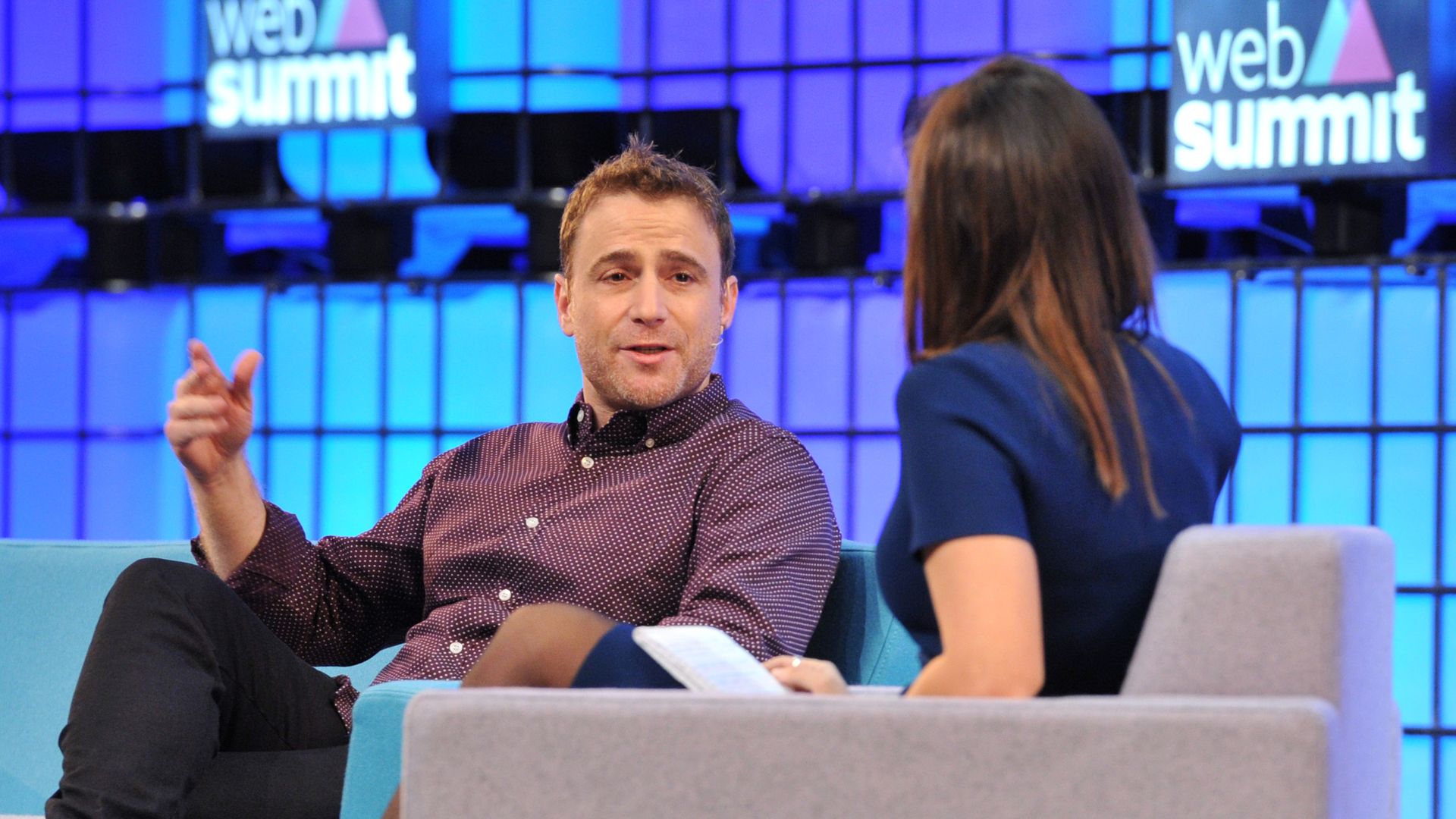
Enterprise collaboration platform Slack has raised $427 million in new Series H funding at a valuation north of $7.1 billion.
Why it's a big deal: Because while Slack is massive (8 million daily active users and over 70k paid teams) and has subsumed some rivals (RIP Hipchat), this new money reflects how competition is intensifying from deep-pocketed incumbents like Facebook and Microsoft.
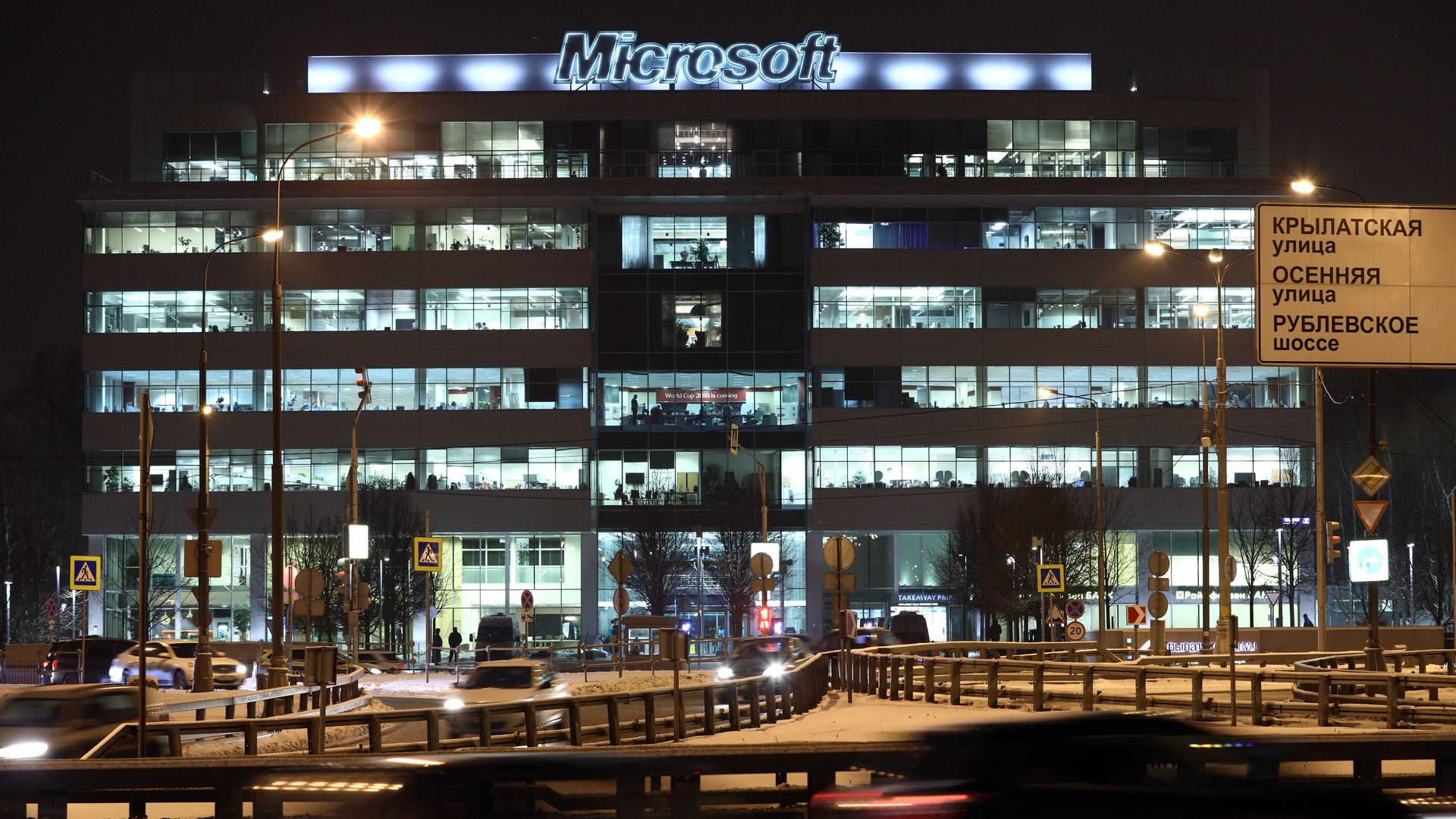
Microsoft last week seized six potentialphishing domains associated with the Kremlin-backed hackers Fancy Bear, who tampered with the 2016 election and likely intended to target two conservative groups and the U.S. Senate. It appears Microsoft shut down the domains before they were ever actively used. Microsoft announced the move in a blog post early Tuesday morning.
Why it matters: Spies have infiltrated legislative bodies and political groups from time immemorial, usually forboring reasons, like getting an edge in trade negotiations. But Russia's mass public dumping of stolen documents in 2016 broke the norms of espionage. Whatever the motivation for Russian attempts to hack influential political figures' emails in 2018, the current climate will lead people to assume the worst.










/2018/08/21/1534810929793.gif?w=3840)